Smart Automation Features for Maximum Productivity
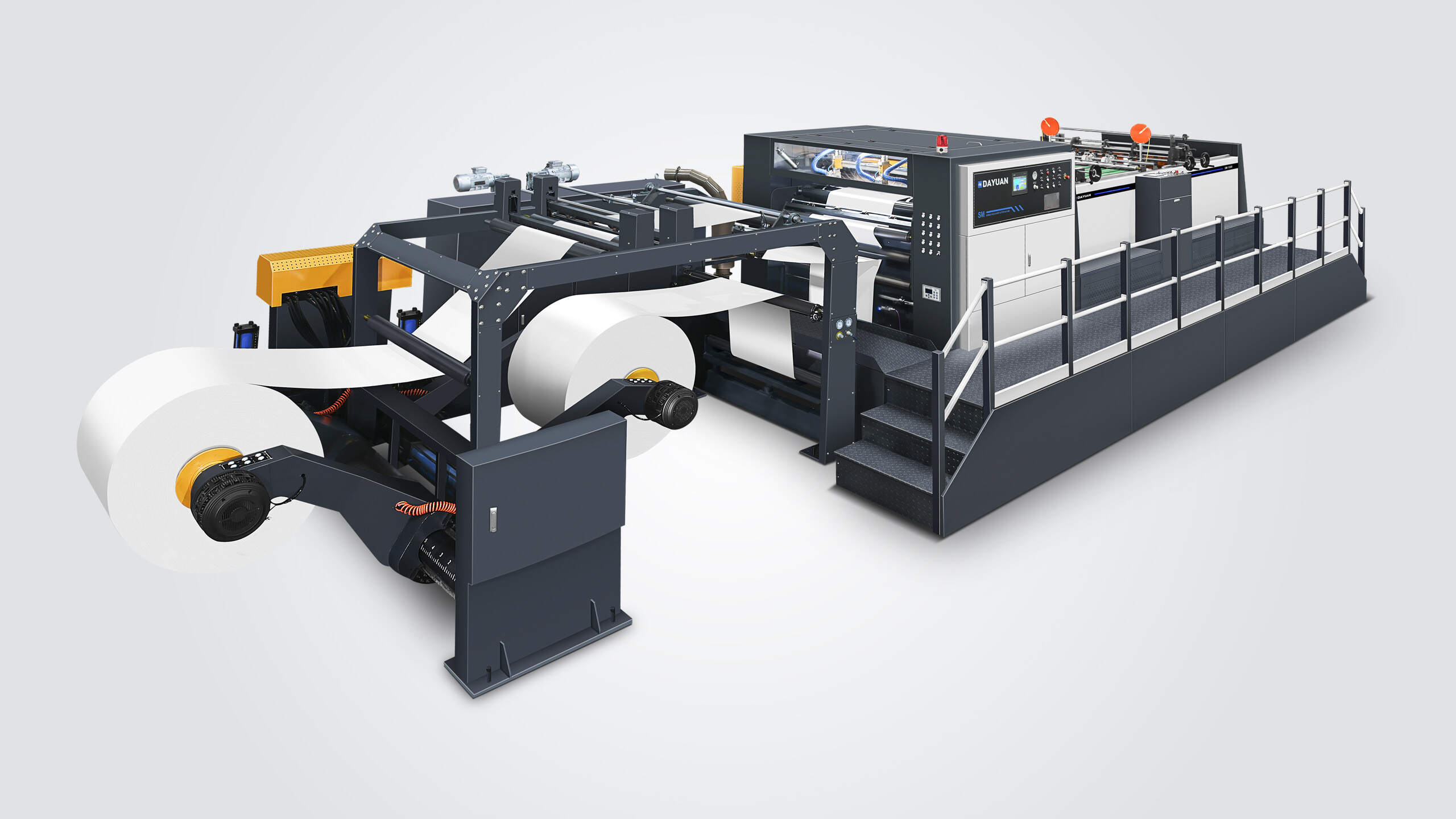
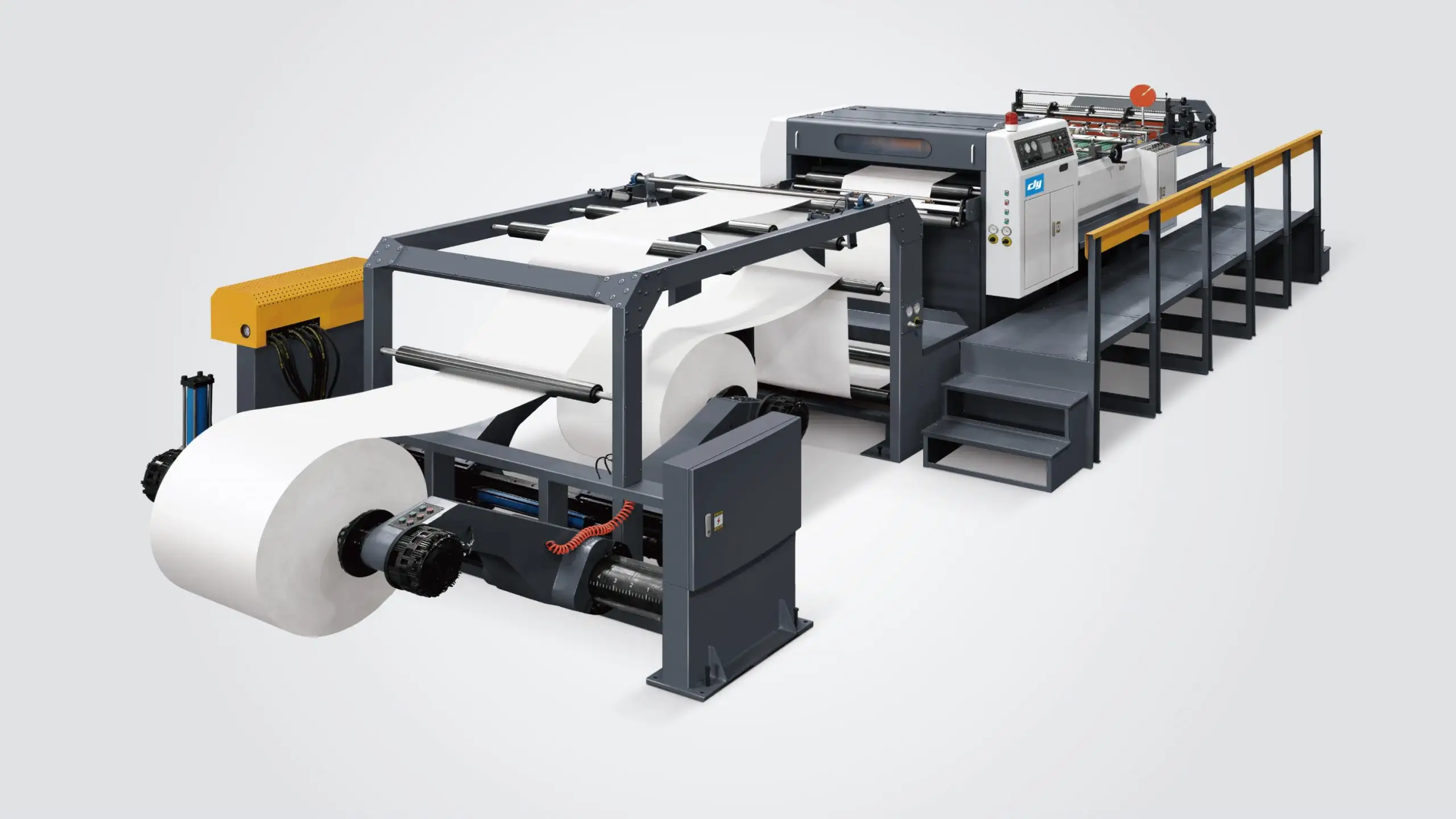
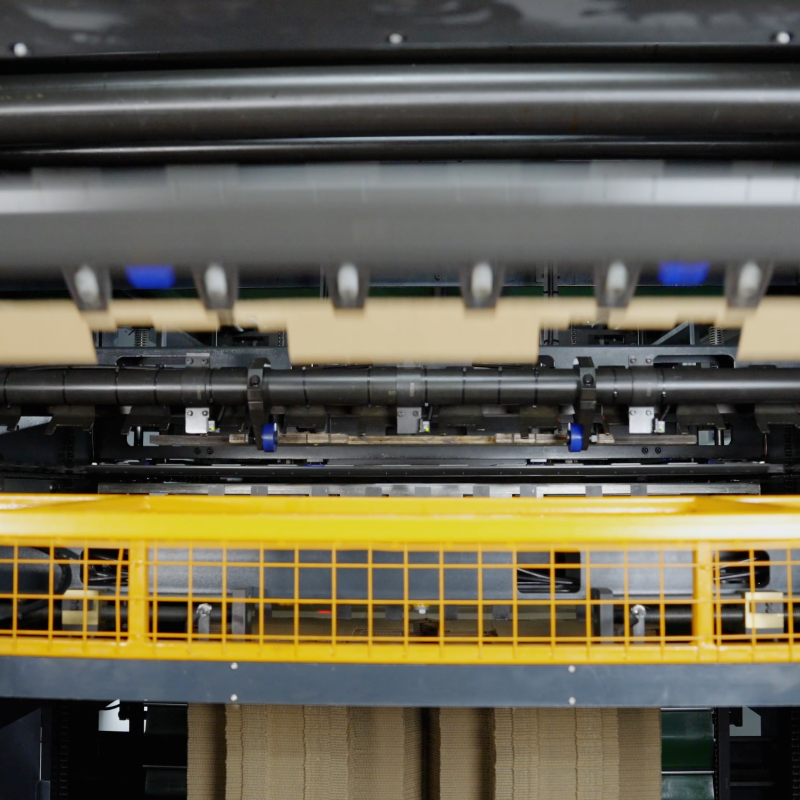
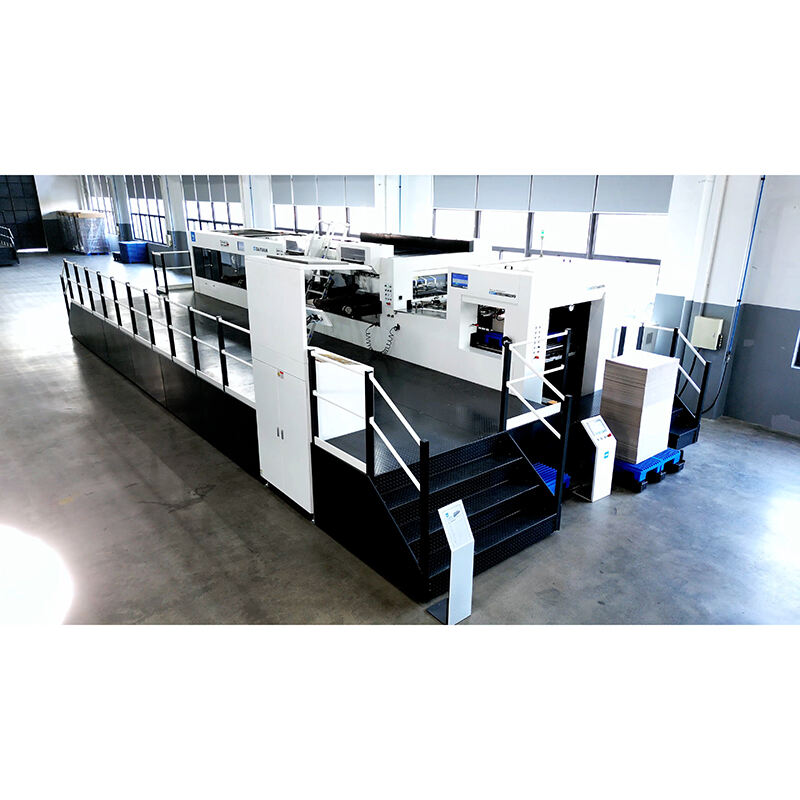
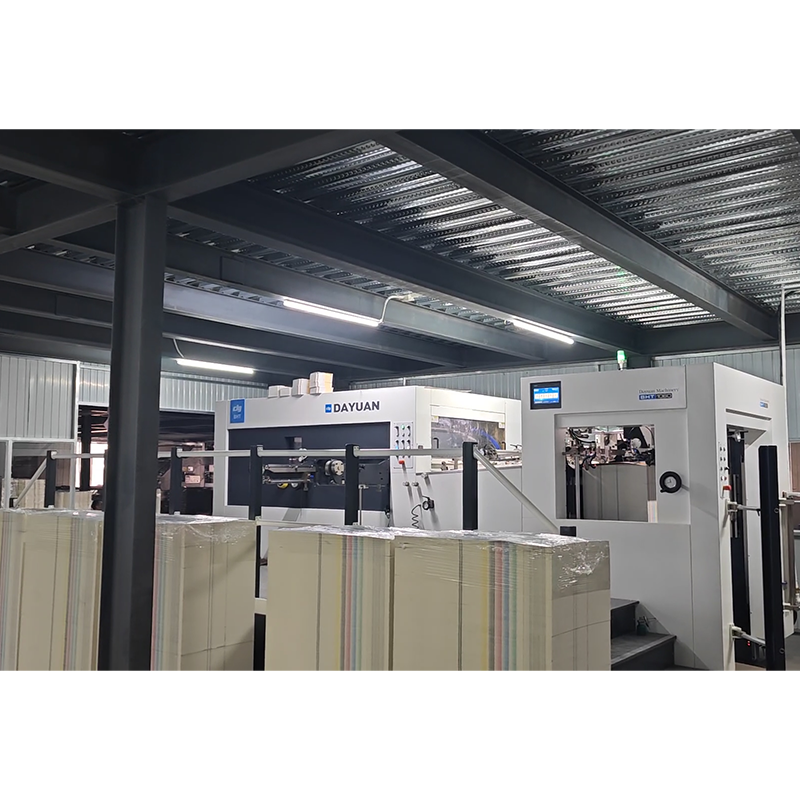
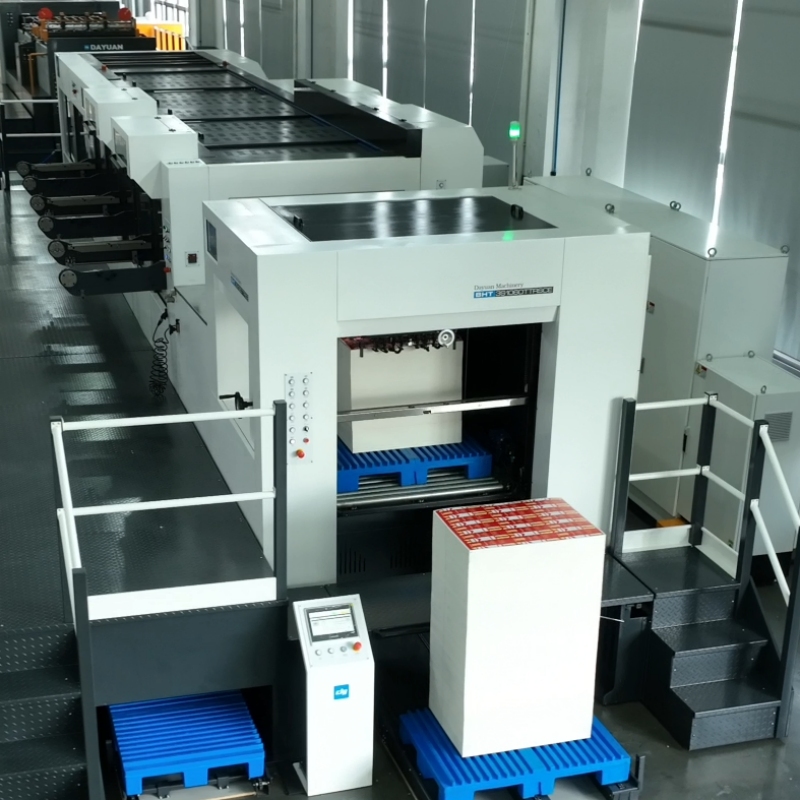
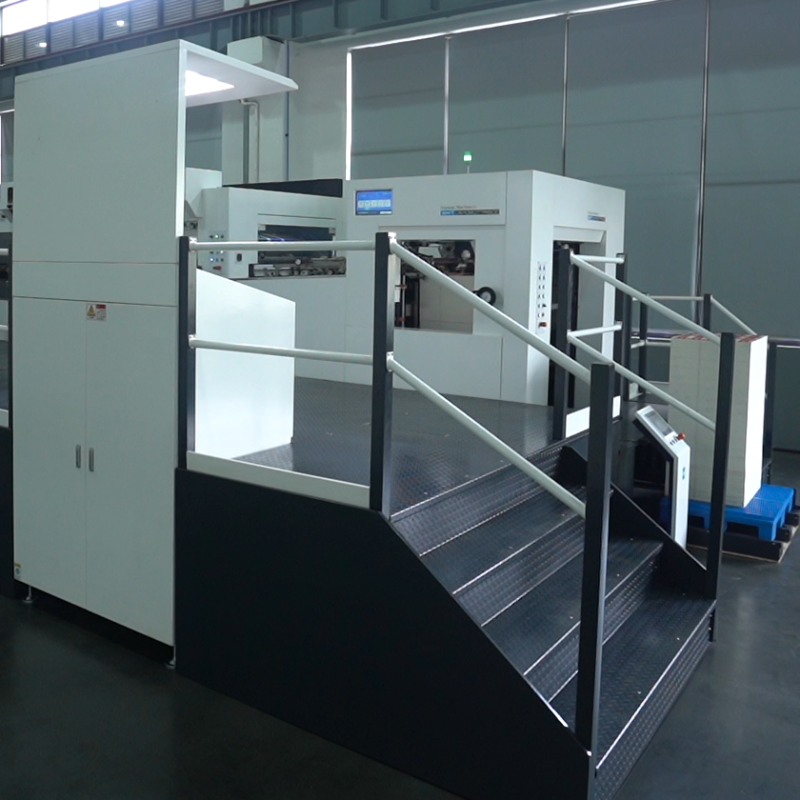
The new die cutting machine revolutionizes workflow efficiency through integrated smart automation features that reduce manual intervention, accelerate production cycles, and minimize the skill level required for operation. The automatic material feeding system represents a quantum leap forward from manual loading processes, using precision rollers and alignment sensors to draw material from supply rolls or stacks and position it perfectly under the cutting die without human assistance. This automated feeding maintains consistent tension and alignment across the entire material width, preventing the skewing and misalignment issues that commonly plague manual feeding and result in wasted material. Once cutting is complete, the automatic ejection system removes finished pieces from the cutting area and organizes them for collection, maintaining continuous operation without requiring an operator to manually remove each piece. For high-volume production environments, this automation effectively allows one operator to oversee multiple machines simultaneously, multiplying labor productivity. The machine features integrated quality inspection capabilities using vision systems that photograph each cut piece and compare it against the programmed pattern, automatically flagging any deviations for operator review. This real-time quality control catches problems immediately rather than discovering defects after processing entire batches, saving materials and preventing the shipment of non-conforming products to customers. The self-diagnostic system continuously monitors all mechanical and electronic components, detecting anomalies like unusual vibrations, temperature variations, or electrical irregularities that could indicate developing problems. When potential issues are identified, the system alerts operators through both visual dashboard warnings and optional mobile notifications, allowing maintenance to be scheduled proactively during planned downtime rather than responding to emergency breakdowns. Production data logging creates detailed records of every job, tracking metrics like cycle times, material consumption, reject rates, and overall equipment effectiveness. This data proves invaluable for identifying bottlenecks, optimizing processes, and demonstrating quality compliance to customers and regulatory agencies. The connectivity options include standard industrial protocols that enable integration with enterprise resource planning systems, manufacturing execution systems, and supply chain management platforms. This integration allows the new die cutting machine to receive job instructions directly from your scheduling system, automatically configure itself for each order, and report completion status back to your tracking systems without manual data entry. Remote monitoring capabilities let supervisors check machine status, production progress, and performance metrics from any internet-connected device, providing visibility even when off-site. For businesses pursuing lean manufacturing or just-in-time production strategies, these automation features are essential for achieving the rapid changeovers and flexible scheduling that these methodologies require.
 EN
EN