Professional Die Cutting Systems - Precision Manufacturing Solutions for Superior Quality

+86-577-58918888
All Categories

die cutting systems

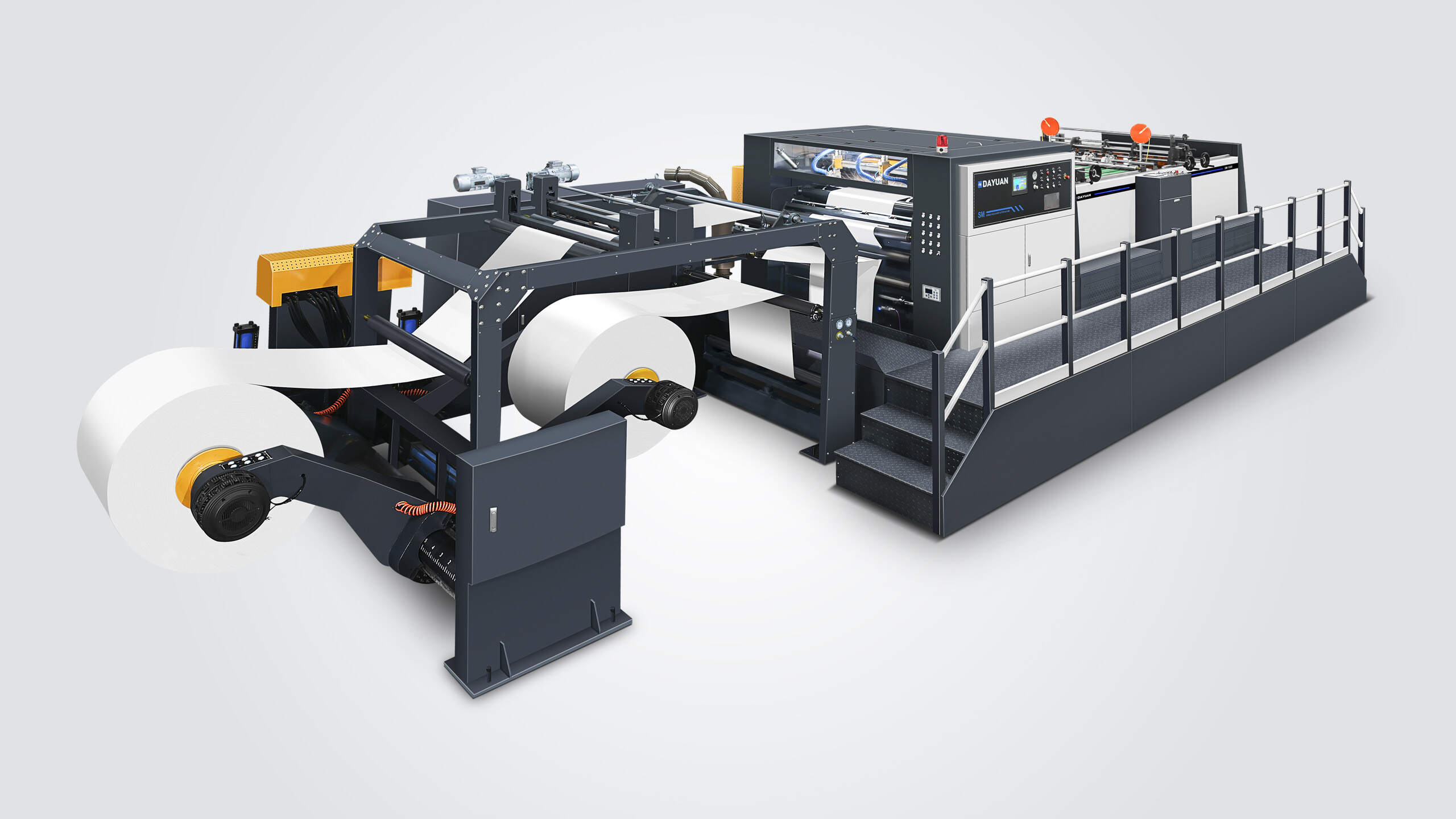
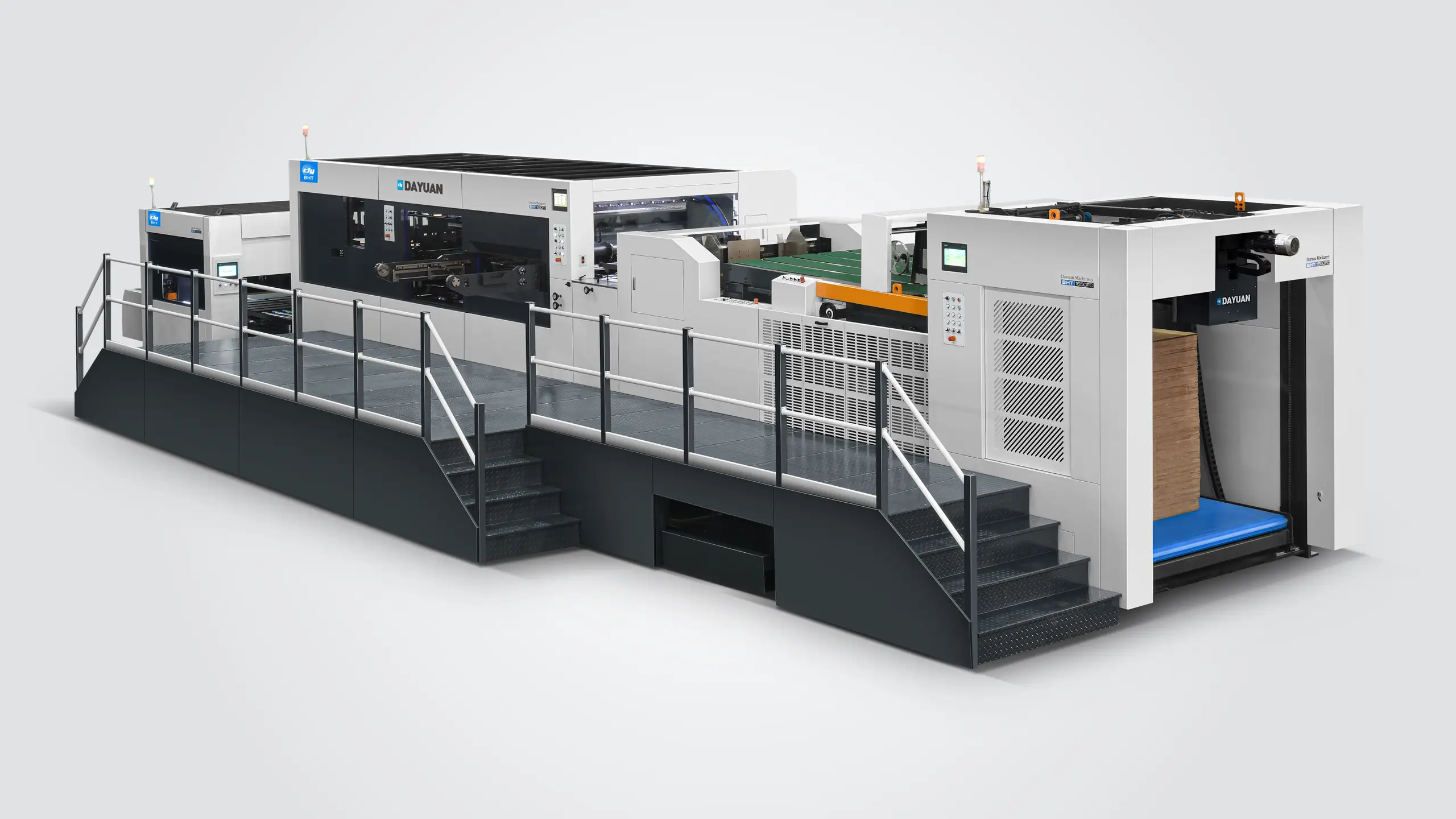
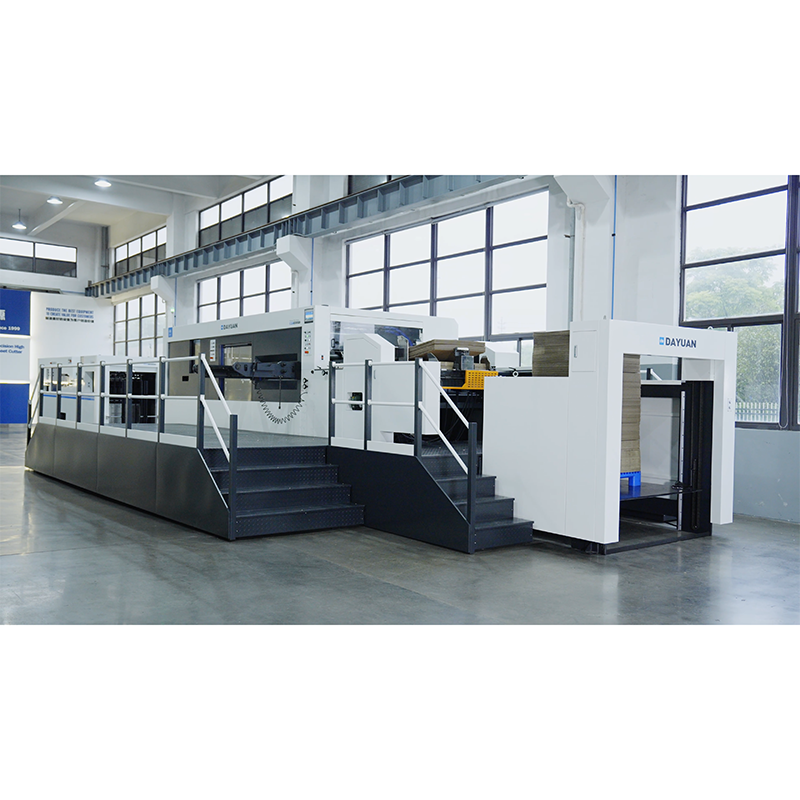
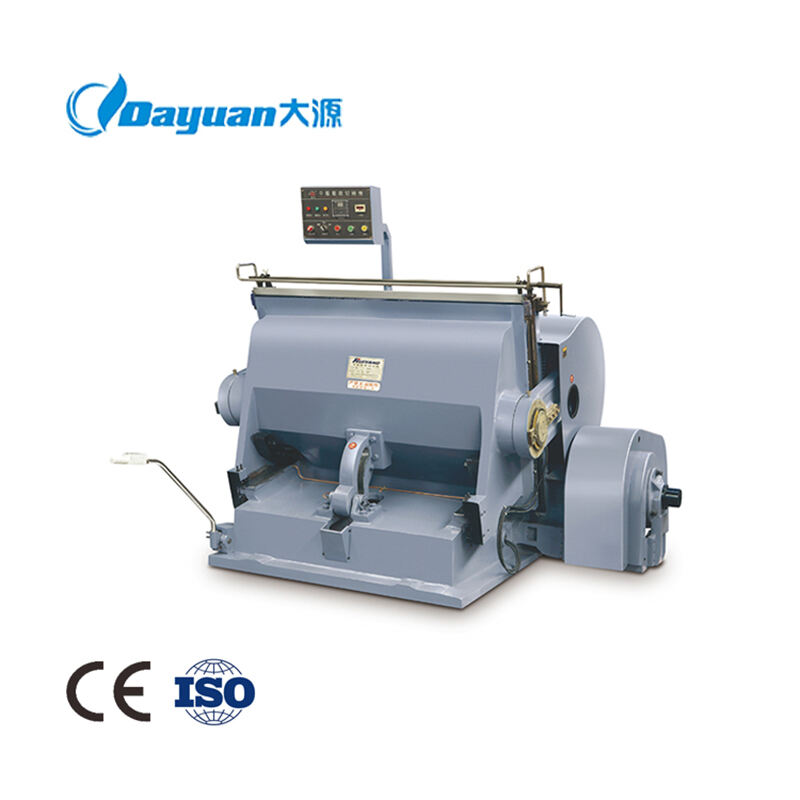
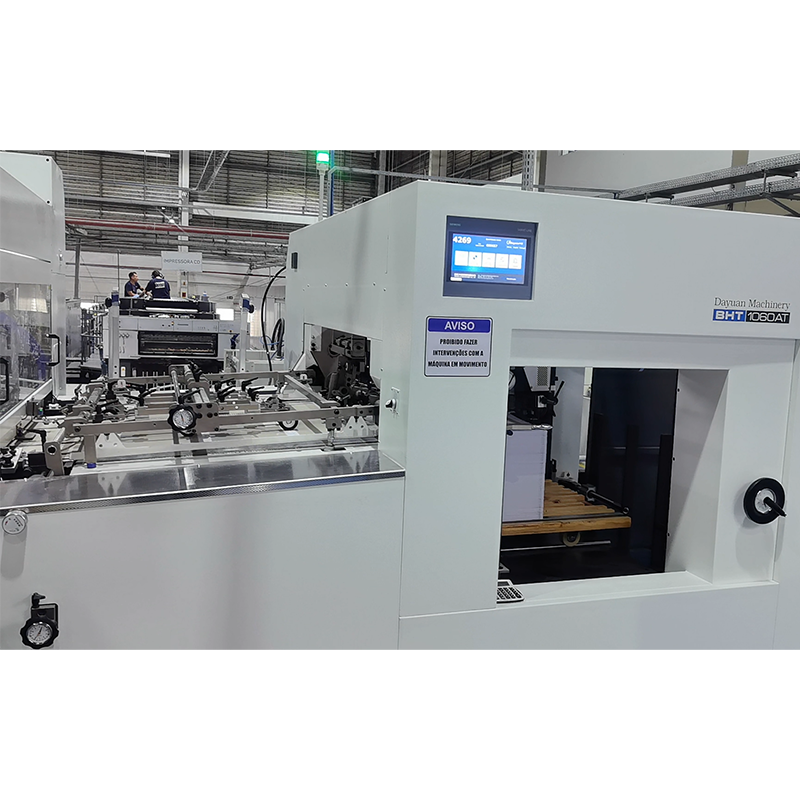
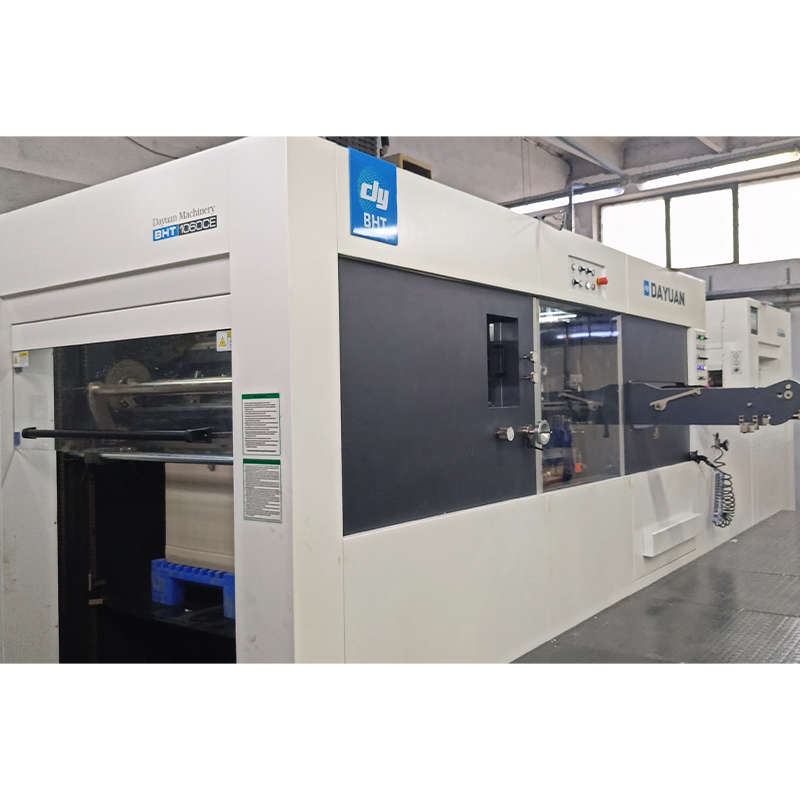
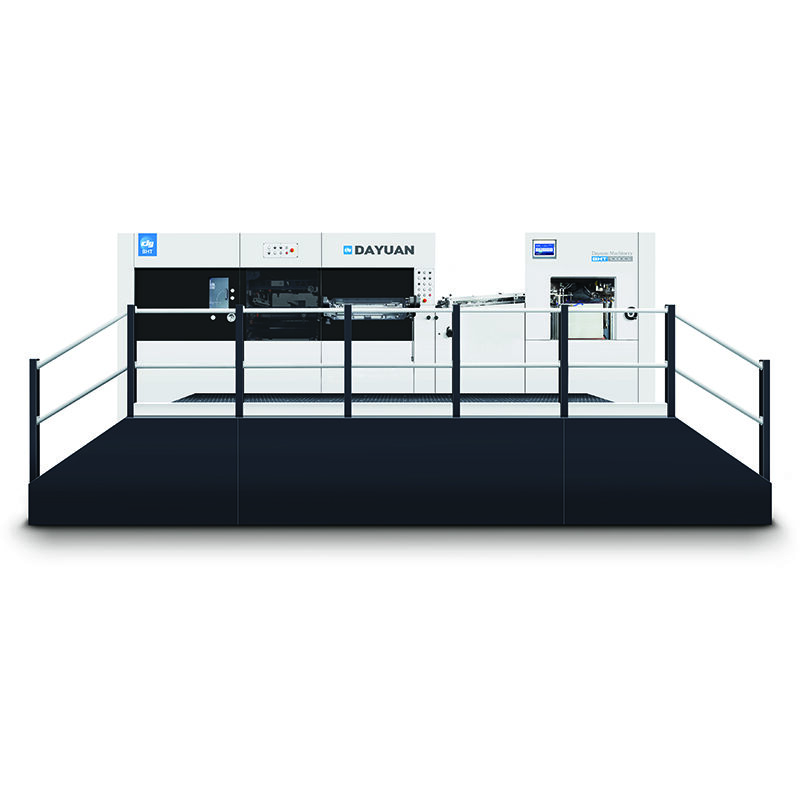
Die cutting systems represent sophisticated manufacturing equipment designed to precisely cut, shape, and form materials into specific patterns and designs. These advanced machines utilize sharp steel blades, known as dies, to slice through various substrates with exceptional accuracy and consistency. Modern die cutting systems have evolved from traditional manual presses into highly automated solutions that integrate computerized controls, servo-driven mechanisms, and intelligent monitoring capabilities. The primary function of die cutting systems involves converting flat sheet materials into finished products or components through controlled cutting operations. These systems excel at producing intricate shapes, perforations, creases, and embossed features that would be nearly impossible to achieve through conventional cutting methods. The technological features of contemporary die cutting systems include precision registration systems that ensure perfect alignment between multiple layers, adjustable pressure controls that accommodate materials of varying thickness and density, and rapid changeover capabilities that minimize downtime between production runs. Many advanced die cutting systems incorporate rotary or flatbed configurations, each offering distinct advantages depending on production requirements. Rotary die cutting systems utilize cylindrical dies mounted on rotating cylinders, enabling continuous high-speed operations ideal for large-volume manufacturing. Flatbed die cutting systems employ stationary dies that press downward onto materials, providing superior force distribution and exceptional precision for complex geometries. Applications for die cutting systems span numerous industries including packaging, automotive, electronics, medical devices, textiles, and consumer goods manufacturing. In packaging applications, these systems create custom boxes, labels, and protective inserts with clean edges and precise dimensions. The automotive sector relies on die cutting systems to fabricate gaskets, interior trim components, and sound dampening materials. Electronics manufacturers utilize these machines to produce adhesive tapes, flexible circuits, and component insulators with microscopic tolerances. The medical industry depends on die cutting systems for manufacturing wound dressings, diagnostic test strips, and surgical components that meet stringent quality standards and regulatory requirements.

New Product Releases

Investing in die cutting systems delivers substantial operational benefits that directly impact your bottom line and production capabilities. These machines dramatically increase manufacturing efficiency by completing cutting operations in seconds rather than minutes, allowing your facility to process significantly higher volumes without expanding floor space or hiring additional workers. The precision offered by die cutting systems eliminates material waste that occurs with manual cutting methods, as computerized controls ensure each cut follows the exact specifications without deviation or human error. This consistency translates into predictable material costs and reduced scrap rates that improve profit margins on every production run. Die cutting systems provide remarkable versatility by accommodating diverse material types including paper, cardboard, foam, rubber, plastics, fabrics, composites, and thin metals within a single machine platform. This flexibility enables manufacturers to diversify product offerings without purchasing separate equipment for each material category. The repeatability inherent in die cutting systems ensures that every piece produced matches the first sample exactly, maintaining quality standards across thousands or millions of units. This reliability proves essential when supplying components to assembly operations where dimensional variations could cause fitting problems or functional failures. Modern die cutting systems reduce labor requirements by automating material feeding, positioning, cutting, and waste removal processes that previously demanded multiple operators. The ergonomic design of contemporary machines minimizes physical strain on workers while safety features including light curtains, emergency stops, and guarded cutting zones protect personnel from injury. Die cutting systems accelerate time-to-market for new products by simplifying the transition from design concept to manufactured reality, as dies can be fabricated quickly from digital files and installed without extensive machine reconfiguration. The speed advantage becomes particularly valuable in fast-moving consumer markets where being first to retail shelves captures market share and establishes brand presence. These systems also enable cost-effective short-run production that makes custom orders and limited editions financially viable, opening revenue opportunities that traditional manufacturing methods cannot support profitably. Energy efficiency represents another practical advantage, as modern die cutting systems consume less power than older mechanical presses while delivering superior performance. Maintenance requirements remain minimal due to robust construction and readily available replacement components that service technicians can install quickly to minimize downtime. The digital integration capabilities of current die cutting systems facilitate seamless connectivity with enterprise resource planning software, production scheduling systems, and quality management databases that provide real-time visibility into manufacturing operations and enable data-driven process optimization.

Practical Tips

How to Choose a Flatbed Die Cutter for Thick Materials

13

Mar

How to Choose a Flatbed Die Cutter for Thick Materials

Understanding Industrial Die Cutting Excellence The world of industrial die cutting has evolved significantly, with flatbed die cutters emerging as essential tools for businesses handling thick materials. These robust machines combine precision, powe...
View More
Why Does Regular Blade Maintenance and Calibration Matter for Your Paper Cutter Machine's Performance?

10

Feb

Why Does Regular Blade Maintenance and Calibration Matter for Your Paper Cutter Machine's Performance?

Industrial printing operations depend heavily on precision cutting equipment to maintain quality standards and operational efficiency. A well-maintained paper cutter machine represents the cornerstone of any successful commercial printing facility, w...
View More
What Maintenance Routines Extend the Lifespan of Your Industrial Paper Cutter Machine?

18

Mar

What Maintenance Routines Extend the Lifespan of Your Industrial Paper Cutter Machine?

Proper maintenance of an industrial paper cutter machine is crucial for maximizing operational efficiency and extending equipment lifespan in commercial printing environments. These sophisticated cutting systems require systematic care to maintain pr...
View More
How Do You Select the Right Paper Die Cutting Machine for Folding Cartons vs. Corrugated Board?

02

Apr

How Do You Select the Right Paper Die Cutting Machine for Folding Cartons vs. Corrugated Board?

Selecting the right paper die cutting machine for different packaging applications requires understanding the fundamental differences between folding carton and corrugated board production requirements. The choice between these substrate types direct...
View More

Get a Free Quote

Our representative will contact you soon.
Email
Name
Company Name
Required Product
Message
0/1000

die cutting systems

Advanced Precision Technology for Flawless Results

Advanced Precision Technology for Flawless Results

Die cutting systems incorporate cutting-edge precision technology that guarantees flawless results across every production cycle, delivering quality levels that manual operations simply cannot match. At the core of this precision lies sophisticated servo motor technology that controls blade positioning with micron-level accuracy, ensuring cuts land exactly where designers intended without deviation or drift over extended production runs. The registration systems built into modern die cutting systems utilize optical sensors and high-resolution cameras to detect alignment marks on incoming materials, automatically adjusting positioning in real-time to compensate for material variations or feed irregularities. This intelligent correction happens instantaneously, maintaining perfect alignment even when processing materials with inconsistent dimensions or slight warping. The pressure control systems integrated into die cutting systems employ load cells and feedback loops that continuously monitor cutting force, adjusting hydraulic or pneumatic pressure to maintain optimal cutting conditions regardless of material thickness variations within a single sheet. This adaptive pressure management prevents incomplete cuts that leave materials partially attached while avoiding excessive force that could damage substrates or accelerate die wear. Temperature monitoring capabilities within advanced die cutting systems track operating conditions that affect material behavior, particularly important when processing thermoplastic materials that soften at elevated temperatures or adhesive-backed products where heat affects bonding properties. The precision extends beyond cutting operations to include creasing and perforating functions that create fold lines and tear points with exact depth control, ensuring consistent folding behavior and tear resistance across production batches. Quality assurance features built into die cutting systems include vision inspection modules that photograph finished pieces immediately after cutting, comparing actual results against stored templates to identify defects, missing features, or dimensional errors before defective products enter downstream processes. Statistical process control functionality tracks key performance metrics including cutting accuracy, cycle times, and reject rates, generating trend analyses that help operators identify developing issues before they escalate into quality problems or equipment failures. The precision capabilities of die cutting systems prove particularly valuable in industries with stringent regulatory requirements, where documentation of manufacturing consistency supports compliance certifications and audit processes.
Exceptional Versatility Across Materials and Applications

Exceptional Versatility Across Materials and Applications

Die cutting systems demonstrate exceptional versatility that empowers manufacturers to address diverse production requirements with a single equipment platform, eliminating the capital expense and floor space demands associated with maintaining separate specialized machines. The material compatibility range of contemporary die cutting systems extends from delicate tissue papers measuring just a few thousandths of an inch thick to rigid composite boards exceeding half an inch in thickness, all processable on the same machine with simple die and pressure adjustments. This breadth of capability enables converters and manufacturers to accept orders across material categories without turning away business due to equipment limitations. The modular design philosophy adopted by leading die cutting systems manufacturers allows facilities to configure machines with optional accessories including hot stamping units for metallic foil application, embossing attachments for creating raised or recessed surface features, laminating stations for bonding multiple material layers, and stripping systems for removing waste matrix automatically. These supplementary capabilities transform basic cutting machines into comprehensive converting centers that complete multiple operations in a single pass, reducing handling requirements and accelerating throughput. Die cutting systems accommodate both simple geometric shapes and extraordinarily complex patterns featuring intricate internal cutouts, compound curves, and microscopic details that challenge conventional fabrication methods. The ease of die changeover built into modern systems enables rapid transitions between different products, with magnetic die mounting systems and quick-release mechanisms allowing operators to swap tooling in minutes rather than hours. This flexibility supports mixed-production scheduling where facilities manufacture multiple products within single shifts, responding to customer demand fluctuations without batching requirements or extended lead times. Die cutting systems prove equally effective for prototype development and full-scale production, as the same dies used to create initial samples continue performing reliably through millions of repetitions. The scalability inherent in these systems allows businesses to start with modest production volumes and expand capacity by increasing operating speeds or adding shifts rather than replacing equipment as demand grows. Software compatibility represents another dimension of versatility, as die cutting systems accept design files from virtually any CAD or graphics application, translating digital artwork into cutting paths without tedious manual programming. The ability to store unlimited die programs in system memory enables instant recall of previous jobs, ensuring consistent reproduction of repeat orders without setup trials or sample approvals.
Remarkable Operational Efficiency and Cost Reduction

Remarkable Operational Efficiency and Cost Reduction

Die cutting systems deliver remarkable operational efficiency that fundamentally transforms manufacturing economics by reducing production costs while simultaneously increasing output capacity and product quality. The automation inherent in these systems eliminates labor-intensive manual cutting operations that previously consumed significant workforce hours, allowing facilities to reassign personnel to higher-value activities including quality control, machine optimization, and process development. The speed advantage provided by die cutting systems manifests in cycle times measured in seconds per piece compared to minutes required for manual cutting or alternative fabrication methods, enabling dramatic throughput increases without proportional cost escalation. This velocity becomes particularly impactful in high-volume production environments where even fractional cycle time reductions multiply into substantial capacity gains across three-shift operations. Material utilization optimization represents a major source of cost reduction, as computerized nesting software analyzes part geometries and calculates optimal layout patterns that maximize the number of pieces extracted from each sheet while minimizing scrap generation. These intelligent algorithms often achieve material yields exceeding ninety percent, compared to seventy percent or lower typical of manual layout methods, translating directly into reduced raw material purchases and waste disposal expenses. The consistency maintained by die cutting systems eliminates rework and rejection costs associated with dimensional errors, incomplete cuts, or cosmetic defects that occur with manual operations, as automated processes reproduce specifications exactly without variation caused by operator fatigue or distraction. Energy efficiency engineered into modern die cutting systems reduces utility consumption through features including variable-speed drives that adjust motor output to match actual load requirements, regenerative braking systems that recover kinetic energy during deceleration cycles, and standby modes that reduce power draw during idle periods. Maintenance efficiency stems from robust construction utilizing industrial-grade components designed for millions of operating cycles, combined with diagnostic systems that predict component wear and schedule preventive maintenance before failures occur. The total cost of ownership for die cutting systems remains favorable compared to alternative manufacturing approaches when analyzing complete lifecycle expenses including initial investment, operating costs, maintenance requirements, and residual value. Return on investment timelines for these systems typically range from eighteen to thirty-six months depending on production volumes and material costs, after which the equipment continues generating profit contributions for decades with proper maintenance and periodic upgrades that extend capabilities and refresh control systems with current technology.

Get a Free Quote

Our representative will contact you soon.
Email
Name
Company Name
Required Product
Message
0/1000