Exceptional Material Versatility Across Industries
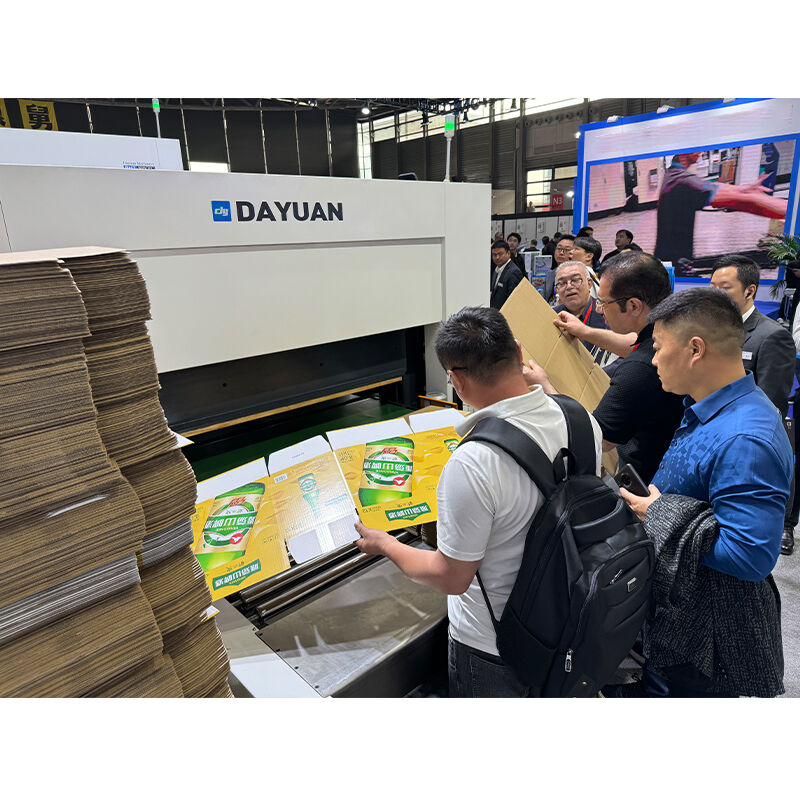
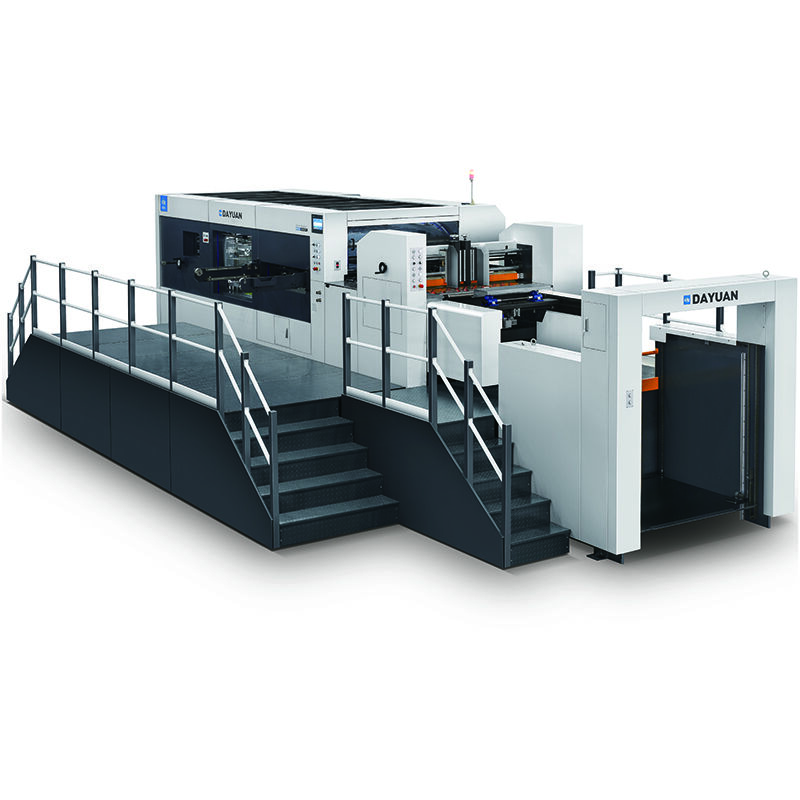
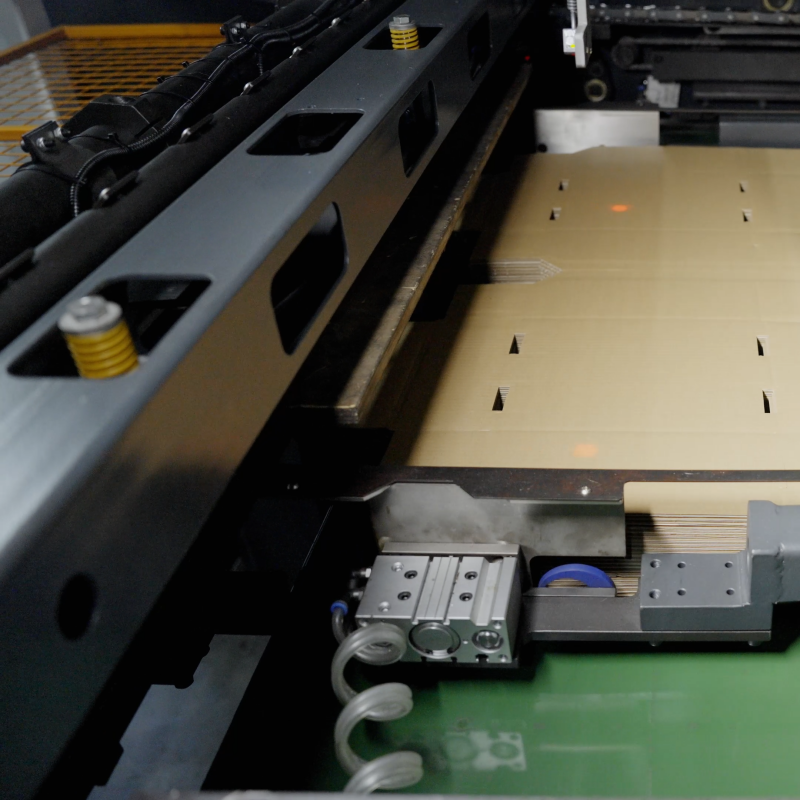
Die machine cutting excels across an extraordinarily diverse range of materials and applications, making it an invaluable asset for businesses serving multiple markets or those seeking to expand their product offerings. This versatility stems from the fundamental operating principle of die machine cutting, which applies controlled force through shaped tools rather than relying on material-specific processes like laser cutting that perform differently across various substrates. When you invest in die machine cutting equipment, you gain capability to process paper products ranging from delicate tissue to dense chipboard, accommodating the packaging industry, printing operations, and paper goods manufacturing. The same die machine cutting system handles leather processing for footwear components, accessories, and upholstery applications, with dies configured to cut complex shapes while minimizing material waste from expensive hides. Textile manufacturers utilize die machine cutting for fabric components in apparel, home furnishings, and industrial applications, appreciating how clean cuts prevent fraying and maintain dimensional stability. Rubber and foam materials, challenging for many cutting technologies due to their compressibility and tendency to deform, are processed effectively through die machine cutting that compresses the material during cutting and releases it to spring back to proper dimensions. Plastic films and sheets, including materials used in medical device packaging, electronic component protection, and food packaging, are cut cleanly without the melting or deformation that heat-based cutting methods can produce. Gasket manufacturers rely on die machine cutting to produce sealing components from cork, rubber, composite materials, and even thin metal sheets, creating parts that meet exacting specifications for automotive, industrial, and consumer applications. The ability to process such varied materials means businesses can consolidate operations around die machine cutting rather than maintaining separate specialized equipment for different material types. This consolidation reduces capital investment, simplifies operator training, and minimizes floor space requirements while enhancing operational flexibility. When market conditions shift or new opportunities emerge, companies with die machine cutting capabilities can pivot quickly to produce different products without lengthy equipment acquisition processes. The material versatility of die machine cutting also supports sustainable manufacturing practices, as businesses can process recycled materials, biodegradable alternatives, and eco-friendly substrates that are increasingly demanded by environmentally conscious customers and regulatory requirements.
 EN
EN