Remarkable Versatility Across Materials and Applications
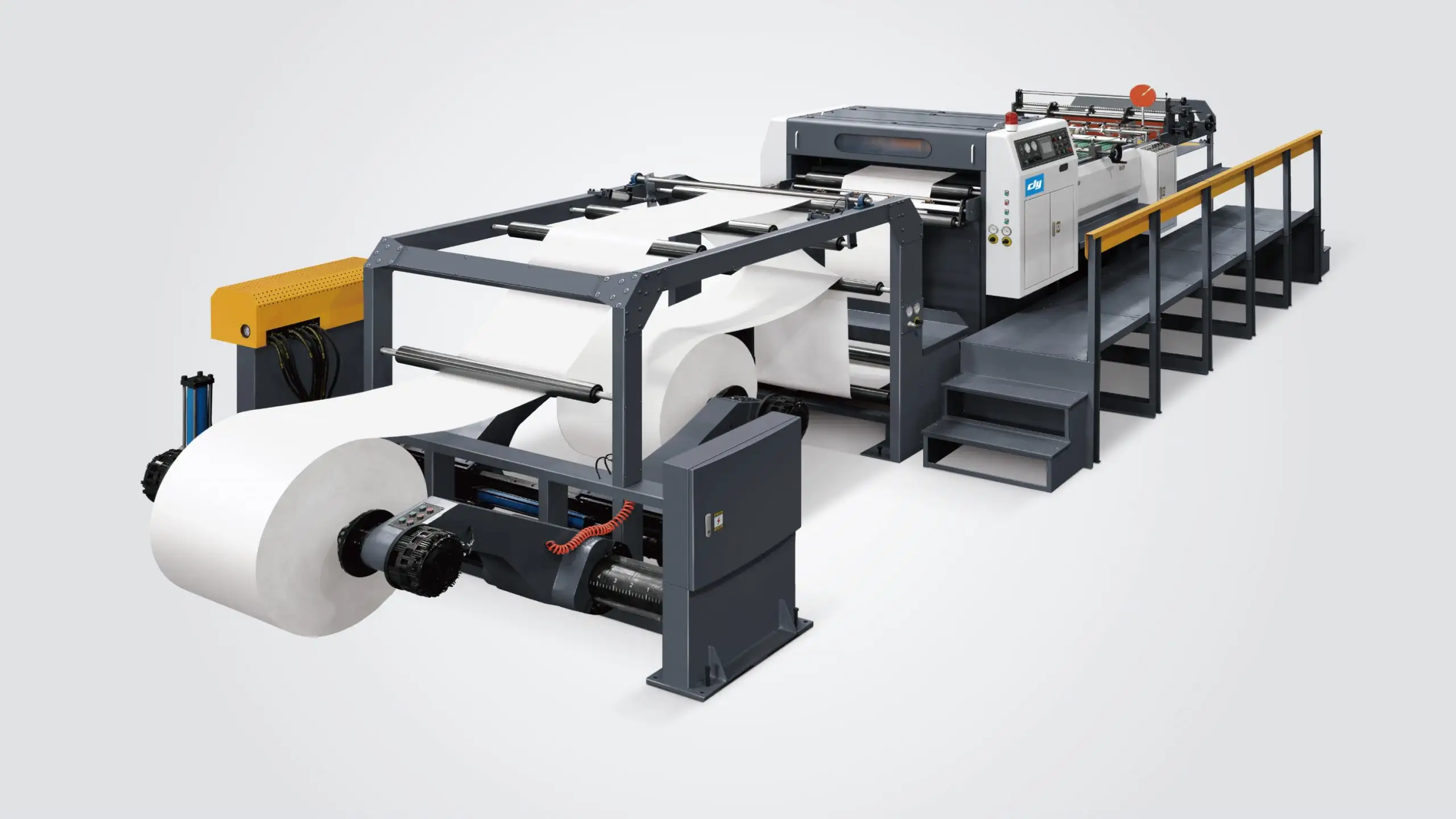
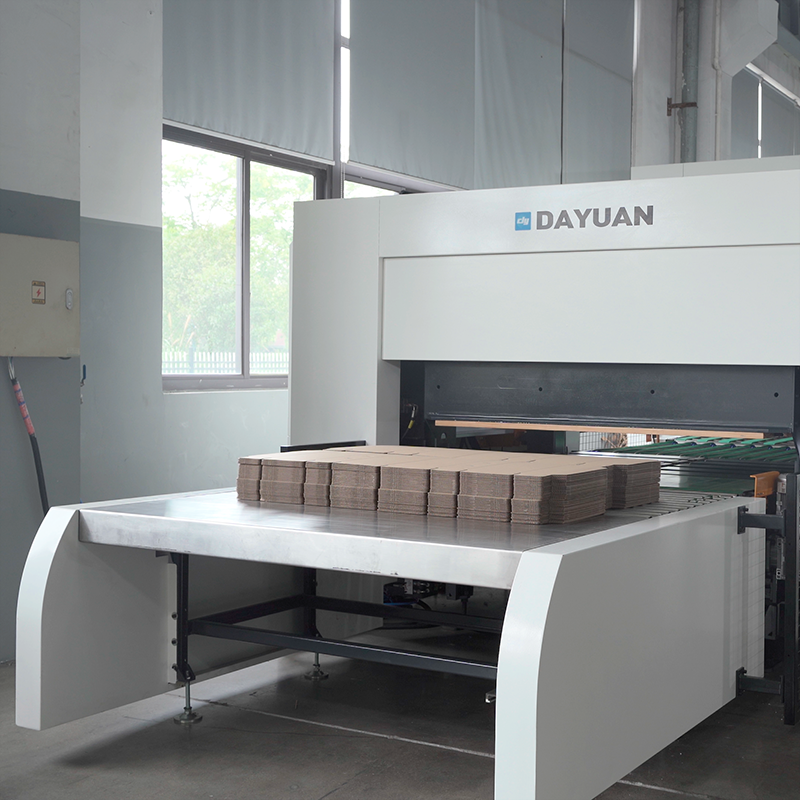
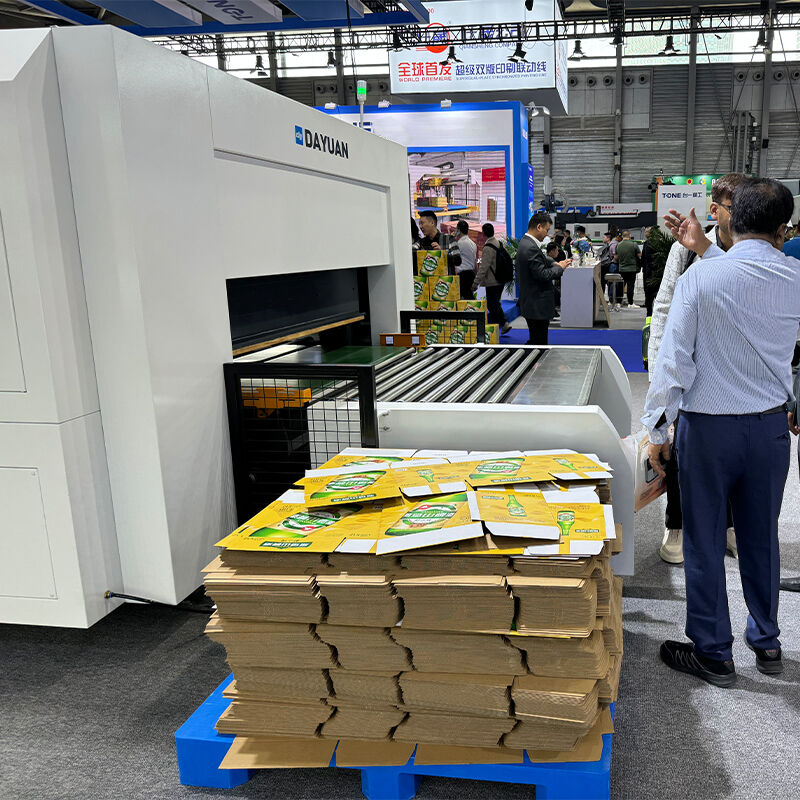
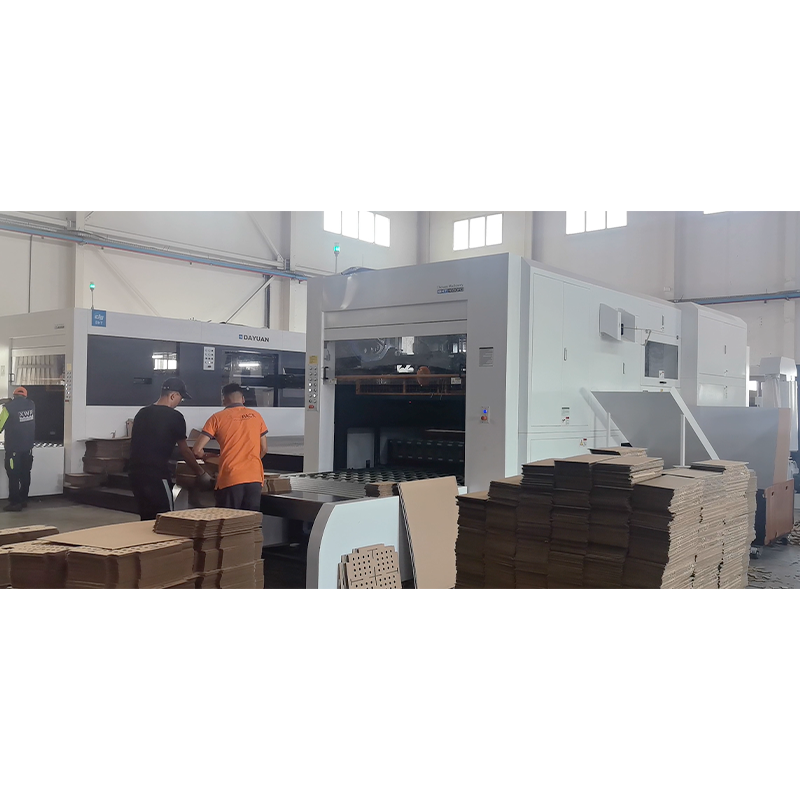
The versatility of a large die cutting machine represents one of its most valuable yet often underappreciated advantages, providing manufacturing flexibility that protects your business against market changes while enabling diversification into new product categories and customer segments. This adaptability begins with material compatibility, as quality large die cutting machine systems process an extraordinary range of substrates including various paper grades from tissue to heavy board, corrugated cardboard in different flute configurations, natural and synthetic textiles, leather and vinyl, rubber compounds, foam materials from soft cushioning to dense structural varieties, gasket materials, magnetic sheets, thin plastics, and even soft metals like aluminum or copper in appropriate thicknesses. The ability to handle this diverse material palette with a single piece of equipment eliminates the capital expense and floor space requirements of maintaining separate specialized machines for different materials, delivering economic efficiency while simplifying production planning and operator training. Die changes can typically be accomplished in minutes rather than hours, allowing economically viable short production runs that would be impractical if setup consumed excessive time, which creates opportunities for custom work and rapid prototyping that command premium pricing. The large die cutting machine adapts to different operational modes including kiss-cutting that cuts through material face layers while leaving backing intact, through-cutting that separates pieces completely, creasing for fold lines, perforating for tear-away sections, and embossing for decorative or functional raised elements, all achievable by using appropriately designed dies. This functional versatility means a single large die cutting machine can produce finished products rather than just rough-cut pieces requiring additional processing, compressing your production workflow and reducing handling costs. Application diversity spans industries from packaging where you might produce retail boxes, product inserts, and point-of-purchase displays, to automotive manufacturing for headliners, floor mats, and gaskets, to textile operations creating apparel components, industrial wipers, or craft materials, to industrial manufacturing producing seals, insulators, and protective padding. The large format accommodates both oversized single pieces and efficient multiple-up layouts of smaller components, preventing the equipment from being limited to only certain product size ranges. Seasonal businesses particularly benefit from this versatility, as the same large die cutting machine that produces holiday packaging during peak periods can manufacture entirely different products during slower months, maintaining equipment utilization and revenue flow throughout the year. As your business evolves or market demands shift, this versatility provides adaptation capability without requiring new capital investment, protecting your equipment ROI across changing business conditions. The learning curve for new materials or applications remains manageable since the fundamental operating principles stay constant even as specific parameters like pressure and speed are adjusted, allowing your team to expand capabilities without extensive retraining. This remarkable versatility essentially means that a large die cutting machine investment purchases not just current production capacity but future flexibility and growth potential that continues delivering value for years or decades as your business and markets evolve.
 EN
EN