Unmatched Versatility Across Materials and Applications
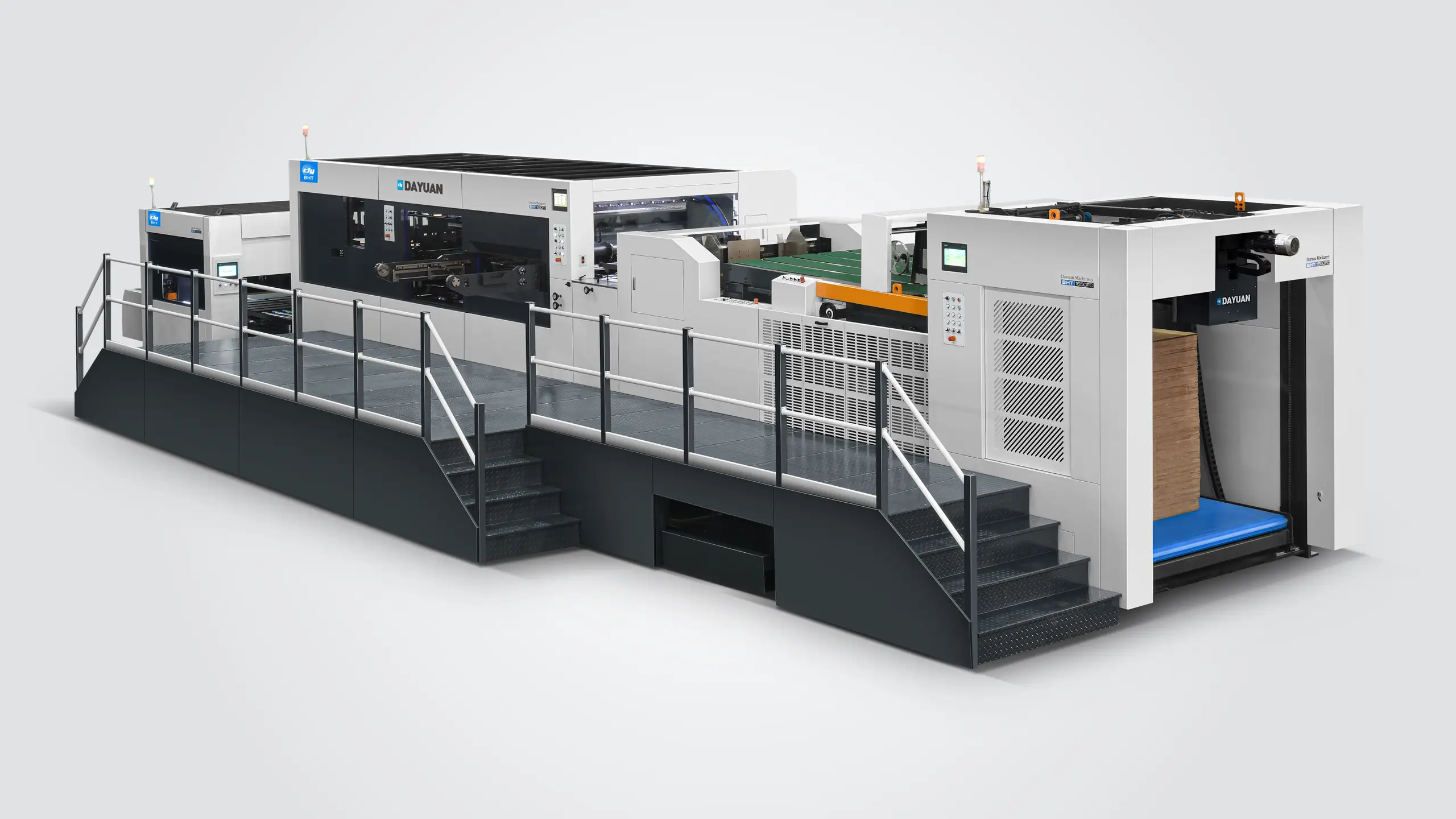
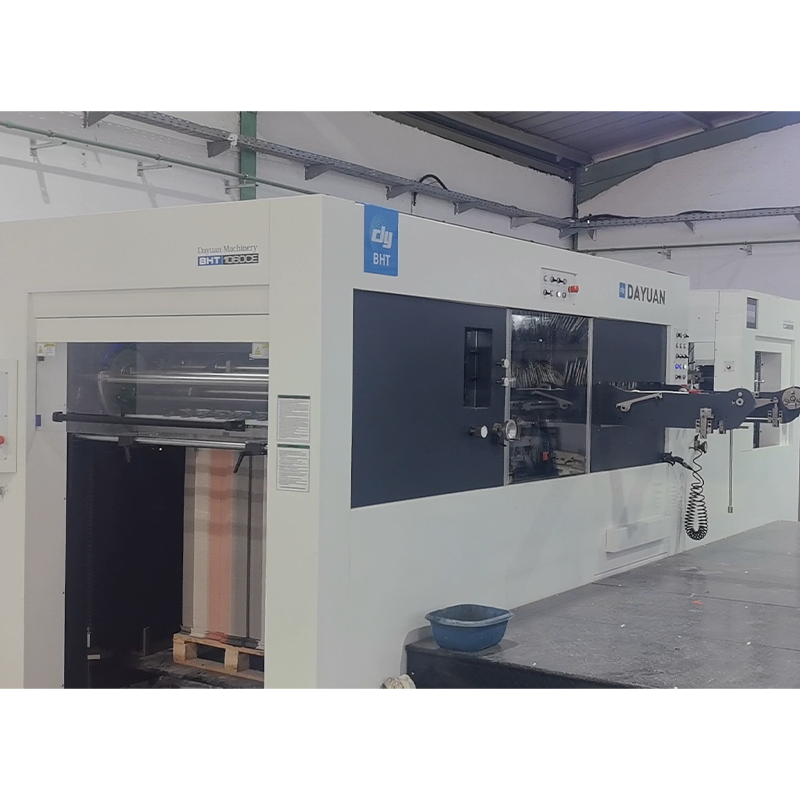
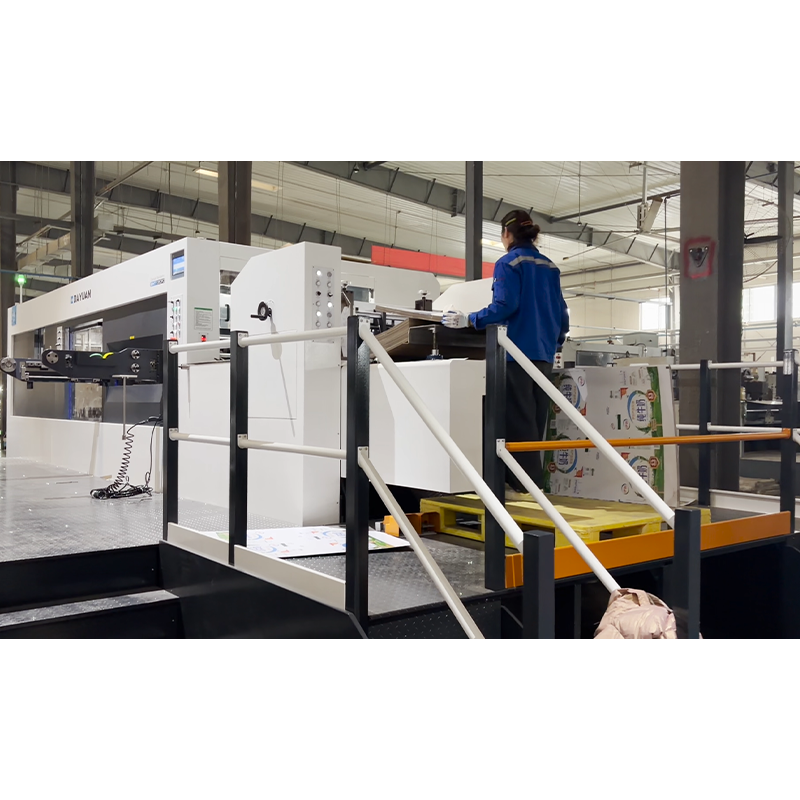
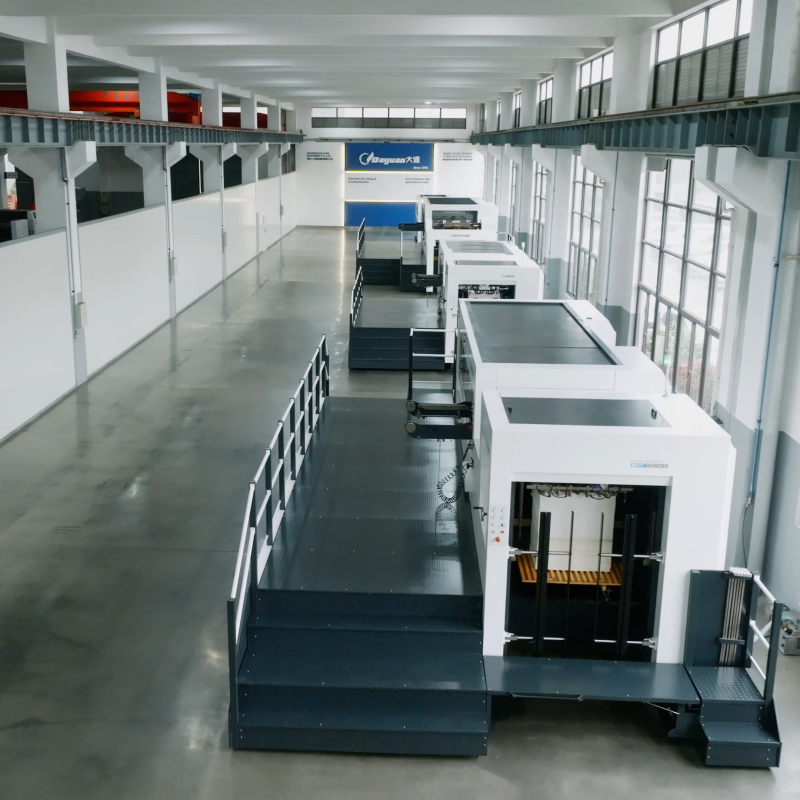
The remarkable versatility embedded within a large die cutter positions it as an invaluable asset for manufacturers serving diverse industries or companies seeking to expand their service offerings without substantial capital investments in specialized equipment for each material type. This adaptability manifests through the machine's ability to effectively process an extensive range of materials spanning multiple density levels, thickness variations, and physical characteristics that would ordinarily require completely different cutting technologies. Paper and cardboard products, from lightweight sheets to heavy corrugated materials, cut cleanly and precisely, making the large die cutter essential for packaging manufacturers, printing companies, and display producers who create everything from retail boxes to point-of-purchase materials. Foam materials in various densities, whether soft cushioning foam or rigid structural varieties, respond beautifully to die cutting processes, enabling furniture manufacturers, packaging specialists, and automotive suppliers to produce precisely shaped components, protective inserts, and gasket materials with clean edges and exact dimensions. Rubber and elastomeric materials, notoriously challenging to cut with blade-based systems, process efficiently under the controlled pressure of a large die cutter, serving industries manufacturing seals, gaskets, flooring components, and industrial parts requiring durability and dimensional accuracy. Plastic films, sheets, and rigid plastics across the hardness spectrum accommodate die cutting operations when paired with appropriately designed tooling, supporting electronics manufacturers, medical device producers, and consumer goods companies in creating components, covers, and intricate parts. Textile and leather materials benefit from the clean cutting action that prevents fraying and material distortion, making the large die cutter indispensable for footwear manufacturers, upholstery producers, and fashion industry suppliers who demand precise pattern cutting and consistent results across production runs. This multi-material capability means manufacturers diversify their service portfolio, respond to varied customer requirements, and pursue opportunities across industrial sectors without the prohibitive expense of maintaining separate specialized cutting systems for each material category, ultimately maximizing equipment return on investment while building comprehensive manufacturing capabilities that differentiate them from competitors limited by single-purpose machinery.
 EN
EN