Versatile Material Processing Capabilities for Diverse Applications
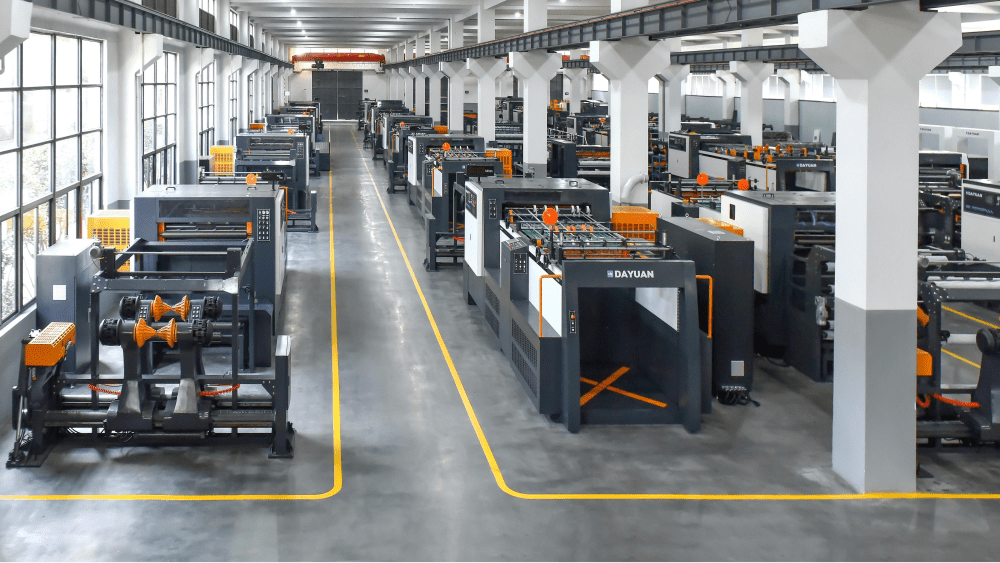
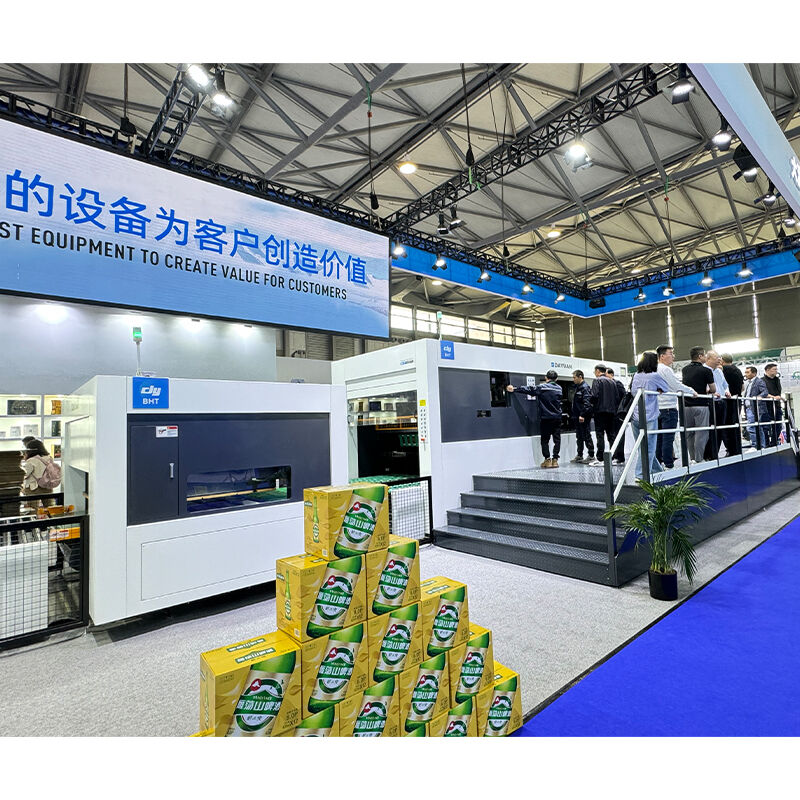
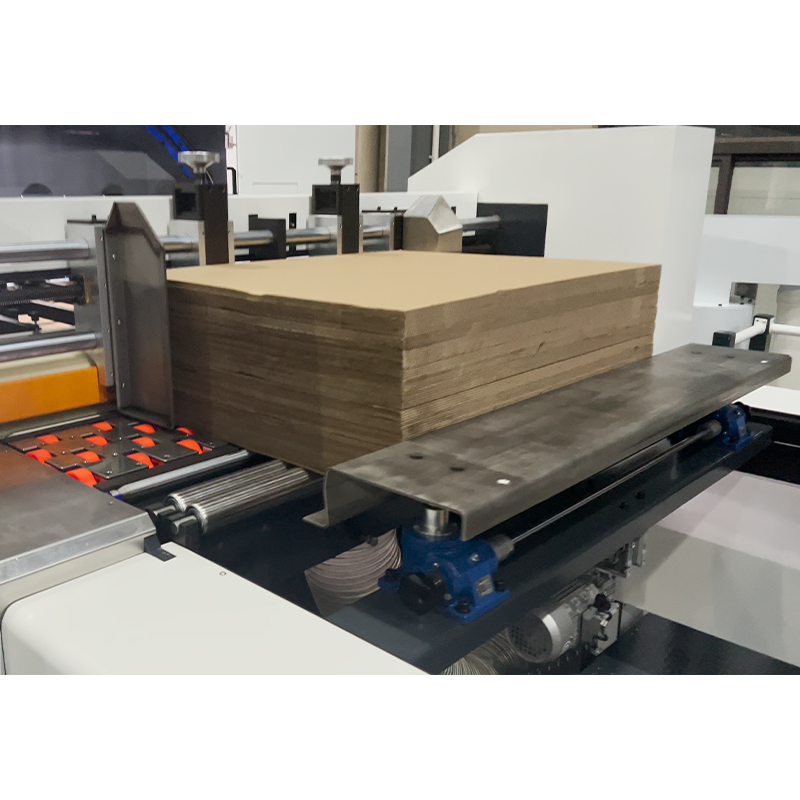
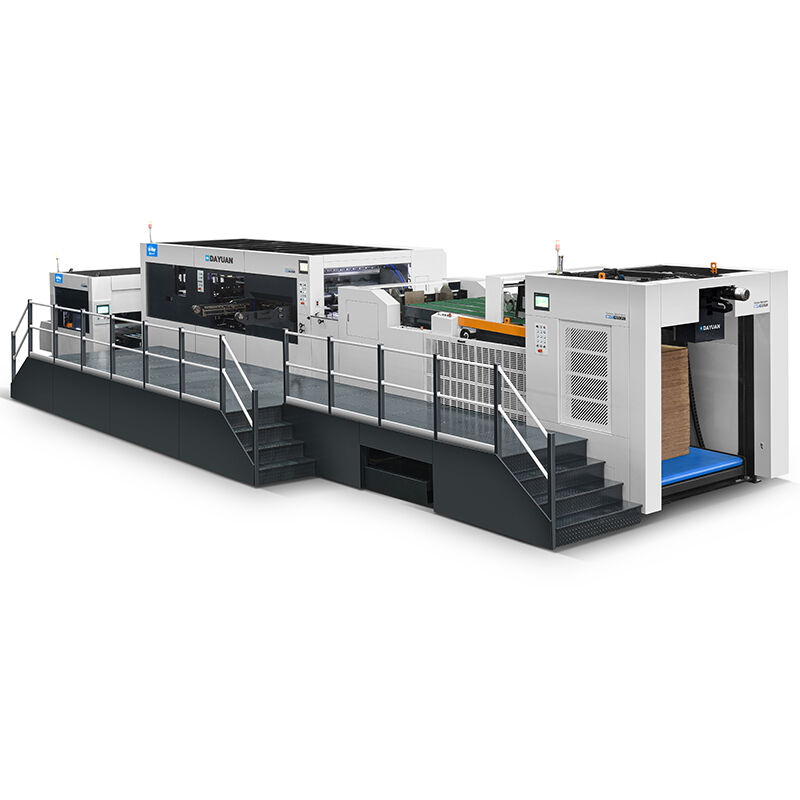
The die cutter press machine demonstrates remarkable versatility in handling an extensive range of materials, each with distinct characteristics requiring adapted processing approaches. This adaptability eliminates the need for specialized cutting equipment dedicated to single material types, consolidating your capital investment while expanding the breadth of projects your business can confidently undertake. Paper and paperboard products represent the most common substrates processed by die cutter press machines, from lightweight label stock to heavy corrugated sheets used in shipping containers. The machine effortlessly adjusts cutting pressure to accommodate these density variations, cleanly severing fibers without crushing or tearing edges. Plastic materials including PET, polypropylene, and vinyl sheets respond equally well to die cutting processes, with the die cutter press machine providing the controlled force necessary to achieve clean breaks without stress-whitening or cracking that compromises appearance. Foam materials of varying densities find extensive processing applications, from packaging inserts protecting fragile electronics to gaskets and seals used in automotive assemblies. The die cutter press machine compresses and cuts these compressible substrates without excessive deformation, maintaining dimensional accuracy essential for proper fit and function. Rubber sheets and elastomeric materials benefit from the shearing action that die cutting provides, creating smooth edges superior to those achieved through alternative cutting methods. Fabric and textile processing represents another application area where die cutter press machines excel, cutting multiple layers simultaneously while preventing material shifting that creates misaligned pieces. Leather goods manufacturers utilize these machines for producing consistent components used in accessories, upholstery, and footwear, appreciating the clean edges that reduce finishing labor. Thin metal sheets and metallic foils respond well to specialized dies designed for harder materials, with the die cutter press machine providing sufficient force for clean cutting without requiring the extreme pressures associated with conventional metal fabrication equipment. Magnetic materials, adhesive-backed products, and laminated constructions all process successfully, demonstrating the true versatility that makes a die cutter press machine valuable across numerous industries. The ability to quickly change dies transforms a single die cutter press machine into a multi-purpose production tool capable of switching between completely different projects within minutes. This flexibility proves particularly valuable for businesses serving diverse customer bases or those operating in dynamic markets where product requirements evolve rapidly. Custom die creation allows the die cutter press machine to produce virtually any shape imaginable, from simple geometric forms to complex organic contours featuring intricate internal cutouts and precise scoring lines that facilitate folding operations. The economic advantages of this versatility extend beyond equipment consolidation, as businesses can pursue new market opportunities without substantial additional capital investment, simply by acquiring appropriate dies for emerging applications while leveraging existing die cutter press machine capabilities.
 EN
EN