Die Punching Machine - Precision Manufacturing Equipment for Industrial Production

+86-577-58918888
All Categories

die punching machine

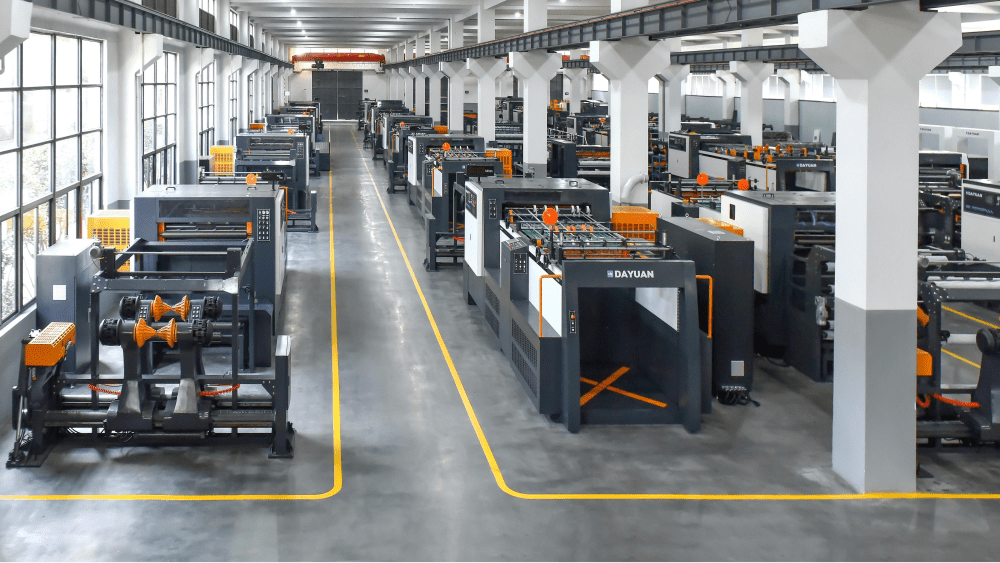
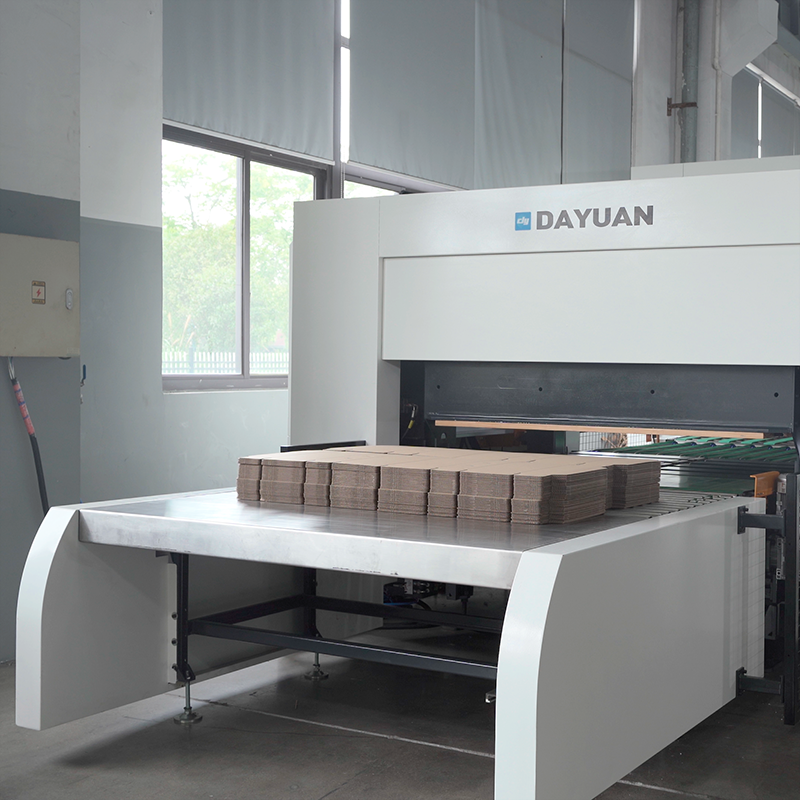
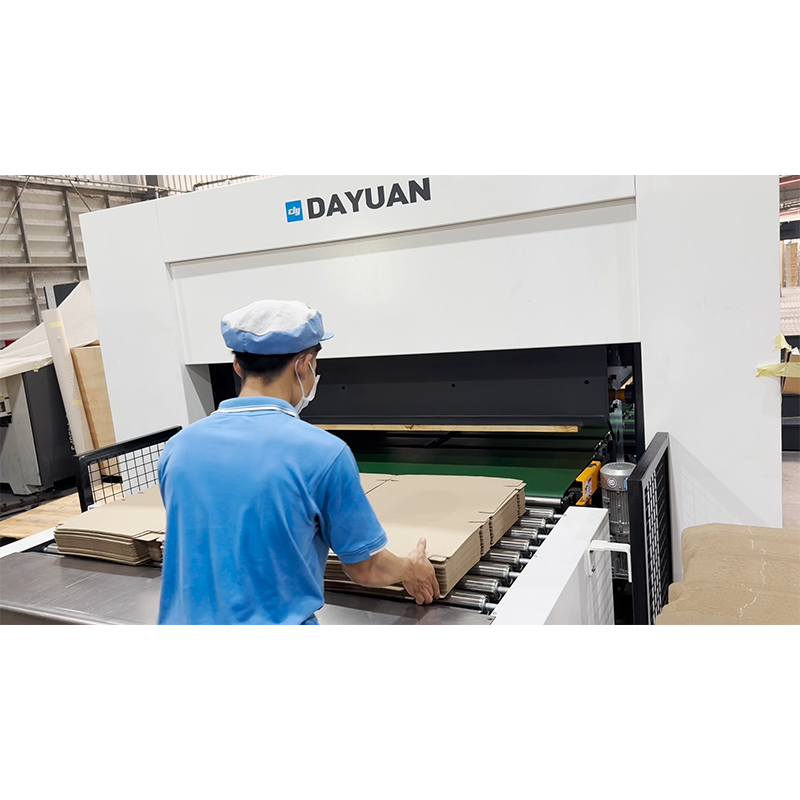
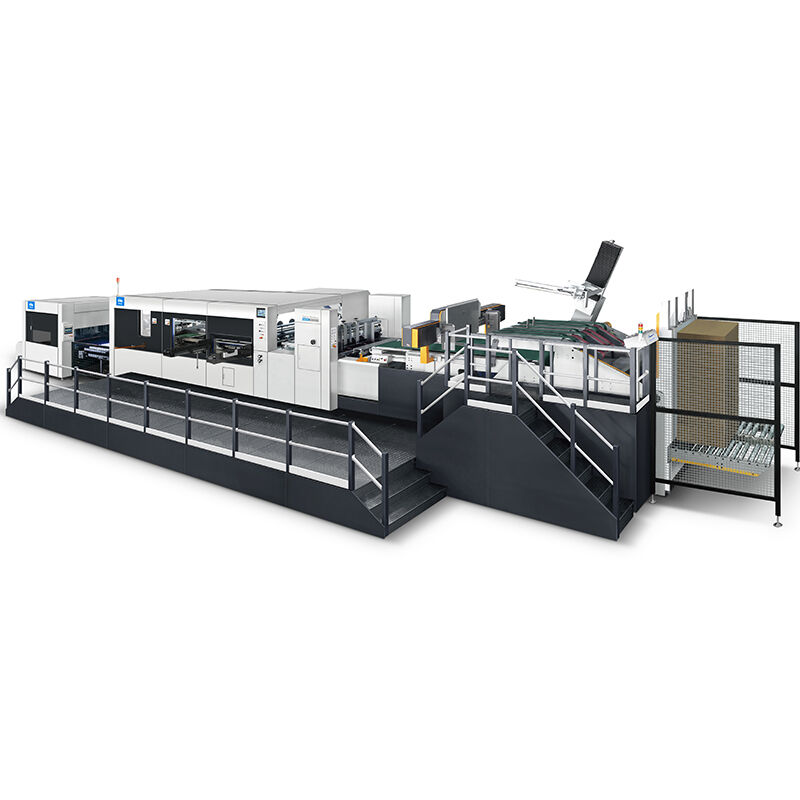
A die punching machine represents a sophisticated piece of industrial equipment designed to cut, shape, and form materials with remarkable precision and consistency. This manufacturing powerhouse operates through a controlled pressing mechanism that drives specially designed dies through various materials, creating clean cuts and specific shapes according to predetermined specifications. The die punching machine has become an indispensable tool across numerous manufacturing sectors, from automotive components to consumer electronics, packaging industries to metal fabrication workshops. At its core, the machine functions by utilizing hydraulic, mechanical, or servo-driven systems to generate the force necessary for punching operations. The technological features of modern die punching machines include programmable control systems that allow operators to set exact parameters for each job, ensuring repeatability and accuracy across production runs. Advanced models incorporate computerized numerical control systems, enabling complex punching patterns and sequences without manual intervention. These machines accommodate various die sets, making them versatile for different production requirements. The press bed provides a stable foundation while the ram delivers consistent downward force, measured in tons, to execute the punching operation. Safety features such as light curtains, emergency stops, and two-hand controls protect operators during operation. The applications of die punching machines span multiple industries: in automotive manufacturing, they produce brackets, panels, and structural components; in electronics, they create precise housings and heat sinks; in packaging, they cut custom boxes and display materials; in construction, they fabricate ventilation grilles and mounting plates. The machine's ability to handle materials ranging from thin films to thick metal plates makes it exceptionally adaptable. Modern die punching machines also feature quick die-change systems, reducing downtime between production runs and maximizing operational efficiency. Temperature control systems prevent overheating during extended operations, while lubrication systems maintain smooth mechanical function throughout demanding production schedules.

Popular Products

Investing in a die punching machine delivers substantial benefits that directly impact your production capabilities and bottom line. First and foremost, these machines dramatically increase production speed compared to manual cutting methods, allowing your facility to complete orders faster and accept more projects without expanding your workforce. A single operator can manage the entire punching process, monitoring quality while the machine handles the repetitive physical work, which means you reduce labor costs while simultaneously improving output consistency. The precision offered by die punching machines eliminates the material waste that typically occurs with less accurate cutting methods. Every punch creates an identical piece, ensuring that your materials are used efficiently and your scrap rates drop significantly. This precision also means fewer rejected parts, saving both materials and the time spent on rework. The consistency achieved through automated die punching builds customer confidence in your products, as they receive the same high quality with every order. Versatility stands as another major advantage, since the same machine handles different materials and thicknesses by simply changing the die set and adjusting pressure settings. Whether you work with aluminum, steel, plastic, cardboard, or composite materials, a die punching machine adapts to your needs without requiring separate equipment purchases. This flexibility allows businesses to diversify their service offerings and explore new market opportunities without major capital investments. The repeatability of die punching machines ensures that whether you produce ten pieces or ten thousand, each item matches the specifications exactly. This reliability proves especially valuable for industries with strict quality standards or those producing components that must fit together precisely in assembly processes. Safety improvements represent another significant advantage, as modern die punching machines keep operators away from the cutting action through guarding systems and automated material handling. Employees face fewer risks of cuts, strains, or repetitive motion injuries compared to manual cutting operations. The machines also reduce physical fatigue, allowing workers to remain productive throughout their shifts while maintaining focus on quality control rather than exhausting themselves with manual labor. Maintenance requirements remain minimal when you follow recommended service schedules, and the robust construction of industrial die punching machines ensures years of reliable operation. The return on investment becomes apparent quickly as production volumes increase, quality improves, and operational costs decrease, making these machines a smart choice for businesses focused on growth and competitiveness.

Practical Tips

What Should You Look for When Selecting a Paper Cutter Machine for Various Paper Types and Thicknesses?

17

Jan

What Should You Look for When Selecting a Paper Cutter Machine for Various Paper Types and Thicknesses?

Selecting the right paper cutter machine for your business operations requires careful consideration of multiple factors that directly impact productivity, quality, and cost-effectiveness. Whether you're operating a commercial printing facility, pack...
View More
How to Maintain the Blade and Calibration of Your Paper Cutter Machine for Safe Operation?

22

Jan

How to Maintain the Blade and Calibration of Your Paper Cutter Machine for Safe Operation?

Maintaining your paper cutter machine is essential for ensuring consistent performance, operator safety, and product longevity. Regular maintenance of both the cutting blade and calibration system prevents costly repairs while maximizing productivity...
View More
How Does a 98,000㎡ Manufacturing Facility Ensure the Reliability of Paper Cutter Machines?

18

Mar

How Does a 98,000㎡ Manufacturing Facility Ensure the Reliability of Paper Cutter Machines?

Manufacturing excellence in the paper processing industry requires precise equipment and rigorous quality control measures. Large-scale production facilities spanning 98,000 square meters face unique challenges when ensuring the reliability of paper ...
View More
Why Should Your Paper Die Cutting Machine Be Part of an Intelligent Production Line for Smart Manufacturing?

02

Apr

Why Should Your Paper Die Cutting Machine Be Part of an Intelligent Production Line for Smart Manufacturing?

Modern manufacturing demands more than isolated equipment operating independently. The question of why your paper die cutting machine should integrate into an intelligent production line reflects a fundamental shift toward smart manufacturing paradig...
View More

Get a Free Quote

Our representative will contact you soon.
Email
Name
Company Name
Required Product
Message
0/1000

die punching machine

Exceptional Speed and Efficiency Transform Production Capacity

Exceptional Speed and Efficiency Transform Production Capacity

The remarkable speed at which a die punching machine operates fundamentally changes what manufacturers can achieve within standard working hours. Traditional cutting methods require significant manual effort, with operators measuring, marking, and cutting each piece individually, a process that introduces variables and consumes valuable time. A die punching machine eliminates these bottlenecks by executing cuts in seconds rather than minutes. Once the die is set and the machine programmed, production proceeds at a consistent rapid pace limited only by material feed rates and cooling requirements. This acceleration proves especially valuable during peak seasons or when fulfilling urgent orders, as production schedules compress without sacrificing quality standards. The efficiency gains extend beyond raw speed to encompass the entire workflow. Operators spend minimal time on setup after the initial die installation and parameter configuration, and changeovers between different jobs happen quickly with modern quick-change die systems. The machine maintains its pace hour after hour without the performance degradation that affects manual workers as fatigue sets in. This consistency means production planners can accurately forecast completion times and commit to delivery schedules with confidence. The die punching machine also enables lights-out manufacturing in facilities with appropriate automation, where production continues during off-shifts with minimal supervision, effectively extending productive hours without proportionally increasing labor costs. Energy efficiency has improved dramatically in recent generations of die punching machines, with servo-driven models consuming power only during actual punching operations rather than maintaining constant hydraulic pressure. This intelligent energy management reduces operating costs while supporting corporate sustainability initiatives. The speed advantage translates directly to competitive positioning, allowing manufacturers to quote shorter lead times than competitors using slower methods, winning contracts based on delivery capabilities. For businesses experiencing growth, a die punching machine scales production capacity without requiring proportional increases in floor space or workforce, accommodating higher volumes within existing facilities and providing a foundation for sustainable expansion.
Unmatched Precision Delivers Quality and Reduces Waste

Unmatched Precision Delivers Quality and Reduces Waste

Precision manufacturing demands equipment that delivers exact results consistently, and the die punching machine excels in this critical area. The mechanical advantage created by the press mechanism ensures that each punching operation applies force uniformly across the die surface, producing clean edges and accurate dimensions with every cycle. Unlike manual cutting where human variables affect outcomes, the die punching machine repeats the same motion with mechanical consistency, eliminating the slight variations that accumulate into quality problems across large production runs. This precision begins with the die itself, which manufacturers create to exacting specifications using advanced machining techniques. When installed in the die punching machine, this precision tooling combines with the controlled force application to reproduce the die shape perfectly in the workpiece material. Tolerances measured in thousandths of an inch become achievable and repeatable, meeting the demands of industries where components must fit together precisely or where dimensional accuracy affects product performance. The precision of die punching machines directly impacts material utilization, as accurate cuts mean less excess material around each part and tighter nesting patterns when laying out multiple parts on sheet stock. This efficiency reduces raw material costs per finished piece, an advantage that compounds across thousands of units. Scrap rates drop because parts meet specifications the first time, eliminating the material waste and labor cost associated with producing replacement pieces for rejected items. Quality control becomes simpler when using a die punching machine, as operators verify that the machine maintains proper settings rather than inspecting each piece for cutting accuracy. Statistical process control methods work effectively because the machine-controlled process exhibits minimal variation, allowing quality teams to identify genuine issues rather than sorting through normal manual process variation. Precision also enables manufacturers to work with thinner materials or tighter design margins, reducing product weight and material costs while maintaining structural requirements. In applications where punched parts undergo secondary operations like bending, welding, or assembly, the dimensional accuracy from die punching ensures these subsequent processes proceed smoothly without adjustment or rework. Customer satisfaction improves when products demonstrate consistent quality, building reputation and encouraging repeat business in competitive markets where quality differentiates successful suppliers from struggling ones.
Versatile Capabilities Support Diverse Manufacturing Needs

Versatile Capabilities Support Diverse Manufacturing Needs

Manufacturing environments constantly evolve with changing customer requirements, new materials, and emerging applications, demanding equipment that adapts rather than constrains production possibilities. The die punching machine answers this need through remarkable versatility that allows a single piece of equipment to handle diverse tasks across different projects and industries. Material compatibility spans an impressive range, from soft materials like rubber, foam, and cardboard to challenging metals including stainless steel, aluminum alloys, and hardened tool steel. This broad capability means manufacturers can accept projects involving various materials without investing in specialized equipment for each material type. The die punching machine accommodates different material thicknesses by adjusting the press force and selecting appropriate dies, handling delicate thin films that require gentle precision as well as thick plates demanding substantial tonnage. This thickness range provides flexibility to serve multiple market segments or adapt as customer needs shift toward different specifications. Die change capabilities enable rapid transitions between different part geometries, supporting job shop environments where production schedules include numerous different components rather than long runs of identical parts. Modern quick-change systems reduce changeover time from hours to minutes, maintaining productivity even when producing small batches of varied parts. The tonnage ratings available across different die punching machine models ensure appropriate force for any application, from light-duty machines for electronics work to heavy industrial presses for structural components. Manufacturers select machines matching their typical requirements while maintaining capability for occasional demanding projects. Programmable controls add another versatility dimension, allowing operators to store parameters for frequently produced parts and recall them instantly, ensuring consistency when returning to previous jobs after weeks or months. Some die punching machines accept various die types, including single-station dies for simple shapes, compound dies that perform multiple operations simultaneously, and progressive dies that execute a sequence of operations as material advances through the press. This die variety enables manufacturers to optimize their process for efficiency based on production volume and part complexity. The versatility extends to integration possibilities, as die punching machines work within automated production lines, accepting material from upstream processes and delivering finished parts to downstream operations without manual handling. This integration capability supports lean manufacturing initiatives and just-in-time production strategies. The adaptable nature of die punching machines protects manufacturing investments, ensuring equipment remains productive even as product lines evolve and market demands change, providing long-term value rather than becoming obsolete as business directions shift.

Get a Free Quote

Our representative will contact you soon.
Email
Name
Company Name
Required Product
Message
0/1000