Exceptional Versatility Across Materials and Applications
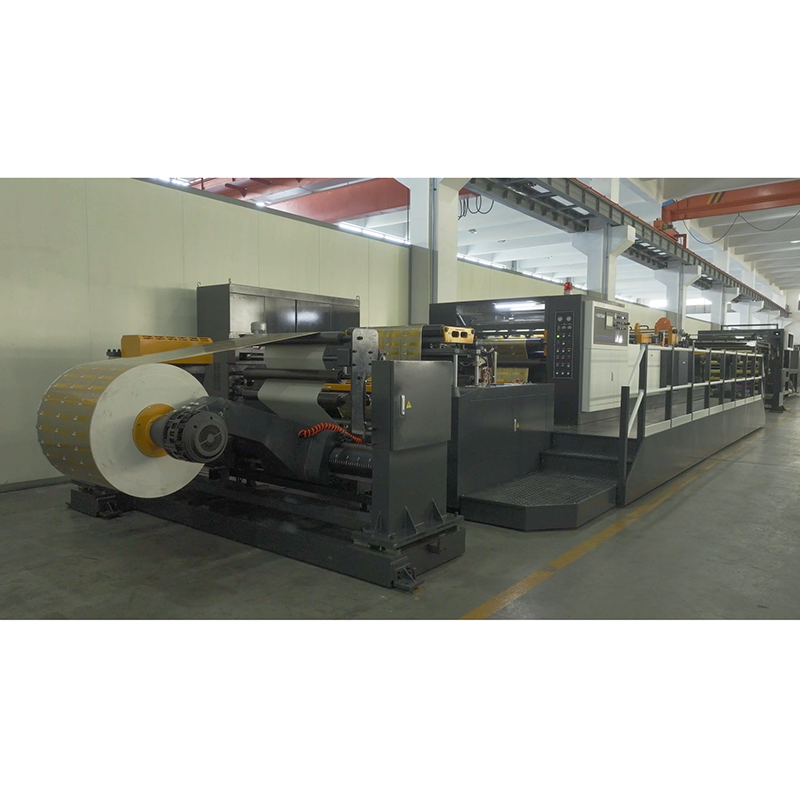
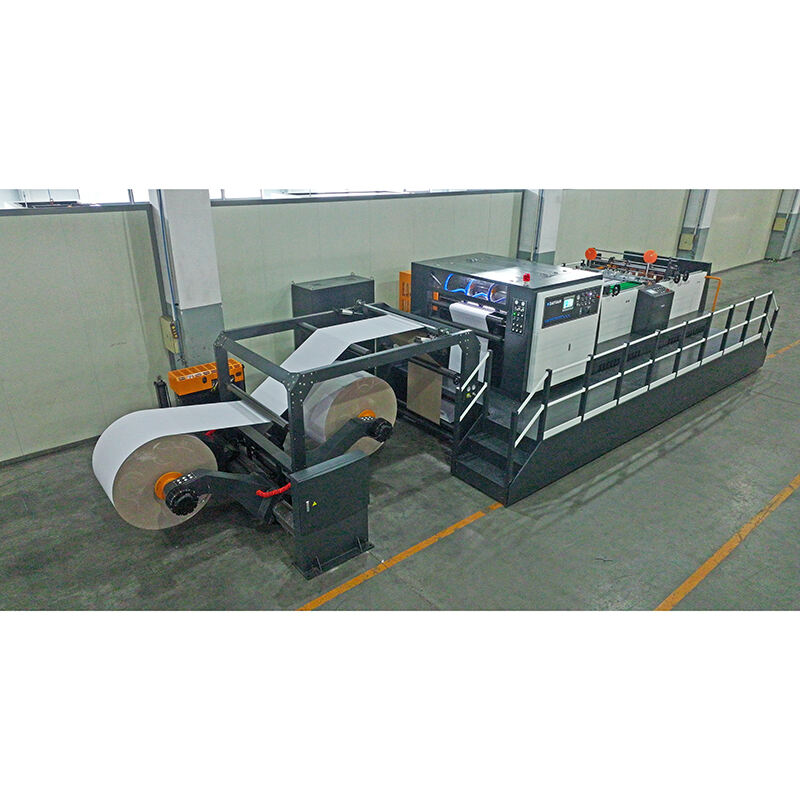
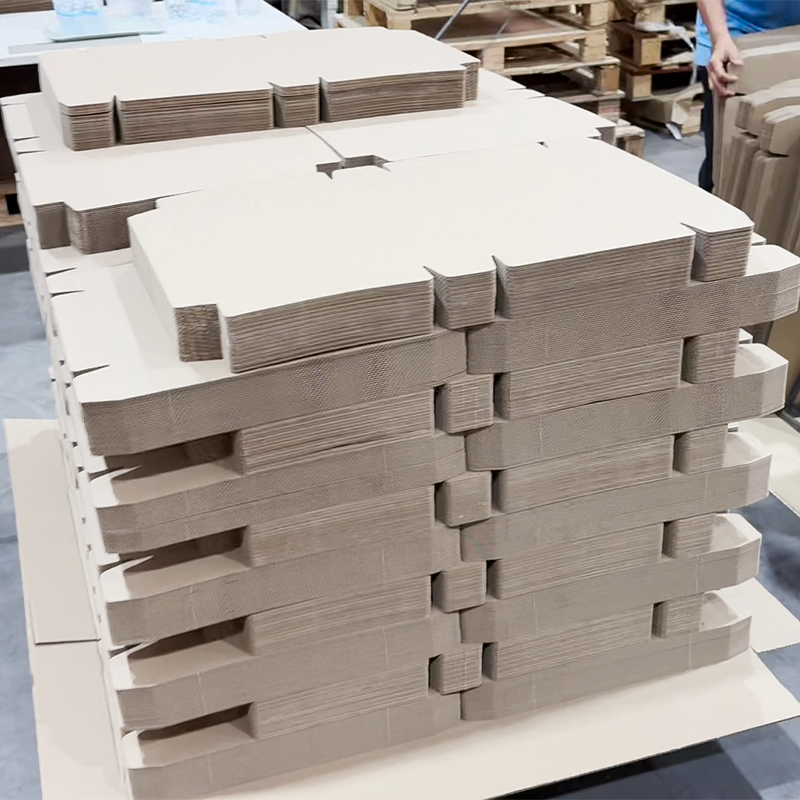
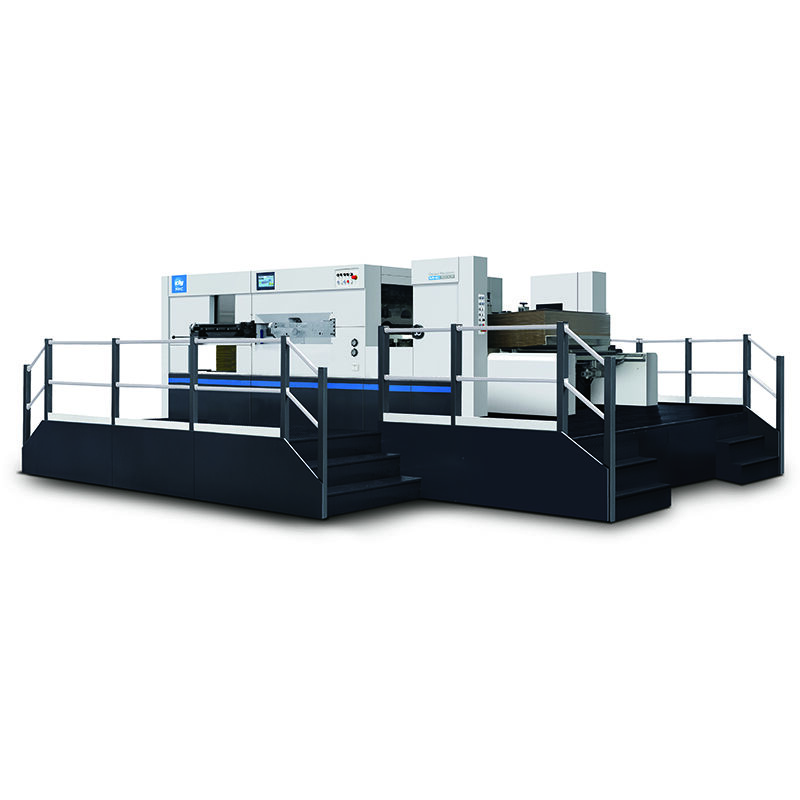
The remarkable versatility of the die cutting press machine positions it as a multi-purpose solution that adapts to evolving business needs and diverse product portfolios. Unlike specialized equipment limited to narrow applications, these machines accommodate an impressive range of materials with different properties and thicknesses. Paper products ranging from tissue-thin sheets to heavy cardboard process smoothly through appropriate die cutting systems. The same machine that creates delicate greeting card embellishments can cut sturdy corrugated shipping boxes with simple die changes. This material flexibility extends to plastics, where everything from thin films to rigid sheets can be precisely cut and formed. Foam materials of varying densities, whether open-cell or closed-cell structures, respond well to die cutting processes, making these machines essential in upholstery, cushioning, and insulation industries. Rubber compounds, both natural and synthetic, cut cleanly without tearing or stretching, which proves critical for gasket and seal manufacturing. Fabric and textile cutting benefits from the clean edges and minimal fraying achieved through proper die cutting techniques, supporting applications in apparel, home goods, and technical textiles. Even thin metals and composite materials can be processed on appropriately configured die cutting press machines, expanding possibilities into automotive, aerospace, and electronics sectors. The versatility extends beyond material types to include operational capabilities. A single die cutting press machine can perform cutting, creasing, embossing, perforating, and kiss-cutting operations. This multi-functionality eliminates bottlenecks in production flows where different processes previously required separate equipment and handling. Changeover between products and materials occurs quickly with modern die cutting systems. Magnetic die mounting, quick-release clamps, and automated setup adjustments reduce downtime to minutes rather than hours. This agility allows economical short-run production and custom orders that would be impractical with less flexible equipment. The ability to prototype new products on production equipment rather than separate development systems accelerates time-to-market. Design modifications can be tested and validated using the same die cutting press machine that will handle full-scale manufacturing. Businesses serving multiple industries or offering diverse product lines find particular value in this versatility. A single equipment investment supports various revenue streams without requiring duplicate machinery for each application. As market demands shift and new opportunities emerge, the die cutting press machine adapts through die changes rather than requiring entirely new capital investments.
 EN
EN