Heavy Duty Die Cutter: Industrial Precision Cutting Equipment for Manufacturing Excellence

+86-577-58918888
All Categories

heavy duty die cutter

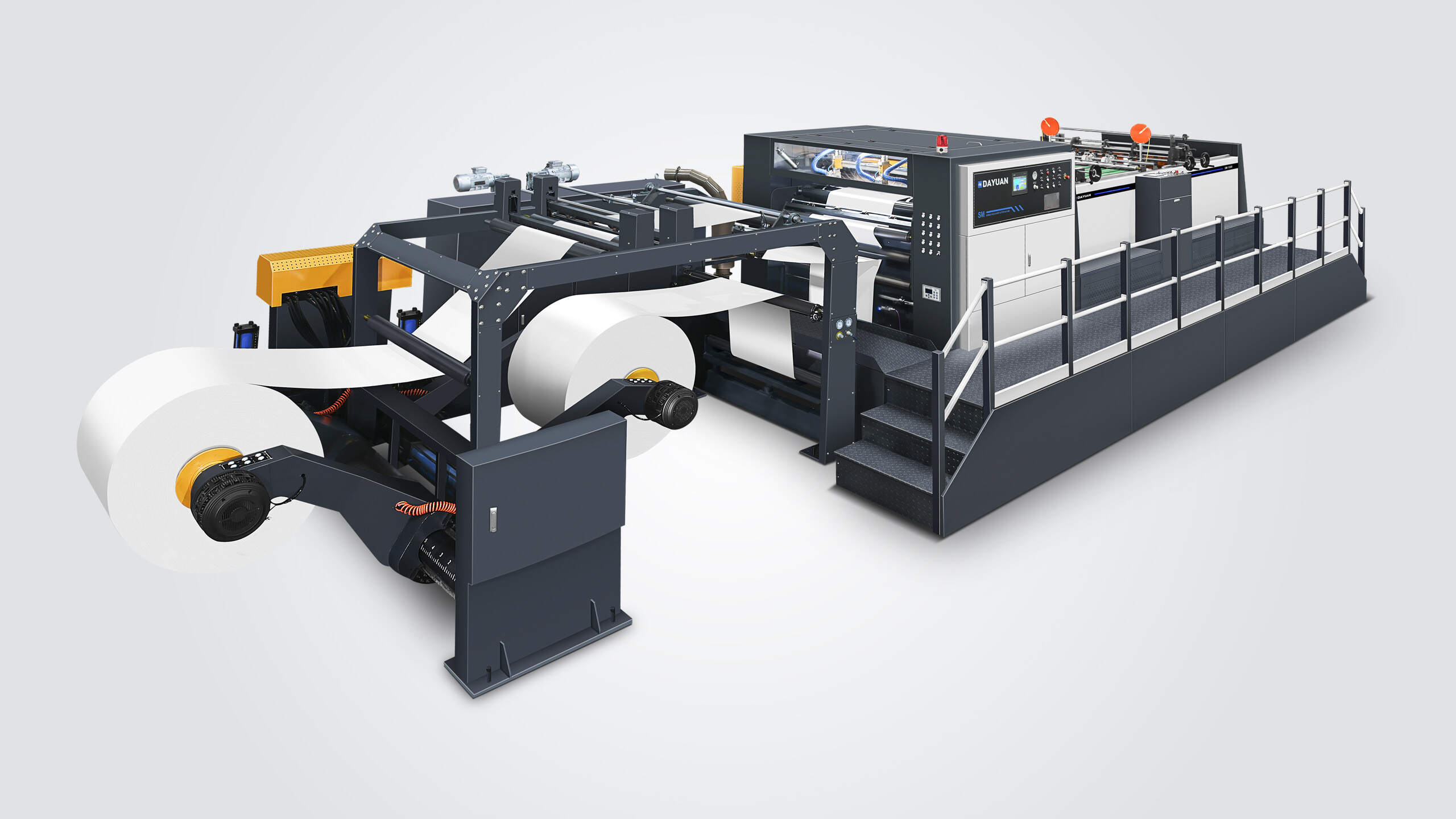
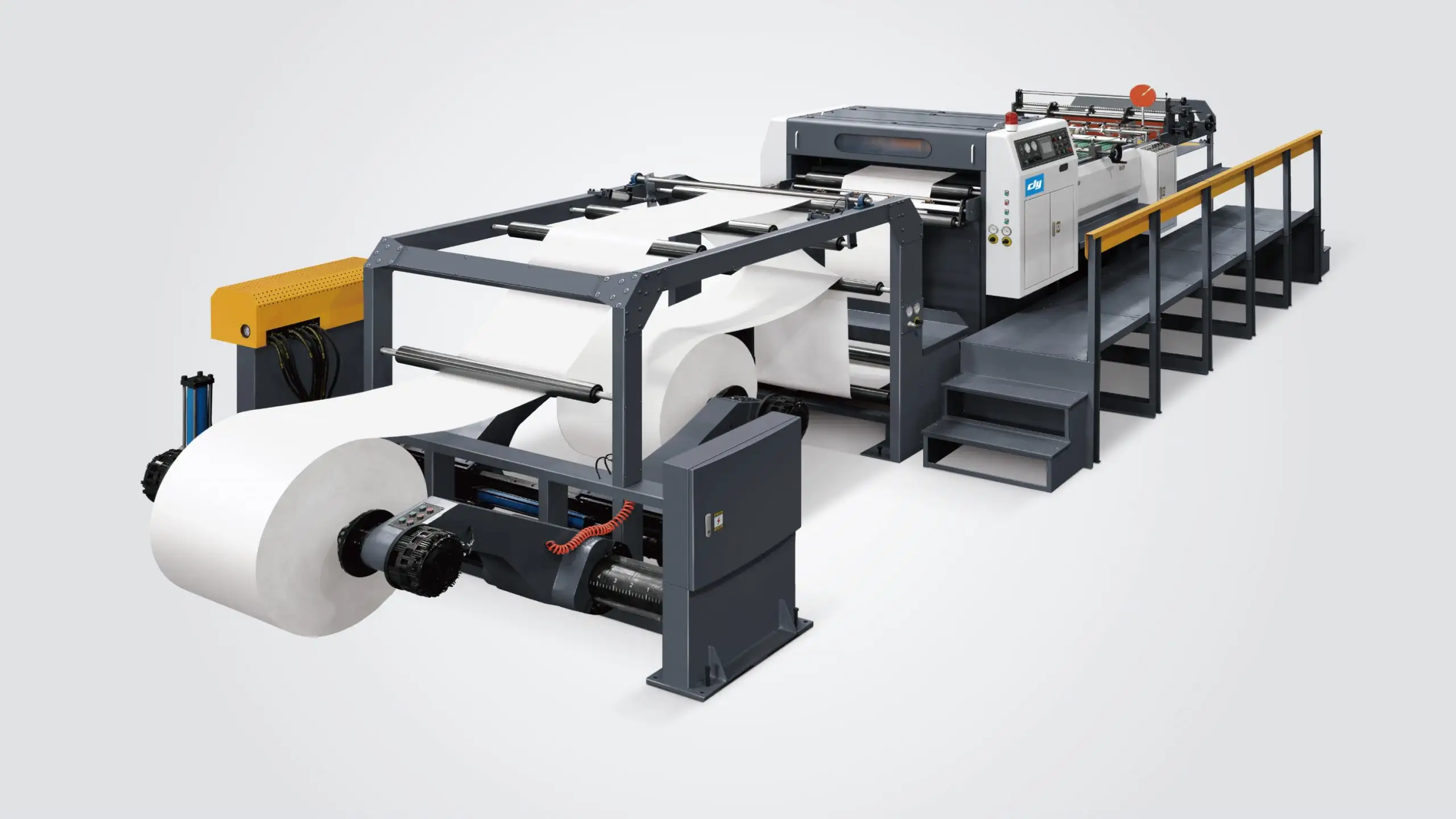
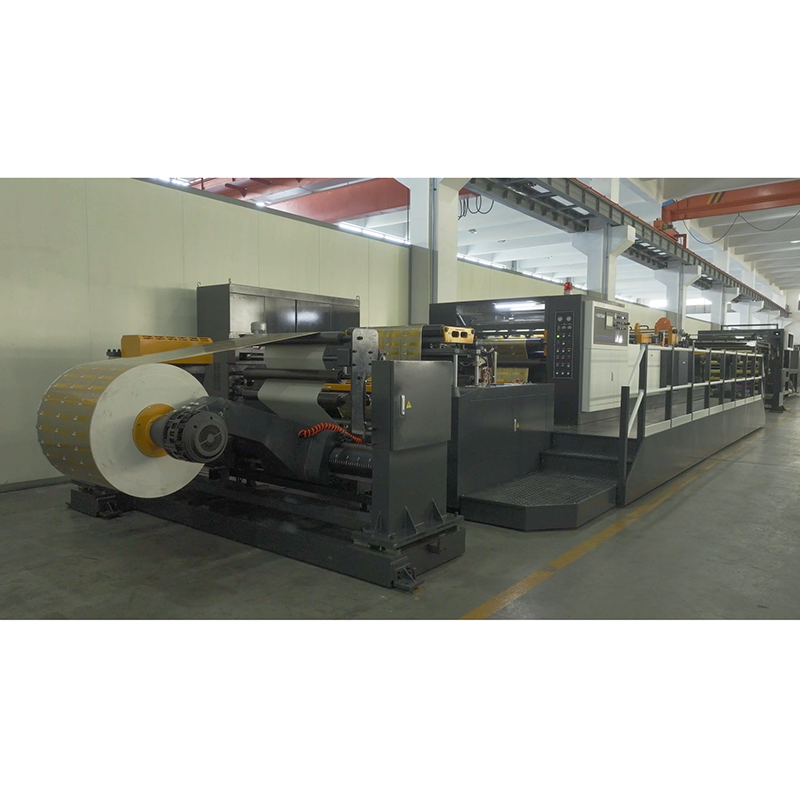
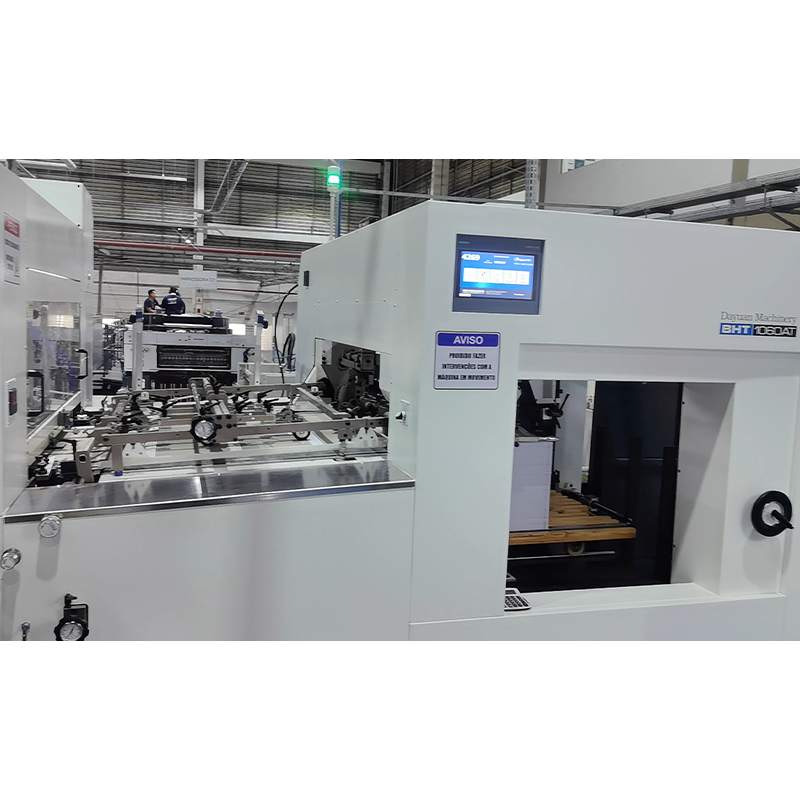
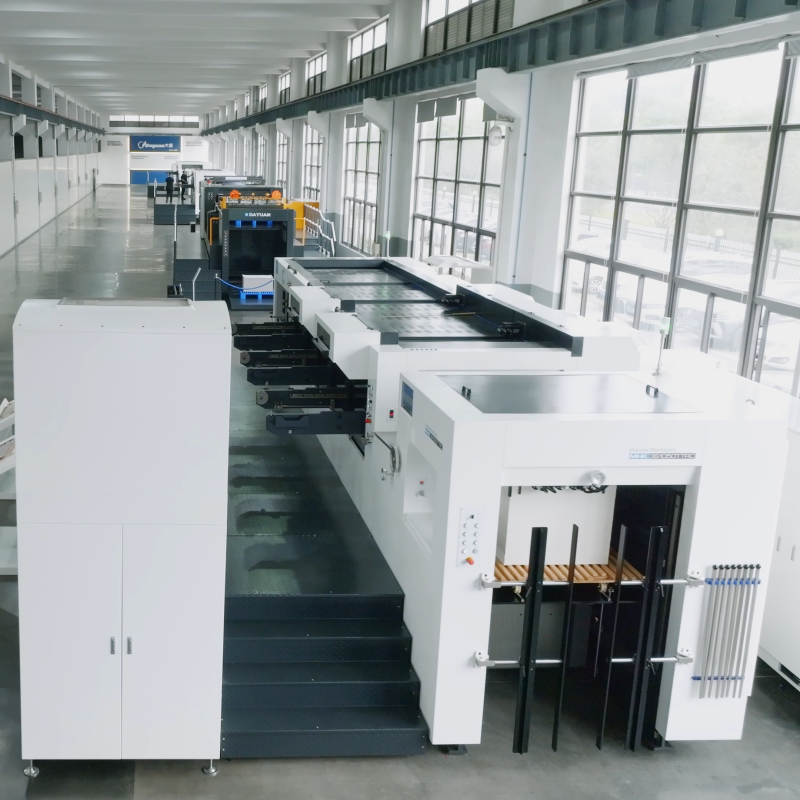
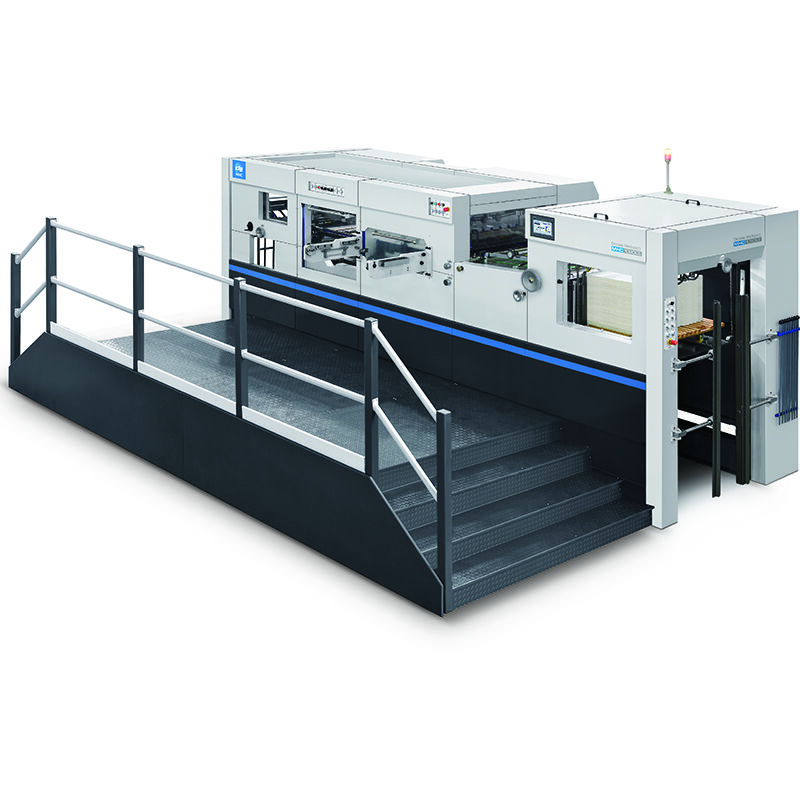
The heavy duty die cutter represents a powerful manufacturing solution designed to handle demanding cutting applications across diverse industrial sectors. This robust equipment transforms raw materials into precision-cut components through mechanical force and specialized cutting dies. At its core, the heavy duty die cutter operates by pressing sharp steel rule dies or solid steel cutting tools against materials with substantial pressure, creating clean cuts in shapes ranging from simple geometric forms to intricate custom designs. The machine's primary functions encompass cutting, creasing, perforating, and embossing various substrates with exceptional accuracy and repeatability. Technological features distinguish modern heavy duty die cutter models from standard cutting equipment. These machines incorporate reinforced steel frames that withstand continuous high-pressure operations without structural degradation. Advanced hydraulic or pneumatic systems generate the immense force required to cut through thick materials, while precision alignment mechanisms ensure consistent registration across production runs. Many contemporary models integrate computerized controls that allow operators to adjust cutting pressure, speed, and positioning with digital precision. Safety features including light curtains, emergency stop mechanisms, and protective guards protect workers during operation. The versatility of applications makes the heavy duty die cutter indispensable across multiple industries. Packaging manufacturers rely on these machines to create custom boxes, cartons, and protective inserts from corrugated cardboard and paperboard. Textile producers use them to cut fabric, leather, and synthetic materials for apparel and upholstery production. Automotive suppliers employ heavy duty die cutter equipment to fabricate gaskets, seals, and interior components from rubber and foam materials. Print finishing operations depend on these machines for creating folding cartons, labels, and promotional materials. The electronics industry utilizes them for cutting insulating materials, flexible circuits, and protective films. Construction material manufacturers cut roofing membranes, insulation panels, and flooring components. This wide-ranging applicability stems from the equipment's ability to process materials of varying thicknesses and densities while maintaining production efficiency and quality standards that meet rigorous industry requirements.

New Product Recommendations

Investing in a heavy duty die cutter delivers tangible operational benefits that directly impact your production capabilities and financial performance. First and foremost, this equipment dramatically increases your manufacturing speed compared to manual cutting methods or lighter machinery. You can process hundreds or thousands of pieces per hour, transforming what once took days into work completed within hours. This acceleration means you fulfill orders faster, satisfy customers more effectively, and take on larger contracts that were previously impossible to complete within required timeframes. The consistency this machine provides eliminates the variation inherent in human-operated processes. Every cut matches the previous one with microscopic precision, ensuring your products meet exact specifications every single time. This reliability reduces waste significantly because you no longer discard pieces that fail to meet quality standards due to cutting errors. Your material costs decrease while your usable output increases, directly improving profit margins on every production run. The heavy duty die cutter adapts to your changing business needs without requiring new equipment purchases. When you need to produce different shapes or work with alternative materials, you simply change the cutting die rather than investing in entirely new machinery. This flexibility protects your capital investment while allowing you to respond quickly to market opportunities and customer requests. You can diversify your product offerings without corresponding increases in equipment expenditure. Operator safety improves substantially when workers use properly designed heavy duty die cutter equipment instead of hand tools or improvised cutting methods. Automated feeding systems and protective barriers keep hands away from cutting zones, while emergency stops provide instant shutdown capability. Reduced workplace injuries mean lower insurance costs, fewer lost workdays, and improved employee morale. Your team works with confidence knowing their equipment prioritizes their wellbeing. The durability built into heavy duty die cutter construction translates to years of reliable service with minimal maintenance requirements. Quality machines withstand the repetitive stress of continuous operation without frequent breakdowns that halt production and require expensive repairs. This dependability means you schedule maintenance during planned downtime rather than scrambling to fix unexpected failures that disrupt customer commitments. Your production planning becomes more predictable and your reputation for reliability strengthens. Energy efficiency in modern designs reduces operating costs compared to older equipment. Optimized hydraulic systems and power management features consume electricity only during actual cutting operations rather than maintaining constant power draw. These savings accumulate substantially over months and years of operation, offsetting initial equipment investment while supporting environmental sustainability goals that increasingly matter to customers and regulatory bodies.

Tips And Tricks

Why Is a Paper Cutter Machine a Vital Tool for Achieving Clean Edges in Print and Publishing Work?

20

Jan

Why Is a Paper Cutter Machine a Vital Tool for Achieving Clean Edges in Print and Publishing Work?

In the high-stakes world of professional print and publishing, the difference between good and exceptional often lies in the details unseen by the untrained eye. Among these, the precision of a clean, sharp edge is paramount. It is the final signatur...
View More
How Does a High-Precision Paper Cutter Machine Ensure Perfect Edge Quality for Fine Printing?

10

Feb

How Does a High-Precision Paper Cutter Machine Ensure Perfect Edge Quality for Fine Printing?

In the demanding world of fine printing and commercial printing operations, achieving consistently perfect edge quality remains one of the most critical challenges facing print professionals. The difference between an acceptable print job and an exce...
View More
Why Does Regular Blade Maintenance and Calibration Matter for Your Paper Cutter Machine's Performance?

10

Feb

Why Does Regular Blade Maintenance and Calibration Matter for Your Paper Cutter Machine's Performance?

Industrial printing operations depend heavily on precision cutting equipment to maintain quality standards and operational efficiency. A well-maintained paper cutter machine represents the cornerstone of any successful commercial printing facility, w...
View More
How to Select the Right Paper Die Cutting Machine for Your Specific Cardboard or Carton Production?

10

Feb

How to Select the Right Paper Die Cutting Machine for Your Specific Cardboard or Carton Production?

Selecting the appropriate paper die cutting machine for cardboard and carton production requires careful consideration of multiple technical and operational factors. Modern packaging industries demand precision, efficiency, and versatility in their d...
View More

Get a Free Quote

Our representative will contact you soon.
Email
Name
Company Name
Required Product
Message
0/1000

heavy duty die cutter

Unmatched Cutting Power for Thick and Challenging Materials

Unmatched Cutting Power for Thick and Challenging Materials

The defining characteristic that sets a heavy duty die cutter apart from conventional cutting equipment lies in its extraordinary ability to slice through materials that would damage or defeat lighter machines. This capability stems from engineering decisions that prioritize raw power and structural integrity above all else. The foundation begins with a reinforced steel frame constructed from thick gauge metal that resists flexing and deformation even under maximum operational loads. This rigid structure ensures that cutting force transfers efficiently to the material rather than dissipating through frame movement or vibration. The power generation system, whether hydraulic or mechanical, delivers tremendous pressure measured in tons rather than pounds. Hydraulic models utilize industrial-grade pumps, cylinders, and valves that generate and control forces exceeding twenty tons on smaller machines and reaching hundreds of tons on large industrial heavy duty die cutter installations. This immense pressure enables the equipment to cut through materials up to several inches thick, including dense rubbers, multiple layers of fabric, thick corrugated cardboard, and rigid plastics that would be impossible to process with standard die cutting equipment. The practical implications for your business are substantial. You can accept orders involving challenging materials that competitors cannot handle, opening market segments previously closed to your operation. Manufacturing gaskets from thick industrial rubber becomes routine rather than problematic. Creating custom packaging from heavy-duty corrugated board proceeds efficiently instead of requiring multiple passes or alternative fabrication methods. Processing leather hides for automotive or furniture applications happens quickly despite the material's natural thickness variations and density. The heavy duty die cutter accomplishes these tasks while maintaining cut quality, with clean edges free from ragged tears or compression damage that occurs when insufficient force attempts to cut resistant materials. This cutting power also translates to production efficiency gains because the machine completes each cut in a single stroke. You avoid the time waste and quality inconsistencies associated with multiple-pass cutting approaches that some operations employ when their equipment lacks adequate force. Single-stroke cutting ensures perfect registration because the material does not shift between passes, and it extends die life because the cutting edges do not repeatedly stress the same material sections. Your operators appreciate the straightforward workflow, your maintenance team benefits from reduced wear on cutting dies, and your customers receive products with superior edge quality that reflects your commitment to manufacturing excellence.
Precision Control Systems for Consistent Quality Output

Precision Control Systems for Consistent Quality Output

Modern heavy duty die cutter equipment incorporates sophisticated control systems that bring digital precision to what was once purely mechanical operation. These technological advances fundamentally change how operators interact with the machine and the quality consistency achievable across production runs. At the heart of these systems lies computerized control interfaces that replace mechanical adjustments with digital inputs. Operators enter cutting parameters through touchscreen displays or control panels, specifying pressure levels, stroke depth, feed rates, and positioning coordinates with numerical precision. The heavy duty die cutter interprets these commands and executes them with repeatability that mechanical systems cannot match. Pressure sensors provide real-time feedback, ensuring the machine applies exactly the specified force regardless of material variations or environmental factors like temperature changes that affect hydraulic fluid viscosity. This closed-loop control maintains consistency that operators using manual pressure adjustments could never achieve. Position encoding systems track material location and cutting head movement with resolution measured in thousandths of an inch. These sensors enable automated registration systems that align materials precisely with cutting dies, compensating for material feed variations that would otherwise cause misaligned cuts. When producing multi-color printed pieces that require die cutting, this precision ensures perfect alignment between printed graphics and cut edges, eliminating the quality defects that result from registration errors. Advanced heavy duty die cutter models incorporate programmable logic controllers that manage complete production sequences automatically. Operators define workflows that include material feeding, cutting cycles, waste removal, and finished piece stacking. The machine executes these sequences consistently, reducing the skill level required for operation while improving output uniformity. New employees become productive quickly because they monitor automated processes rather than mastering complex manual techniques. Quality assurance benefits extend throughout your operation. Statistical process control features track production metrics, alerting operators when measurements drift outside acceptable tolerances. You detect potential problems before producing significant quantities of defective parts, minimizing waste and avoiding the customer dissatisfaction that accompanies defective deliveries. Documentation capabilities create production records that demonstrate quality compliance for customers requiring certified manufacturing processes. Maintenance management systems monitor machine performance, tracking cycle counts, force measurements, and operational parameters that indicate wear or developing problems. Predictive alerts notify maintenance personnel when components approach service intervals, enabling scheduled replacement during planned downtime rather than emergency repairs following unexpected failures. This proactive approach to heavy duty die cutter maintenance maximizes equipment availability while extending machine lifespan through timely component replacement before secondary damage occurs from worn parts.

Versatile Tooling Options That Expand Production Capabilities

Versatile Tooling Options That Expand Production Capabilities

The exceptional versatility of heavy duty die cutter equipment emerges from its ability to accommodate diverse tooling configurations that adapt the machine to virtually unlimited cutting applications. Unlike specialized equipment designed for single purposes, these machines function as platforms that transform their capabilities by changing cutting dies and supporting accessories. This flexibility delivers extraordinary value by consolidating multiple specialized machines into one adaptable system. Steel rule dies represent the most common tooling approach, consisting of razor-sharp steel blades bent to desired shapes and mounted in wooden or composite bases. The heavy duty die cutter presses these dies through materials, with the blade configuration determining the cut shape. Manufacturers create custom dies matching your exact specifications, enabling production of unique shapes that differentiate your products from competitors. Die fabrication costs represent modest investments compared to specialized cutting equipment, making it economically feasible to maintain extensive die libraries supporting diverse product lines. When your business needs change or customers request new designs, you commission new dies rather than purchasing new machinery. Solid steel cutting dies provide alternatives for applications requiring exceptional durability or extreme precision. These machined steel tools withstand millions of cutting cycles when processing abrasive materials that would quickly dull steel rule dies. The investment in solid tooling makes economic sense for high-volume production runs where die longevity directly affects per-unit manufacturing costs. Your heavy duty die cutter accommodates both tooling types without modification, allowing you to select optimal approaches for each application. Rotary die cutting attachments transform some heavy duty die cutter models into continuous processing systems. Materials feed continuously past cylindrical dies that cut as they rotate, dramatically increasing production speeds for appropriate applications. This capability suits high-volume operations producing simple shapes from flexible materials, such as label manufacturing or continuous gasket production. The ability to switch between flatbed and rotary operation provides production flexibility that optimizes efficiency across your complete product range. Embossing and debossing capabilities expand heavy duty die cutter functionality beyond simple cutting. Male and female die sets create raised or recessed designs in materials, adding decorative elements or functional features like tactile markings. Packaging manufacturers use embossing to create premium appearances that command higher prices. Industrial producers add functional features like alignment marks or identification codes. Perforating and creasing attachments enable additional operations. Perforating rules create tear lines in packaging materials or separation points in multi-part forms. Creasing rules compress materials to create fold lines with precise positioning, essential for producing boxes and cartons that assemble correctly. Your heavy duty die cutter performs these operations simultaneously with cutting, completing multiple manufacturing steps in single machine passes that accelerate production and reduce handling costs.

Get a Free Quote

Our representative will contact you soon.
Email
Name
Company Name
Required Product
Message
0/1000