Stamping Cutting Machine: Precision Industrial Cutting Solutions for Manufacturing Excellence

+86-577-58918888
All Categories

stamping cutting machine

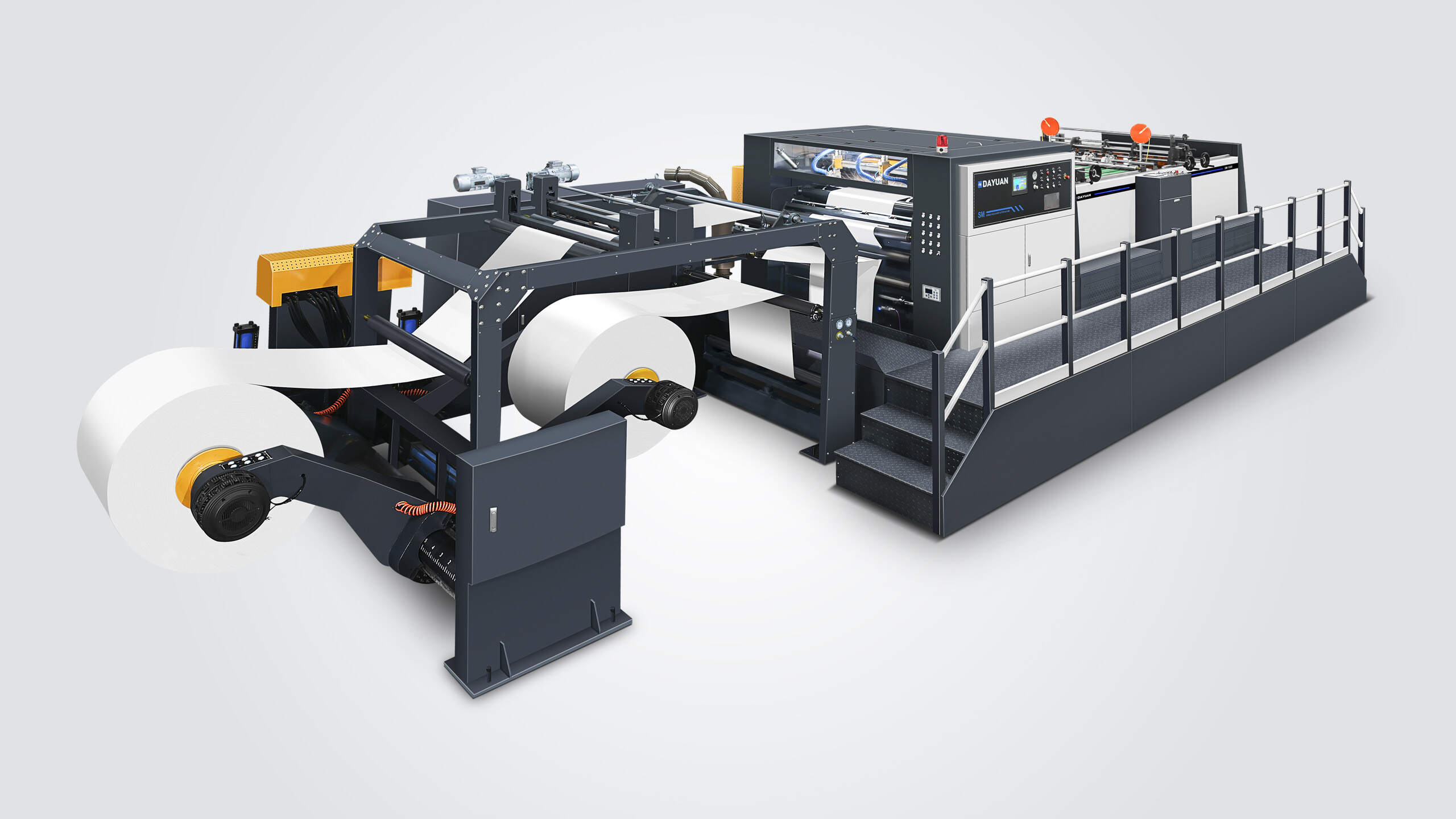
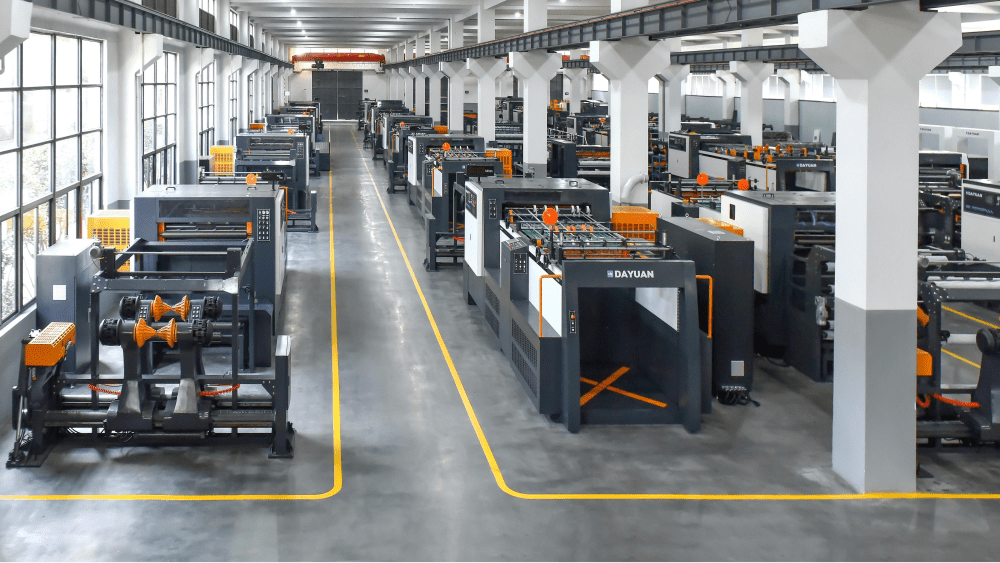
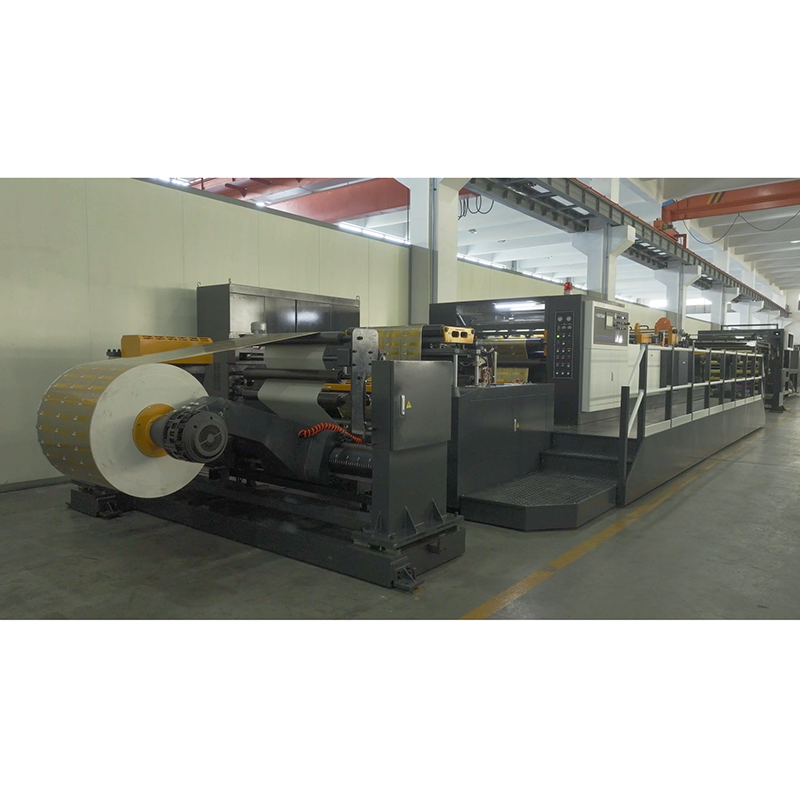
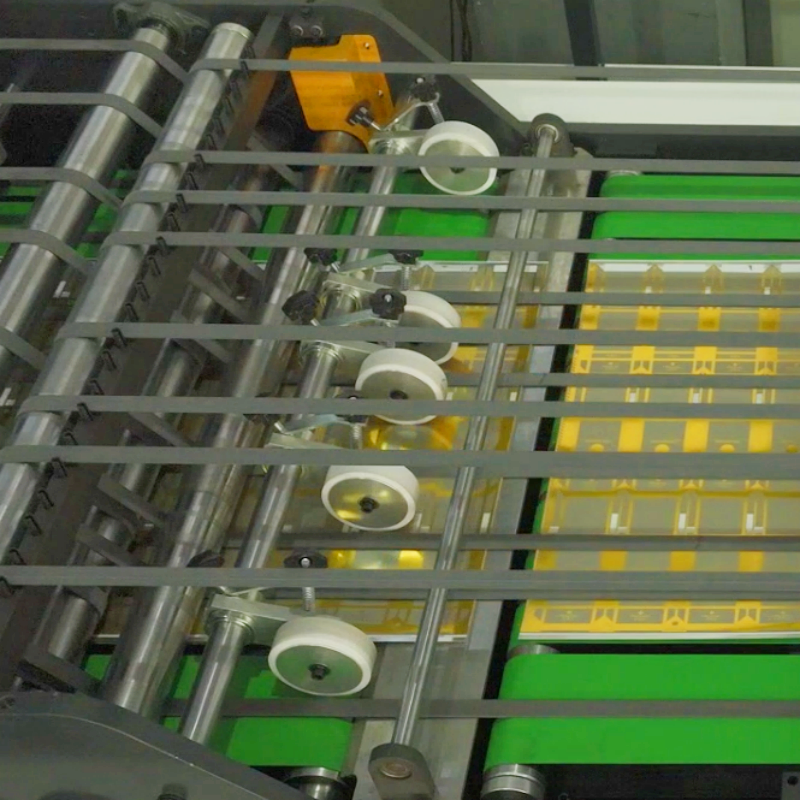
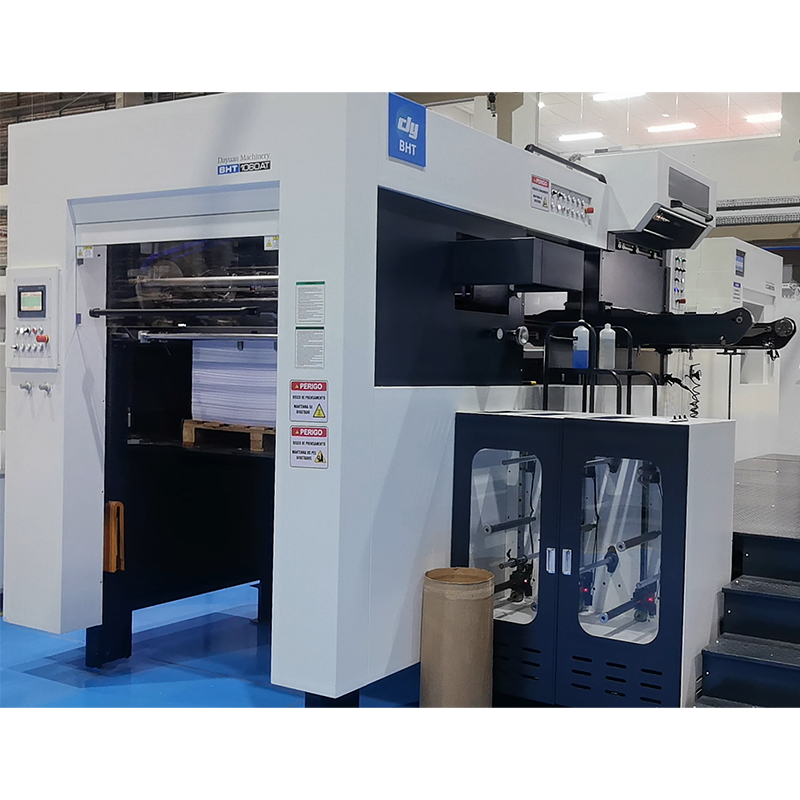
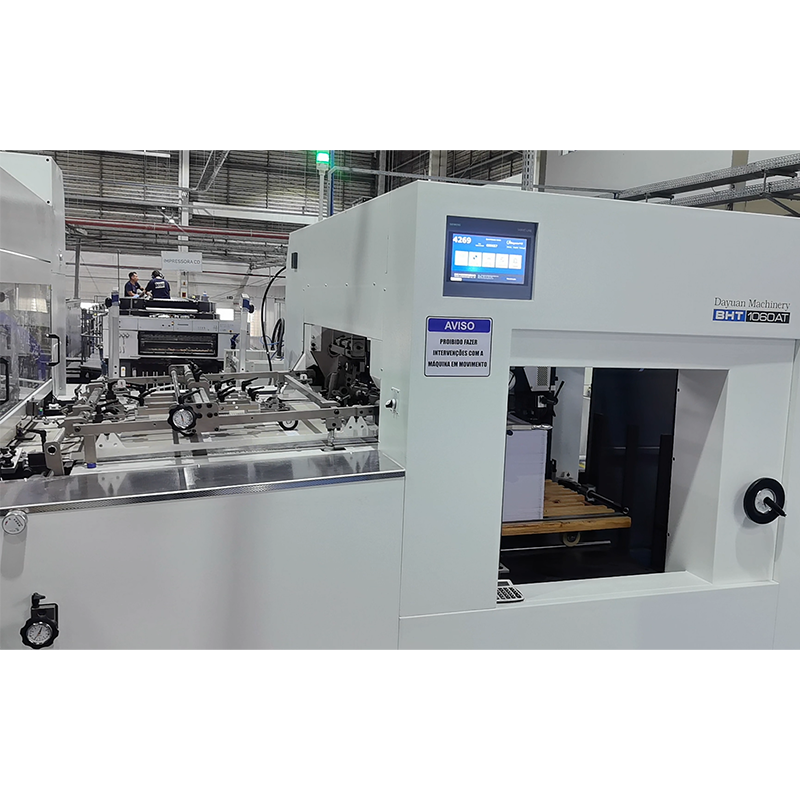
A stamping cutting machine represents a sophisticated industrial equipment solution designed to deliver precision cutting and forming operations across diverse manufacturing environments. This powerful apparatus combines mechanical force with carefully engineered tooling to process various materials with exceptional accuracy and consistency. The stamping cutting machine operates by applying concentrated pressure through specifically designed dies and punches, enabling manufacturers to transform raw materials into finished components rapidly and reliably. Modern stamping cutting machines integrate advanced hydraulic or mechanical systems that generate the tremendous force necessary to cut, shape, and form materials ranging from thin fabrics to heavy-gauge metals. The technological foundation of these machines incorporates servo motors, programmable logic controllers, and precision guidance systems that ensure repeatable results across production runs. These machines excel at handling high-volume production requirements while maintaining strict tolerances and quality standards. The stamping cutting machine features adjustable pressure settings, allowing operators to customize force application based on material characteristics and desired outcomes. Contemporary models incorporate digital interfaces that simplify operation and enable real-time monitoring of performance parameters. Safety mechanisms including light curtains, emergency stops, and protective barriers ensure operator protection during continuous operation. The versatility of stamping cutting machines makes them indispensable across industries including automotive manufacturing, aerospace component production, electronics assembly, packaging operations, and textile processing. These machines accommodate various die configurations, enabling quick changeovers between different production tasks without extensive downtime. The stamping cutting machine delivers consistent edge quality, minimizing secondary finishing requirements and reducing overall production costs. Advanced models feature automatic feeding systems that streamline material handling and increase throughput capacity. Temperature control systems prevent overheating during extended production cycles, maintaining optimal performance characteristics. The robust construction of stamping cutting machines ensures longevity even under demanding operational conditions, providing manufacturers with reliable equipment that delivers exceptional return on investment through years of dependable service.

Popular Products

Investing in a stamping cutting machine transforms manufacturing operations by delivering numerous practical benefits that directly impact productivity and profitability. These machines dramatically reduce production time compared to manual cutting methods, enabling businesses to fulfill orders faster and respond quickly to market demands. The automation capabilities of a stamping cutting machine minimize labor requirements, allowing companies to reallocate human resources to higher-value tasks while reducing payroll expenses. Precision remains consistent throughout production runs, eliminating the variations inherent in manual processes and ensuring every finished piece meets exact specifications. This consistency reduces waste significantly, as fewer materials end up discarded due to cutting errors or dimensional inaccuracies. The stamping cutting machine operates continuously with minimal supervision, maximizing equipment utilization and increasing overall production capacity without proportional increases in overhead costs. Energy efficiency has improved dramatically in modern machines, with optimized power consumption reducing operational expenses while supporting environmental sustainability initiatives. Maintenance requirements remain manageable due to durable component construction and accessible service points that simplify routine inspections and repairs. The flexibility of stamping cutting machines allows manufacturers to pivot between different products quickly, supporting diverse product portfolios without requiring multiple specialized equipment investments. Worker safety improves substantially when stamping cutting machines replace manual cutting operations, as automated processes keep operators away from dangerous cutting zones and reduce repetition-related injuries. Quality control becomes more straightforward because the stamping cutting machine produces uniform results that simplify inspection procedures and reduce rejection rates. The speed of these machines enables just-in-time manufacturing strategies, minimizing inventory carrying costs and reducing capital tied up in work-in-progress materials. Training new operators becomes faster and easier thanks to intuitive controls and standardized operating procedures that reduce the learning curve associated with equipment operation. The stamping cutting machine maintains cutting tool sharpness longer through controlled application of force, extending tool life and reducing replacement costs. Material utilization improves through optimized nesting patterns and precise cutting paths that extract maximum yield from raw materials. Businesses gain competitive advantages by offering shorter lead times and higher quality products, positioning themselves favorably against competitors using outdated production methods. The reliability of stamping cutting machines reduces unexpected downtime, enabling better production planning and more accurate delivery commitments to customers. Return on investment typically materializes quickly as labor savings, waste reduction, and increased throughput offset initial equipment acquisition costs within reasonable timeframes.

Latest News

What Should You Look for When Selecting a Paper Cutter Machine for Various Paper Types and Thicknesses?

17

Jan

What Should You Look for When Selecting a Paper Cutter Machine for Various Paper Types and Thicknesses?

Selecting the right paper cutter machine for your business operations requires careful consideration of multiple factors that directly impact productivity, quality, and cost-effectiveness. Whether you're operating a commercial printing facility, pack...
View More
How to Select the Right Paper Die Cutting Machine for Your Specific Cardboard or Carton Production?

10

Feb

How to Select the Right Paper Die Cutting Machine for Your Specific Cardboard or Carton Production?

Selecting the appropriate paper die cutting machine for cardboard and carton production requires careful consideration of multiple technical and operational factors. Modern packaging industries demand precision, efficiency, and versatility in their d...
View More
What Regular Maintenance Keeps Your Paper Die Cutting Machine’s Creasing and Cutting Tools in Top Shape?

02

Apr

What Regular Maintenance Keeps Your Paper Die Cutting Machine’s Creasing and Cutting Tools in Top Shape?

Maintaining optimal performance in your paper die cutting machine requires systematic attention to the creasing and cutting tools that form the heart of your production operation. These precision components endure tremendous stress during high-volume...
View More
How Do You Select the Right Paper Cutter Machine for Heavy-Duty vs. Light-Duty Applications?

02

Apr

How Do You Select the Right Paper Cutter Machine for Heavy-Duty vs. Light-Duty Applications?

Selecting the appropriate paper cutter machine for your specific operational requirements involves understanding the fundamental differences between heavy-duty and light-duty applications. The choice you make directly impacts productivity, operationa...
View More

Get a Free Quote

Our representative will contact you soon.
Email
Name
Company Name
Required Product
Message
0/1000

stamping cutting machine

Unmatched Precision Engineering for Superior Product Quality

Unmatched Precision Engineering for Superior Product Quality

The stamping cutting machine incorporates precision engineering principles that ensure exceptional accuracy across every production cycle, delivering finished components that meet the most demanding quality specifications. Advanced guidance systems built into these machines utilize linear bearings and precision ground components that eliminate play and vibration during cutting operations. This mechanical precision translates directly into products with consistent dimensions, clean edges, and uniform characteristics that satisfy strict quality control standards. The stamping cutting machine achieves positional accuracy measured in hundredths of millimeters, enabling manufacturers to produce components for applications where tight tolerances are non-negotiable requirements. Pressure regulation systems maintain consistent force application throughout the cutting stroke, preventing variations that could compromise edge quality or dimensional accuracy. Digital monitoring systems continuously track machine performance parameters, alerting operators to any deviations from optimal operating conditions before they affect product quality. The rigid frame construction of stamping cutting machines resists deflection under load, maintaining alignment between cutting tools and workpieces regardless of applied forces. Temperature compensation features account for thermal expansion in machine components, preserving accuracy even during extended production runs that generate heat. Manufacturers benefit from reduced inspection requirements because the stamping cutting machine produces predictable results that rarely fall outside acceptable tolerances. This consistency eliminates the hidden costs associated with rework, scrap, and customer returns that plague operations relying on less precise equipment. The precision capabilities of stamping cutting machines enable businesses to pursue contracts for high-value components where quality commands premium pricing. Repeatability across thousands or millions of cycles ensures that the first piece and the last piece in a production run exhibit identical characteristics, supporting statistical process control initiatives and continuous improvement programs. Fine adjustment mechanisms allow operators to dial in exact settings for different materials and product specifications, then recall those parameters instantly for future production runs. The stamping cutting machine maintains its accuracy over years of operation thanks to wear-resistant components and precision manufacturing standards that prevent degradation of performance characteristics.
Exceptional Versatility Across Materials and Applications

Exceptional Versatility Across Materials and Applications

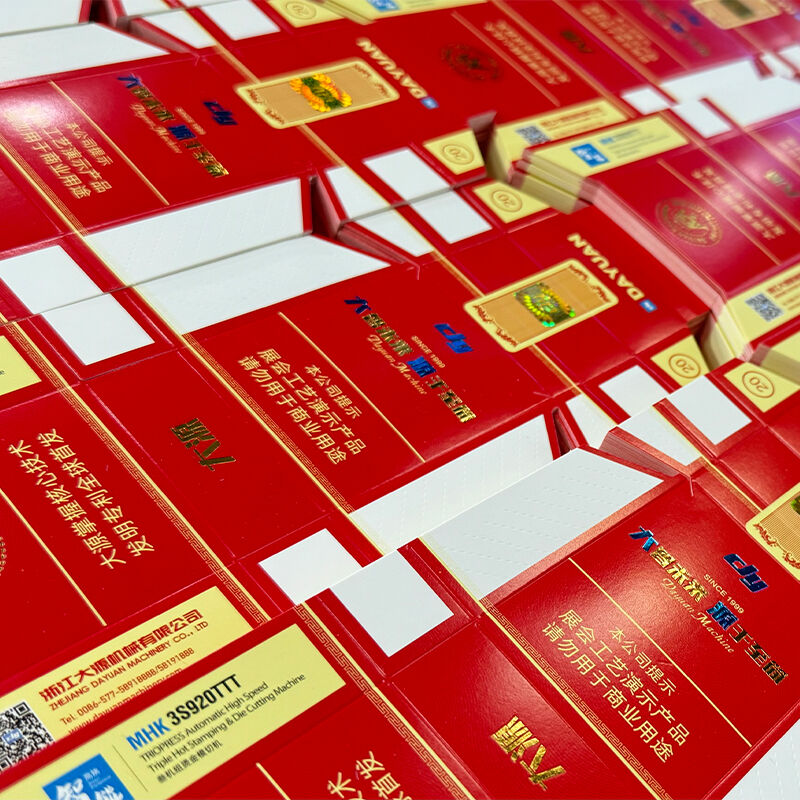
The stamping cutting machine demonstrates remarkable versatility that allows manufacturers to process an extensive range of materials and tackle diverse production challenges with a single equipment investment. These machines effectively handle metals including steel, aluminum, copper, and specialized alloys, cutting through varying thicknesses with appropriate die selection and pressure adjustment. Beyond metalworking applications, stamping cutting machines excel at processing plastics, composites, rubber, leather, cardboard, and advanced technical textiles used in modern manufacturing operations. This material flexibility eliminates the need for multiple specialized machines, reducing capital expenditures and simplifying equipment management. The stamping cutting machine accommodates rapid die changes that enable quick transitions between different products, supporting agile manufacturing strategies and mixed-production environments. Modular tooling systems allow operators to configure the machine for cutting, forming, embossing, or perforating operations without extensive reconfiguration or downtime. Adjustable stroke length and pressure settings provide the control necessary to optimize performance for each specific material and application combination. The stamping cutting machine proves equally capable handling delicate thin materials that require gentle handling and robust thick materials that demand substantial cutting force. Manufacturers serving multiple industries or producing diverse product lines particularly benefit from this versatility, as they can consolidate operations around fewer machines while maintaining capability across their entire product portfolio. The adaptability of stamping cutting machines supports innovation and new product development, allowing companies to experiment with novel materials and designs without requiring additional equipment investments. Quick-change die systems reduce changeover times to minutes rather than hours, minimizing production interruptions and supporting efficient small-batch production alongside high-volume runs. The stamping cutting machine handles both simple straight cuts and complex contoured shapes, expanding the range of products manufacturers can offer to their customers. Integration capabilities allow these machines to function within automated production lines, accepting materials from upstream processes and feeding completed components to downstream operations seamlessly. The versatility extends to facility integration, as stamping cutting machines adapt to various plant layouts and space constraints through compact designs and flexible installation configurations.

Remarkable Efficiency Driving Operational Cost Reduction

Remarkable Efficiency Driving Operational Cost Reduction

The stamping cutting machine delivers exceptional operational efficiency that translates directly into reduced production costs and improved profitability across manufacturing operations. Cycle times measured in seconds rather than minutes enable these machines to complete thousands of operations during a single production shift, dramatically increasing throughput compared to alternative cutting methods. Automated operation reduces direct labor requirements, as one skilled operator can often supervise multiple stamping cutting machines simultaneously, optimizing workforce deployment and reducing per-unit labor costs. The stamping cutting machine minimizes material waste through precise cutting paths and optimized nesting patterns that extract maximum value from raw materials, directly reducing material costs that often represent the largest component of manufacturing expenses. Energy-efficient designs incorporate variable-speed drives and optimized hydraulic systems that consume power only during active cutting operations, substantially reducing electricity costs compared to older equipment designs that run continuously. Rapid die changeover capabilities maximize productive uptime by minimizing the non-productive periods when machines sit idle during setup and adjustment procedures. Predictive maintenance features monitor component wear and operating conditions, enabling scheduled maintenance during planned downtime rather than unexpected breakdowns that disrupt production schedules and generate expensive emergency repair costs. The stamping cutting machine operates reliably across extended production runs with minimal intervention, reducing supervisory requirements and allowing management attention to focus on strategic priorities rather than constant troubleshooting. Consistent quality output reduces inspection requirements and virtually eliminates the costs associated with rework, scrap, and warranty claims that burden operations producing inconsistent results. The speed and reliability of stamping cutting machines enable lean manufacturing practices including just-in-time production that minimize inventory carrying costs and reduce working capital requirements. Longer tool life results from controlled force application and precision alignment, reducing tooling costs and the labor associated with frequent tool changes. The stamping cutting machine supports lights-out manufacturing capabilities, allowing production to continue during nights and weekends without staffing requirements that would make extended operations economically unviable. Comprehensive data collection features provide insights into production efficiency, identifying opportunities for continuous improvement and optimization that drive ongoing cost reductions. Simple operation and maintenance procedures reduce training costs and minimize the specialized knowledge required to keep equipment running at peak performance.

Get a Free Quote

Our representative will contact you soon.
Email
Name
Company Name
Required Product
Message
0/1000