Die Press Machine Price Guide: Costs, Features & Manufacturing Value 2024

+86-577-58918888
All Categories

die press machine price

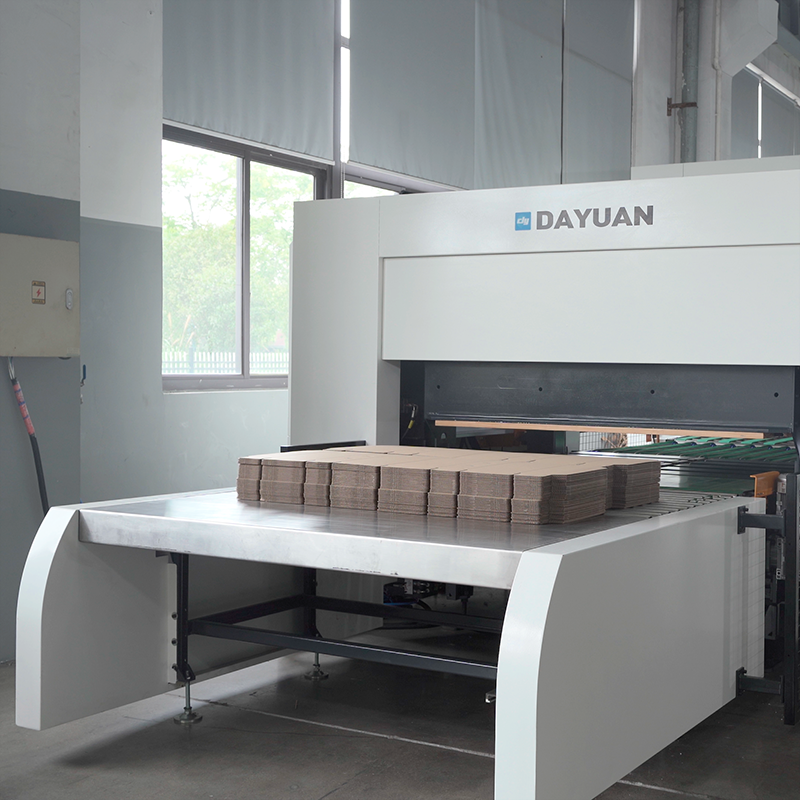
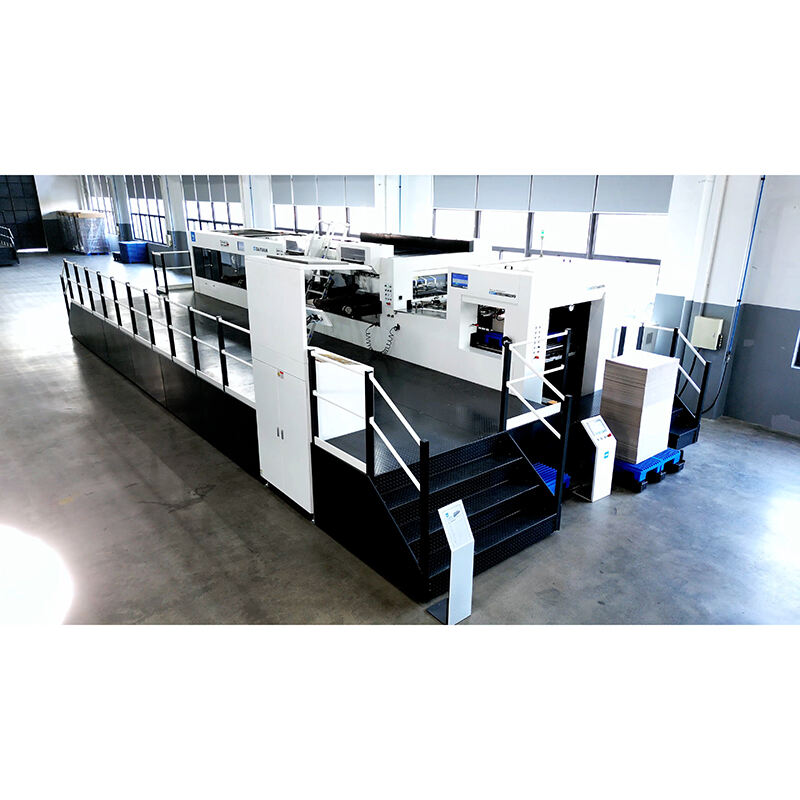
Understanding die press machine price requires careful consideration of numerous factors that influence the final investment. A die press machine serves as essential industrial equipment designed to cut, shape, and form materials through controlled pressure application. These versatile machines find widespread use across manufacturing sectors including automotive parts production, metal fabrication, leather goods creation, packaging material development, and precision component manufacturing. When evaluating die press machine price, buyers must recognize that costs vary significantly based on tonnage capacity, automation levels, precision requirements, and brand reputation. Entry-level manual models suitable for small workshops may start at several thousand dollars, while fully automated hydraulic press systems with advanced controls can reach hundreds of thousands. The die press machine price reflects technological sophistication, with modern units featuring programmable logic controllers, digital pressure monitoring, safety interlocks, and energy-efficient hydraulic systems. Manufacturers typically offer various configurations including mechanical, hydraulic, and pneumatic drive systems, each presenting different price points and operational characteristics. The main functions encompass cutting operations through sharp-edged dies, forming three-dimensional shapes from flat materials, embossing patterns onto surfaces, perforating materials with precise hole patterns, and assembling components through press-fitting. Technological features determining die press machine price include stroke length adjustment capabilities, bed size dimensions, daylight opening specifications, speed control mechanisms, and force measurement accuracy. Application versatility significantly impacts pricing structures, with specialized machines for specific industries commanding premium costs. When researching die press machine price, potential buyers should evaluate total cost of ownership including installation expenses, operator training requirements, maintenance schedules, spare parts availability, and energy consumption rates. Modern die press machines incorporate safety features such as light curtains, two-hand controls, emergency stop systems, and guarding mechanisms that protect operators while maintaining productivity. The investment in appropriate die press equipment delivers long-term value through consistent quality output, reduced labor costs, increased production speeds, and enhanced manufacturing capabilities that justify the initial die press machine price.

New Product Recommendations

Investing in quality equipment at a competitive die press machine price delivers substantial practical benefits that directly impact your business profitability and operational efficiency. First and foremost, these machines dramatically increase production speed compared to manual methods, allowing manufacturers to complete hundreds or thousands of identical parts per shift with consistent quality. This throughput advantage means faster order fulfillment, improved customer satisfaction, and the ability to accept larger contracts that would be impossible with hand tools. The precision offered by modern press machines eliminates material waste that occurs with imprecise cutting or forming, directly reducing raw material costs and improving profit margins on every production run. When you examine die press machine price in relation to labor savings, the return on investment becomes clear within months for high-volume operations, as one machine operator can supervise production that previously required multiple workers performing manual operations. Energy efficiency has improved remarkably in recent models, with hydraulic systems that consume power only during active pressing cycles rather than running continuously, translating to lower utility bills despite the initial die press machine price. Safety improvements protect your workforce from injuries associated with manual cutting and forming operations, reducing workers compensation costs, insurance premiums, and production disruptions from accidents. The repeatability factor ensures every piece meets exact specifications without variation, eliminating rejection rates and the costs associated with rework or scrap materials. Flexibility represents another significant advantage, as changing dies allows the same machine to produce different products, maximizing equipment utilization and reducing the need for multiple specialized tools. Modern control systems simplify operation, requiring minimal training time for new operators and reducing the skill level needed compared to traditional machinery, addressing labor shortage challenges many manufacturers face. Maintenance requirements remain manageable with proper care, and the robust construction of quality machines means decades of reliable service that far exceeds the working life of manual tools, justifying the upfront die press machine price through long-term dependability. Production scheduling becomes more predictable when you can accurately estimate cycle times and daily output capacity, improving planning accuracy and delivery reliability. Quality consistency satisfies demanding customers and reduces complaint rates, protecting brand reputation and fostering repeat business relationships. The compact footprint of many press machines maximizes factory floor utilization compared to sprawling manual workstations. Noise reduction features in modern equipment create better working environments, improving employee morale and retention. Data collection capabilities in computerized models provide production metrics that identify optimization opportunities and support continuous improvement initiatives, adding value beyond the basic die press machine price consideration.

Tips And Tricks

Why Does Regular Blade Maintenance and Calibration Matter for Your Paper Cutter Machine's Performance?

10

Feb

Why Does Regular Blade Maintenance and Calibration Matter for Your Paper Cutter Machine's Performance?

Industrial printing operations depend heavily on precision cutting equipment to maintain quality standards and operational efficiency. A well-maintained paper cutter machine represents the cornerstone of any successful commercial printing facility, w...
View More
How Does a 98,000㎡ Manufacturing Facility Ensure the Reliability of Paper Cutter Machines?

18

Mar

How Does a 98,000㎡ Manufacturing Facility Ensure the Reliability of Paper Cutter Machines?

Manufacturing excellence in the paper processing industry requires precise equipment and rigorous quality control measures. Large-scale production facilities spanning 98,000 square meters face unique challenges when ensuring the reliability of paper ...
View More
Why Should Your Paper Die Cutting Machine Be Part of an Intelligent Production Line for Smart Manufacturing?

02

Apr

Why Should Your Paper Die Cutting Machine Be Part of an Intelligent Production Line for Smart Manufacturing?

Modern manufacturing demands more than isolated equipment operating independently. The question of why your paper die cutting machine should integrate into an intelligent production line reflects a fundamental shift toward smart manufacturing paradig...
View More
What Patented Technologies Should You Look for in a High-Performance Paper Die Cutting Machine?

02

Apr

What Patented Technologies Should You Look for in a High-Performance Paper Die Cutting Machine?

When investing in a high-performance paper die cutting machine for industrial production, understanding the patented technologies that differentiate premium equipment from standard alternatives becomes crucial for making informed purchasing decisions...
View More

Get a Free Quote

Our representative will contact you soon.
Email
Name
Company Name
Required Product
Message
0/1000

die press machine price

Exceptional Versatility Across Multiple Manufacturing Applications

Exceptional Versatility Across Multiple Manufacturing Applications

The remarkable versatility offered by die press machines represents one of their most compelling advantages, making the die press machine price a worthwhile investment for diverse manufacturing environments. These adaptable machines handle an impressive range of materials including various metal alloys such as steel, aluminum, brass, and copper, as well as non-metallic materials like leather, rubber, plastics, cardboard, and composite materials. This multi-material capability means a single machine can support different product lines within your facility, maximizing capital equipment utilization and eliminating the need for separate specialized tools for each material type. The application breadth extends from automotive component manufacturing where precision metal brackets, mounting plates, and structural reinforcements are produced, to consumer goods sectors creating leather belts, wallets, and fashion accessories with clean edges and professional finishes. Packaging industries rely on die press machines to create custom boxes, blister packaging, and protective inserts with exact dimensions that ensure product fit and presentation quality. Electronics manufacturers use these machines for producing shielding components, connector housings, and metal chassis parts with tight tolerances. The medical device sector depends on die press precision for creating surgical instruments, implantable component parts, and diagnostic equipment housings where quality standards are exceptionally demanding. By quickly changing the die tooling, manufacturers transform the machine's function from cutting operations to forming complex three-dimensional shapes, embossing decorative patterns, perforating ventilation holes, or coining detailed surface features. This quick-change capability, often accomplished in minutes, supports small batch production and custom orders without the prohibitive setup costs associated with dedicated single-purpose equipment. The die press machine price becomes even more justified when considering that tooling dies themselves are relatively affordable compared to the machine, allowing businesses to maintain a library of dies for different products while using a single press platform. Advanced models feature programmable stroke depth, pressure control, and speed adjustment that optimize performance for each specific application and material combination. Manufacturers producing seasonal products can easily transition between different items throughout the year, maintaining equipment productivity during traditionally slow periods by accepting diverse work. The ability to handle both high-volume production runs and small custom orders with equal efficiency provides business flexibility that adapts to market demands and customer requirements. This versatility also future-proofs your investment, as the same machine can accommodate new product development without requiring additional capital expenditure when your business expands into new markets or product categories.

Superior Precision and Consistency for Quality Manufacturing

Superior Precision and Consistency for Quality Manufacturing

Precision manufacturing capabilities represent a critical factor when evaluating die press machine price, as the accuracy and consistency these machines deliver directly impacts product quality, customer satisfaction, and profitability. Modern die press machines achieve remarkable precision with tolerances measured in thousandths of an inch, ensuring every part produced matches exact specifications without the variation inherent in manual operations. This precision stems from robust machine construction using heavy-duty frames that resist deflection under load, precision-ground guide systems that maintain perfect alignment throughout the stroke cycle, and advanced control systems that monitor and adjust pressure application in real-time. The consistency factor means the first piece produced in a run will be identical to the thousandth piece, eliminating the quality drift that occurs with operator fatigue in manual processes. This repeatability is essential for manufacturers supplying industries with strict quality requirements such as aerospace, medical devices, and automotive sectors where component failure could have serious safety implications. When components fit together perfectly every time without requiring hand-fitting or adjustment, assembly operations become faster and more efficient, reducing labor costs in downstream processes. The elimination of dimensional variation also reduces rejection rates during quality inspections, protecting profit margins by ensuring materials and processing time are not wasted on unusable parts. Precision cutting edges on dies, combined with controlled pressing force, create clean-cut edges without burrs or deformation that would require secondary finishing operations, further reducing processing costs and time. For forming applications, the controlled pressure and depth settings produce consistent bend angles, radius curves, and three-dimensional shapes that meet engineering drawings exactly. This geometric accuracy is particularly important for parts that must interface with other components or fit within assemblies with tight clearances. The die press machine price includes sophisticated measurement and control systems that monitor tonnage application, stroke position, and cycle timing to ensure operational parameters remain within specification throughout production runs. Digital pressure readout systems provide operators with instant feedback, allowing immediate correction if any deviation occurs. Programmable controllers can store multiple recipe settings for different products, ensuring quick setup with perfect parameter recall when switching between jobs. Position sensors detect material presence and proper placement before allowing the press cycle to initiate, preventing damaged dies and rejected parts from improper loading. The mechanical advantage of hydraulic and mechanical press systems delivers enormous force with smooth, controlled application rather than the impact associated with hammer-based methods, resulting in cleaner forming operations without material shock that can cause micro-cracks or work hardening. Temperature-controlled hydraulic systems maintain consistent fluid viscosity for uniform force application regardless of ambient conditions or continuous operation duration. Precision matters not only for functional fit but also for aesthetic qualities, as clean edges and uniform surface finishes improve product appearance and perceived value in consumer-facing applications.
Long-Term Durability and Cost-Effectiveness That Maximizes ROI

Long-Term Durability and Cost-Effectiveness That Maximizes ROI

When analyzing die press machine price from a total cost of ownership perspective, the exceptional durability and long-term cost-effectiveness of quality machines become apparent, making them one of the smartest capital investments for manufacturing operations. Industrial-grade die press machines are engineered and constructed for decades of continuous operation, featuring heavy-duty cast iron or steel frames that provide rigid platforms resisting deflection and vibration even under maximum tonnage loads. This robust construction means the machine maintains its precision and alignment characteristics throughout its working life, unlike lighter equipment that gradually loses accuracy as components wear and frames flex. The longevity factor is significant, with properly maintained die press machines commonly providing thirty to fifty years of productive service, amortizing the initial die press machine price across enormous production volumes that make the per-unit cost negligible. Major components such as hydraulic cylinders, press rams, and bed plates are manufactured to industrial standards with generous safety factors, ensuring reliability even in demanding production environments with multiple shifts and continuous operation. Maintenance requirements remain reasonable and predictable, typically involving routine tasks like hydraulic fluid changes, lubrication of moving components, and periodic inspection of wear items such as seals and bushings. The simplicity of mechanical and hydraulic systems means repairs can often be performed by in-house maintenance staff using readily available parts rather than requiring expensive specialized technicians or proprietary components. Many manufacturers provide excellent parts support for decades after purchase, ensuring long-term serviceability even for older models. Energy efficiency in modern designs reduces operating costs compared to older equipment, with variable-speed drives and pressure-compensated hydraulic systems that consume power proportional to actual work performed rather than running at full capacity continuously. This efficiency improvement can reduce electrical consumption by thirty to fifty percent compared to conventional designs, generating ongoing savings that continue accumulating throughout the machine's working life. The production capacity enabled by die press machines generates revenue that quickly exceeds the initial die press machine price, particularly for high-volume operations where the machine may produce thousands of parts daily. Labor cost savings compound over time as one machine operator supervises production that would otherwise require multiple workers performing manual operations, with the wage differential funding the equipment investment within months or a few years depending on production volume. Quality improvements reduce costs associated with scrap, rework, and customer returns, protecting profit margins and brand reputation. The ability to accept larger orders and meet tight delivery schedules creates competitive advantages that expand market share and business growth opportunities that would be impossible without adequate production capacity. Resale value remains relatively strong for well-maintained industrial equipment, providing asset value that can be recovered if business needs change or equipment is upgraded. The reliability factor minimizes production disruptions and the associated costs of delayed deliveries, expedited shipping, and customer dissatisfaction that occur when equipment failures interrupt operations. Insurance costs may be lower with modern safety-equipped machines compared to older equipment or manual operations, contributing to total cost advantages. The productivity improvements and quality consistency enabled by die press machines support premium pricing strategies for manufactured products, as customers will pay more for reliably excellent quality and on-time delivery.

Get a Free Quote

Our representative will contact you soon.
Email
Name
Company Name
Required Product
Message
0/1000