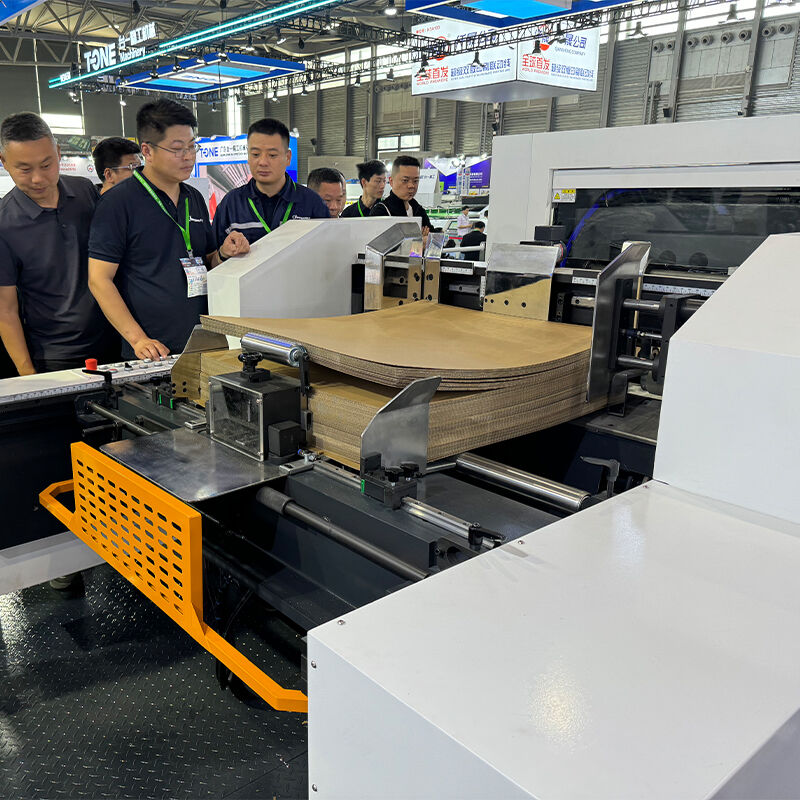
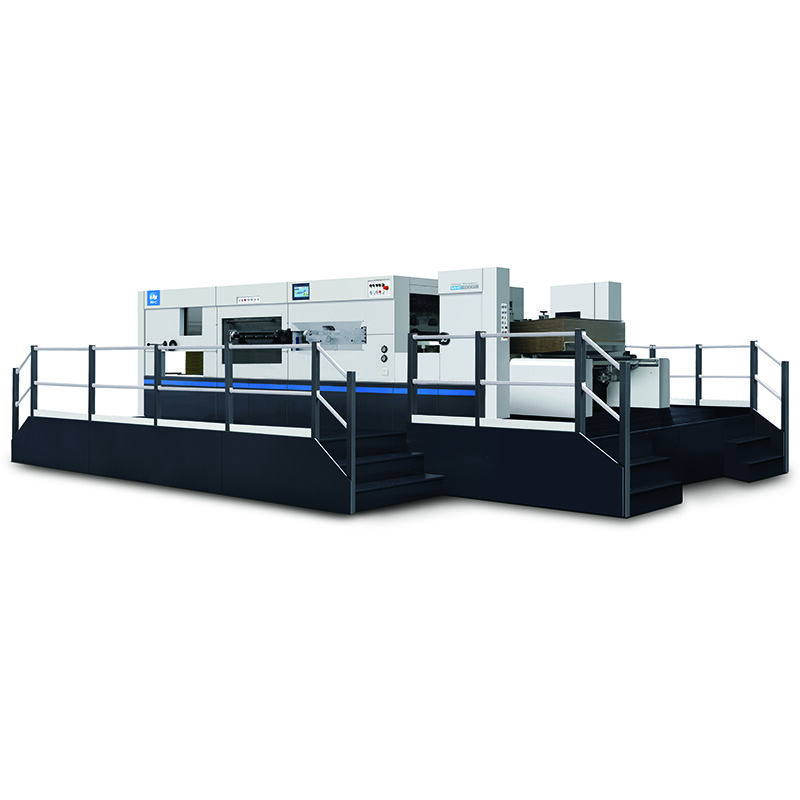
Die Cutting Machine for Paper - Professional Precision Cutting Solutions

+86-577-58918888
All Categories

die cutting machine for paper

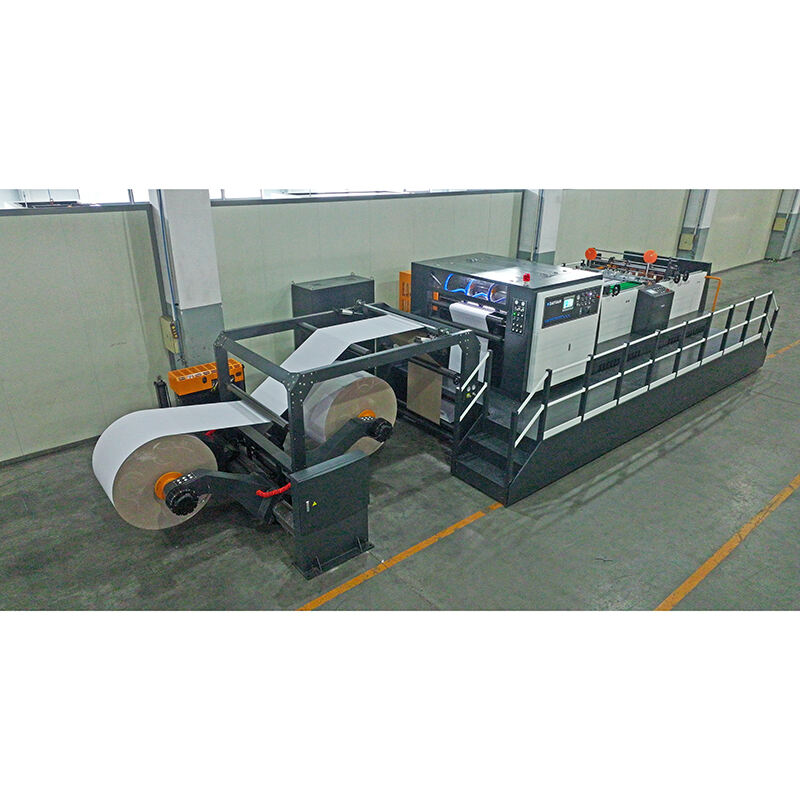
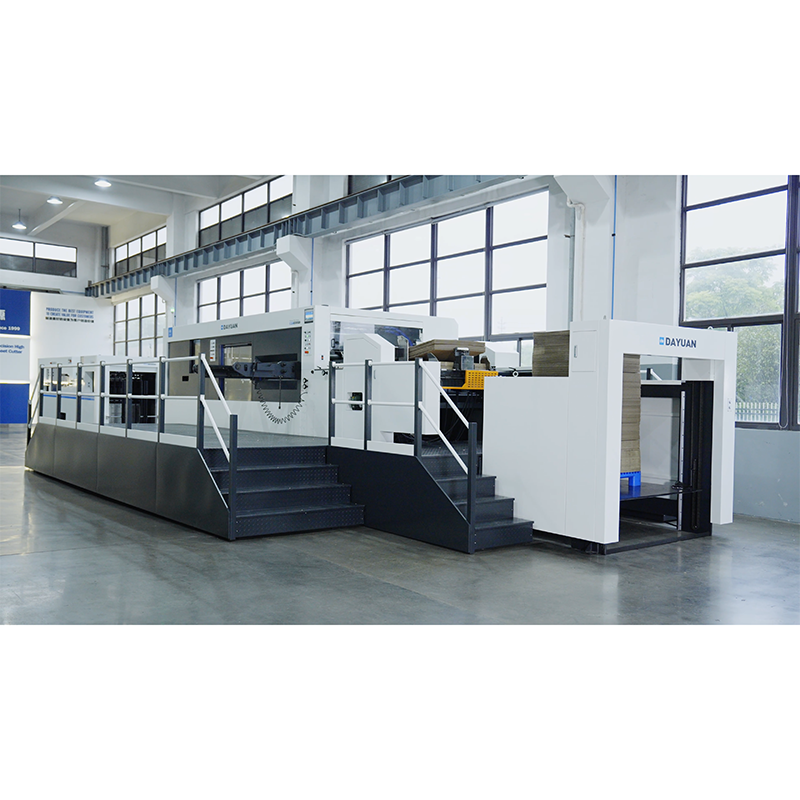
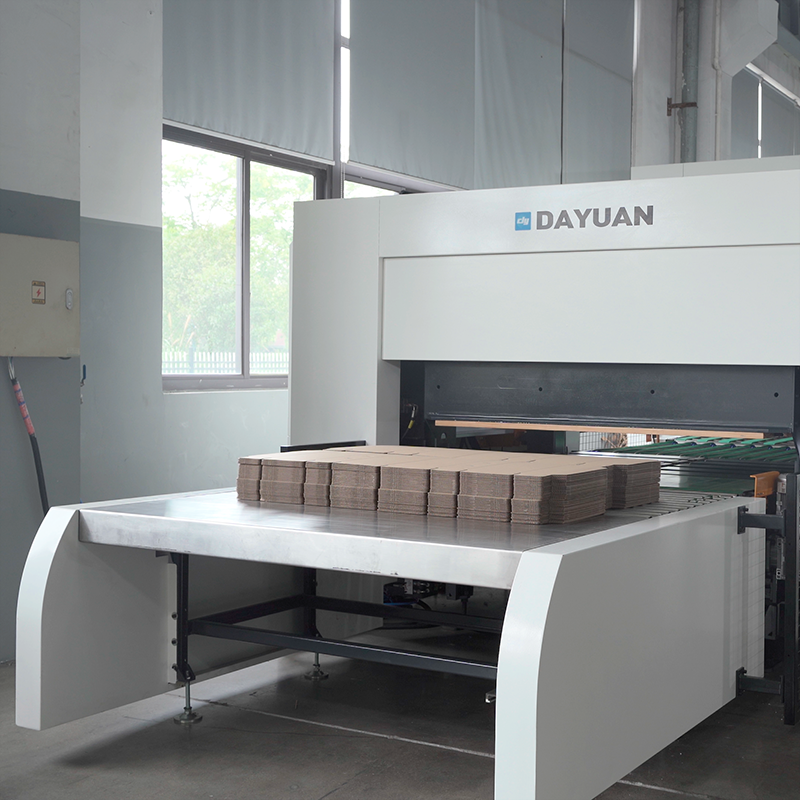
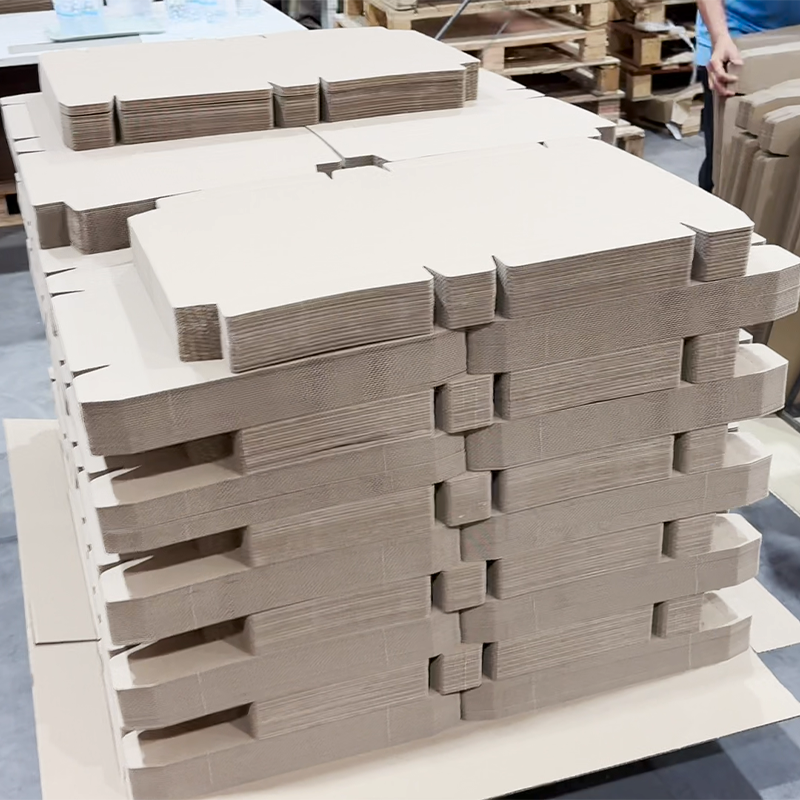
A die cutting machine for paper represents an essential piece of equipment in modern printing and packaging industries, designed to cut paper materials into precise shapes and sizes with exceptional accuracy. This sophisticated machinery utilizes steel-ruled dies or digital cutting technology to transform flat sheets of paper, cardboard, and similar materials into customized designs ranging from simple geometric shapes to intricate patterns. The die cutting machine for paper operates through a combination of mechanical pressure and sharp cutting edges, enabling manufacturers to produce consistent results across large production runs. Modern die cutting machines come in various configurations, including flatbed, rotary, and digital models, each suited to different production requirements and material specifications. The primary function of a die cutting machine for paper involves positioning the material beneath the cutting die, applying controlled pressure to shear through the substrate, and delivering finished products ready for further processing or final use. Technological advancements have integrated computerized controls, servo motors, and precision sensors into these machines, allowing operators to achieve tolerances measured in fractions of a millimeter. The die cutting machine for paper finds applications across numerous sectors, from commercial printing houses producing business cards and brochures to packaging companies manufacturing boxes and displays. These machines can handle various paper weights and thicknesses, accommodating materials from lightweight tissue paper to heavy cardstock and corrugated board. Additional functions include creasing, perforating, and embossing, which expand the creative possibilities for designers and manufacturers. The versatility of a die cutting machine for paper makes it indispensable for businesses seeking to differentiate their products through unique shapes, enhance structural integrity through precise folding lines, or improve functionality through strategically placed perforations. Whether serving small-scale craft operations or industrial manufacturing facilities, these machines deliver reliability, speed, and precision that manual cutting methods cannot match.

New Products

Investing in a die cutting machine for paper delivers substantial benefits that directly impact your production efficiency and bottom line. First and foremost, these machines dramatically increase your production speed compared to manual cutting methods, allowing you to complete orders faster and accept more projects. What might take hours to cut by hand can be accomplished in minutes with automated die cutting, freeing your staff to focus on other value-added tasks. The precision offered by a die cutting machine for paper eliminates the inconsistencies inherent in manual cutting, ensuring every piece matches your specifications exactly. This consistency reduces material waste significantly, as mistakes and miscuts become rare occurrences rather than regular setbacks. When you multiply these savings across thousands or millions of cuts, the economic advantage becomes substantial. Your customers will notice the superior quality of products produced with a die cutting machine for paper, as clean edges and perfect alignment create a professional appearance that strengthens your brand reputation. The versatility of these machines expands your service offerings without requiring multiple pieces of equipment. One die cutting machine for paper can handle various materials, thicknesses, and design complexities, allowing you to bid on diverse projects and serve different market segments. Labor costs decrease substantially when you automate the cutting process, as one operator can manage production volumes that would otherwise require several workers with hand tools. The repeatability of a die cutting machine for paper means you can confidently accept reorders knowing that products will match previous batches exactly, building customer trust and encouraging repeat business. Safety improves markedly when sharp cutting tasks transfer from hand tools to enclosed machinery with proper guards and emergency stops. Operators face fewer risks of cuts and injuries, reducing workplace accidents and associated costs. The speed and efficiency gains allow you to offer competitive pricing while maintaining healthy profit margins, giving you an edge when competing for contracts. Scalability becomes achievable as your business grows, since adding shifts or running machines longer hours increases capacity without proportional increases in labor or facility requirements. Environmental benefits emerge from reduced waste and more efficient material usage, appealing to eco-conscious customers and helping you meet sustainability goals. The technology integration in modern die cutting machines for paper provides data tracking and quality monitoring, giving you insights into production metrics that inform better business decisions. Setup times have decreased with newer models, allowing you to switch between jobs quickly and accommodate shorter runs economically.

Tips And Tricks

How to Maintain the Blade and Calibration of Your Paper Cutter Machine for Safe Operation?

22

Jan

How to Maintain the Blade and Calibration of Your Paper Cutter Machine for Safe Operation?

Maintaining your paper cutter machine is essential for ensuring consistent performance, operator safety, and product longevity. Regular maintenance of both the cutting blade and calibration system prevents costly repairs while maximizing productivity...
View More
Why Is a Globally Experienced Supplier Important for Sourcing Reliable Paper Die Cutting Machines?

10

Feb

Why Is a Globally Experienced Supplier Important for Sourcing Reliable Paper Die Cutting Machines?

The manufacturing industry increasingly relies on precision equipment to maintain competitive advantages in global markets. When sourcing paper die cutting machines, businesses face critical decisions that can impact their operational efficiency, pro...
View More
What Maintenance Routines Extend the Lifespan of Your Industrial Paper Cutter Machine?

18

Mar

What Maintenance Routines Extend the Lifespan of Your Industrial Paper Cutter Machine?

Proper maintenance of an industrial paper cutter machine is crucial for maximizing operational efficiency and extending equipment lifespan in commercial printing environments. These sophisticated cutting systems require systematic care to maintain pr...
View More
How Does a 98,000㎡ Manufacturing Facility Ensure the Reliability of Paper Cutter Machines?

18

Mar

How Does a 98,000㎡ Manufacturing Facility Ensure the Reliability of Paper Cutter Machines?

Manufacturing excellence in the paper processing industry requires precise equipment and rigorous quality control measures. Large-scale production facilities spanning 98,000 square meters face unique challenges when ensuring the reliability of paper ...
View More

Get a Free Quote

Our representative will contact you soon.
Email
Name
Company Name
Required Product
Message
0/1000

die cutting machine for paper

Unmatched Precision and Consistency for Professional Results

Unmatched Precision and Consistency for Professional Results

The die cutting machine for paper stands out primarily for its ability to deliver precision that surpasses any manual cutting method, a critical advantage in industries where tolerances matter and quality defines brand reputation. Modern die cutting machines utilize advanced positioning systems, often incorporating servo motors and digital encoders that track blade location to within hundredths of a millimeter, ensuring that every cut lands exactly where designers intended. This level of accuracy proves essential when producing items like packaging that must fold precisely, labels that need to align with printed graphics, or intricate designs where small deviations would compromise aesthetics or functionality. When operating a die cutting machine for paper, manufacturers can set parameters once and trust that the thousandth piece will match the first, eliminating the gradual drift in quality that occurs with manual processes as operators fatigue or lose concentration. This consistency extends beyond dimensional accuracy to include edge quality, as properly maintained cutting dies create clean, burr-free edges that require no secondary finishing operations. The precision capabilities of a die cutting machine for paper become particularly valuable when working with registered cuts, where the cutting pattern must align perfectly with pre-printed graphics or other features on the material. Advanced models incorporate registration systems using optical sensors or mechanical pins that detect alignment marks and adjust cutting position automatically, compensating for material movement or expansion that occurs during printing and handling. This technology prevents the costly waste that results from misaligned cuts on expensive printed materials. Furthermore, the repeatable precision of a die cutting machine for paper enables manufacturers to optimize material usage through efficient nesting of shapes, placing cut patterns closer together than would be safe or practical with manual cutting, thereby reducing scrap percentages and improving material yield. The mechanical advantage of these machines also allows them to maintain consistent cutting force across the entire cutting surface, preventing the variations in depth and completeness that occur when hand pressure differs across a cut line. Quality control becomes simpler when using a die cutting machine for paper, as operators can focus on monitoring machine parameters rather than individually inspecting each piece for dimensional accuracy, reducing inspection time while improving defect detection rates.
Exceptional Versatility Across Materials and Applications

Exceptional Versatility Across Materials and Applications

The remarkable versatility of a die cutting machine for paper extends far beyond simple cutting operations, transforming these machines into comprehensive fabrication tools that handle multiple processes within a single setup. While the primary function involves cutting paper and paperboard materials, modern die cutting machines accommodate an impressive range of substrates including coated stocks, specialty papers, corrugated cardboard, chipboard, and even synthetic papers and thin films that serve paper-like applications. This material flexibility allows manufacturers to diversify their product offerings without investing in specialized equipment for each substrate type. A single die cutting machine for paper can switch from cutting business cards in the morning to producing packaging prototypes in the afternoon and finishing greeting cards in the evening, maximizing equipment utilization and return on investment. Beyond basic cutting, these machines perform creasing operations that create folding lines in heavier materials, ensuring sharp, professional folds that maintain their integrity through repeated handling. Perforating capabilities built into die cutting machines create tear lines for coupons, tickets, and packaging features, adding functionality without requiring separate processing steps. Scoring functions compress material fibers to facilitate folding without cracking or splitting the surface, particularly important for coated stocks and heavier cardboards used in premium packaging applications. Many die cutting machines for paper also accommodate embossing and debossing operations, raising or recessing design elements to create tactile experiences that enhance perceived value and brand differentiation. Foil stamping attachments available for some models add metallic or holographic accents during the same pass that performs cutting, streamlining production and reducing handling. The die flexibility of these machines deserves special mention, as manufacturers can quickly swap cutting forms to accommodate different projects, with some advanced systems using magnetic die mounting that completes changeovers in minutes rather than hours. Digital die cutting machines for paper eliminate physical dies entirely, using computer-controlled blades or lasers that can execute any design loaded from software, providing ultimate flexibility for short runs, prototyping, or personalized production. This versatility extends to production volume capabilities, as die cutting machines scale from manual tabletop units suitable for craft businesses and small print shops to automated industrial systems that process thousands of sheets per hour for mass production environments.

Dramatic Productivity Improvements and Cost Efficiency

Dramatic Productivity Improvements and Cost Efficiency

Implementing a die cutting machine for paper fundamentally transforms production economics by delivering productivity improvements that directly translate to increased profitability and competitive advantage. The speed differential between manual cutting and automated die cutting is substantial, with even entry-level machines processing materials many times faster than skilled workers using hand tools, while industrial models reach production rates measured in thousands of impressions per hour. This velocity allows manufacturers to complete projects in fractions of the time previously required, reducing lead times that enable faster order fulfillment and improved customer satisfaction. The time compression achieved with a die cutting machine for paper creates capacity for accepting additional work without expanding facilities or hiring additional staff, effectively multiplying the revenue potential of existing resources. Labor efficiency gains extend beyond simple speed comparisons, as automation reduces the skill level and training time required for operators compared to craftspeople performing intricate hand cutting, addressing workforce challenges while lowering labor costs per unit produced. The economic benefits of a die cutting machine for paper include substantial waste reduction achieved through precision cutting that maximizes material yield and minimizes errors that send product to scrap bins. When material costs represent a significant portion of production expenses, even modest improvements in yield percentages generate meaningful savings that compound across production volumes. Setup efficiency in modern die cutting machines has improved dramatically, with quick-change die systems and programmable controls that store job parameters allowing operators to switch between different products rapidly, making short runs economically viable and enabling just-in-time production strategies that reduce inventory carrying costs. Energy efficiency in contemporary die cutting machines for paper has advanced through servo motor technology and optimized mechanical designs that complete cuts using less power than older hydraulic or pneumatic systems, reducing operating costs while supporting environmental responsibility initiatives. Maintenance costs remain manageable due to the robust construction and relatively simple mechanical principles underlying die cutting technology, with primary consumables limited to cutting dies and occasional replacement of pressure pads or cutting surfaces. The longevity of a properly maintained die cutting machine for paper extends across decades of production, distributing capital investment across enormous output volumes that result in minimal per-unit equipment costs. Financial returns accelerate when manufacturers consider the premium pricing that precision-cut products command in the marketplace, as customers recognize and reward the quality differences that die cutting delivers compared to cruder cutting methods.

Get a Free Quote

Our representative will contact you soon.
Email
Name
Company Name
Required Product
Message
0/1000