Exceptional Versatility Across Materials and Applications
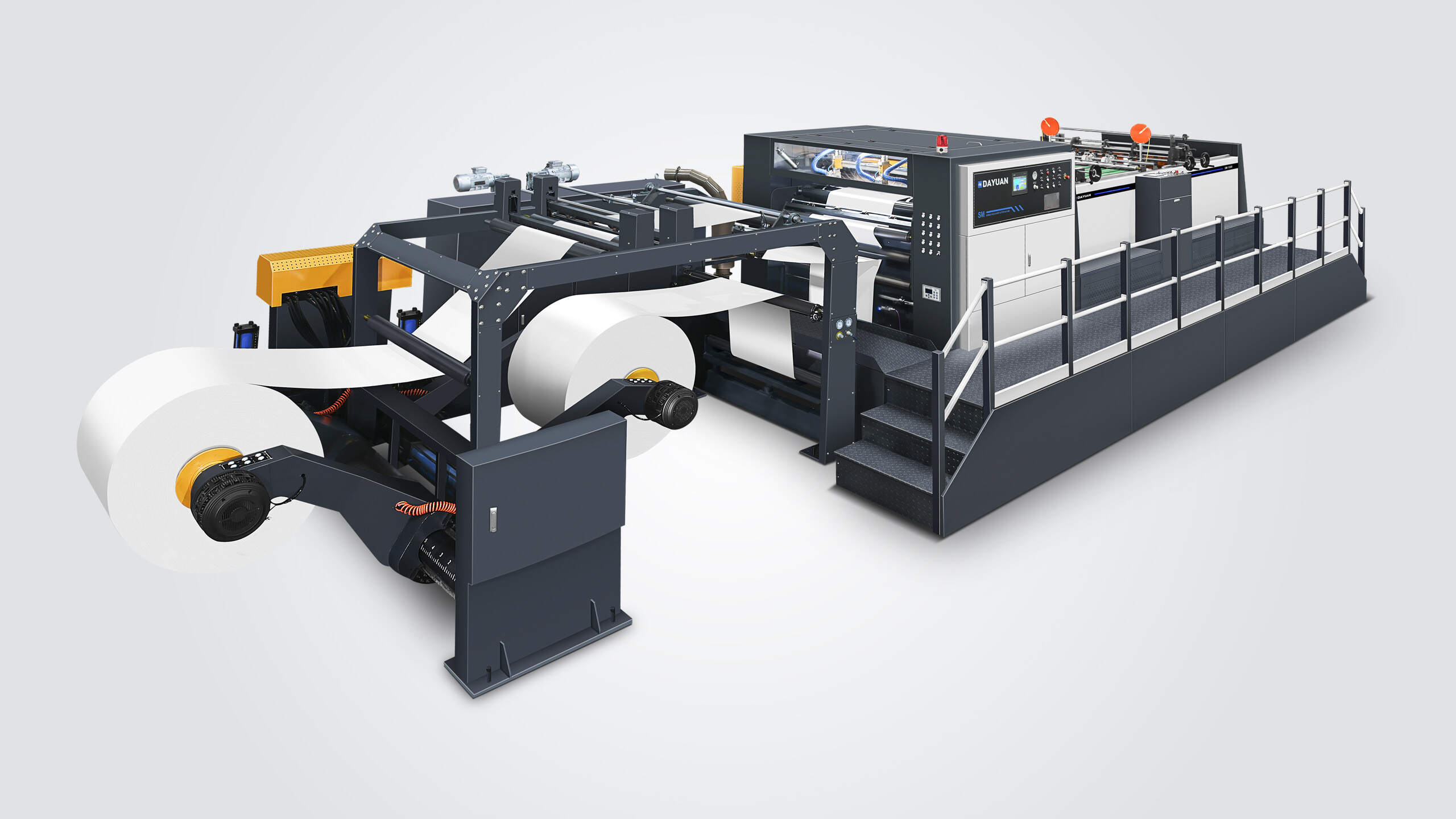
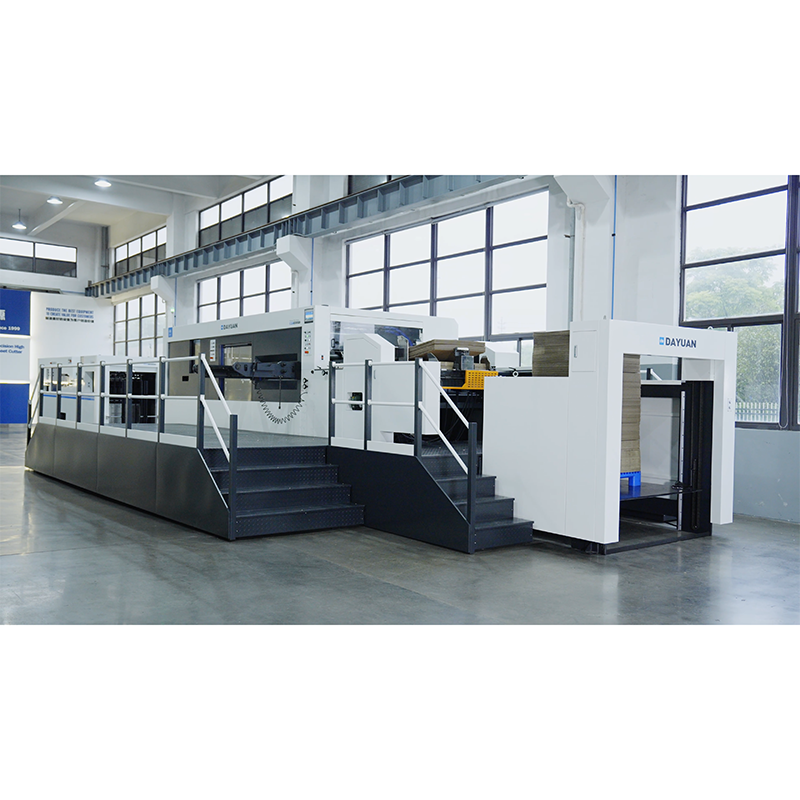
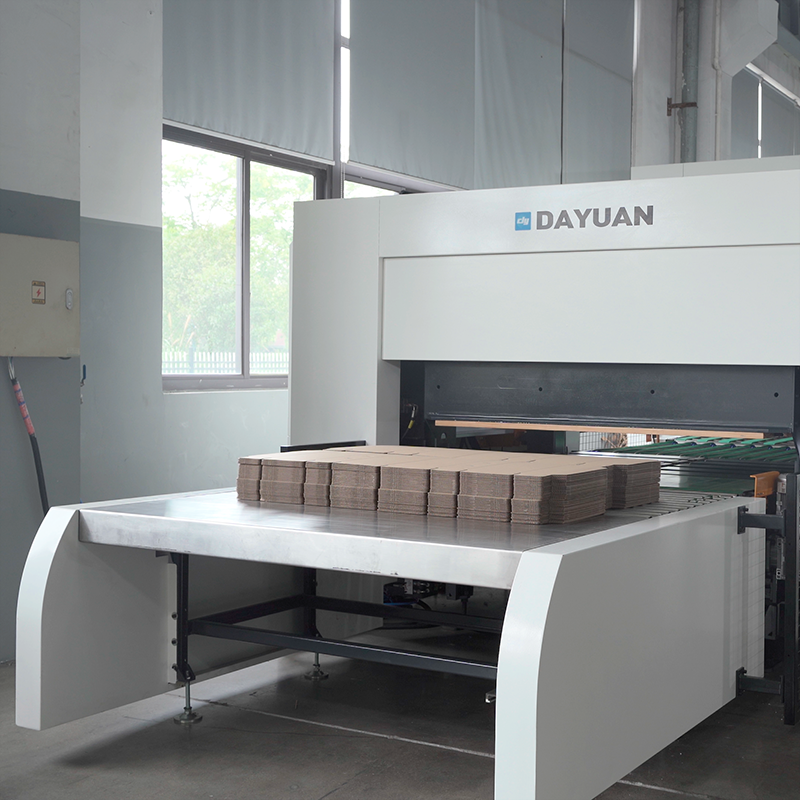
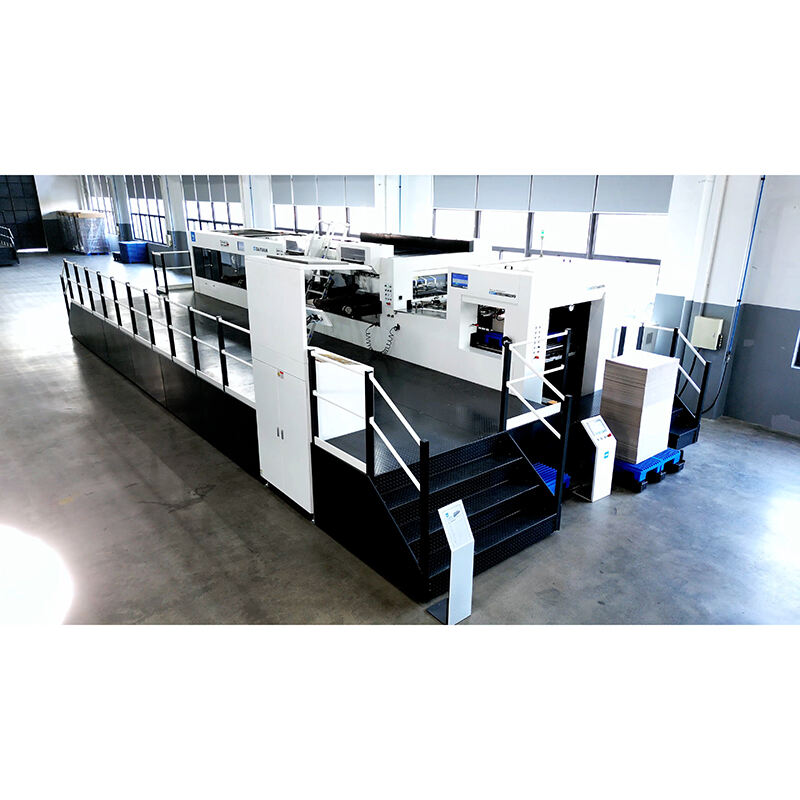
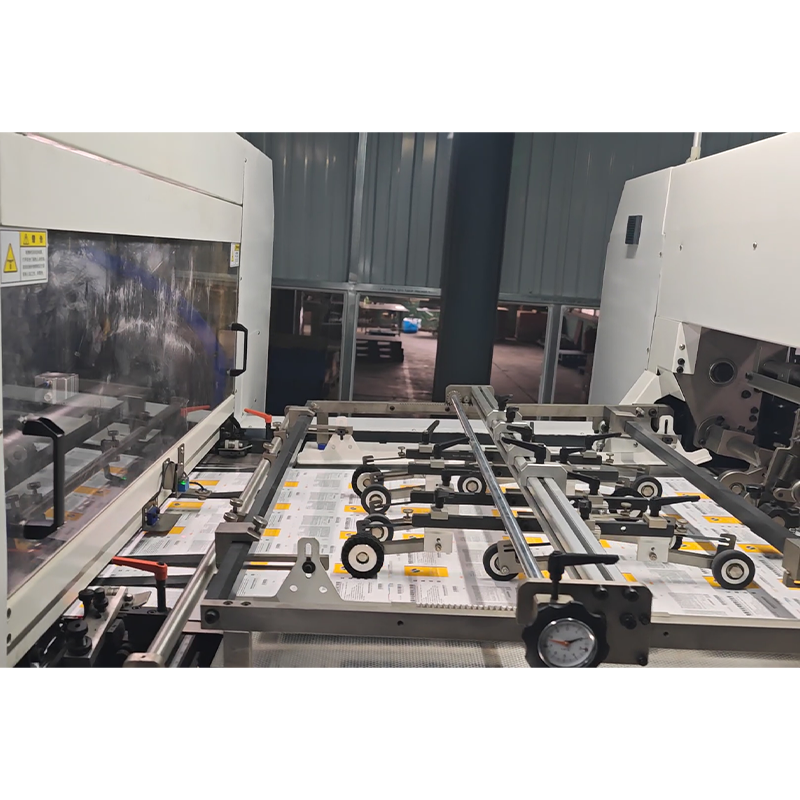
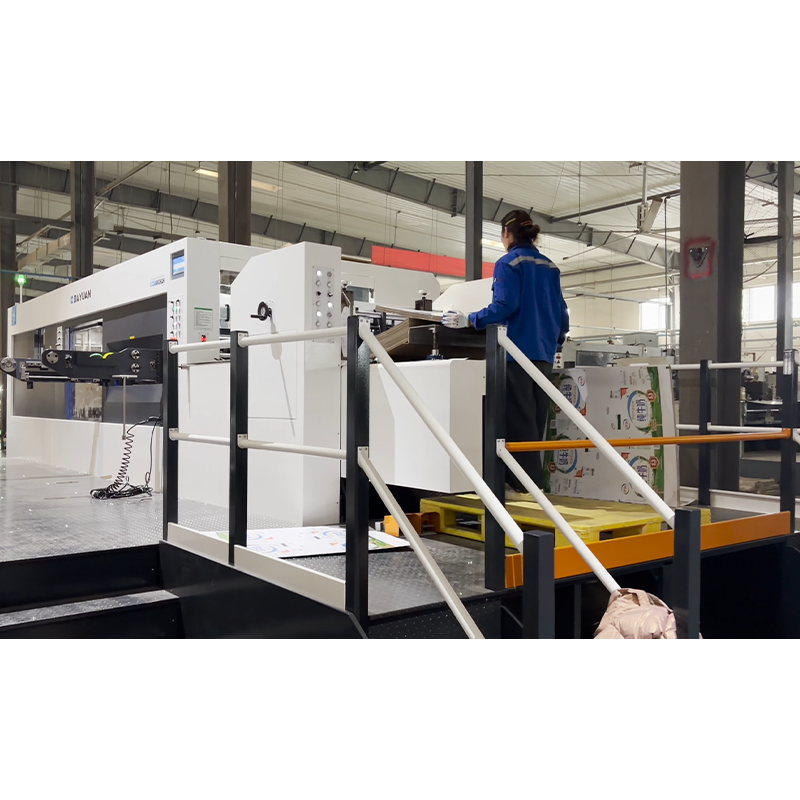
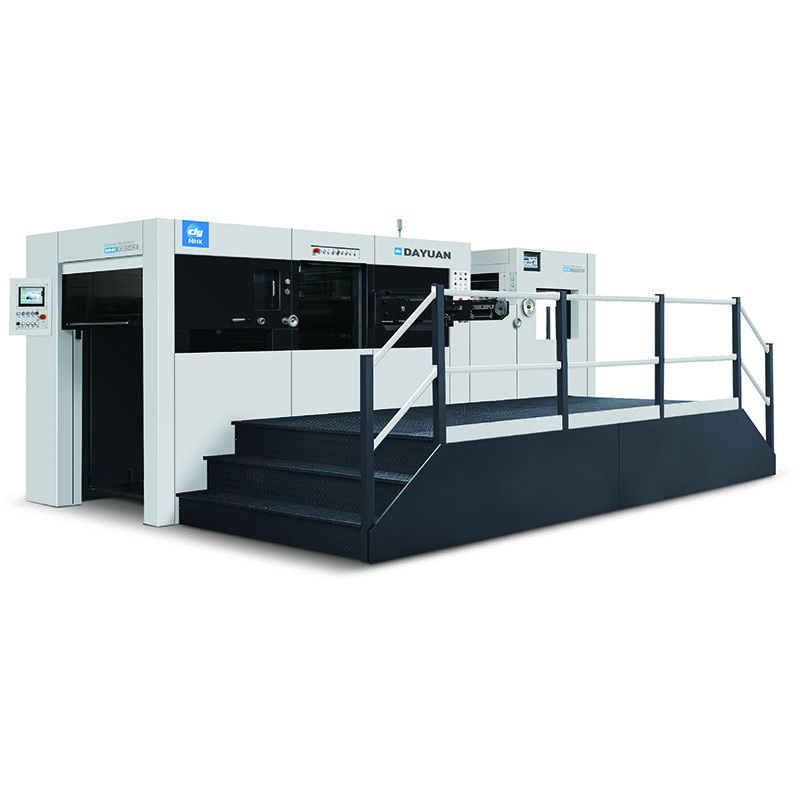
The remarkable versatility of paper die cutting machines positions them as valuable assets across diverse industries and applications, adapting seamlessly to varying production demands and creative requirements. These machines handle an impressive range of materials beyond standard paper, including cardstock, chipboard, corrugated cardboard, foam board, thin plastics, fabric, felt, leather, and metallic sheets, making them suitable for projects spanning from delicate craft items to robust industrial packaging. The adjustable pressure settings allow operators to optimize cutting force for each material type, preventing crushing of delicate stocks while ensuring complete cuts through thicker substrates. This adaptability means a single paper die cutting machine can support multiple product lines within one facility, eliminating the need for specialized equipment for each material type and maximizing return on investment. Educational institutions benefit from this versatility by using the machines for art projects, prototype development, and teaching manufacturing principles across different disciplines. Corporate environments utilize them for creating professional presentations, marketing materials, custom folders, and branded packaging that strengthens company identity. The quick-change die systems in modern machines facilitate rapid switching between projects, with some models requiring only minutes to swap dies and adjust settings for completely different applications. This flexibility proves especially valuable for businesses offering custom services, where order specifications vary considerably from client to client. A paper die cutting machine can produce intricate lace-like patterns for luxury invitations in the morning, then switch to cutting simple geometric shapes for children's educational materials in the afternoon, demonstrating remarkable range. The machines accommodate various production scales, from small batch runs of specialized items to high-volume manufacturing of standardized products, without requiring different equipment. Businesses can test market response to new products by producing small quantities initially, then scale up production using the same machine once demand is confirmed, reducing financial risk. The compatibility with different die types expands possibilities further, as magnetic dies, steel rule dies, and rotary dies each offer specific advantages for particular applications. Rotary dies excel at continuous patterns and high-speed production, while flatbed dies provide superior precision for complex shapes and thicker materials. The ability to create compound dies that perform multiple operations simultaneously further extends versatility, enabling cutting, scoring, perforating, and embossing in one machine pass.
 EN
EN