Exceptional Material Versatility for Diverse Applications
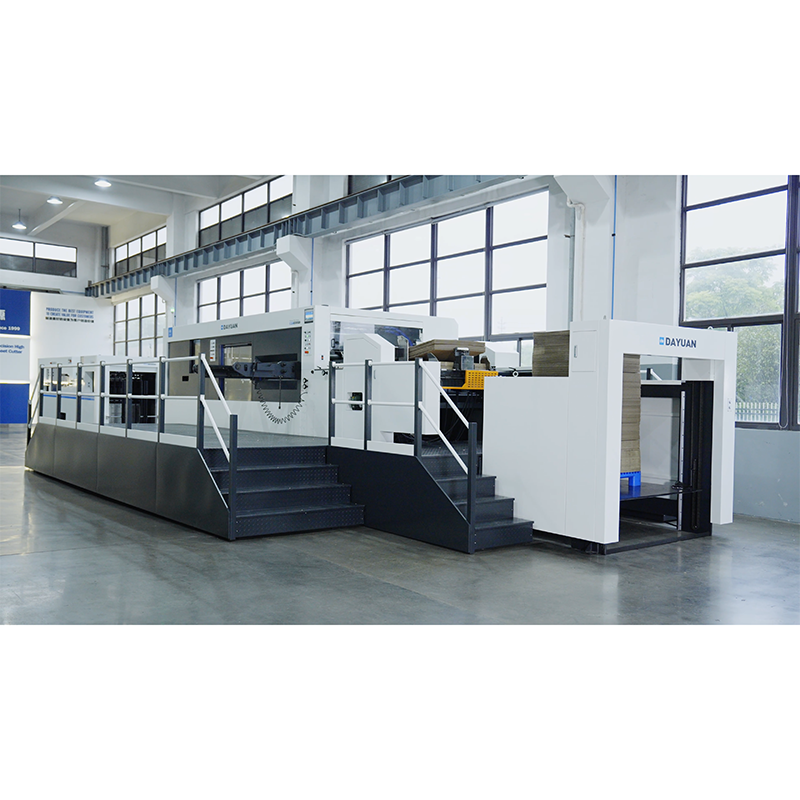
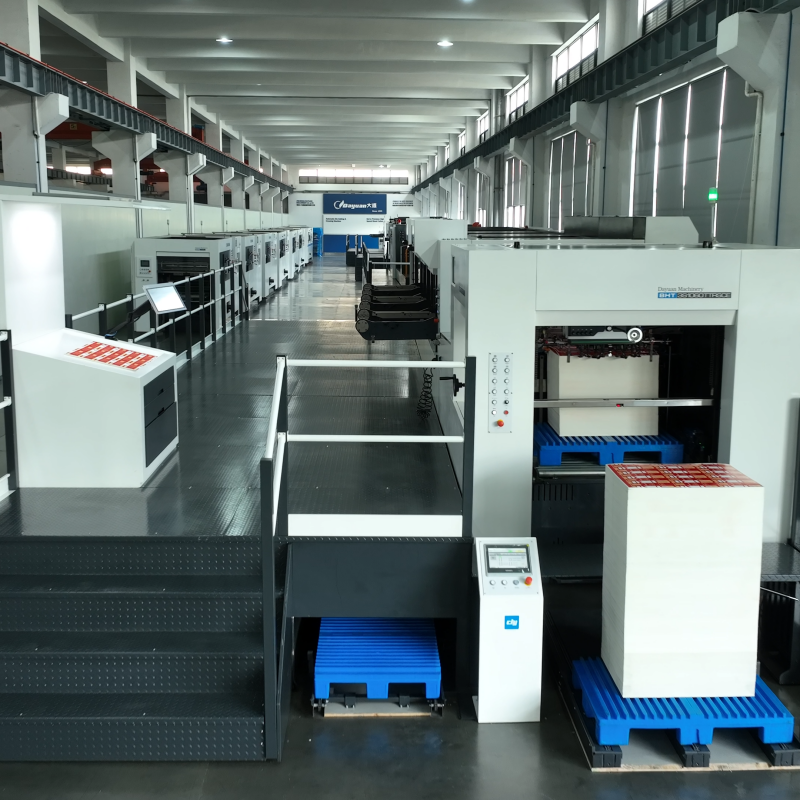
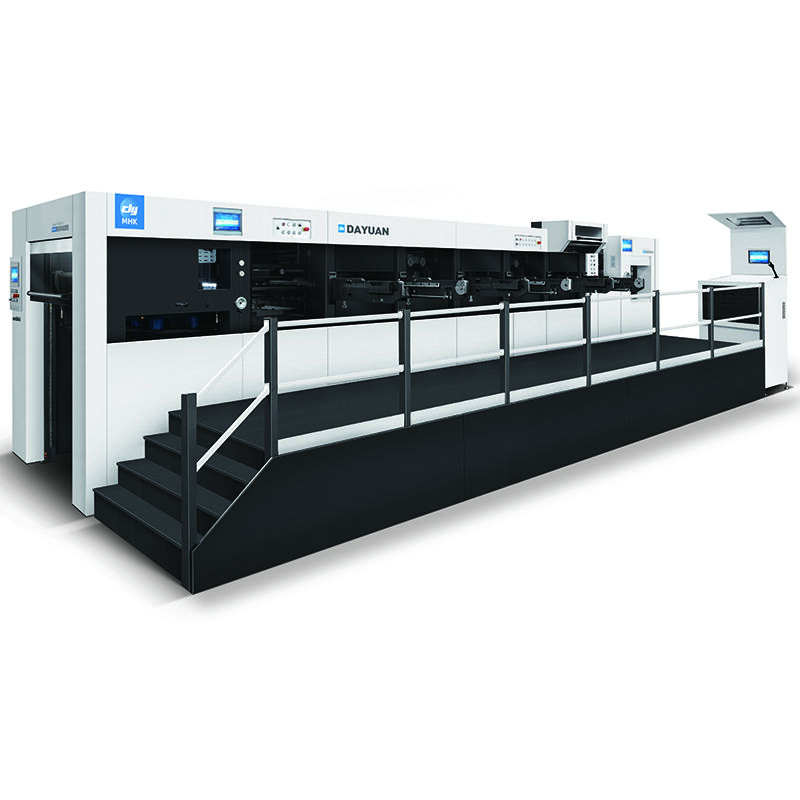
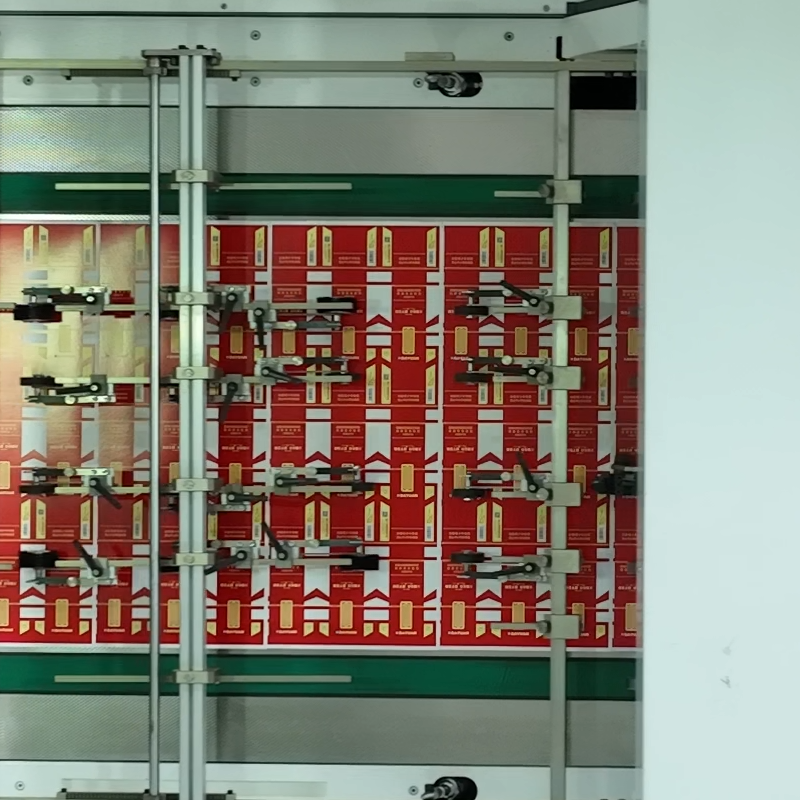
The remarkable material versatility offered by advanced die cutting and creasing machine technology enables manufacturers to consolidate multiple processes under one equipment platform, dramatically improving return on investment while simplifying production planning and equipment maintenance. This versatility begins with the ability to process materials spanning an extraordinary range of thicknesses, from tissue-thin papers measuring just a few thousandths of an inch to heavy-duty corrugated boards exceeding quarter-inch thickness, all using the same basic die cutting and creasing machine platform with appropriate die selection and pressure adjustments. The pressure control systems manage this range through sophisticated sensors and hydraulic or servo-electric actuators that deliver precisely calibrated force regardless of material resistance, ensuring optimal processing whether handling delicate substrates that tear easily or rigid materials that require substantial force for clean cutting. Material composition presents no barrier to modern die cutting and creasing machine capability, as these systems process natural fibers like paper and cardboard, synthetic materials including various plastic formulations, foam products ranging from soft cushioning to rigid structural foams, rubber compounds, gasket materials, thin metals, fabric-backed materials, and composite structures combining multiple layers with different properties. This adaptability proves invaluable for manufacturers serving diverse industries or producing products that incorporate multiple material types within single assemblies, as the same die cutting and creasing machine handles all components without requiring separate specialized equipment for each material category. The feeding and handling systems accommodate this material diversity through adjustable guides, variable-speed drives, and configurable support surfaces that prevent damage to delicate materials while maintaining control over stiffer substrates that resist bending and flexing. Surface finishes pose no challenge to quality die cutting and creasing machine processing, whether handling raw uncoated stocks, glossy coated papers, embossed textures, laminated constructions, or materials with applied adhesives, as the cutting action penetrates all surface treatments to deliver clean edges without delamination or finish damage. The die cutting and creasing machine proves equally adept at processing materials with pre-applied printing, maintaining registration accuracy that aligns cuts with graphic elements regardless of substrate type or printing method, supporting applications from simple one-color designs to complex multi-color graphics with precise die-cut windows and intricate shapes. The static control systems integrated into modern equipment prevent material handling problems caused by static electricity buildup, particularly important when processing plastic films and synthetic materials that naturally accumulate charges during processing and handling operations. Temperature variations that affect material properties receive compensation through the die cutting and creasing machine control algorithms that adjust processing parameters based on environmental conditions, maintaining consistent results whether operating in climate-controlled facilities or experiencing seasonal temperature swings.
 EN
EN