Die Cut Stamping Machine Solutions: Precision Cutting Equipment for Industrial Manufacturing

+86-577-58918888
All Categories

die cut stamping machine

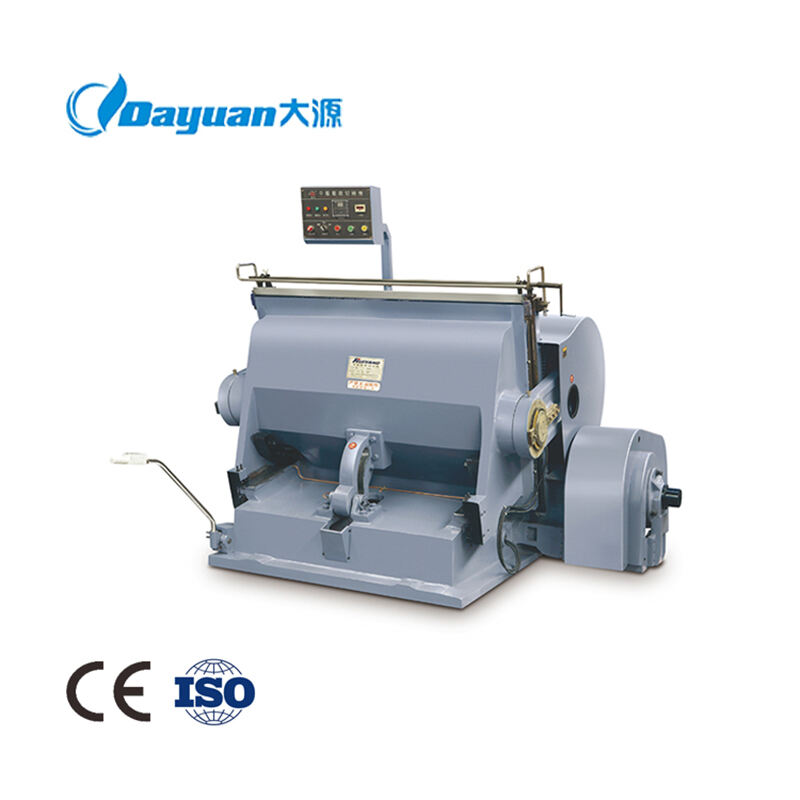
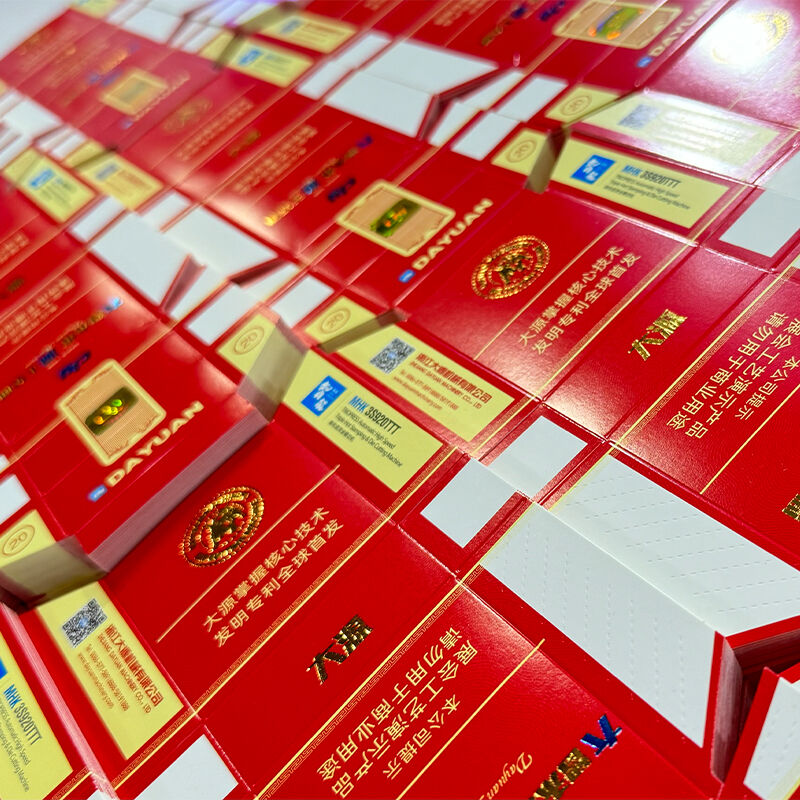
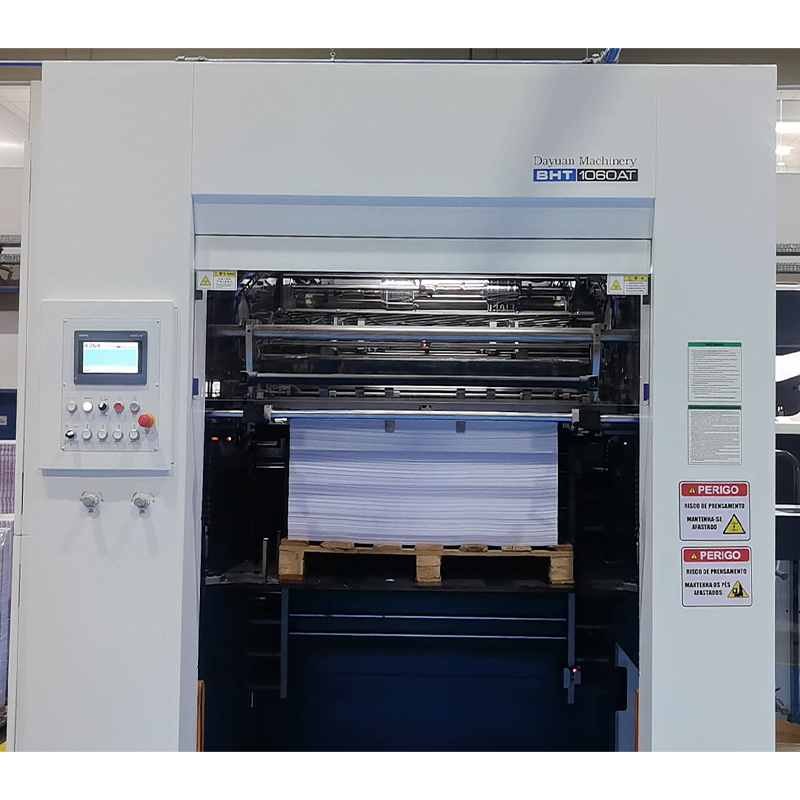
A die cut stamping machine represents a sophisticated manufacturing solution designed to deliver precision cutting, creasing, and embossing operations for various materials. This versatile equipment combines mechanical force with specially crafted dies to transform flat materials into specific shapes and designs with remarkable accuracy. The die cut stamping machine operates through a straightforward yet effective mechanism where a cutting die presses against material positioned on a flat surface, creating clean cuts and intricate patterns in a single motion. Modern versions incorporate advanced control systems that ensure consistent pressure distribution and alignment accuracy throughout production runs. The primary functions of this equipment extend beyond simple cutting to include embossing, debossing, perforation, and scoring operations. Industries ranging from packaging and printing to automotive and electronics rely on these machines to produce components with exact specifications. The technological features integrated into contemporary die cut stamping machines include programmable logic controllers for automated operation sequences, adjustable pressure settings to accommodate different material thicknesses, and precision registration systems that maintain alignment tolerances within micrometers. Safety mechanisms such as emergency stop buttons, protective guards, and dual-hand operation controls protect operators during production cycles. Many models feature quick-change tooling systems that reduce setup times when switching between different die configurations. The machine bed typically consists of hardened steel plates that withstand repeated impacts while maintaining flatness over extended periods. Applications for die cut stamping machines span numerous sectors including the production of labels, gaskets, custom packaging boxes, greeting cards, flexible circuit boards, and decorative elements. The pharmaceutical industry uses these machines to create blister pack components, while the fashion sector employs them for cutting leather goods and fabric patterns. The versatility of die cut stamping machines makes them indispensable in prototype development and full-scale manufacturing environments where precision and repeatability determine product quality and production efficiency.

New Products

Investing in a die cut stamping machine delivers substantial benefits that directly impact your bottom line and operational capabilities. The foremost advantage centers on production speed, as these machines can complete cutting operations in seconds compared to manual methods that require minutes per piece. This acceleration translates into higher output volumes without compromising quality standards, allowing businesses to fulfill larger orders within tighter deadlines. Cost efficiency represents another compelling benefit, since automated die cutting eliminates the need for multiple workers performing repetitive manual tasks. The reduction in labor requirements lowers operational expenses while freeing staff members to focus on value-added activities such as quality control and process optimization. Material waste decreases significantly when using a die cut stamping machine because the precision cutting minimizes scrap generation and enables efficient nesting of patterns to maximize material utilization. This conservation of raw materials reduces purchasing costs and supports environmental sustainability initiatives. Consistency across production runs stands as a critical advantage, with each finished piece matching exact specifications regardless of batch size. This uniformity eliminates variations that plague manual cutting methods, ensuring that every component fits perfectly during assembly operations. The flexibility offered by die cut stamping machines accommodates diverse material types including paper, cardboard, rubber, foam, plastics, and thin metals. This adaptability allows manufacturers to serve multiple markets with a single equipment investment rather than purchasing specialized tools for each material category. Customization capabilities enable businesses to respond quickly to client requests for unique designs without lengthy retooling processes. The machine accepts different die configurations, making it simple to switch between projects and accommodate short production runs economically. Safety improvements protect workers from injuries associated with manual cutting tools such as knives and scissors. The enclosed operation area and automated material handling reduce direct contact with sharp edges and moving components. Maintenance requirements remain minimal due to the robust construction of quality die cut stamping machines, with routine cleaning and lubrication sufficing to maintain peak performance. The durability of these machines ensures long service lives that extend return on investment periods. Scalability allows growing businesses to increase production capacity by adding shifts or additional machines rather than completely redesigning manufacturing processes. The straightforward operation requires minimal training time, enabling new employees to achieve proficiency quickly and maintain productivity during staff transitions. Quality assurance becomes easier to implement since the consistent output from die cut stamping machines establishes reliable baselines for inspection protocols and reduces the incidence of defective products reaching customers.

Latest News

What Should You Look for When Selecting a Paper Cutter Machine for Various Paper Types and Thicknesses?

17

Jan

What Should You Look for When Selecting a Paper Cutter Machine for Various Paper Types and Thicknesses?

Selecting the right paper cutter machine for your business operations requires careful consideration of multiple factors that directly impact productivity, quality, and cost-effectiveness. Whether you're operating a commercial printing facility, pack...
View More
Why Does Regular Blade Maintenance and Calibration Matter for Your Paper Cutter Machine's Performance?

10

Feb

Why Does Regular Blade Maintenance and Calibration Matter for Your Paper Cutter Machine's Performance?

Industrial printing operations depend heavily on precision cutting equipment to maintain quality standards and operational efficiency. A well-maintained paper cutter machine represents the cornerstone of any successful commercial printing facility, w...
View More
How to Select the Right Paper Die Cutting Machine for Your Specific Cardboard or Carton Production?

10

Feb

How to Select the Right Paper Die Cutting Machine for Your Specific Cardboard or Carton Production?

Selecting the appropriate paper die cutting machine for cardboard and carton production requires careful consideration of multiple technical and operational factors. Modern packaging industries demand precision, efficiency, and versatility in their d...
View More
How Do You Select the Right Paper Die Cutting Machine for Folding Cartons vs. Corrugated Board?

02

Apr

How Do You Select the Right Paper Die Cutting Machine for Folding Cartons vs. Corrugated Board?

Selecting the right paper die cutting machine for different packaging applications requires understanding the fundamental differences between folding carton and corrugated board production requirements. The choice between these substrate types direct...
View More

Get a Free Quote

Our representative will contact you soon.
Email
Name
Company Name
Required Product
Message
0/1000

die cut stamping machine

Unmatched Precision Engineering for Flawless Production Results

Unmatched Precision Engineering for Flawless Production Results

The die cut stamping machine delivers precision that transforms manufacturing capabilities through advanced engineering principles and meticulous construction standards. At the core of this precision lies the alignment system, which employs optical sensors and mechanical guides to position materials within tolerances measured in fractions of millimeters. This exacting placement ensures that cutting dies contact materials at precisely the intended locations, eliminating the positional errors that compromise product quality in less sophisticated equipment. The pressure distribution system represents another critical element contributing to precision outcomes. Hydraulic or pneumatic mechanisms apply force evenly across the entire cutting surface, preventing the uneven compression that creates incomplete cuts or material distortion. Pressure sensors monitor force levels continuously and adjust delivery to maintain consistency regardless of material thickness variations or die wear patterns. The machine frame construction utilizes rigid materials and reinforcement structures that resist flexing under operational loads, maintaining geometric relationships between cutting surfaces throughout millions of cycles. This structural stability proves essential when producing components with tight dimensional requirements where even minor deviations cause assembly problems or functional failures. Temperature management systems prevent thermal expansion from affecting precision by controlling heat generated during high-speed operations. Cooling channels and heat dissipation designs maintain stable operating temperatures that preserve dimensional accuracy. The die mounting system incorporates quick-release mechanisms with positive locking features that secure cutting dies in exact positions without gradual shifting during production runs. Magnetic bases or mechanical clamps provide firm attachment while allowing rapid changeovers when switching between different cutting patterns. Registration mark detection enhances precision for printed materials requiring accurate alignment between graphics and cut lines. Camera systems or photoelectric sensors identify position marks and trigger cutting actions at precisely the right moment, ensuring that decorative elements and functional features align perfectly. The control interface allows operators to input specific parameters for each job, storing settings in memory for instant recall when repeating previous runs. This programmability eliminates setup variations and ensures that production quality remains constant across time periods and different operator shifts. Precision maintenance features include adjustment mechanisms that compensate for normal wear, keeping the machine performing at original specifications throughout its service life. Bearing assemblies use sealed designs that exclude contaminants while retaining lubrication, preventing the play and wobble that degrades cutting accuracy. The result of these precision engineering elements is a die cut stamping machine that produces parts matching design specifications consistently, reducing rejection rates and eliminating costly rework operations that erode profit margins.
Versatile Material Handling Capabilities Across Diverse Industries

Versatile Material Handling Capabilities Across Diverse Industries

The die cut stamping machine excels at processing an extraordinarily wide range of materials, making it an invaluable asset for businesses serving multiple industries or those requiring flexibility to adapt to changing market demands. This versatility begins with the adjustable pressure settings that accommodate materials ranging from delicate tissue paper to rigid plastics and thin metal sheets. Operators simply adjust force parameters through the control panel, and the machine applies exactly the right amount of pressure to cut cleanly without crushing fragile materials or failing to penetrate tougher substances. The open bed design accepts materials in various forms including sheets, rolls, and pre-cut blanks, eliminating the need to reformat raw materials before processing. Automatic feeding systems can be integrated for continuous operation with roll stock, while manual loading remains an option for shorter runs or irregular material formats. Thickness capacity varies by model but typically spans from ultra-thin films measuring mere micrometers to composite materials several millimeters thick. This range covers the vast majority of materials used in light manufacturing and converting operations. The machine handles fibrous materials like paper and cardboard without tearing or creating ragged edges that require secondary finishing operations. Synthetic materials including polyethylene, polypropylene, and polyester films cut cleanly with sealed edges that resist fraying. Foam products compress appropriately during cutting and return to their original thickness after die removal, maintaining the cushioning properties essential for protective packaging applications. Rubber compounds and gasket materials withstand the shearing forces involved in die cutting without distortion, producing seals with precise dimensions that ensure proper fit and function. Adhesive-backed materials process smoothly as the die cut stamping machine separates face stock from backing materials without premature adhesive activation or liner damage. Specialty materials such as magnetic sheets, reflective films, and conductive fabrics respond well to the controlled cutting action, maintaining their functional properties throughout the conversion process. The ability to process laminates and composite materials expands application possibilities further, allowing manufacturers to work with engineered materials that combine different substrates for enhanced performance characteristics. Food-grade materials used in packaging applications cut hygienically without contamination since the enclosed operation area prevents exposure to environmental pollutants. Medical-grade materials meet stringent cleanliness standards when processed on properly maintained equipment. The die cut stamping machine adapts to seasonal material variations and supplier changes without requiring extensive recalibration, providing operational continuity even when raw material sources shift. This material versatility translates into business advantages including the ability to accept diverse customer orders, enter new market segments without capital equipment additions, and respond to innovation opportunities involving novel materials as they emerge in the marketplace.

Streamlined Workflow Integration Boosting Overall Productivity

Streamlined Workflow Integration Boosting Overall Productivity

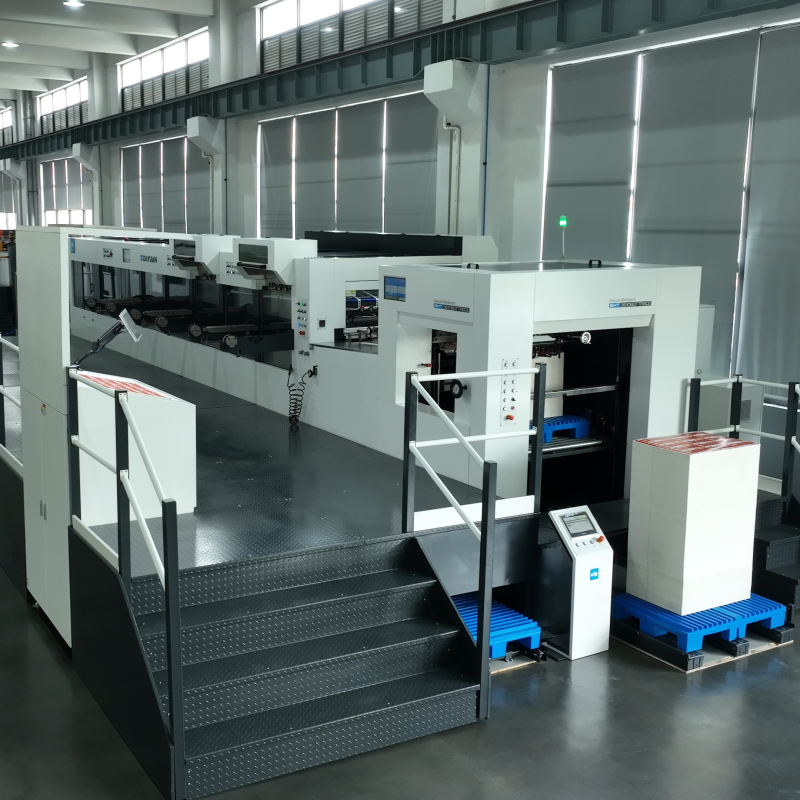
The die cut stamping machine integrates seamlessly into existing production workflows, creating efficiency improvements that extend far beyond the cutting operation itself. This integration capability stems from thoughtful design features that consider the complete manufacturing environment rather than viewing the machine as an isolated tool. Material handling compatibility represents the first integration point, with input and output heights matching standard conveyor elevations and table heights found in most facilities. This dimensional coordination eliminates the need for custom transfer equipment or manual lifting that slows production flow and increases injury risks. The machine footprint optimizes floor space utilization by concentrating functionality into compact dimensions that fit within typical facility layouts without requiring building modifications. Mounting options include fixed installations for dedicated production lines and mobile configurations with locking casters that enable repositioning to support flexible manufacturing strategies. Electrical requirements match standard industrial power supplies, avoiding the specialized electrical infrastructure that complicates installation and limits placement options. Control systems communicate through industry-standard protocols, enabling connection to factory networks for production monitoring and data collection. This connectivity supports modern manufacturing initiatives including real-time production tracking, predictive maintenance scheduling, and quality management systems that rely on automated data capture. The die cut stamping machine generates operational data including cycle counts, uptime percentages, and maintenance alerts that feed into enterprise resource planning systems for comprehensive production visibility. Upstream integration connects the machine to printing presses, coating stations, and laminating equipment through coordinated timing and material transfer mechanisms. Registration systems maintain alignment between operations, ensuring that cutting occurs in proper relationship to previously applied graphics or functional layers. Downstream integration links the machine to waste removal systems that automatically extract scrap materials and sorting equipment that organizes finished pieces according to subsequent processing requirements. Quick-change tooling systems minimize downtime during product transitions, keeping production lines moving efficiently when switching between different items. Tool storage solutions position dies conveniently near the machine, reducing the time operators spend retrieving and installing cutting configurations. Training requirements remain modest due to intuitive control interfaces that employ familiar touchscreen technology and logical menu structures. New operators achieve basic proficiency within hours rather than days, minimizing the productivity impact of workforce changes. Safety interlocks prevent operation unless protective guards are properly positioned, ensuring compliance with workplace safety regulations without imposing burdensome procedures on operators. Maintenance access points locate conveniently for service technicians, with clear sight lines to wear components and logical access panels that expose maintenance areas without extensive disassembly. The standardized component selection uses readily available parts rather than proprietary items that require lengthy procurement processes when replacements become necessary. This parts availability minimizes unplanned downtime and reduces inventory carrying costs. The die cut stamping machine ultimately functions as a productivity multiplier within manufacturing operations, enhancing efficiency through thoughtful integration features that recognize the interconnected nature of modern production environments and deliver improvements across entire operational workflows.

Get a Free Quote

Our representative will contact you soon.
Email
Name
Company Name
Required Product
Message
0/1000