Die Embossing Machine: Professional Embossing Equipment for Premium Product Finishing

+86-577-58918888
All Categories

die embossing machine

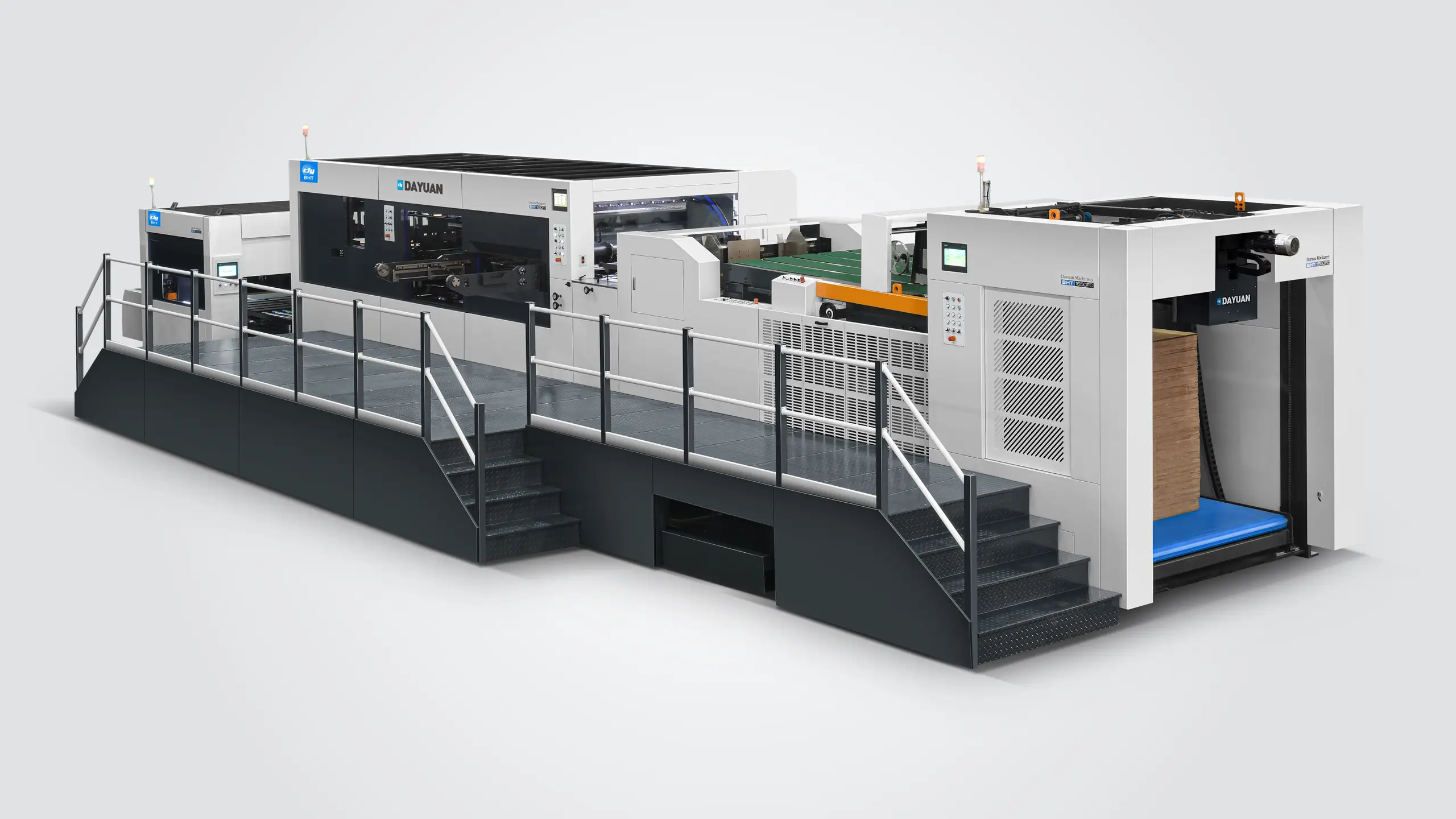
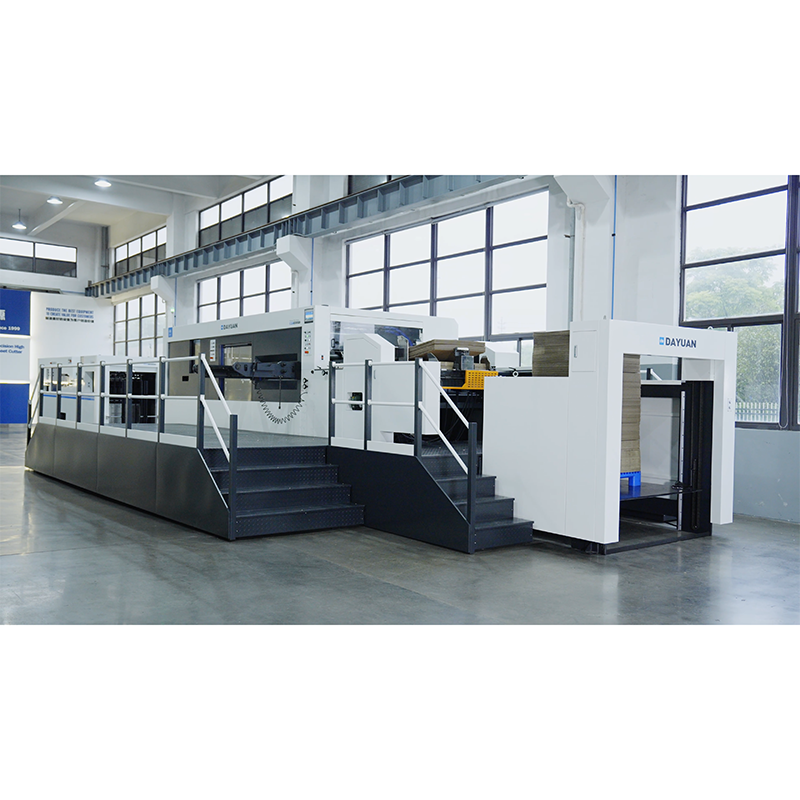
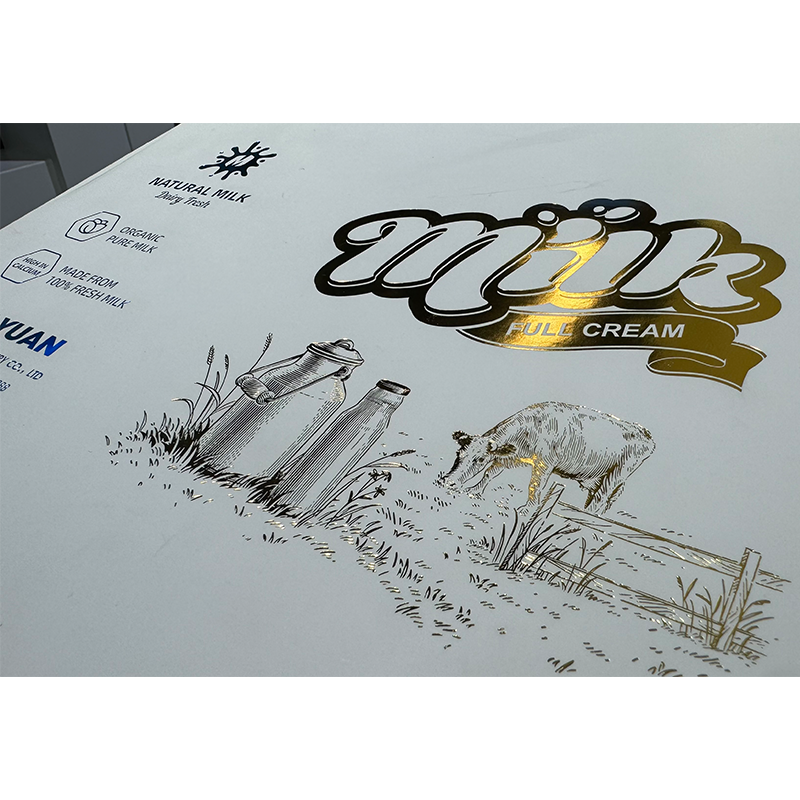
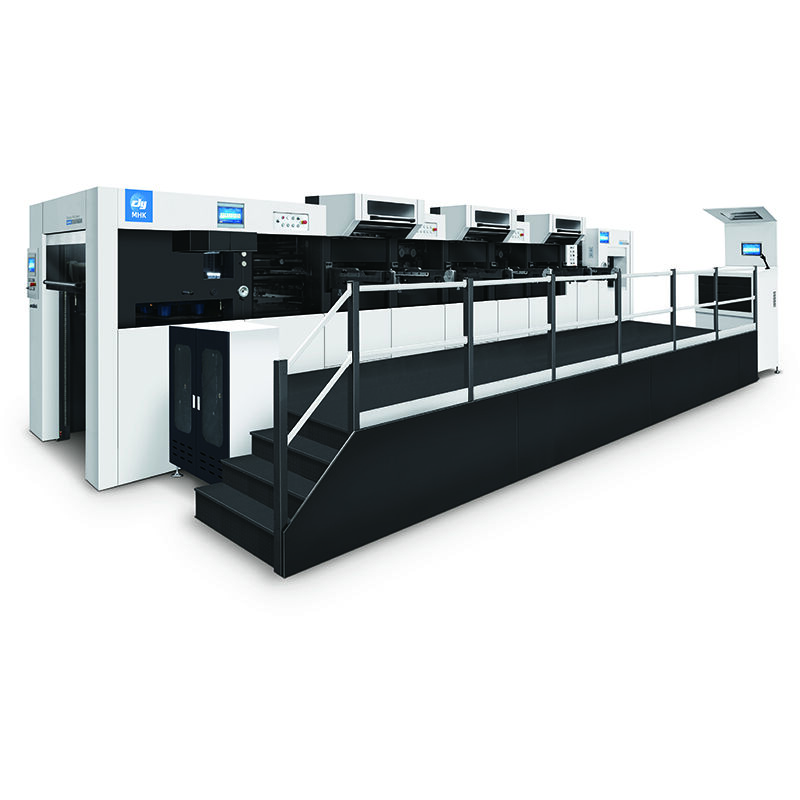
A die embossing machine represents a sophisticated piece of industrial equipment designed to create raised or recessed designs on various materials through precision stamping and forming processes. This specialized machinery utilizes custom-made dies to imprint intricate patterns, textures, logos, and decorative elements onto substrates ranging from paper and cardboard to leather, plastic, and thin metal sheets. The die embossing machine operates through a mechanical or hydraulic press system that applies controlled pressure, forcing the material between a male and female die set to produce dimensionally accurate embossed or debossed results. Modern die embossing machines incorporate advanced control systems that allow operators to adjust pressure levels, temperature settings, and dwell times to accommodate different material properties and design requirements. These machines come in various configurations, including manual, semi-automatic, and fully automatic models, with production capacities ranging from small-scale operations to high-volume industrial manufacturing. The technological architecture of a die embossing machine typically includes a sturdy frame construction, precision alignment systems, adjustable pressure mechanisms, heating elements for thermoplastic materials, and safety features to protect operators during production cycles. Applications for die embossing machines span numerous industries, including packaging and printing, where they create eye-catching product labels and premium packaging designs; stationery manufacturing, producing embossed business cards, invitations, and certificates; leather goods production, adding brand logos and decorative patterns to wallets, belts, and handbags; automotive interiors, creating textured dashboard components and trim pieces; and security printing, incorporating tactile features into official documents and currency. The versatility of die embossing machine technology enables manufacturers to add value to their products by creating distinctive three-dimensional effects that enhance visual appeal, communicate quality, and provide brand differentiation in competitive markets.

New Product Recommendations

Investing in a die embossing machine delivers substantial benefits that directly impact your production efficiency and product quality. First and foremost, these machines dramatically enhance the perceived value of your products by adding sophisticated three-dimensional textures and patterns that immediately catch customer attention. When shoppers encounter embossed packaging or products, they instinctively associate the tactile quality with premium manufacturing standards, which justifies higher price points and strengthens brand positioning. The die embossing machine enables you to differentiate your offerings in crowded marketplaces where visual impact determines purchasing decisions. Beyond aesthetic improvements, these machines provide remarkable production consistency that manual methods simply cannot match. Once you set up the die embossing machine with proper parameters, it reproduces identical results across thousands or millions of impressions, eliminating variations that compromise quality control. This repeatability reduces waste, minimizes rejected products, and ensures every item leaving your facility meets exact specifications. The operational efficiency gains prove equally compelling, as modern die embossing machines complete embossing cycles in seconds rather than minutes, multiplying your throughput capacity without proportional increases in labor costs. Automation features reduce the physical demands on workers while improving workplace safety through built-in protection mechanisms that prevent accidents during operation. The versatility of die embossing machine equipment means you can work with diverse materials without purchasing separate specialized tools for each substrate type. By adjusting temperature, pressure, and timing settings, the same machine handles paper, cardboard, leather, plastics, and foils, maximizing your capital equipment investment. Maintenance requirements remain manageable, with robust construction ensuring years of reliable service when you follow recommended care protocols. The quick changeover capability between different dies allows you to switch production runs efficiently, accommodating both large volume orders and smaller custom batches without extensive downtime. Energy consumption remains reasonable compared to alternative decorating methods, particularly when you consider the output volume achieved per kilowatt hour. The precision alignment systems built into quality die embossing machines guarantee accurate registration, critical when embossing must align perfectly with printed graphics or other decorative elements. Finally, the environmental profile of embossing compares favorably to chemical or coating-based decoration methods, as the mechanical process generates no harmful emissions or hazardous waste requiring special disposal procedures.

Tips And Tricks

How to Choose a Flatbed Die Cutter for Thick Materials

13

Mar

How to Choose a Flatbed Die Cutter for Thick Materials

Understanding Industrial Die Cutting Excellence The world of industrial die cutting has evolved significantly, with flatbed die cutters emerging as essential tools for businesses handling thick materials. These robust machines combine precision, powe...
View More
How Does a High-Precision Paper Cutter Machine Ensure Perfect Edge Quality for Fine Printing?

10

Feb

How Does a High-Precision Paper Cutter Machine Ensure Perfect Edge Quality for Fine Printing?

In the demanding world of fine printing and commercial printing operations, achieving consistently perfect edge quality remains one of the most critical challenges facing print professionals. The difference between an acceptable print job and an exce...
View More
What Key Maintenance Steps Ensure Consistent Performance in a High-Cycle Paper Die Cutting Machine?

10

Feb

What Key Maintenance Steps Ensure Consistent Performance in a High-Cycle Paper Die Cutting Machine?

Industrial packaging and printing operations rely heavily on the consistent performance of their paper die cutting machine systems to meet demanding production schedules. These sophisticated pieces of equipment process thousands of sheets per hour, c...
View More
What Maintenance Routines Extend the Lifespan of Your Industrial Paper Cutter Machine?

18

Mar

What Maintenance Routines Extend the Lifespan of Your Industrial Paper Cutter Machine?

Proper maintenance of an industrial paper cutter machine is crucial for maximizing operational efficiency and extending equipment lifespan in commercial printing environments. These sophisticated cutting systems require systematic care to maintain pr...
View More

Get a Free Quote

Our representative will contact you soon.
Email
Name
Company Name
Required Product
Message
0/1000

die embossing machine

Superior Pattern Definition and Depth Control

Superior Pattern Definition and Depth Control

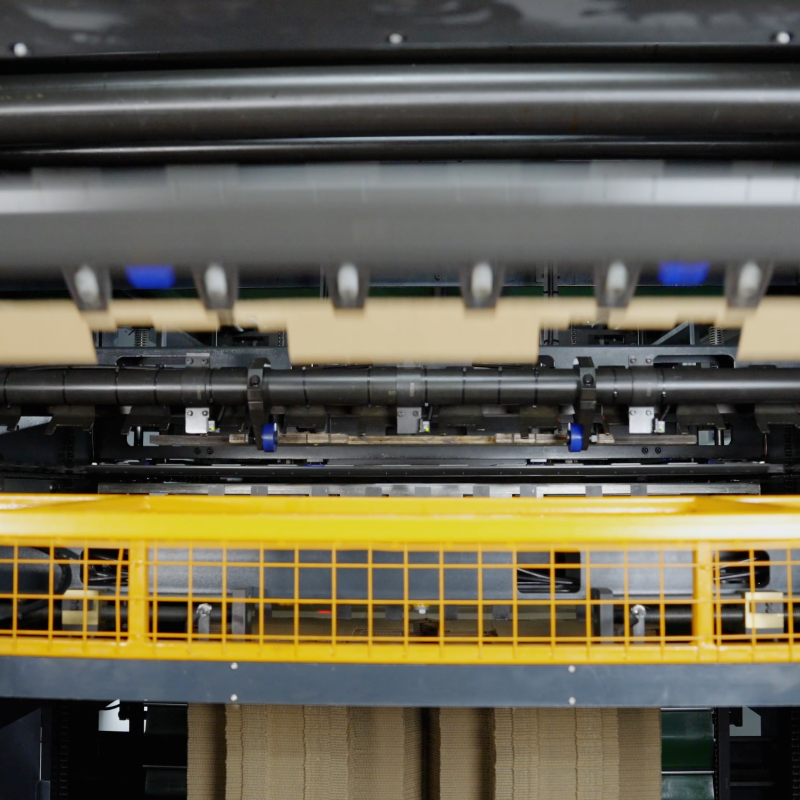
The die embossing machine excels at producing exceptionally crisp, well-defined patterns with precise depth control that transforms ordinary surfaces into premium textured products. This capability stems from the engineered relationship between matched die sets and the controlled force application system that characterizes professional embossing equipment. When you examine embossed output from a quality die embossing machine, you notice sharp edges, consistent relief heights, and intricate details that remain clearly visible even in complex multi-level designs. The machine achieves this superior definition through several integrated mechanisms working in concert. The rigid frame construction eliminates flexing during the impression cycle, ensuring the entire die surface contacts the material with uniform pressure distribution. Precision alignment systems, often incorporating guide pins or optical sensors, guarantee the upper and lower dies meet in perfect registration regardless of how many cycles the machine has completed. The adjustable pressure controls allow operators to dial in the exact force required for specific material thicknesses and compositions, preventing both under-embossing that produces weak impressions and over-embossing that damages substrates or dies. Temperature regulation systems, essential when working with thermoplastic materials, maintain consistent heating that softens materials just enough to accept permanent deformation without causing discoloration or degradation. The dwell time controls determine how long pressure remains applied at maximum force, giving materials adequate time to conform to die contours before release. This combination of precision mechanical components and adjustable parameters means the die embossing machine adapts to challenging applications like shallow background textures combined with deep foreground elements, or designs requiring smooth transitions between embossed and flat areas. The depth control capability proves particularly valuable in security applications where specific tactile features must meet standardized specifications, or in premium packaging where embossed elements need to coordinate with foil stamping, spot UV coatings, or other decorative processes applied in subsequent operations. Manufacturers appreciate how this precise control over pattern definition eliminates the trial-and-error approach that wastes materials and production time, instead delivering correct results from the first production run.
Versatile Material Compatibility and Processing Range

Versatile Material Compatibility and Processing Range

The remarkable material versatility of die embossing machine systems opens opportunities across diverse manufacturing sectors that require decorative or functional surface texturing. Unlike specialized equipment limited to narrow material categories, a properly configured die embossing machine processes an impressive range of substrates with appropriate die selection and parameter adjustments. Paper and paperboard products, from lightweight tissue to heavy chipboard, respond beautifully to embossing processes that create everything from subtle linen textures to bold dimensional logos. The machine handles coated and uncoated stocks, accommodating the specific release characteristics and compression properties each presents. Cardboard packaging benefits enormously from embossing capabilities, as corrugated materials accept patterns that add structural rigidity while creating visual interest on shipping containers and retail packaging. Leather and synthetic leather materials widely used in fashion accessories, upholstery, and automotive applications emboss with exceptional results when the die embossing machine applies heat along with pressure, allowing thermoplastic binders to soften and accept permanent pattern transfer. Various plastic films and sheets, including PVC, PET, polypropylene, and specialty polymers, emboss successfully within controlled temperature ranges that prevent melting while enabling material flow into die cavities. Metallic foils and thin metal sheets accept embossing patterns for decorative trim, nameplates, and specialty applications where the die embossing machine creates both visual texture and structural forming in a single operation. Textile materials, particularly non-woven fabrics and synthetic blends, benefit from embossing processes that add texture patterns, improve grip characteristics, or create decorative surface variations. The processing range extends beyond material types to encompass thickness variations from gossamer-thin tissues to robust multi-layer laminates, with the die embossing machine accommodating this span through adjustable platens and pressure systems. This versatility delivers significant economic advantages, as manufacturers avoid investing in multiple specialized machines for different material categories. A single die embossing machine serves multiple production lines, switching between applications as order requirements dictate. The ability to process diverse materials also encourages product innovation, enabling designers to specify embossed textures on unconventional substrates that differentiate products in competitive markets.

Enhanced Production Efficiency and Operational Economy

Enhanced Production Efficiency and Operational Economy

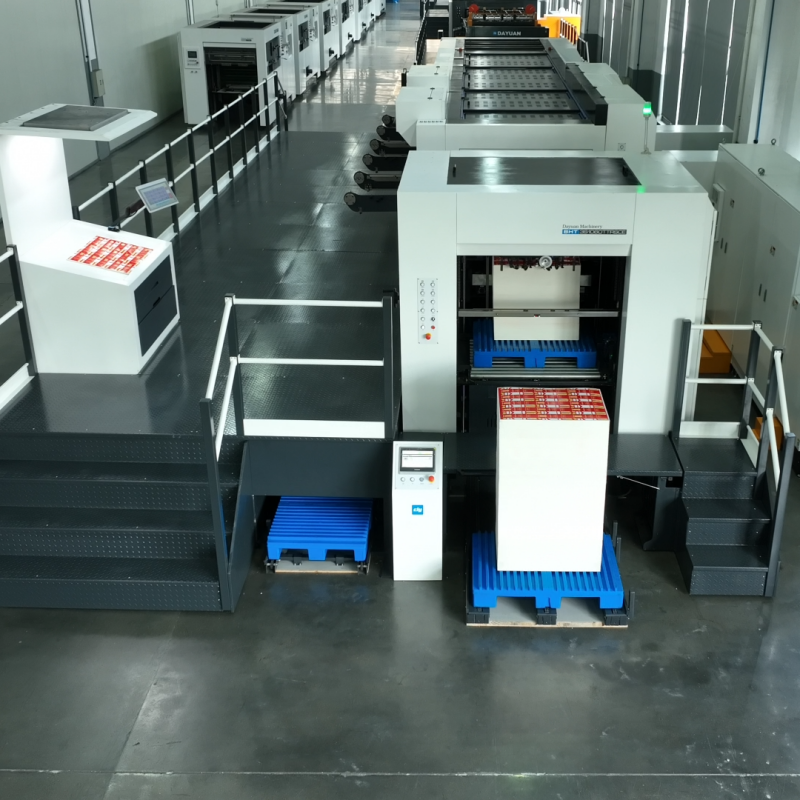
The die embossing machine transforms production economics by delivering exceptional throughput speeds, minimal waste generation, and reduced labor requirements compared to alternative decorating methods or manual embossing techniques. Modern automated die embossing machines complete full embossing cycles in mere seconds, with high-speed models processing thousands of impressions per hour depending on design complexity and material characteristics. This rapid cycling capability means relatively compact equipment footprints generate output volumes that previously required much larger production areas and multiple manual stations. The efficiency gains multiply when you consider the quick-change die systems incorporated into contemporary die embossing machine designs, which allow operators to swap between different patterns in minutes rather than hours, minimizing downtime between production runs and enabling economical processing of smaller batch quantities that manual methods rendered unprofitable. The precision and consistency inherent in die embossing machine operation directly reduce material waste, as the controlled process eliminates the trial pieces, alignment errors, and pressure variations that generate rejects in manual workflows. When you calculate the true cost per finished piece, the die embossing machine demonstrates compelling advantages through this waste reduction alone, particularly when working with expensive specialty materials where every spoiled piece impacts profitability. Labor efficiency improvements prove equally significant, as one skilled operator manages die embossing machine production that would otherwise require multiple workers performing manual embossing operations. The automation reduces physical strain on employees while freeing personnel for higher-value tasks like quality inspection, die maintenance, and production planning. Energy consumption metrics favor die embossing machines over alternative decoration technologies, particularly when compared to processes requiring extended curing times, multiple application passes, or energy-intensive drying systems. The mechanical embossing process consumes power primarily during the brief impression cycle, with modern machines incorporating energy-efficient motors and intelligent standby modes that minimize consumption during idle periods. Maintenance costs remain predictable and manageable, as die embossing machines feature robust construction with accessible components that facilitate routine servicing without requiring specialized technicians for basic upkeep. The longevity of quality die embossing machine equipment means the capital investment amortizes over many production years, while the dies themselves withstand hundreds of thousands of impressions before requiring replacement or refurbishment, further improving the operational economy.

Get a Free Quote

Our representative will contact you soon.
Email
Name
Company Name
Required Product
Message
0/1000