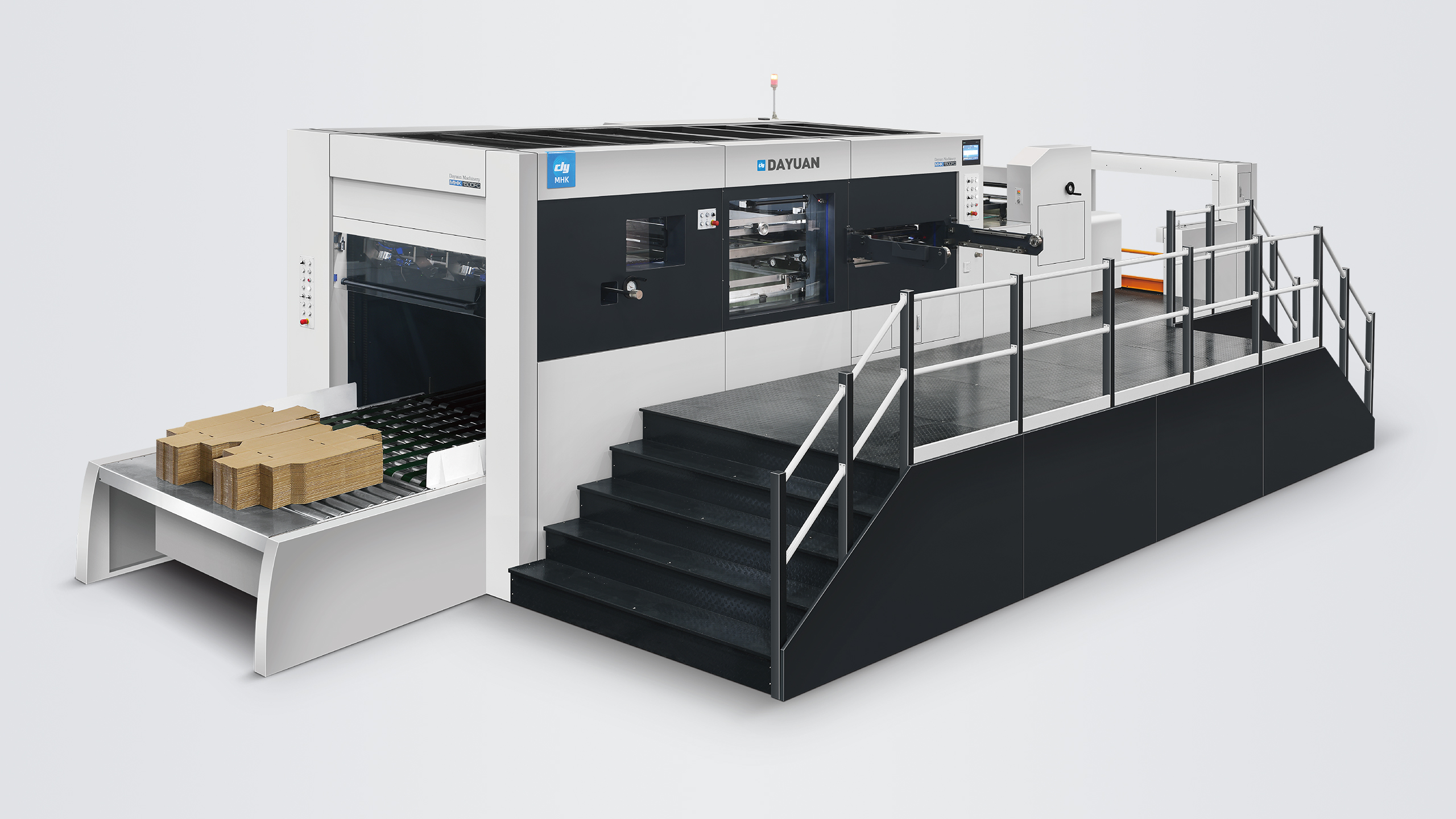
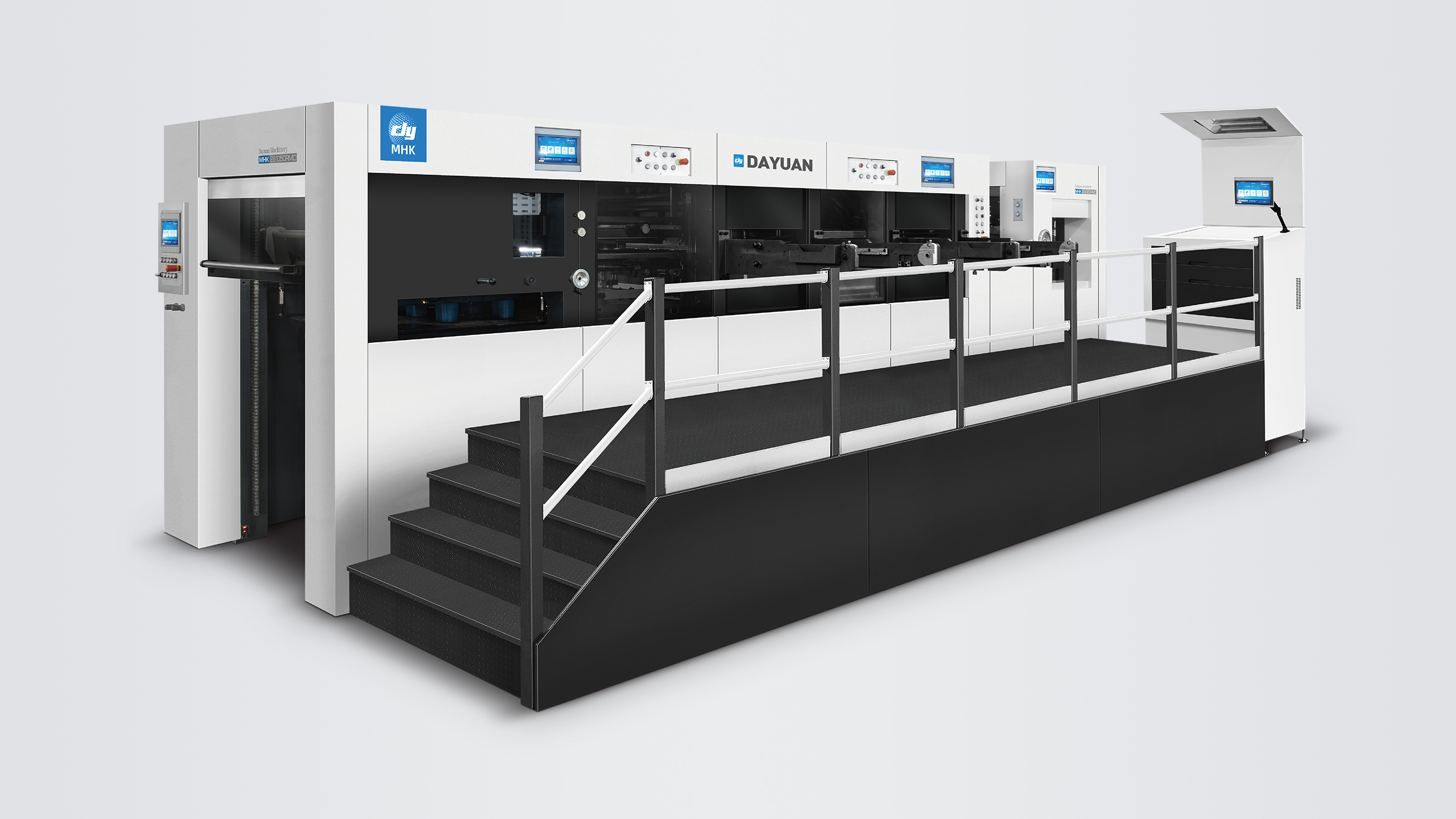
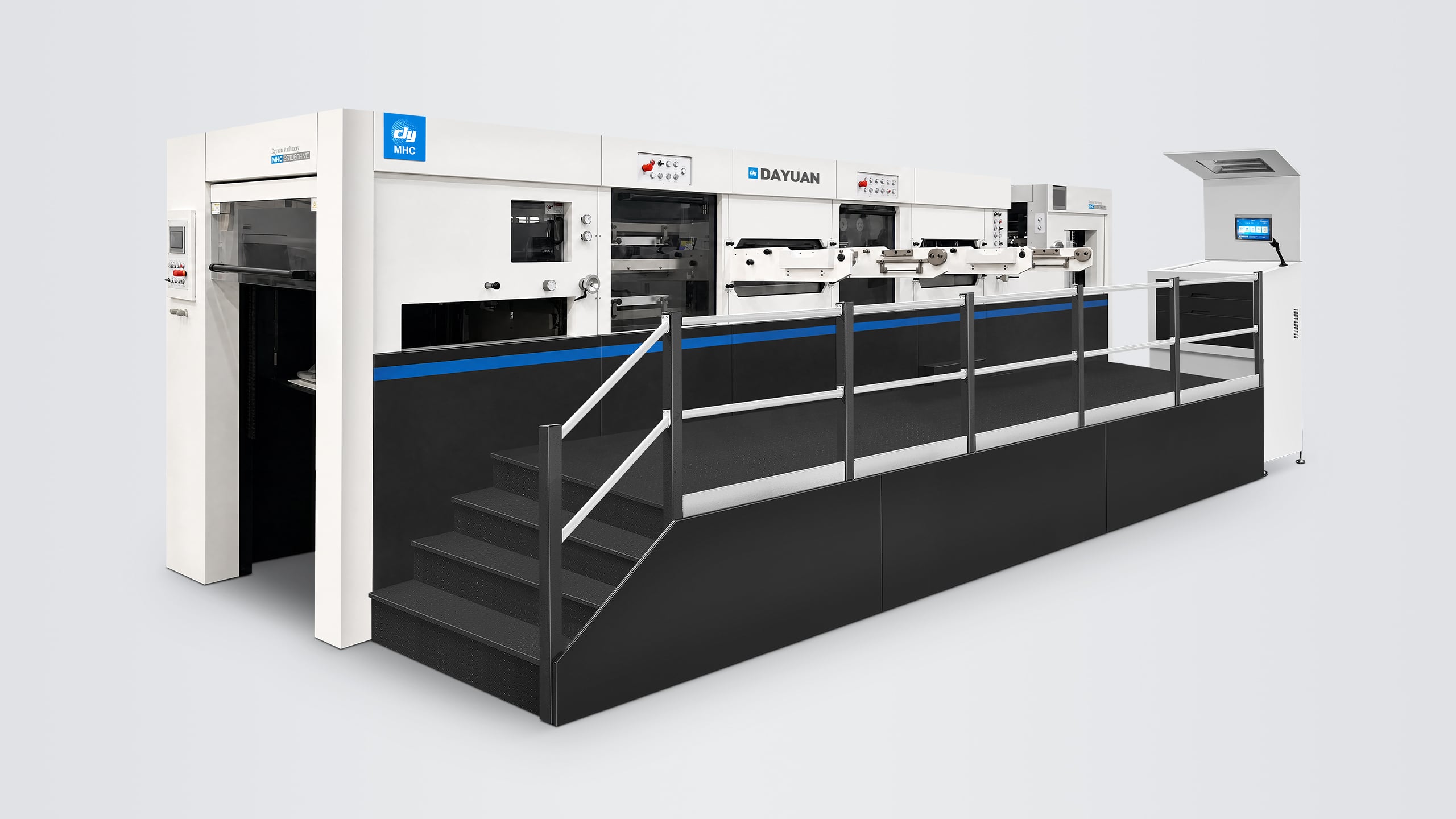
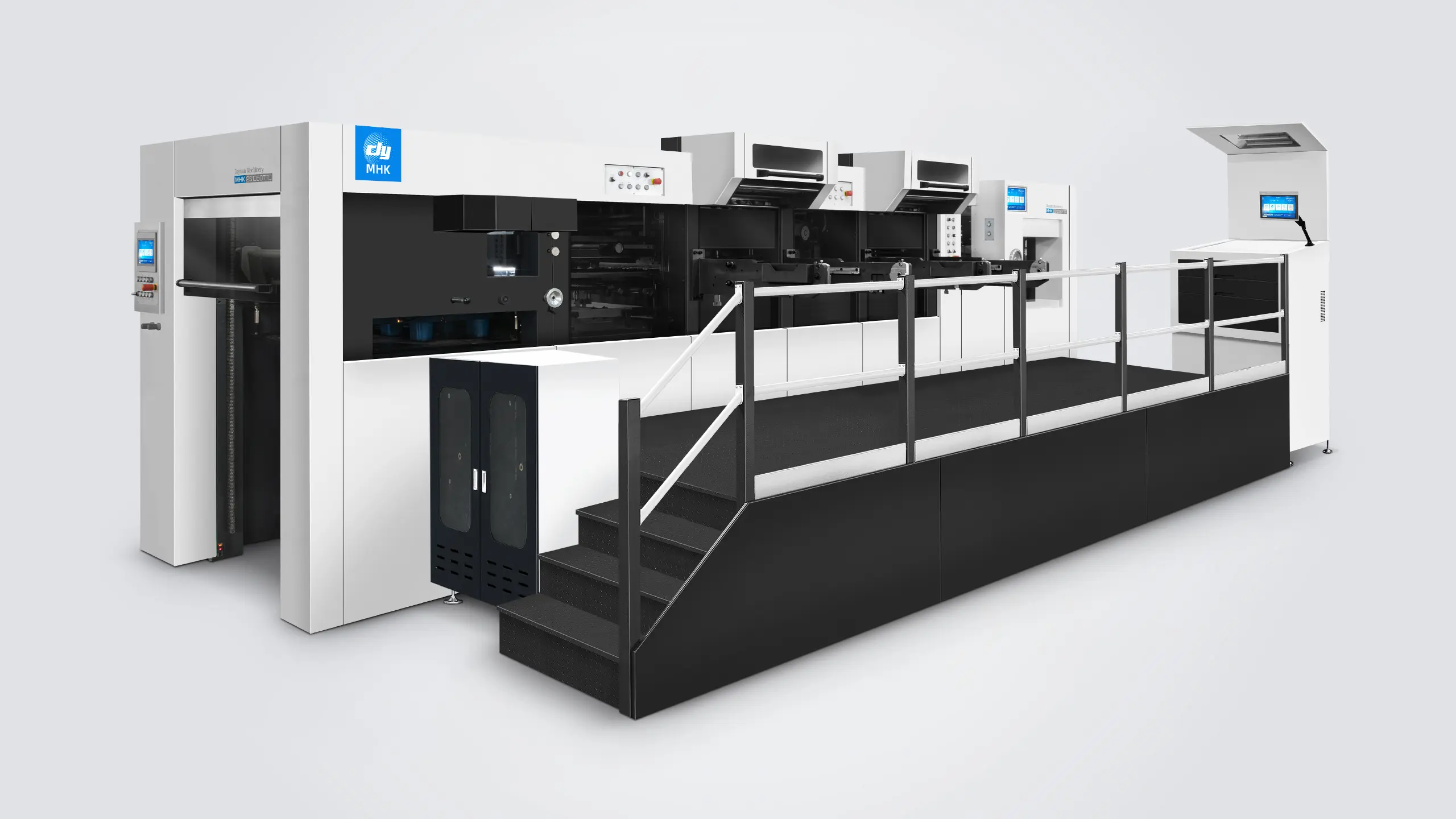
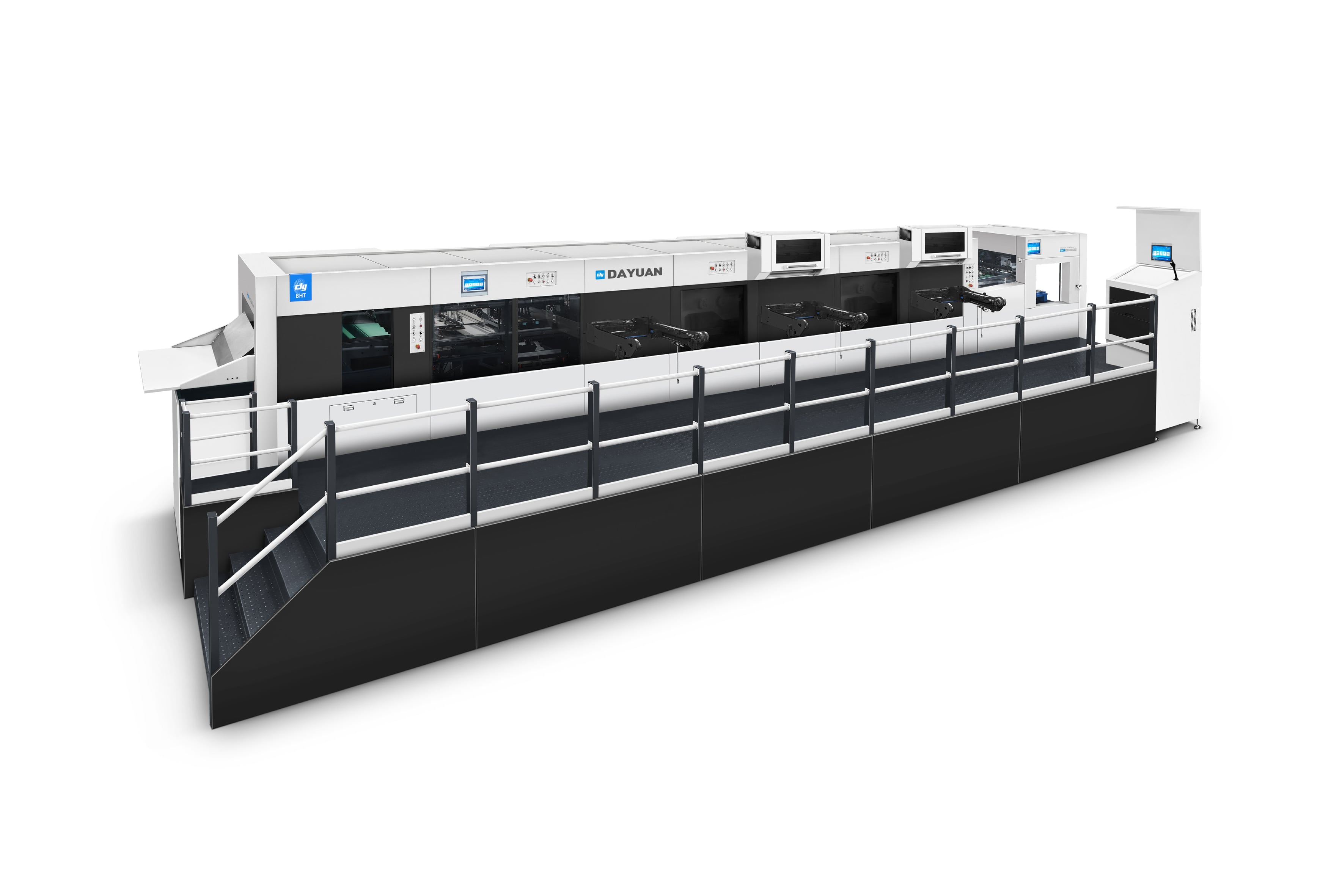
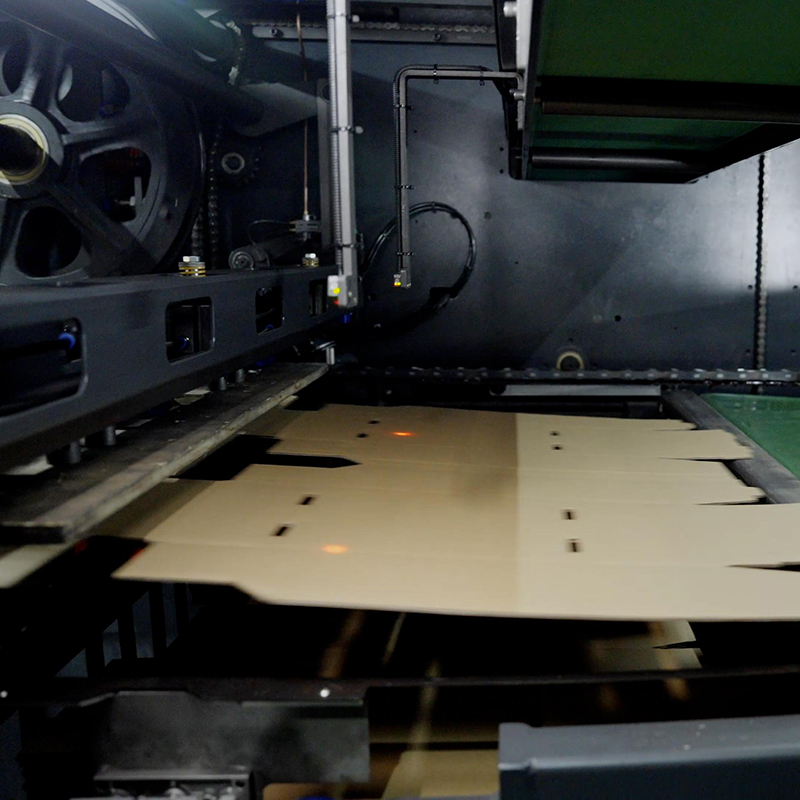
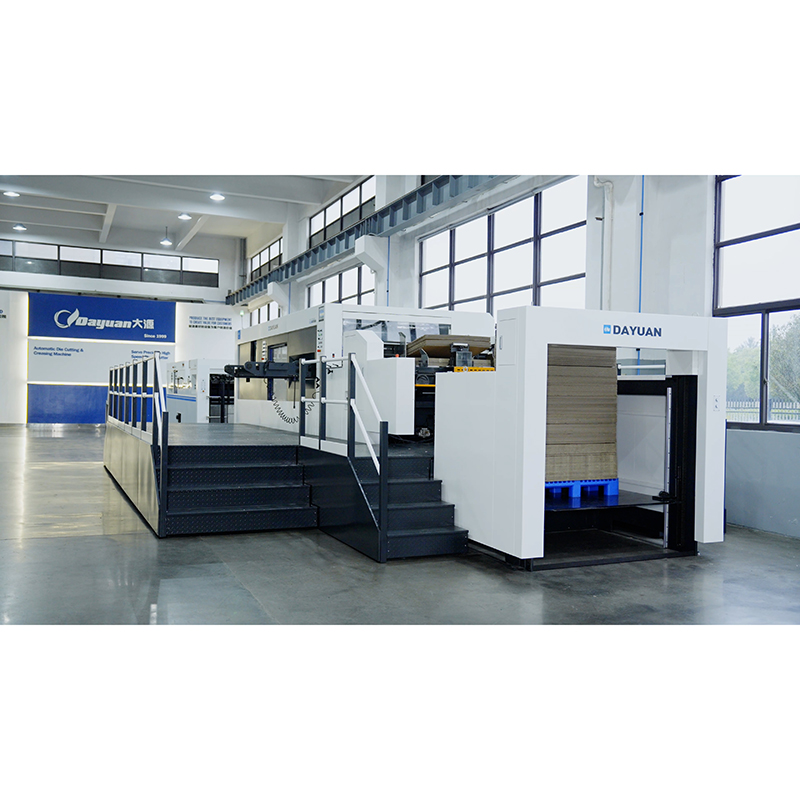
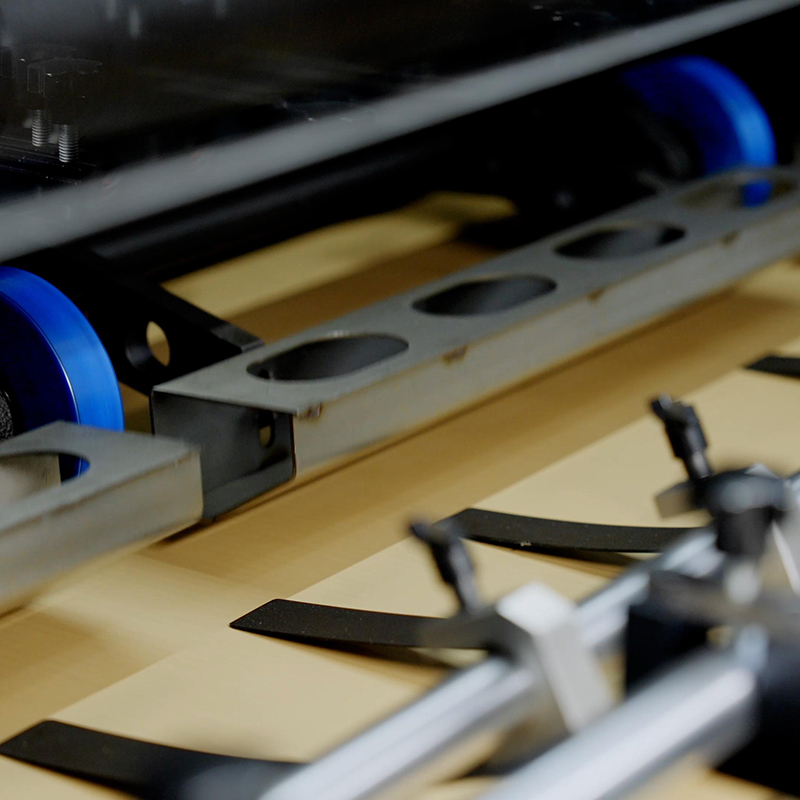
A flat bed die cutting machine is a type of post-press equipment used to cut materials into specific shapes with a shaped die. In printing and packaging production, this process helps create packaging components and printed products with defined outlines. Depending on the die design and machine configuration, die cutting may be combined with other operations, such as creasing, to meet the requirements of the finished product.
Dayuan Machinery specializes in paper cutting, printing, and post-press equipment. Its product range includes flatbed die-cutting machines, hot foil stamping and die-cutting machines, servo precision sheet cutter machines, and stripping and blanking machines. These equipment categories serve different stages of production, so buyers should identify the operations required for their products before selecting a machine.
When evaluating a flat bed die cutting machine, purchasers should begin with the material and finished product specifications. Paper and cardboard packaging projects can vary in sheet dimensions, material thickness, cutting layout, and design complexity. Confirming these details helps buyers determine whether a machine's documented working area and processing capabilities are suitable for the intended application.
Die design and material compatibility are also important considerations. The cutting die determines the required shape, while the characteristics of the material influence the processing setup. Buyers should confirm the supported paper-based materials and applicable specifications for the selected model instead of assuming that one machine can handle every substrate or thickness.
Production requirements may involve more than cutting alone. Packaging workflows can require creasing, foil stamping, or the removal of waste material after die cutting. Dayuan's product portfolio includes equipment for several of these post-press processes, but purchasers should verify whether each required operation is integrated into the chosen machine or needs separate equipment.
Before purchasing, buyers should review the machine's documented working dimensions, operating requirements, compatible materials, and safety information. Expected production volume, product design, available factory space, and connections with upstream and downstream processes may also affect the final selection. Specifications relating to cutting pressure, production speed, automation, and cutting accuracy should be checked against the details of the individual model.
For printing and packaging businesses, selecting the right flat bed die cutting machine means matching the intended application with verified equipment capabilities. A clear assessment of material specifications, die layout, finished dimensions, and production workflow helps buyers compare options and identify a machine appropriate for their manufacturing needs.
 EN