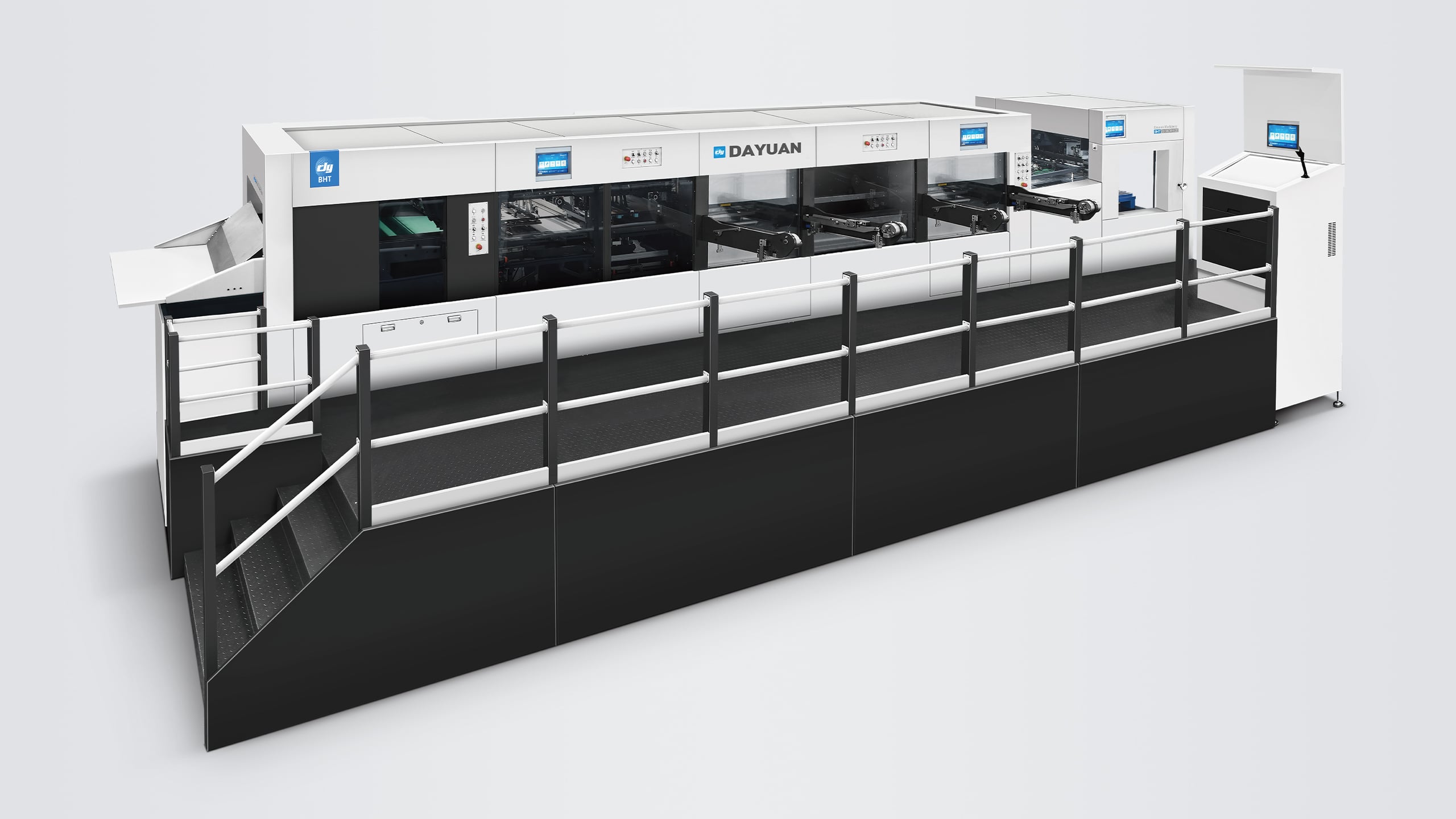
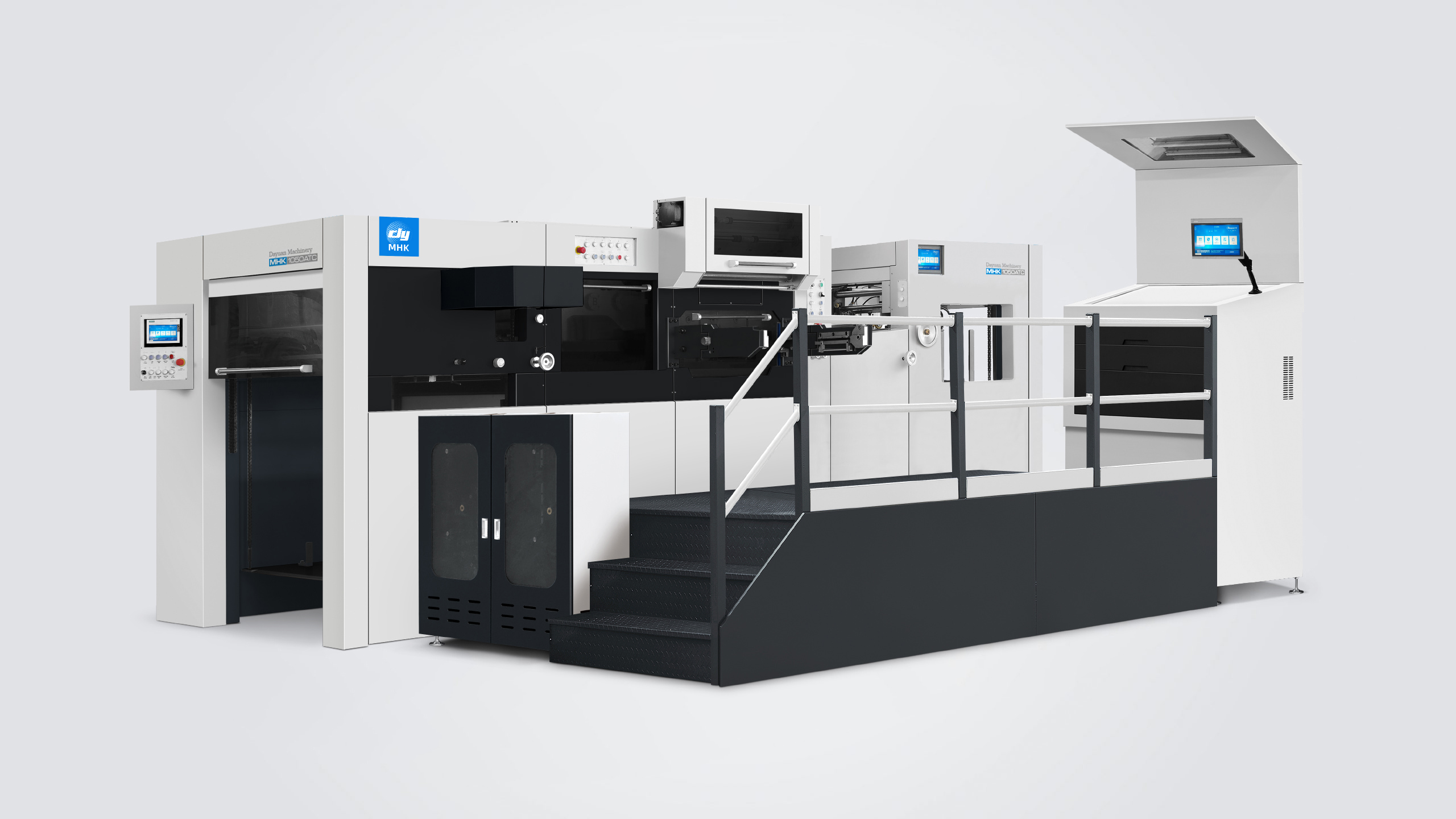
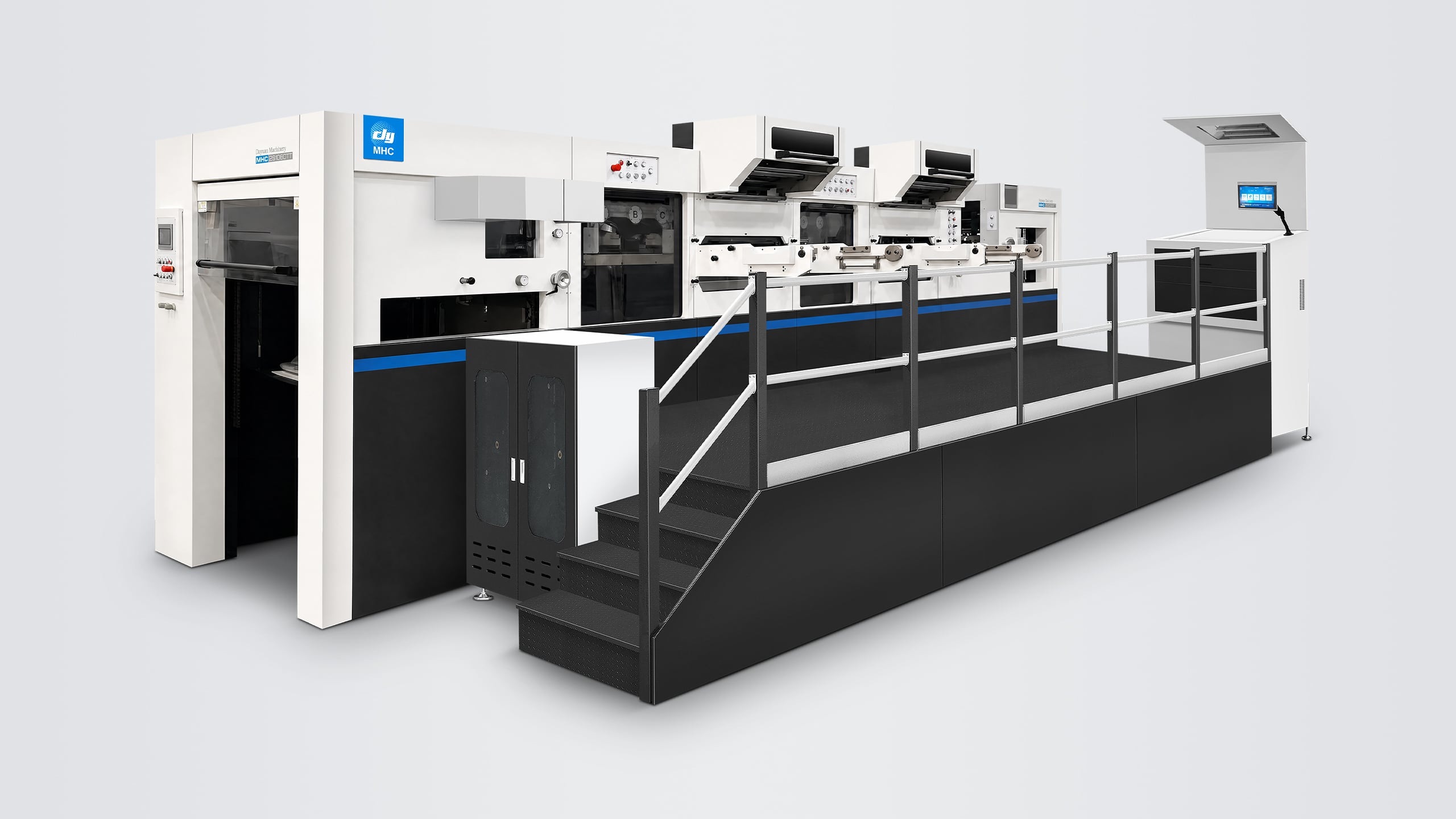
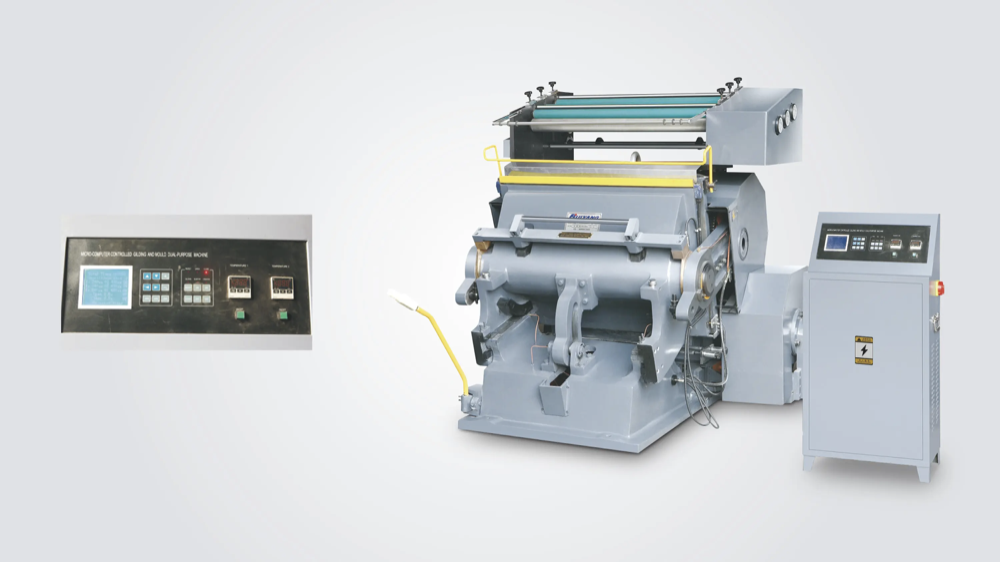
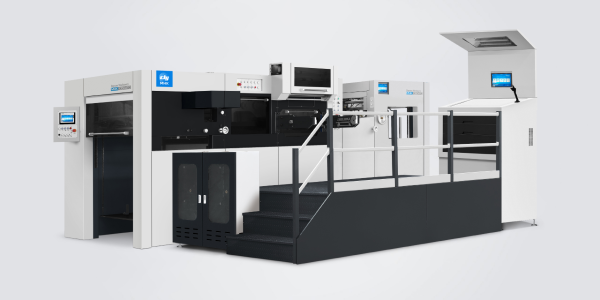
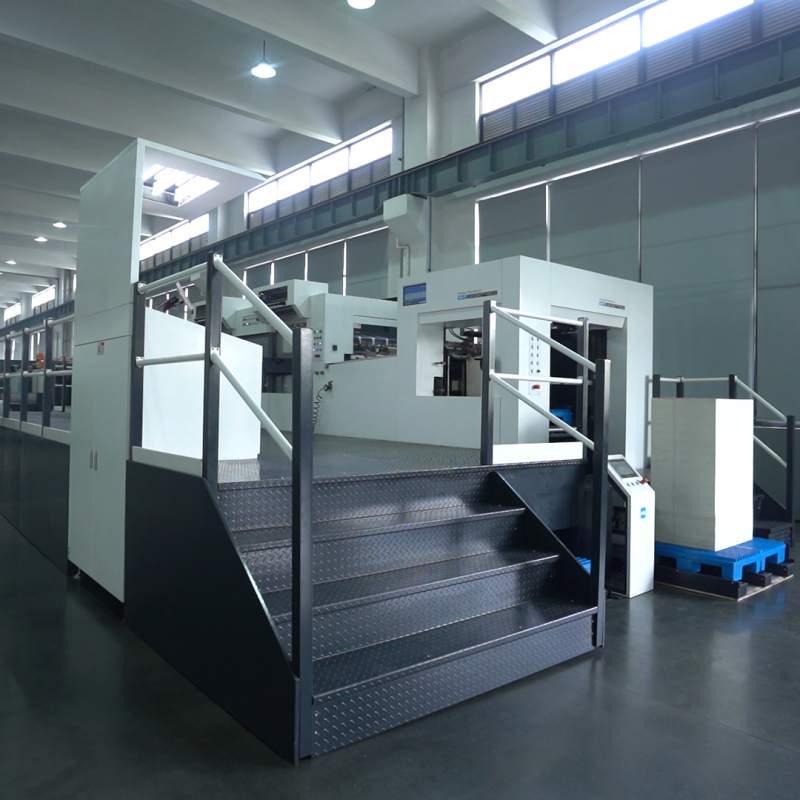
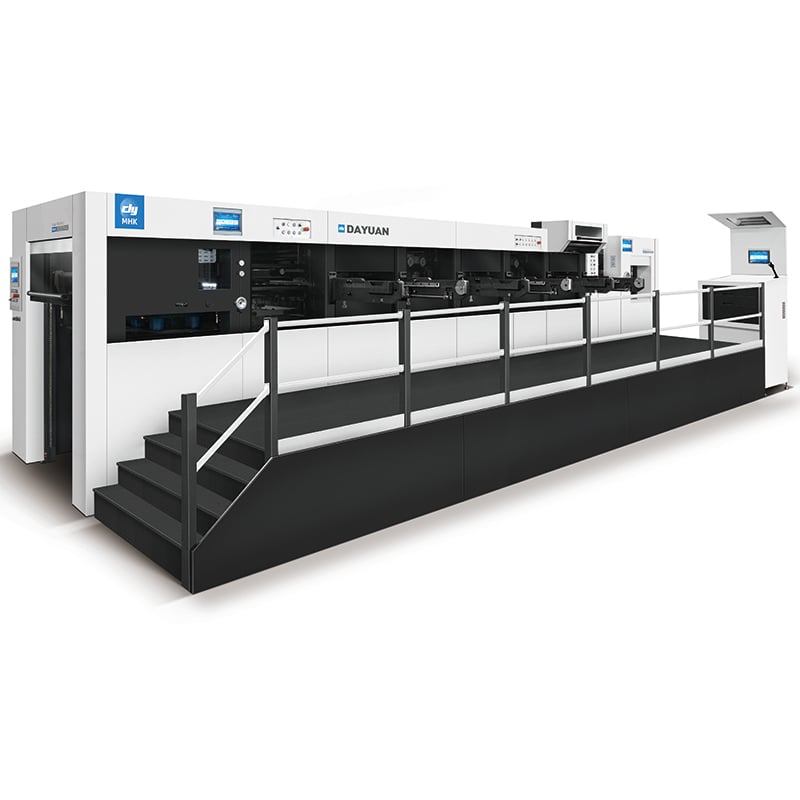
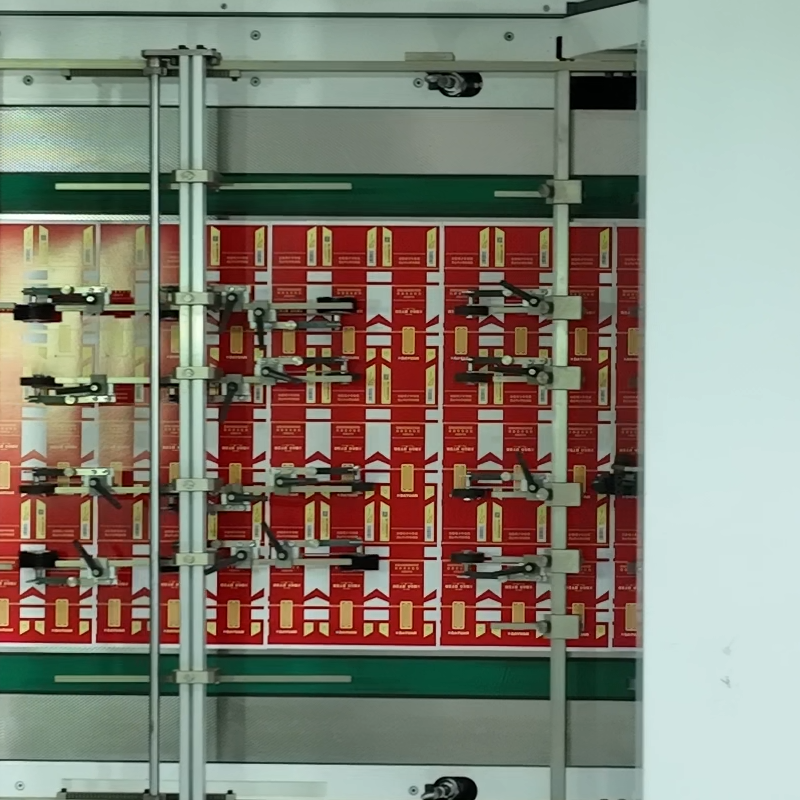
Foil printing is a finishing process used to add decorative details to printed materials. By applying heat and pressure through a prepared die, foil can be transferred onto a suitable substrate to create a distinctive visual effect. In paper and packaging production, this process can be used to enhance the presentation of printed products.
Dayuan Machinery focuses on paper cutting, printing, and post-press equipment. Its product portfolio includes hot foil stamping and die-cutting machines, alongside flatbed die-cutting machines, servo precision sheet cutter machines, and stripping and blanking machines. These categories serve different processing requirements, so buyers should identify the operation they need before choosing equipment.
When evaluating an automatic foil printing machine, purchasers should first establish whether the required process involves foil stamping alone or a combination of foil stamping and die cutting. Although some machines may combine these operations, the available functions depend on the specific model. Buyers should consult the product documentation rather than assume that every hot foil machine supports the same processes.
The intended material is another important factor. Equipment designed for paper printing and packaging should not automatically be considered suitable for plastic or other substrates. Confirming material compatibility with the manufacturer helps prevent mismatches between the machine and the intended application.
Buyers should also verify what the term automatic means for the equipment being considered. Automation can refer to different stages of production, and features such as automatic feeding, positioning, unloading, PLC control, touchscreen operation, or camera registration should not be assumed without supporting product specifications. Production speed and output capacity should likewise be checked against the technical data for the individual model.
For printing and packaging businesses, equipment selection should begin with the required finishing effect, the material being processed, and the expected production workflow. Comparing these requirements with the documented capabilities of available machines provides a more reliable basis for purchasing decisions than relying on broad claims about speed, precision, or labor savings.
 EN