יכולת התאמה רב-פורמטית למשימות
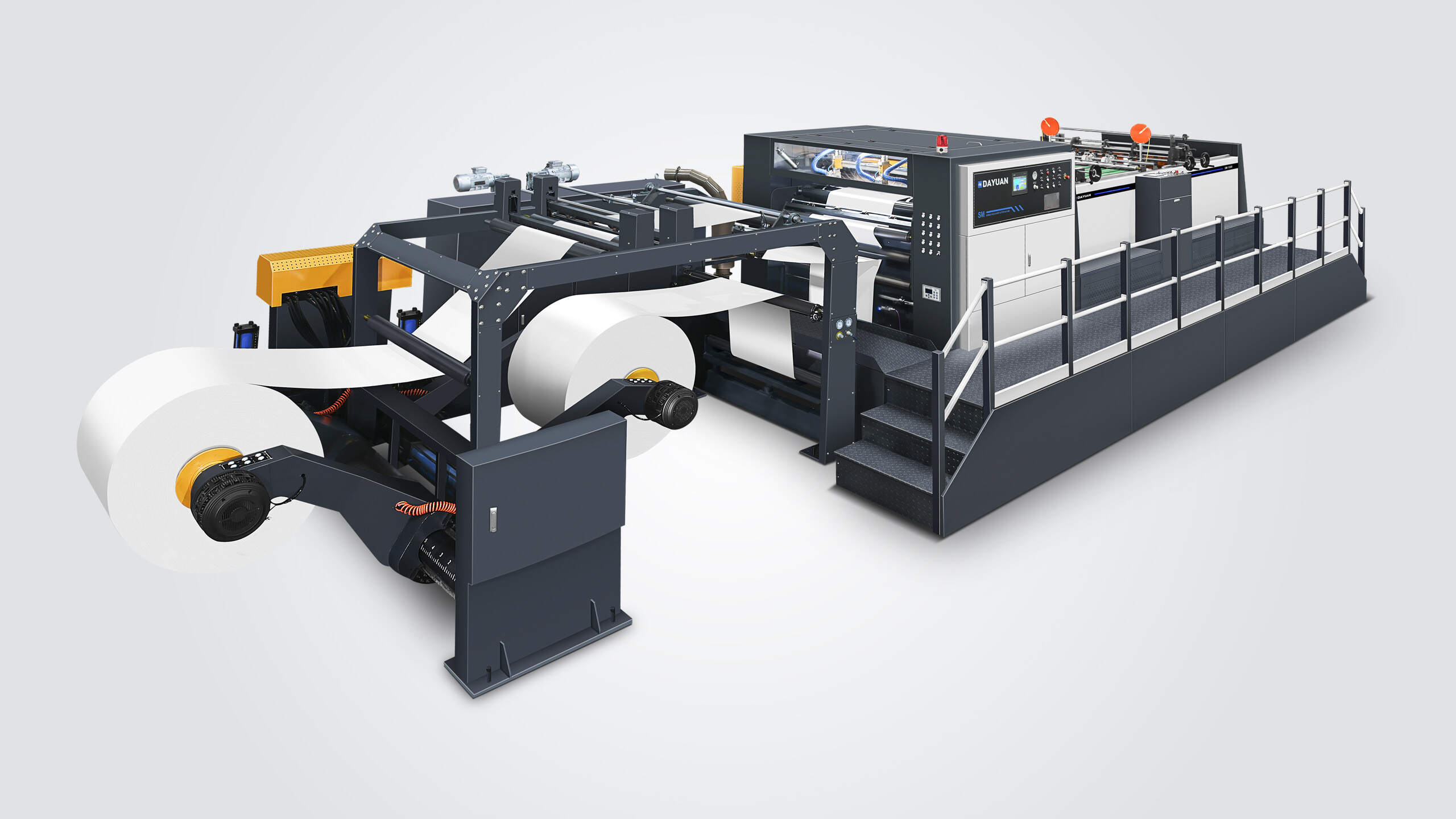
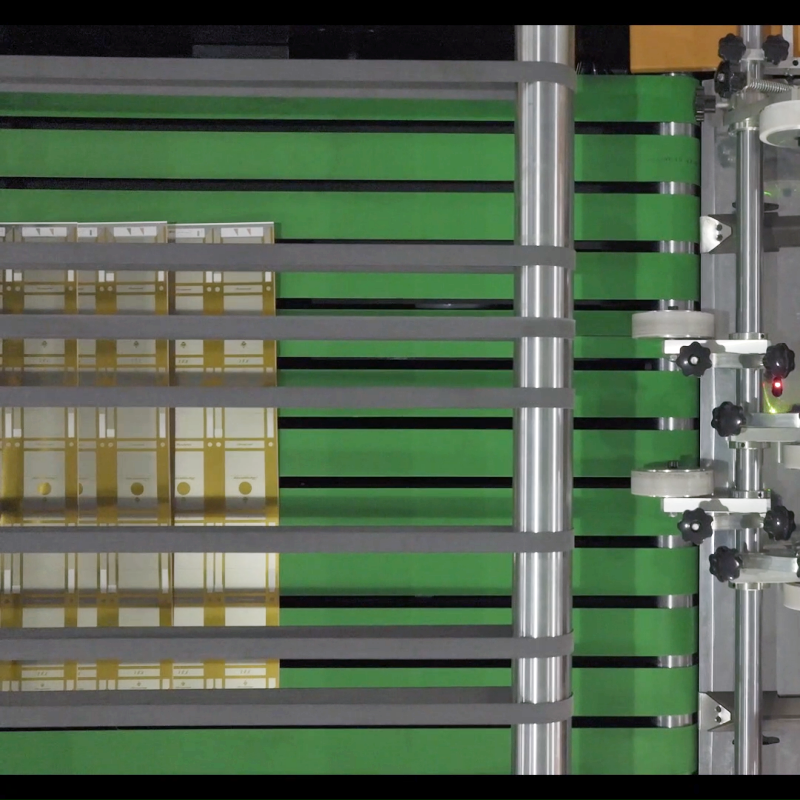
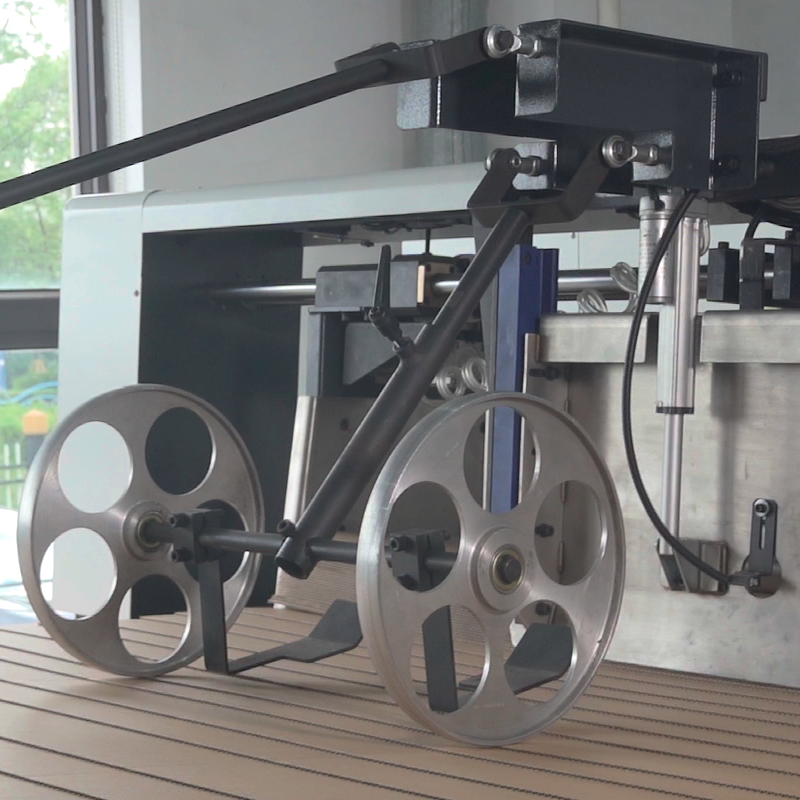
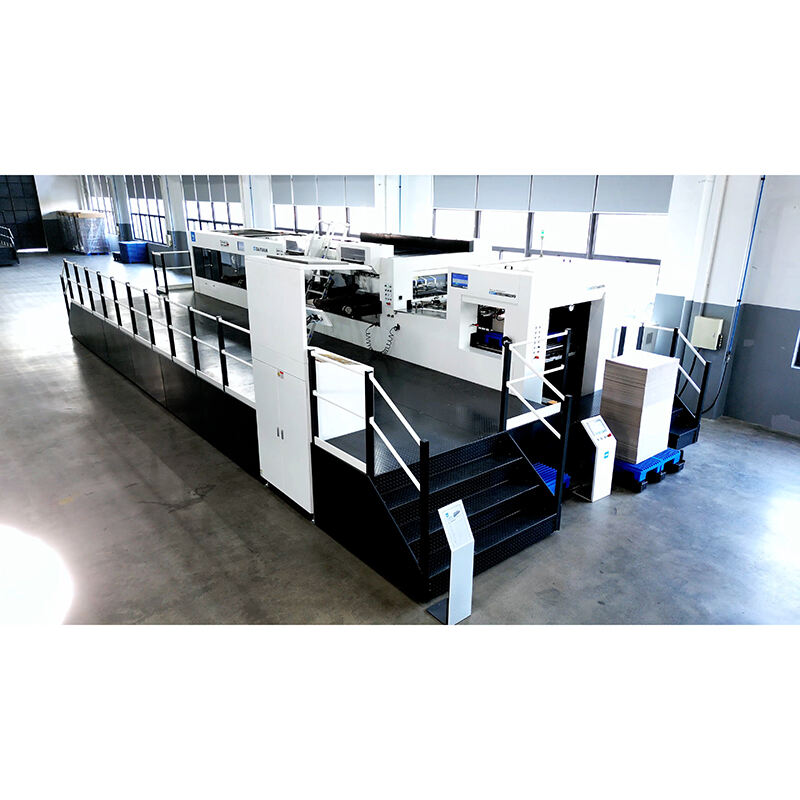
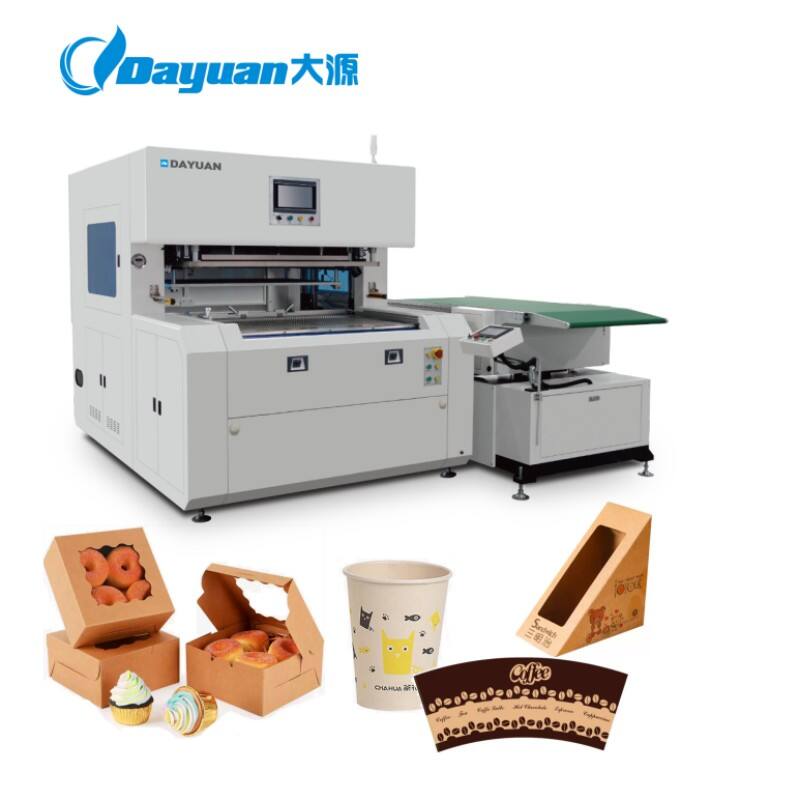
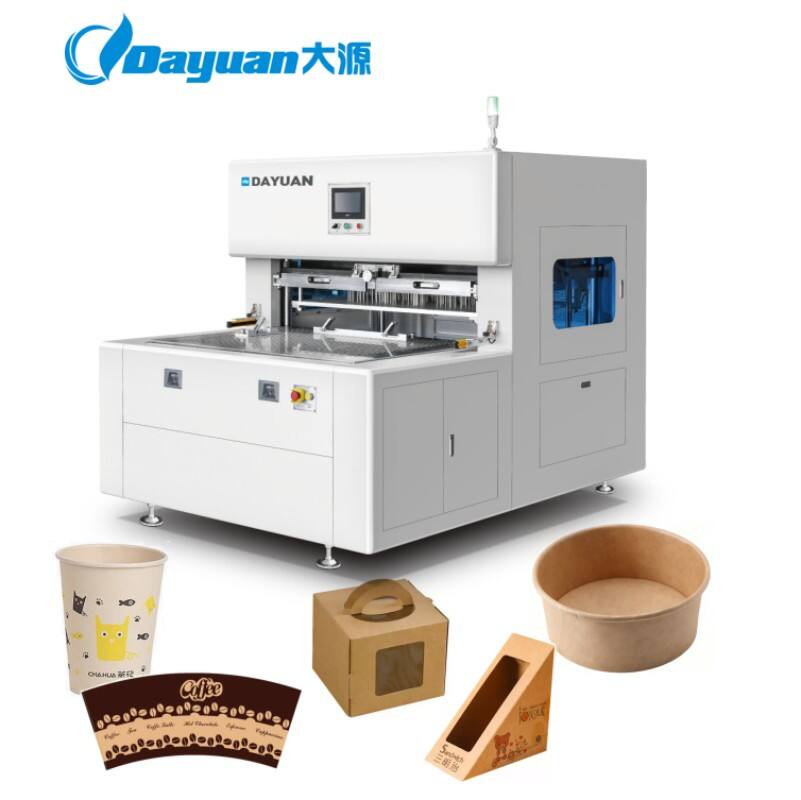
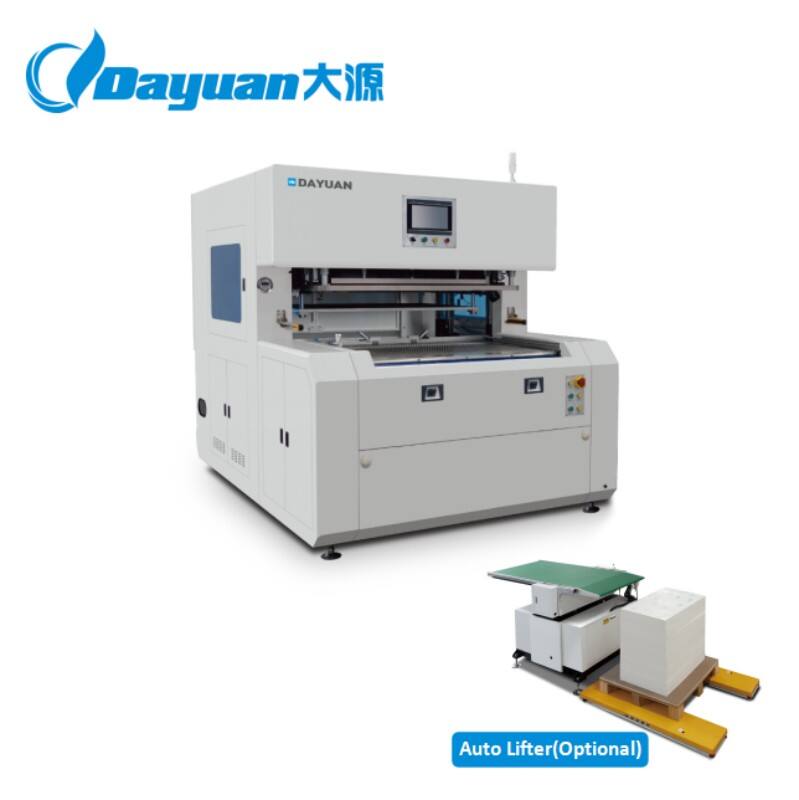
היכולת הרב-פורמטית והגמישות של המכונה לייצור מטלטלים נייריים מייצגת תכונה קריטית המבדילה בין מכונות מתקדמות למכונות בסיסיות, ונותנת לעסקים את הגמישות הנדרשת על ידי דרישות הלקוחות המגוונות והתנאים השוקיים המשתנים. פעולות המרה מודרניות לא יכולות להרשות לעצמן ציוד متخصص המוגבל לטווח יישומים צר, מאחר שتنوع המוצרים ובקשות ההתאמה מתפשטים ללא הרף. מכונת ההסרת מטלטלים נייריים פועלת על פי מציאות זו באמצעות עיצוב אינטליגנטי המאפשר התאמות לגודלי גיליונות משתנים, משקלי נייר, מורכבות דפוסי חיתוך בדפוס, ותצורות מטלטלים – ללא צורך בהגדרות מחדש מקיפות או רכישת אבזרים נוספים. הגמישות הזו מתחילה במערכות הזנה ניתנות להתאמה, אשר מקבלות גיליונות מגודל תווית קטן ועד לממדים גדולים של פחית קרטון, עם מדריכים ועצירות לשינוי מהיר אותם ניתן להתאים בתוך דקות ולא שעות. מנגנון ההזנה מותאם בהתאם לאופי החומר: הוא משנה את הלחץ ואת האחיזה בהתאם לתכונות הסובסטרט, ומניח טיפול זהה בגיליונות נייר עדינים כמו נייר טישו, ובגיליונות כבדים כמו נייר לקופסאות, ללא נזק או אי-הזנה. יכולות זיהוי הדפוס מאפשרות למערכת לעבד גם פשטות גאומטרית וגם מורכבות אורגנית באותה יעילות – בין אם מדובר בהסרת מטלטלים מחלונות מלבניים פשוטים, או בחיתוכים דקורטיביים מורכבים הכוללים עקומים, פינות וצורות מרובות. מהירות המעבר בין עבודות הופכת קריטית בייצור סדרות קצרות, שכיחה יותר בסביבות הדפסה דיגיטלית וייצור לפי דרישה. מכונת ההסרת מטלטלים נייריים תומכת מעבר מהיר דרך פרמטרי עבודה שמורים, אשר מזכירים את כל ההגדרות הקשורות לכל מוצר ספציפי, ומביאים לסיום התהליך הניסיוני של התאמות חוזרות ונשנות, ולהפחתת בזבוז בזמן ההכנה. המפעילים פשוט בוחרים את קובץ העבודה המתאים, והמכונה מתאימה את עצמה באופן אוטומטי, ומשמרת את תפוקת הייצור גם במהלך שינויים תכופים במוצרים. הגמישות משתרעת גם לקליטת תצורות של הזנה בדפים (sheet-fed) וגם של הזנה ברול (web-fed) בדמויות מתקדמות מסוימות, ונותנת אפשרויות עיבוד התואמות את דרישות זרימת העבודה הייחודיות שלכם. יישומים מיוחדים כגון פולי הולוגרפיות, חומרים בעלי kếtextura, או חומרים מלמינטים, מטופלים בצורה מתאימה באמצעות כוח הסרת מטלטלים ותבניות אחיזה ניתנות להתאמה, אשר מונעות נזק לפני השטח תוך הבטחת הסרה מלאה של המטלטלים. המכונה מסוגלת להתמודד עם עבודות הדורשות הסרה חלקית של מטלטלים, שבהן חלק מהחיתוכים נשארים במקום לצורך פעולות עיבוד עתידיות, באמצעות תבניות דילוג מתוכנתות המותירות שטחים מסוימים בלתי נגועים. יכולות הרישום שומרות על יישור מדויק בין הגיליון הפיזי לדפוס ההסרה התוכנתי, גם כאשר מתרחשים סטיות בהדפסה או בחיתוך בדפוס, תוך שימוש בחיישנים אופטיים או באיתור מכני כדי לתקן אוטומטית. גורם הסליחה הזה מפחית את הפסולת ואת העבודה החוזרת, תוך שמירה על סטנדרטי האיכות למרות סטיות נורמליות בתהליך הייצור. עתידיות היא יתרון שמתעלמים ממנו לעיתים קרובות בגמישות רב-פורמטית, שכן ההשקעה במכונת הסרת מטלטלים נייריים ממשיכה לספק ערך גם כשמעורב המוצרים משתנה, חומרים חדשים צצים, או דרישות הלקוחות מתחלפות לכיוונים של פורמטים וסגנונות שלא נחזו עדיין. אפשרות העדכון התוכנתי במכונות מודרניות מאפשרת הרחבת יכולות באמצעות תכנות, ולא באמצעות החלפת חומרה – דבר המאריך את תקופת חיים של הציוד ומאפשר להגן על ההשקעות הכספיות מפני lỗi.
 EN
EN