Paper Waste Stripping Machine - Advanced Automated Solutions for Efficient Die-Cut Waste Removal

+86-577-58918888
All Categories

paper waste stripping machine

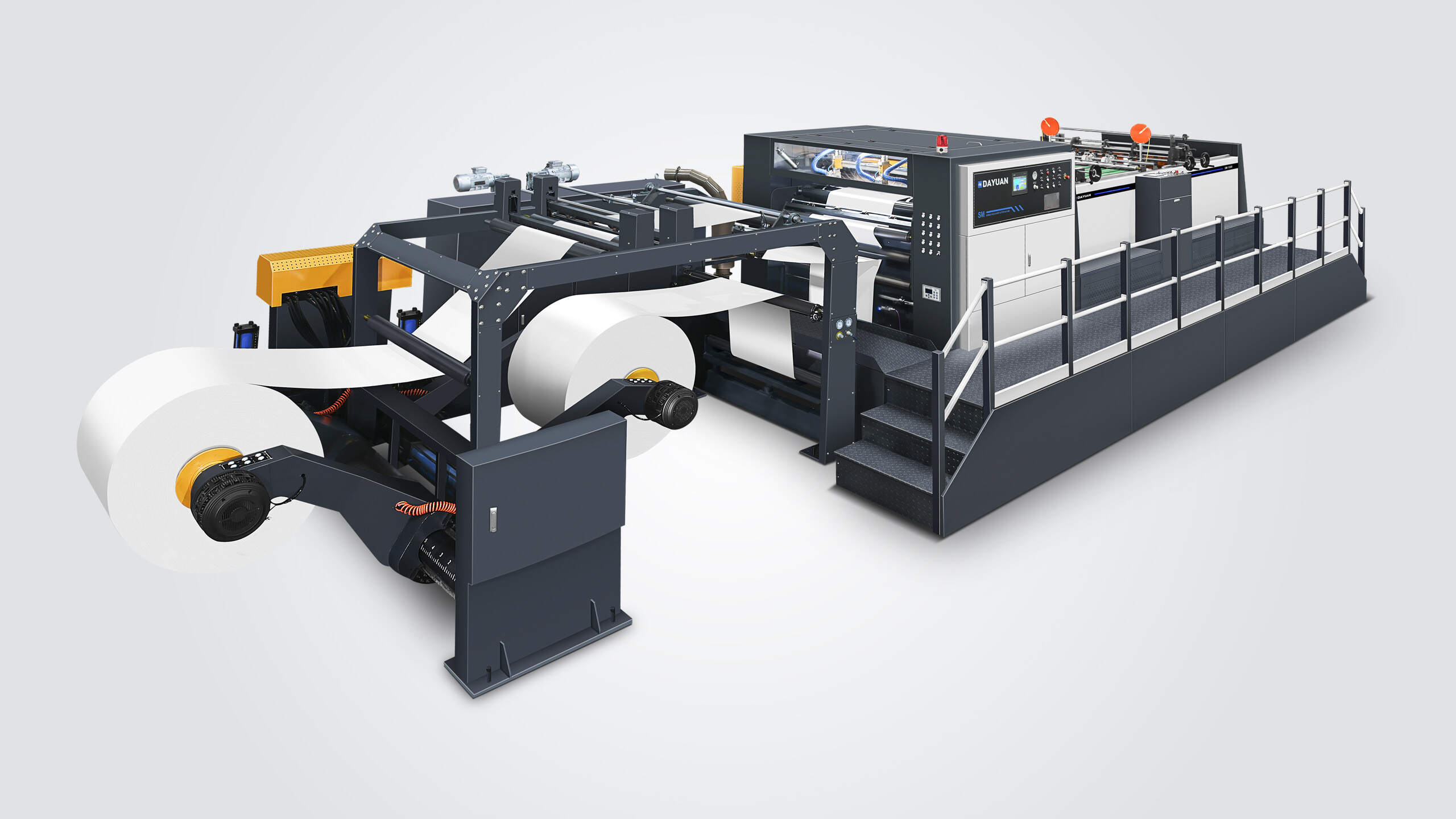
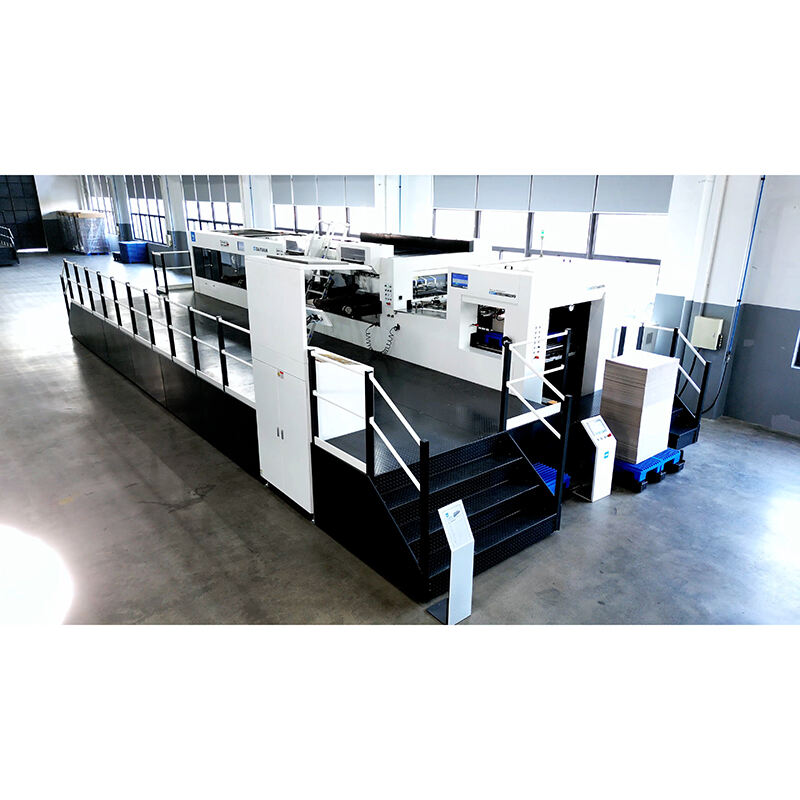
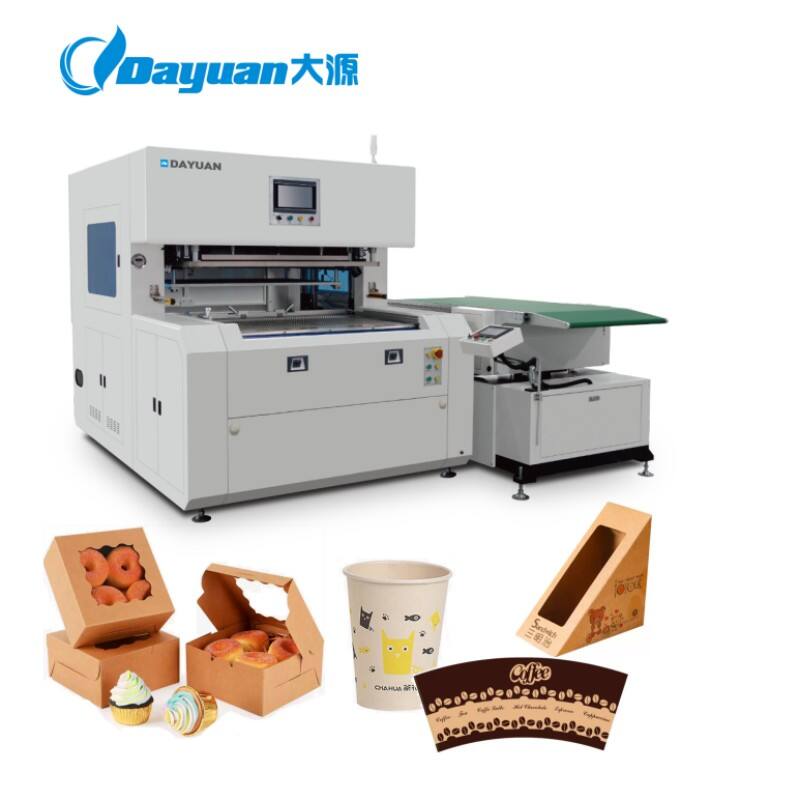
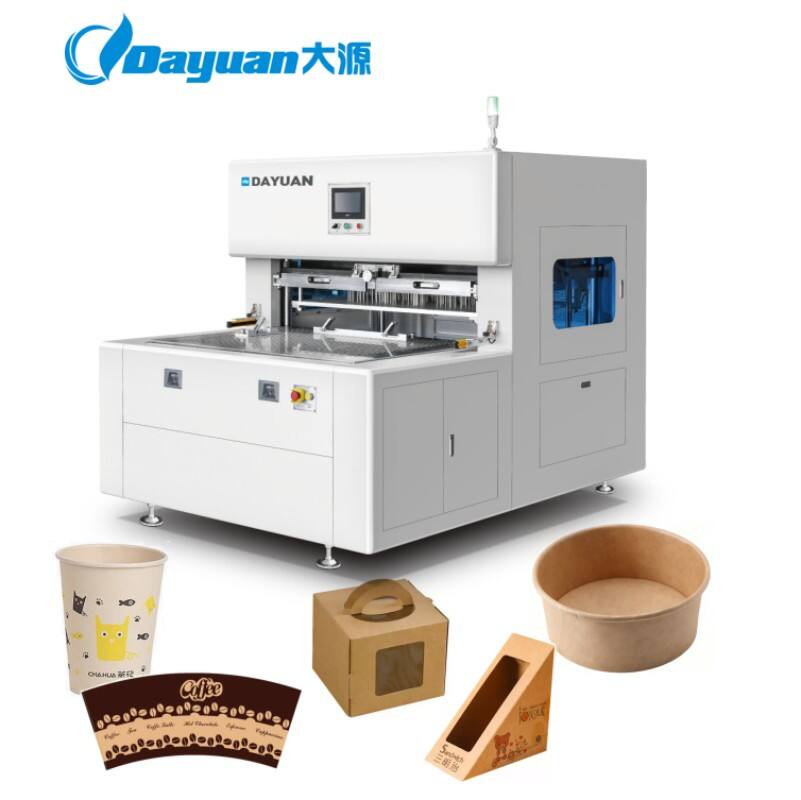
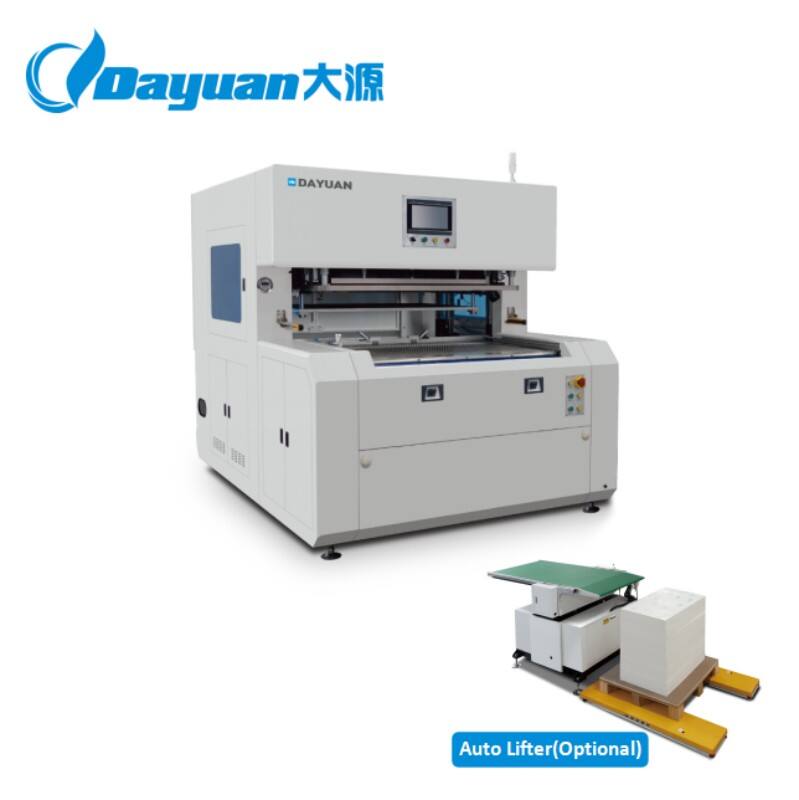
The paper waste stripping machine represents an innovative solution designed specifically for the printing and packaging industries, addressing the critical challenge of removing waste materials from die-cut paper products efficiently. This specialized equipment automates the labor-intensive process of extracting leftover paper scraps, trim edges, and unwanted sections from printed sheets after die-cutting operations. The primary function of the paper waste stripping machine centers on enhancing production efficiency by eliminating manual waste removal, which traditionally consumed considerable time and labor resources. Modern paper waste stripping machines incorporate advanced mechanical systems that precisely identify and remove waste portions while preserving the integrity of finished products. These machines operate through coordinated mechanical movements, utilizing suction systems, pneumatic controls, and precision guides to separate waste materials from valuable product pieces. The technological features embedded within contemporary paper waste stripping machines include programmable logic controllers that allow operators to customize stripping parameters according to specific job requirements. Sensor technology enables automatic detection of paper positioning, ensuring accurate waste removal without damaging finished goods. Variable speed controls provide flexibility to accommodate different paper weights, thicknesses, and complexity levels of die-cut patterns. The applications of paper waste stripping machines span numerous sectors within the printing and packaging realm, including commercial printing houses producing folding cartons, labels, and promotional materials. Packaging manufacturers rely on these machines to process corrugated boxes, display materials, and specialty packaging designs. The equipment proves particularly valuable for operations handling intricate die-cut patterns with multiple waste areas, where manual stripping would prove impractical or economically unfeasible. By integrating a paper waste stripping machine into production workflows, businesses achieve significant improvements in throughput rates, product consistency, and operational cost management, making this technology an essential component of modern converting operations.

Popular Products

Implementing a paper waste stripping machine into your production environment delivers transformative benefits that directly impact your bottom line and operational efficiency. First and foremost, this equipment dramatically reduces labor costs by eliminating the need for workers to manually pick out waste pieces from die-cut sheets, a process that traditionally required multiple employees working continuously throughout production runs. Your team can redirect their efforts toward higher-value tasks that require human judgment and skill, optimizing your workforce utilization. The speed advantage cannot be overstated, as the paper waste stripping machine processes sheets at rates that far exceed manual capabilities, often handling hundreds of sheets per hour depending on complexity. This acceleration means you complete orders faster, accept more jobs, and improve customer satisfaction through reduced turnaround times. Quality consistency represents another major advantage, since the machine performs the stripping operation with repeatable precision every single time, eliminating the variations and occasional errors inherent in manual processes. Your finished products maintain uniform appearance and quality standards, reducing rejection rates and customer complaints. The reduction in physical strain on workers constitutes a significant workplace benefit, as manual waste stripping requires repetitive motions that can lead to fatigue and potential injury over time. By automating this task, you create a safer, more comfortable working environment that supports employee wellbeing and reduces workers compensation concerns. Financial returns manifest quickly through reduced labor expenses, increased production capacity, and improved material yield, as the machine extracts waste cleanly without accidentally damaging good product pieces. Energy efficiency in modern paper waste stripping machines keeps operational costs manageable, with systems designed to minimize power consumption while maximizing performance. The footprint optimization of these machines allows integration into existing production lines without requiring extensive facility modifications, protecting your capital investment in infrastructure. Maintenance requirements remain straightforward, with accessible components and simple procedures that your existing maintenance team can handle without specialized training. The versatility to handle diverse job types, from simple geometric cuts to complex custom designs, means your investment serves multiple product lines and customer requirements. Ultimately, the paper waste stripping machine transforms a production bottleneck into a streamlined operation that enhances competitiveness, profitability, and capacity to grow your business in demanding markets.

Latest News

How Does a High-Precision Paper Cutter Machine Ensure Perfect Edge Quality for Fine Printing?

10

Feb

How Does a High-Precision Paper Cutter Machine Ensure Perfect Edge Quality for Fine Printing?

In the demanding world of fine printing and commercial printing operations, achieving consistently perfect edge quality remains one of the most critical challenges facing print professionals. The difference between an acceptable print job and an exce...
View More
Why Is Blade Quality Critical for Consistent Performance in Paper Cutter Machines?

18

Mar

Why Is Blade Quality Critical for Consistent Performance in Paper Cutter Machines?

The precision and efficiency of paper cutter machines directly depend on the quality of their cutting blades, making blade selection one of the most critical factors in achieving consistent performance across industrial applications. Professional pri...
View More
Why Should Your Paper Die Cutting Machine Be Part of an Intelligent Production Line for Smart Manufacturing?

02

Apr

Why Should Your Paper Die Cutting Machine Be Part of an Intelligent Production Line for Smart Manufacturing?

Modern manufacturing demands more than isolated equipment operating independently. The question of why your paper die cutting machine should integrate into an intelligent production line reflects a fundamental shift toward smart manufacturing paradig...
View More
What Patented Technologies Should You Look for in a High-Performance Paper Die Cutting Machine?

02

Apr

What Patented Technologies Should You Look for in a High-Performance Paper Die Cutting Machine?

When investing in a high-performance paper die cutting machine for industrial production, understanding the patented technologies that differentiate premium equipment from standard alternatives becomes crucial for making informed purchasing decisions...
View More

Get a Free Quote

Our representative will contact you soon.
Email
Name
Company Name
Required Product
Message
0/1000

paper waste stripping machine

Automated Precision Waste Removal System

Automated Precision Waste Removal System

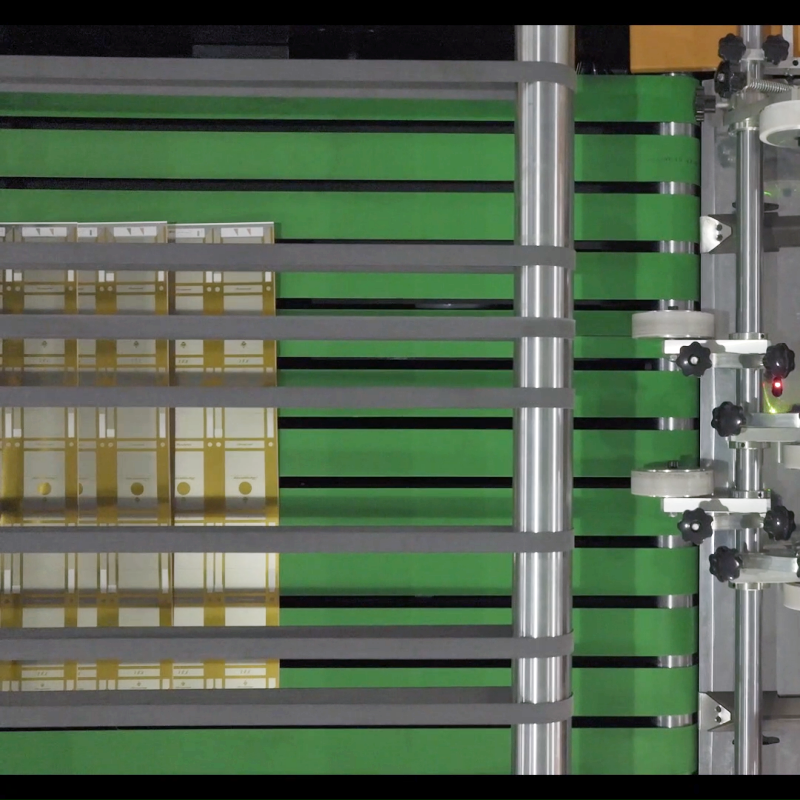
The automated precision waste removal system built into the paper waste stripping machine represents a technological breakthrough that fundamentally changes how converting operations handle post-die-cutting processes. This sophisticated system combines multiple technologies working in concert to identify, grip, and extract waste materials with extraordinary accuracy. At the core of this capability lies advanced sensor arrays that scan each incoming sheet, detecting the exact positions of waste areas regardless of variations in sheet placement or alignment. These sensors communicate with the control system instantaneously, allowing the machine to adjust its stripping mechanism in real time to match the specific pattern being processed. The mechanical components executing the waste removal employ precision-engineered grippers, suction cups, or pin systems that engage waste pieces firmly without disturbing the surrounding finished product areas. The coordination between detection and removal happens in fractions of a second, maintaining high processing speeds without sacrificing accuracy. This precision proves especially valuable when handling intricate die-cut patterns featuring small waste areas, narrow bridges between product pieces, or delicate paper stocks that could tear if handled roughly. The system maintains consistent performance across production runs, ensuring that the ten-thousandth sheet receives the same careful treatment as the first. Operators benefit from programmable settings that store parameters for frequently-run jobs, enabling quick changeovers between different products without time-consuming manual adjustments. The paper waste stripping machine intelligence extends to recognizing when waste pieces remain partially attached, triggering additional removal passes automatically rather than allowing defective sheets to proceed downstream. Quality control integrates directly into the stripping process, as the system can detect missing product pieces or incomplete waste removal, alerting operators to potential die-cutting issues before significant material waste occurs. This built-in quality monitoring protects your production output and customer relationships by catching problems early. The precision capabilities extend equipment longevity as well, since controlled, accurate movements reduce mechanical stress and wear compared to systems relying on brute force or imprecise actuation. Training requirements decrease substantially because operators need only load sheets and monitor the automated process rather than developing the manual dexterity and pattern recognition skills required for hand stripping. The consistency delivered by automated precision waste removal creates predictable production schedules, allowing you to quote delivery times confidently and manage capacity planning effectively across your operation.
High-Speed Production Throughput Enhancement

High-Speed Production Throughput Enhancement

High-speed production throughput enhancement stands as one of the most compelling reasons businesses invest in paper waste stripping machines, fundamentally transforming production capacity and competitive positioning. Traditional manual waste stripping operations impose severe limitations on how many finished pieces you can produce within given timeframes, creating bottlenecks that constrain overall productivity regardless of how efficiently upstream processes perform. The paper waste stripping machine eliminates this constraint by processing sheets at mechanical speeds that dwarf human capabilities, typically handling two to four sheets per minute for complex patterns and substantially more for simpler designs. This velocity translates directly into expanded production capacity without requiring additional floor space, equipment, or shifts to accommodate growing order volumes. Consider the practical implications for your operation: a job requiring waste stripping on ten thousand sheets that might consume two full days of manual labor can potentially complete in just a few hours with automated equipment. This time compression creates multiple strategic advantages, beginning with the ability to accept rush orders and tight deadlines that would prove impossible with manual processing. Your sales team gains confidence quoting aggressive delivery schedules, knowing production capabilities support those commitments. The throughput enhancement also improves cash flow velocity, as orders move from raw materials to finished goods to invoiced sales faster, reducing the working capital tied up in work-in-process inventory. Production scheduling becomes more flexible since the paper waste stripping machine quickly processes jobs, freeing equipment for the next order rather than having partially completed work occupying space and resources for extended periods. The speed advantages compound when running multiple similar jobs, as the machine maintains consistent pace throughout production runs without the fatigue-related slowdowns inherent in manual operations. Evening and weekend production becomes more feasible, as a single operator can oversee the paper waste stripping machine while it processes large volumes, whereas manual stripping would require multiple workers to accomplish comparable output. The reliability of mechanical processing speeds enables accurate production planning and capacity modeling, allowing you to forecast deliveries precisely and optimize resource allocation across your facility. Maintenance windows become easier to schedule since the concentrated processing times leave more flexibility for equipment servicing without disrupting customer commitments. The throughput capabilities scale with your business growth, handling increased order volumes without proportional increases in labor costs or production time, protecting profit margins as sales expand. Energy efficiency per unit produced actually improves at higher speeds, as fixed power consumption distributes across more finished pieces, reducing per-piece operating costs. The psychological benefits extend to your entire team, as eliminating production bottlenecks reduces stress, improves morale, and creates a more positive work environment where everyone sees orders flowing smoothly through completion.
Versatile Multi-Format Job Adaptability

Versatile Multi-Format Job Adaptability

Versatile multi-format job adaptability represents a critical feature that distinguishes superior paper waste stripping machines from basic models, providing businesses with the flexibility demanded by diverse customer requirements and changing market conditions. Modern converting operations cannot afford specialized equipment limited to narrow application ranges, as product diversity and customization requests continuously expand. The paper waste stripping machine addresses this reality through intelligent design that accommodates varying sheet sizes, paper weights, die-cut pattern complexities, and waste configurations without requiring extensive reconfiguration or accessory purchases. This adaptability begins with adjustable feed systems that accept sheets ranging from small label formats to large corrugated board dimensions, with quick-change guides and stops that operators adjust in minutes rather than hours. The feeding mechanism adapts pressure and grip according to substrate characteristics, handling delicate tissue papers as capably as heavy containerboard without damage or misfeeds. Pattern recognition capabilities allow the system to process geometric simplicity and organic complexity with equal proficiency, whether removing waste from straightforward rectangular windows or intricate decorative cutouts featuring curves, corners, and compound shapes. Job changeover speed becomes crucial during short-run production increasingly common in digital printing and on-demand manufacturing environments. The paper waste stripping machine supports rapid transitions through stored job parameters that recall all settings associated with specific products, eliminating trial-and-error adjustments and reducing setup waste. Operators simply select the appropriate job file, and the machine configures itself automatically, protecting productivity during frequent product changes. The versatility extends to handling both sheet-fed and web-fed configurations in some advanced models, providing processing options that match your specific production workflow requirements. Special applications like holographic foils, textured substrates, or laminated materials receive appropriate handling through adjustable waste removal force and grip patterns that prevent surface damage while ensuring complete waste extraction. The machine accommodates jobs with partial waste removal requirements, where some cutouts remain in place for subsequent operations, through programmable skip patterns that leave designated areas untouched. Registration capabilities maintain precise alignment between the physical sheet and the programmed stripping pattern even when printing variations or die-cutting shifts occur, utilizing optical sensors or mechanical detection to compensate automatically. This forgiveness factor reduces scrap and rework while maintaining quality standards despite normal production variations. Future-proofing represents an often-overlooked benefit of versatile multi-format adaptability, as your paper waste stripping machine investment continues delivering value even as product mix evolves, new materials emerge, or customer demands shift toward formats and styles not yet envisioned. Software updateability in contemporary machines allows capability expansion through programming rather than hardware replacement, extending equipment lifespan and protecting capital investments against obsolescence.

Get a Free Quote

Our representative will contact you soon.
Email
Name
Company Name
Required Product
Message
0/1000