Waste Stripper Machine: Advanced Die-Cutting Waste Removal Solutions for Packaging Industry

+86-577-58918888
All Categories

waste stripper

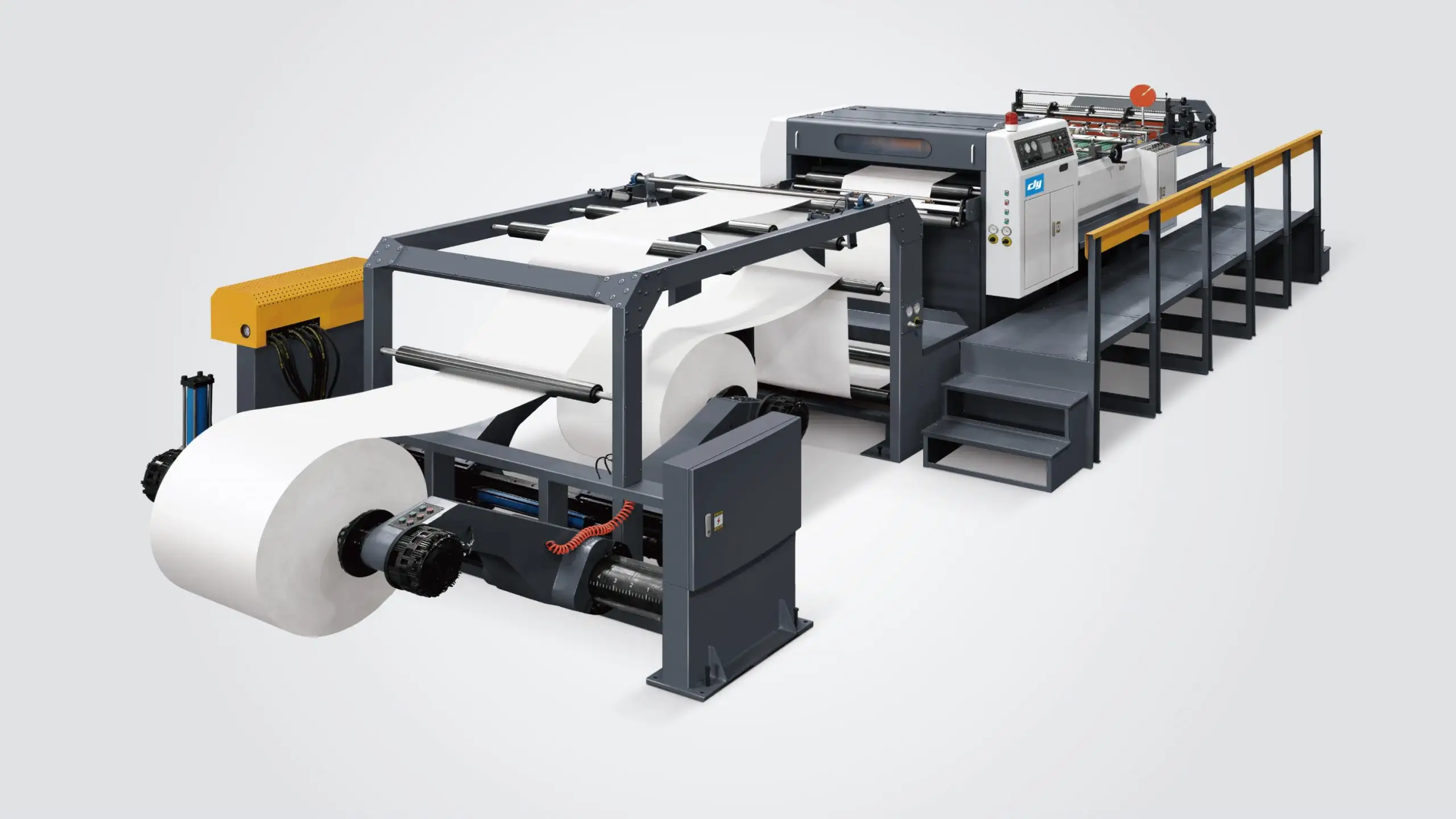
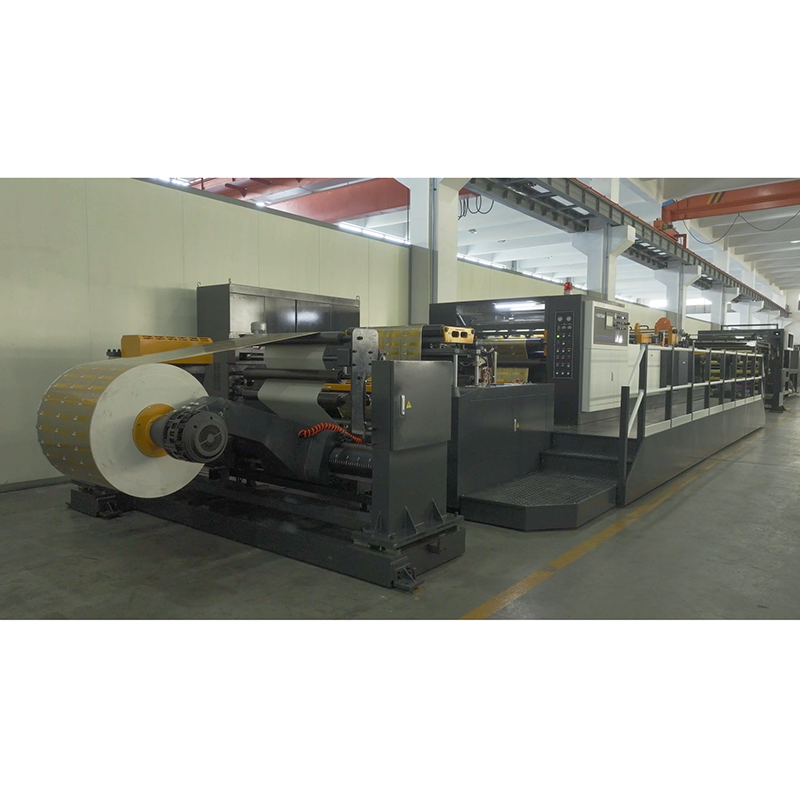
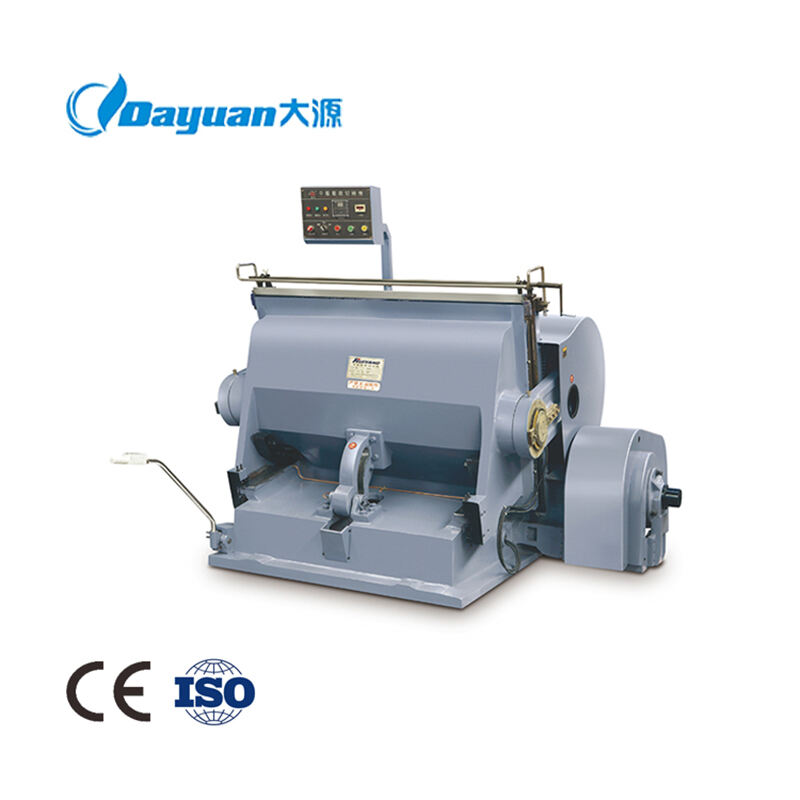
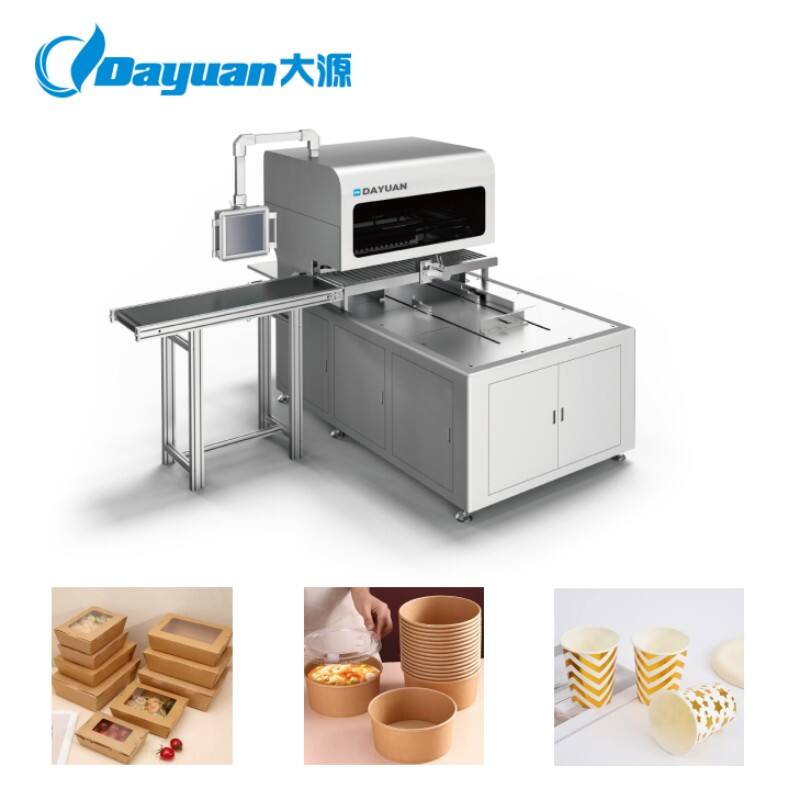
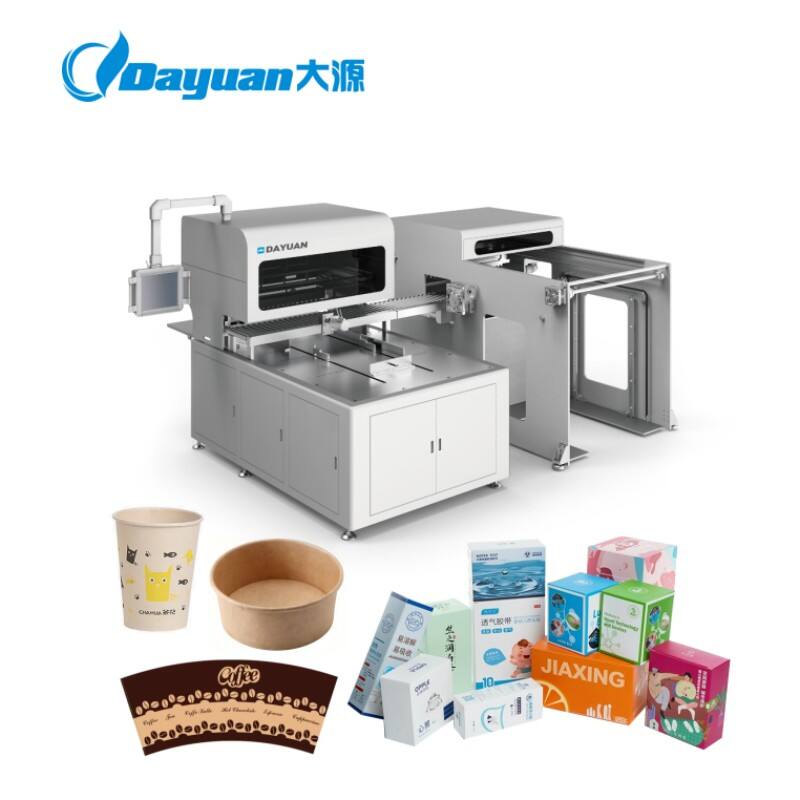
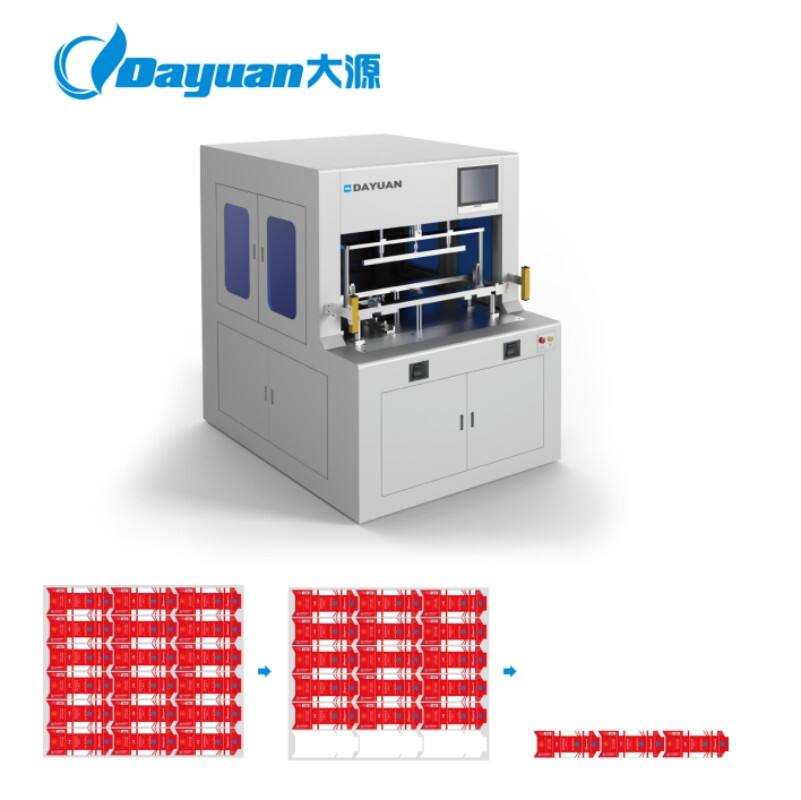
The waste stripper represents an essential piece of equipment in the die-cutting and packaging industries, designed to efficiently remove excess material from printed sheets after the cutting process. This sophisticated machine automates the task of separating unwanted waste portions from finished products, significantly enhancing production efficiency and reducing labor costs. Modern waste strippers incorporate advanced mechanical systems that handle various substrate types, including cardboard, corrugated board, and specialty papers. The primary function of a waste stripper involves positioning the die-cut sheet accurately, then using specialized stripping mechanisms to pull away the skeleton waste material while leaving the desired product intact. These machines feature adjustable settings that accommodate different material thicknesses, sheet sizes, and complexity levels of die-cut patterns. Technological innovations have equipped contemporary waste strippers with servo-driven motors for precise control, vacuum systems for secure sheet holding, and programmable logic controllers for operational consistency. The equipment typically includes feeding stations that accept sheets from die-cutting machines, stripping stations where waste removal occurs, and delivery stations that stack finished products neatly. Safety features such as emergency stops, protective guards, and sensor-based monitoring systems ensure operator protection during continuous operation. Industrial applications span numerous sectors including packaging manufacturers, printing companies, label producers, and specialty box manufacturers. The waste stripper proves particularly valuable in high-volume production environments where manual waste removal would be impractical and time-consuming. By automating this critical post-processing step, manufacturers achieve faster turnaround times, maintain consistent quality standards, and optimize their overall production workflows. The integration capability with existing production lines makes the waste stripper a versatile addition to manufacturing facilities of various scales.

New Product Recommendations

Investing in a waste stripper delivers substantial operational improvements that directly impact your bottom line. The automation of waste removal processes eliminates the need for multiple workers to manually pick out waste pieces, freeing your staff to focus on more valuable tasks that require human expertise. Production speed increases dramatically as machines process sheets continuously without fatigue, handling hundreds of sheets per hour compared to the limited output of manual operations. Consistency becomes a hallmark of your production when machines perform the same stripping action repeatedly with identical precision, eliminating the variation inherent in manual handling. Your finished products reach customers with minimal damage because automated systems handle materials gently and uniformly, reducing torn edges and surface scratches that commonly occur during hand stripping. Floor space optimization occurs as compact machine designs replace the larger areas needed for manual stripping stations, allowing you to maximize your facility layout. Energy efficiency characterizes modern machines that consume power only during active operation, with standby modes reducing electrical costs during idle periods. Maintenance requirements remain minimal with robust construction and accessible components that simplify routine servicing and part replacement. Worker safety improves significantly as employees avoid repetitive strain injuries associated with manual waste picking, and physical barriers protect operators from moving components. Quality control becomes easier to maintain when automated systems follow programmed parameters consistently, reducing rejection rates and material waste. Cost savings accumulate over time through reduced labor expenses, decreased material waste, lower injury-related costs, and improved production throughput. Flexibility allows quick changeovers between different job specifications without extensive reconfiguration, supporting diverse product ranges within the same facility. Return on investment typically occurs within months as the cumulative savings and productivity gains offset the initial equipment purchase price. Scalability enables manufacturers to increase production capacity without proportional increases in workforce, supporting business growth without corresponding overhead expansion. Competitive advantage emerges as faster delivery times and consistent quality help you secure more contracts and retain satisfied customers in demanding markets.

Latest News

Why Is a Paper Cutter Machine a Vital Tool for Achieving Clean Edges in Print and Publishing Work?

20

Jan

Why Is a Paper Cutter Machine a Vital Tool for Achieving Clean Edges in Print and Publishing Work?

In the high-stakes world of professional print and publishing, the difference between good and exceptional often lies in the details unseen by the untrained eye. Among these, the precision of a clean, sharp edge is paramount. It is the final signatur...
View More
How to Select the Right Paper Die Cutting Machine for Your Specific Cardboard or Carton Production?

10

Feb

How to Select the Right Paper Die Cutting Machine for Your Specific Cardboard or Carton Production?

Selecting the appropriate paper die cutting machine for cardboard and carton production requires careful consideration of multiple technical and operational factors. Modern packaging industries demand precision, efficiency, and versatility in their d...
View More
What Regular Maintenance Keeps Your Paper Die Cutting Machine’s Creasing and Cutting Tools in Top Shape?

02

Apr

What Regular Maintenance Keeps Your Paper Die Cutting Machine’s Creasing and Cutting Tools in Top Shape?

Maintaining optimal performance in your paper die cutting machine requires systematic attention to the creasing and cutting tools that form the heart of your production operation. These precision components endure tremendous stress during high-volume...
View More
How Do You Select the Right Paper Die Cutting Machine for Folding Cartons vs. Corrugated Board?

02

Apr

How Do You Select the Right Paper Die Cutting Machine for Folding Cartons vs. Corrugated Board?

Selecting the right paper die cutting machine for different packaging applications requires understanding the fundamental differences between folding carton and corrugated board production requirements. The choice between these substrate types direct...
View More

Get a Free Quote

Our representative will contact you soon.
Email
Name
Company Name
Required Product
Message
0/1000

waste stripper

Precision Engineering for Complex Die-Cut Patterns

Precision Engineering for Complex Die-Cut Patterns

The waste stripper showcases remarkable precision engineering that handles even the most intricate die-cut patterns with exceptional accuracy. Manufacturing operations frequently encounter complex designs featuring small internal cutouts, delicate connection points, and irregular shapes that challenge conventional removal methods. Advanced waste strippers address these challenges through multi-zone stripping mechanisms that apply controlled force to specific areas rather than uniform pressure across entire sheets. Servo-controlled actuators provide micro-adjustments in real-time, responding to material resistance and ensuring complete waste removal without damaging remaining products. The machine's vision systems, when equipped, scan each sheet before processing to identify waste areas and adjust stripping parameters automatically. This intelligent adaptation eliminates guesswork and reduces setup time when transitioning between different job specifications. Manufacturers benefit from the ability to accept orders with complicated designs that previously required extensive manual intervention, expanding their service offerings and market reach. The precision extends to registration systems that align sheets perfectly before stripping begins, compensating for slight variations in die-cutting position that naturally occur during production runs. Vacuum hold-down systems maintain sheet stability throughout the stripping process, preventing shifting that could cause incomplete waste removal or product damage. Adjustable stripping blades or fingers accommodate varying material thicknesses, from thin paperboard to heavy corrugated substrates, without requiring time-consuming mechanical modifications. Temperature and humidity sensors in premium models monitor environmental conditions that affect material behavior, automatically adjusting machine parameters to maintain optimal performance. Quality assurance features include verification sensors that detect incomplete waste removal, triggering alerts or diverting defective sheets for manual inspection. This attention to precision translates into higher first-pass yield rates, fewer customer complaints about quality issues, and reduced material waste from production errors. Operators appreciate intuitive interfaces that display real-time performance metrics, simplifying troubleshooting and preventive maintenance scheduling. The combination of mechanical precision and intelligent control systems positions the waste stripper as an indispensable tool for manufacturers pursuing excellence in finishing operations.
High-Speed Operation for Maximum Productivity

High-Speed Operation for Maximum Productivity

Speed defines competitive advantage in modern manufacturing environments, and the waste stripper delivers exceptional throughput that transforms production capabilities. Contemporary machines process between three hundred to six hundred sheets per hour depending on complexity and material specifications, dramatically outpacing manual alternatives that typically achieve only fifty to one hundred sheets hourly. This velocity advantage stems from synchronized mechanical systems that execute feeding, stripping, and stacking operations simultaneously rather than sequentially. Continuous motion technology keeps materials moving through processing stations without complete stops, minimizing dead time between cycles. Quick-change tooling systems enable operators to switch between different job setups in minutes rather than hours, maintaining momentum during production transitions. Automated feeding mechanisms draw sheets from supply stacks with consistent timing, eliminating the variability associated with manual loading that often creates bottlenecks. The stripping station employs high-speed actuators that execute waste removal in fractions of a second, immediately releasing finished products to continue their journey through the machine. Delivery systems stack completed work neatly and rapidly, preparing batches for subsequent packaging or shipping operations without manual intervention. Buffer zones within the machine architecture accommodate slight timing variations between stations, preventing minor disruptions from cascading into complete production stops. Manufacturers experience profound operational improvements as faster processing enables same-day turnaround for rush orders that competitors cannot match. Labor allocation becomes more strategic when one operator monitors multiple machines simultaneously, maximizing human resource efficiency across the facility. Extended production runs become feasible as machines operate reliably for entire shifts without performance degradation, supporting high-volume contracts that drive revenue growth. The economic impact extends beyond simple speed measurements to encompass reduced per-unit costs, improved equipment utilization rates, and enhanced capacity to accept additional business without capital expansion. Predictive maintenance systems monitor component wear patterns and alert operators before failures occur, preventing unexpected downtime that disrupts production schedules. Energy-efficient designs ensure that high-speed operation does not correlate with excessive power consumption, maintaining operational cost control while maximizing output.
Versatile Material Handling Across Diverse Applications

Versatile Material Handling Across Diverse Applications

The waste stripper demonstrates exceptional versatility in accommodating diverse materials and applications across multiple industries, making it a valuable investment for manufacturers serving varied market segments. Material compatibility extends from lightweight papers used in label production to heavy-duty corrugated boards employed in packaging applications, with thickness ranges spanning from point two millimeters to ten millimeters or more. This broad capability eliminates the need for separate specialized equipment for different substrate types, simplifying facility management and reducing capital expenditure. Adjustable components including feed rollers, stripping mechanisms, and delivery systems adapt to material characteristics through straightforward mechanical or electronic adjustments accessible via operator interfaces. Coating compatibility ensures successful processing of materials with special finishes including UV coatings, laminations, varnishes, and aqueous treatments without surface damage or adhesion problems. The machine handles both sheet-fed and board materials with equal proficiency, supporting operations that produce folding cartons, displays, labels, and specialty packaging products. Size flexibility accommodates sheets ranging from small formats measuring twelve by eighteen inches to large formats exceeding sixty by eighty inches, providing operational range that matches diverse customer specifications. Industry applications span commercial printing, packaging conversion, label manufacturing, pharmaceutical packaging, food service containers, and point-of-purchase display production. Manufacturers serving multiple sectors appreciate the economic advantage of consolidating waste removal operations onto a single versatile platform rather than maintaining separate specialized equipment. Specialty applications including micro-flute corrugated materials, plastic substrates, and composite boards fall within the processing capabilities of advanced models equipped with appropriate tooling configurations. Temperature-sensitive materials benefit from gentle handling systems that minimize friction and heat generation during processing, preventing warping or dimensional changes in finished products. The adaptability extends to production volume requirements, with machines offering speed adjustments that optimize efficiency whether processing short specialty runs or extended production campaigns. Modular design philosophies allow manufacturers to add capabilities such as waste collection systems, inline quality inspection, or automated stacking as operational needs evolve. Investment protection comes from knowing that equipment purchased today remains relevant as product offerings and market demands change over time, delivering sustained value throughout extended service life.

Get a Free Quote

Our representative will contact you soon.
Email
Name
Company Name
Required Product
Message
0/1000