Industrial Carton Waste Stripping Machine - Automated Packaging Solutions For Enhanced Production Efficiency

+86-577-58918888
All Categories

carton waste stripping machine

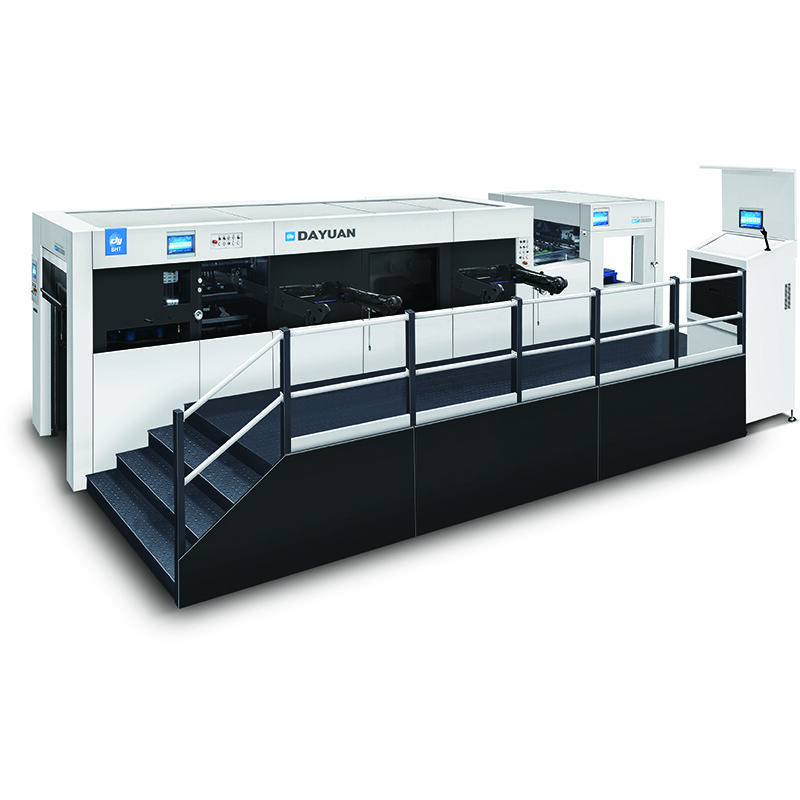
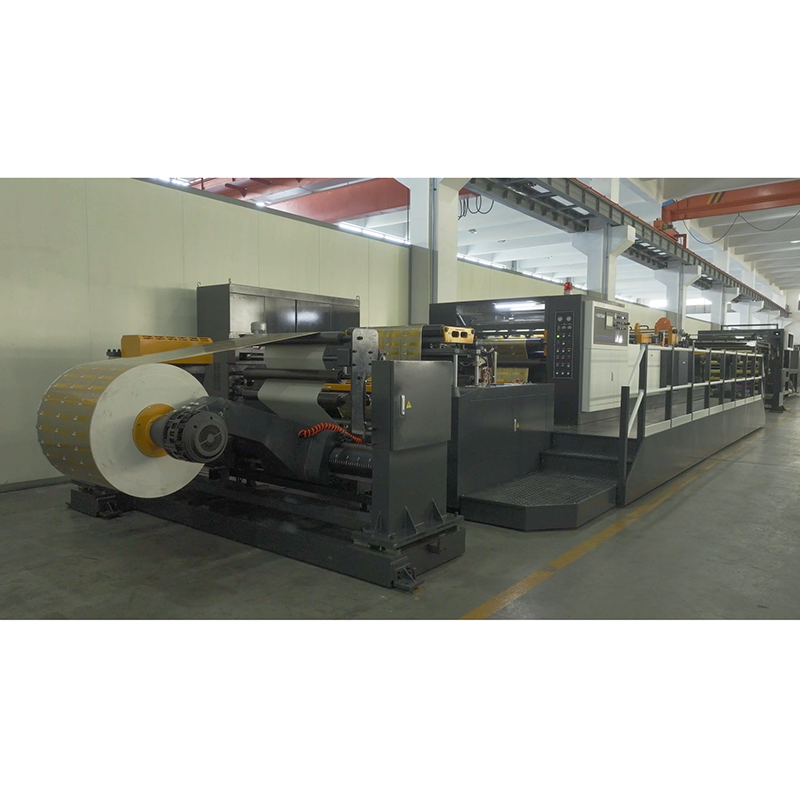
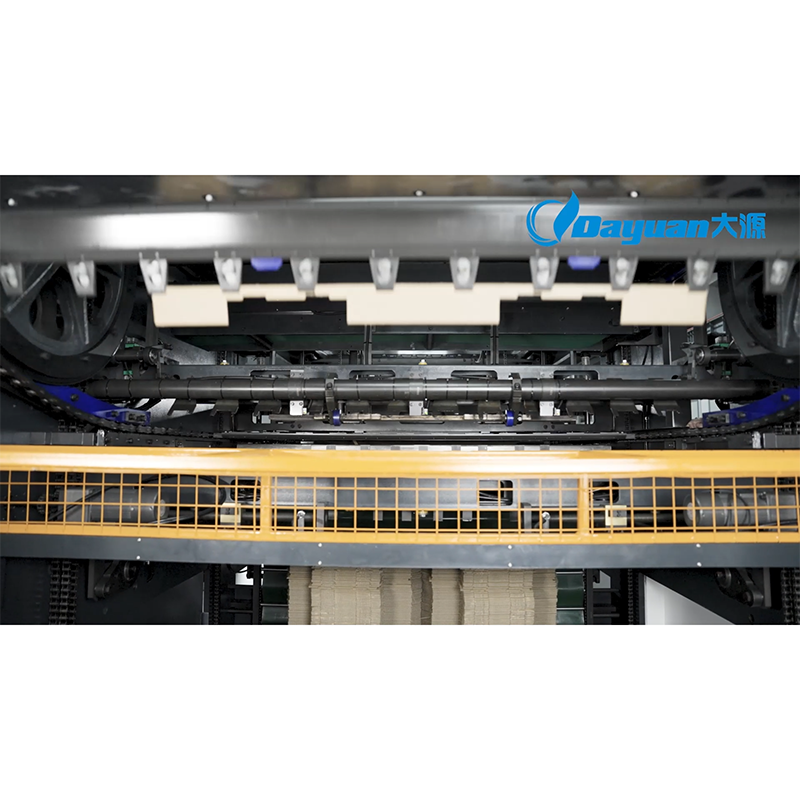
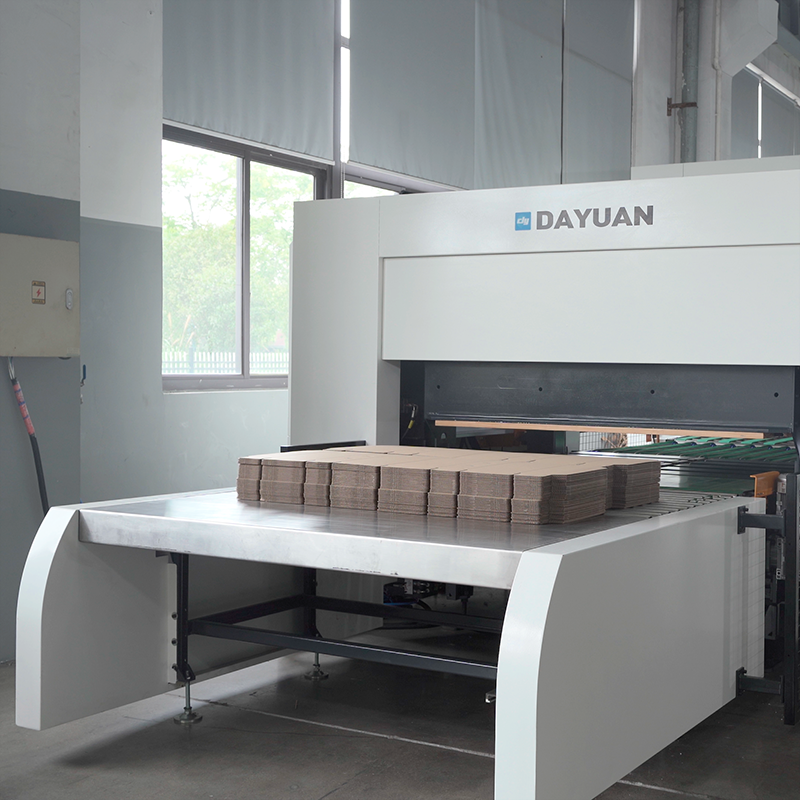
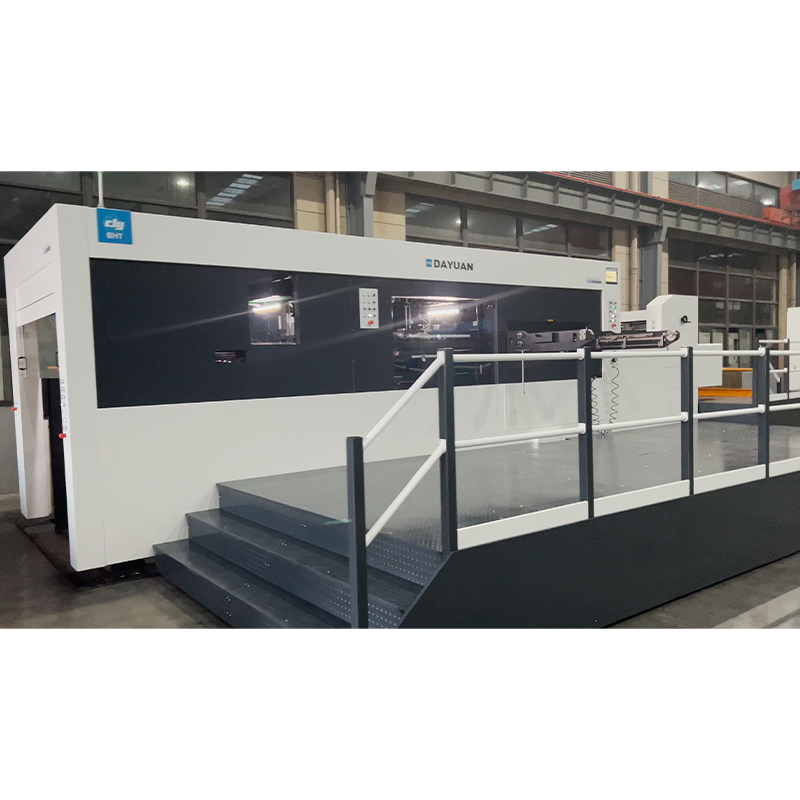
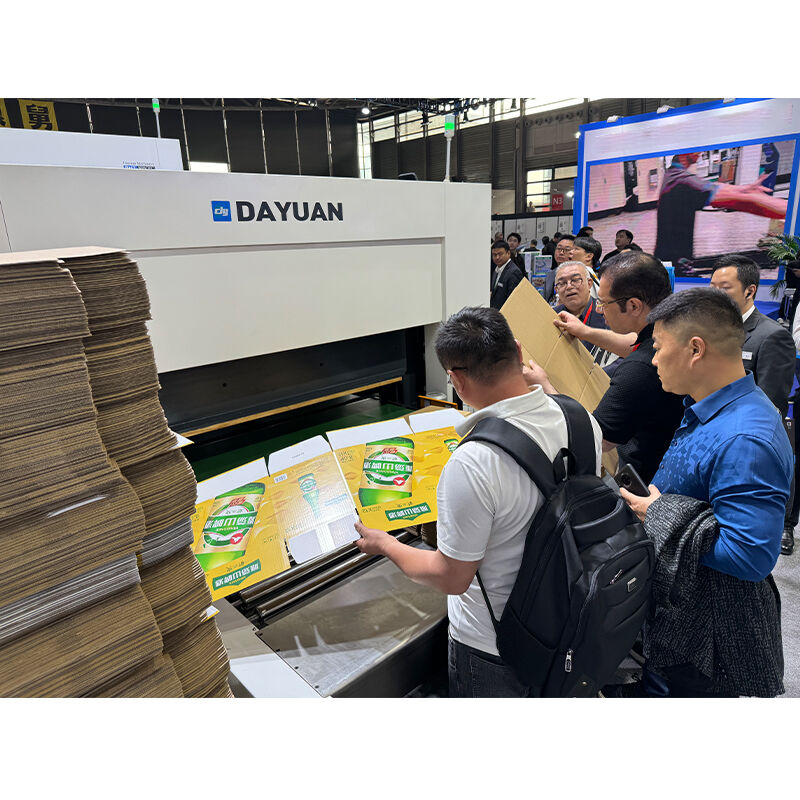
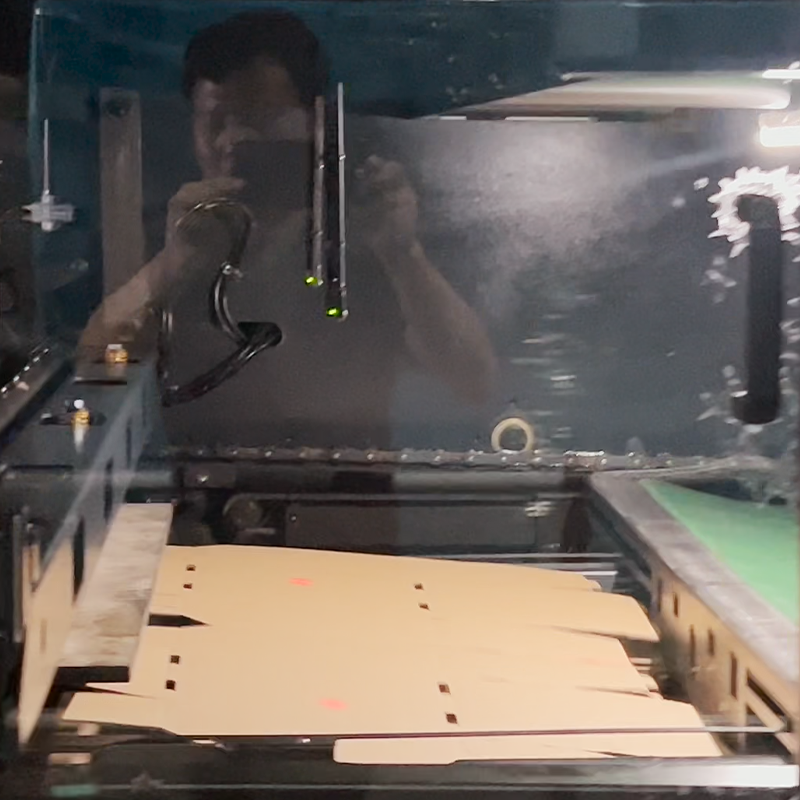
The carton waste stripping machine represents a sophisticated piece of equipment designed specifically for the packaging and printing industries, focusing on removing unwanted waste materials from die-cut carton sheets. This automated system streamlines the post-production process by efficiently extracting leftover material, window cutouts, and irregular shapes from corrugated and paperboard sheets after die-cutting operations. The primary function of the carton waste stripping machine centers on enhancing production efficiency while maintaining precision and consistency throughout the stripping process. Modern carton waste stripping machine units incorporate advanced mechanical systems that handle various carton thicknesses, ranging from lightweight paperboard to heavy-duty corrugated materials. The technological features embedded within these machines include programmable control panels, adjustable speed settings, and precision alignment systems that ensure accurate waste removal without damaging the final product. Most carton waste stripping machine models feature automated feeding mechanisms that accept sheets directly from die-cutting equipment, creating a seamless workflow integration. The stripping process utilizes specialized tools and rollers that separate waste materials from finished carton pieces, collecting debris in designated receptacles for easy disposal or recycling. Applications for the carton waste stripping machine span numerous sectors including food packaging, pharmaceutical boxes, cosmetic containers, electronics packaging, and retail display materials. Manufacturing facilities producing folding cartons, rigid boxes, and point-of-purchase displays rely heavily on these machines to maintain production schedules and quality standards. The equipment proves particularly valuable for operations processing complex designs with multiple cutouts, windows, or intricate patterns that would be time-consuming and labor-intensive to strip manually. Industrial settings benefit from the carton waste stripping machine capability to process hundreds of sheets per hour, significantly outperforming manual stripping methods while reducing labor costs and minimizing material waste through precise handling techniques.

New Product Recommendations

Investing in a carton waste stripping machine delivers substantial operational improvements that directly impact your bottom line and production capabilities. First and foremost, these machines dramatically reduce the time required to prepare finished cartons for folding and gluing operations, accelerating your overall production timeline and enabling faster order fulfillment. Labor cost savings represent another significant advantage, as automated stripping eliminates the need for multiple workers performing repetitive manual tasks, allowing you to reallocate human resources to higher-value activities that require skill and judgment. The consistency and accuracy provided by automated stripping equipment ensure that every carton sheet receives identical treatment, eliminating variations caused by worker fatigue or attention lapses that commonly occur during manual processing. Your production quality improves measurably because machines handle delicate materials with calibrated precision, reducing tears, creases, and damage that frequently result from hand-stripping operations. Workplace safety benefits emerge as workers avoid repetitive stress injuries associated with manual stripping tasks, decreasing workers compensation claims and improving employee satisfaction. The carton waste stripping machine enables your facility to accept more complex projects featuring intricate designs and multiple cutouts that would otherwise prove economically unfeasible due to excessive manual labor requirements. Material waste decreases substantially because automated systems separate components cleanly without disturbing surrounding areas, preserving more usable product from each sheet and improving your material yield percentages. Production capacity expands without proportional increases in floor space or personnel, as a single machine operator can supervise equipment processing volumes that would traditionally require an entire team of manual workers. Energy efficiency considerations favor modern stripping machines that incorporate power-saving features and optimize operational cycles to minimize electricity consumption during production runs. Return on investment timelines remain attractive for most facilities, with many operations recovering equipment costs within eighteen to thirty months through combined savings in labor, reduced waste, and increased throughput capacity. The flexibility offered by adjustable settings allows your facility to switch between different product specifications quickly, minimizing downtime during changeovers and enabling efficient short-run production that meets market demands. Quality control becomes more manageable as automated processes generate consistent results that simplify inspection procedures and reduce rejection rates. Customer satisfaction improves when you deliver cleaner, more precisely prepared cartons that arrive on schedule, strengthening business relationships and encouraging repeat orders that drive revenue growth.

Tips And Tricks

Why Is a Die Cutting Machine Essential for Consistent and Repeatable Paper Cutting Tasks?

15

Jan

Why Is a Die Cutting Machine Essential for Consistent and Repeatable Paper Cutting Tasks?

In the world of manufacturing and production, precision and repeatability are paramount for maintaining quality standards and operational efficiency. When it comes to paper processing applications, achieving consistent cuts across thousands or millio...
View More
How to Select the Right Paper Die Cutting Machine for Your Specific Cardboard or Carton Production?

10

Feb

How to Select the Right Paper Die Cutting Machine for Your Specific Cardboard or Carton Production?

Selecting the appropriate paper die cutting machine for cardboard and carton production requires careful consideration of multiple technical and operational factors. Modern packaging industries demand precision, efficiency, and versatility in their d...
View More
What Safety Features Should You Look for in Modern Paper Cutter Machines for Industrial Use?

18

Mar

What Safety Features Should You Look for in Modern Paper Cutter Machines for Industrial Use?

Industrial paper cutter machines represent a critical component in manufacturing, printing, and packaging operations worldwide. These sophisticated devices must balance precision, efficiency, and operator safety to meet the demanding requirements of ...
View More
How Does a 98,000㎡ Manufacturing Facility Ensure the Reliability of Paper Cutter Machines?

18

Mar

How Does a 98,000㎡ Manufacturing Facility Ensure the Reliability of Paper Cutter Machines?

Manufacturing excellence in the paper processing industry requires precise equipment and rigorous quality control measures. Large-scale production facilities spanning 98,000 square meters face unique challenges when ensuring the reliability of paper ...
View More

Get a Free Quote

Our representative will contact you soon.
Email
Name
Company Name
Required Product
Message
0/1000

carton waste stripping machine

Advanced Automation Technology Reducing Manual Labor Requirements

Advanced Automation Technology Reducing Manual Labor Requirements

The carton waste stripping machine incorporates cutting-edge automation technology that fundamentally transforms how packaging manufacturers approach post-production processing. Traditional manual stripping methods require skilled workers to carefully remove waste materials by hand, a process that proves both time-consuming and physically demanding while producing inconsistent results across production batches. Modern automated systems eliminate these challenges through sophisticated mechanical designs that combine precision engineering with intelligent control systems. The automation framework begins with programmable logic controllers that allow operators to input specific parameters for different carton specifications, creating customized stripping profiles that the machine executes with exact repeatability. Servo motors drive the feeding mechanisms with precise timing, ensuring that each sheet advances into the stripping zone at optimal intervals that maximize throughput without compromising quality. Sensor arrays positioned throughout the equipment monitor sheet position and alignment continuously, making real-time adjustments that compensate for variations in material properties or environmental conditions. The stripping tools themselves utilize specially designed configurations that apply controlled forces to separate waste from finished products, calibrated to accommodate different material thicknesses and structural characteristics without causing damage. Automated collection systems gather stripped waste materials into designated containers, streamlining disposal processes and facilitating recycling initiatives that support environmental sustainability goals. Operators interact with intuitive touchscreen interfaces that display production metrics, diagnostic information, and adjustment options in clear visual formats that require minimal training to master. The automation advantages extend beyond basic operation to encompass maintenance considerations, as self-diagnostic routines alert operators to potential issues before they escalate into costly breakdowns or production interruptions. Integration capabilities allow the carton waste stripping machine to communicate with upstream die-cutting equipment and downstream folding machinery, creating synchronized production lines that optimize material flow and minimize handling requirements. This comprehensive automation approach delivers measurable benefits including consistent output quality, reduced labor dependency, improved worker safety, enhanced production flexibility, and lower operational costs that strengthen competitive positioning in demanding markets where efficiency and reliability determine business success.
Versatile Material Handling Capabilities For Diverse Product Requirements

Versatile Material Handling Capabilities For Diverse Product Requirements

One of the most compelling attributes distinguishing advanced carton waste stripping machine models involves their remarkable versatility in handling diverse material types and product configurations. Packaging manufacturers serve varied clientele across multiple industries, each presenting unique specifications regarding material composition, thickness parameters, structural complexity, and finish requirements that demand flexible processing capabilities. Standard stripping equipment frequently struggles when confronted with materials outside narrow operational parameters, forcing facilities to maintain multiple specialized machines or resort to inefficient manual processing for non-standard jobs. Contemporary carton waste stripping machine designs overcome these limitations through adaptable engineering that accommodates extensive material ranges within single equipment platforms. Adjustable pressure settings enable operators to calibrate stripping force appropriately for lightweight paperboard measuring just a few millimeters thick or robust multi-wall corrugated materials exceeding substantial thickness specifications. Modular tooling systems allow quick changeovers between different stripping configurations, supporting products with simple rectangular cutouts, complex geometric patterns, multiple window arrangements, or intricate decorative perforations without requiring extensive setup modifications. Sheet dimension flexibility represents another crucial versatility factor, as modern machines accept varying sizes from compact cartons to large-format display materials, providing processing capability across complete product portfolios rather than limiting operations to specific size categories. Surface finish compatibility ensures successful processing regardless of whether materials feature matte coatings, glossy varnishes, UV treatments, laminations, or specialty textures that might complicate waste separation using less sophisticated equipment. Speed adjustment capabilities prove essential when switching between high-volume commodity products requiring maximum throughput and premium specialty items demanding careful handling and deliberate processing rates that prioritize quality preservation. The carton waste stripping machine versatility extends to operational modes, offering automatic continuous production for long runs, semi-automatic operation for jobs requiring intermittent operator intervention, and manual override options that provide control during setup, testing, or troubleshooting activities. Environmental adaptability allows these machines to maintain consistent performance across varying temperature and humidity conditions that affect material behavior, employing compensating mechanisms that adjust operational parameters automatically based on ambient conditions. This comprehensive versatility empowers packaging manufacturers to consolidate operations, reduce equipment redundancy, respond quickly to changing customer requirements, and pursue diverse market opportunities without confronting technological limitations that restrict production capabilities or compromise competitive responsiveness in dynamic business environments.

Enhanced Production Efficiency And Cost-Effectiveness For Profitable Operations

Enhanced Production Efficiency And Cost-Effectiveness For Profitable Operations

Financial performance represents the ultimate measure determining equipment investment success, making the cost-effectiveness and efficiency improvements delivered by the carton waste stripping machine particularly significant for packaging manufacturers seeking competitive advantages. Production efficiency gains manifest through multiple mechanisms that collectively transform operational economics and profitability potential. Processing speed capabilities enable modern machines to handle substantial sheet volumes per hour, dramatically outperforming manual methods that struggle to process even a fraction of comparable throughput despite employing multiple workers. This velocity advantage compresses production timelines, allowing facilities to complete orders faster, reduce work-in-progress inventory levels, and respond more rapidly to urgent customer requirements that command premium pricing. Labor efficiency improvements generate substantial recurring savings as automated stripping reduces workforce requirements from multiple dedicated personnel to single machine operators who supervise equipment while performing additional value-added responsibilities. The economic calculus becomes particularly favorable when considering fully-loaded labor costs including wages, benefits, training investments, and administrative overhead associated with managing larger workforces. Material utilization optimization contributes to cost-effectiveness through precise waste separation that minimizes incidental damage to finished products, reducing scrap rates and improving yield percentages that preserve revenue from each raw material investment. Quality consistency delivered by automated processing decreases rejection rates and customer returns, eliminating costs associated with rework, replacement production, and relationship damage that erodes profitability and market reputation. Operational reliability inherent in well-engineered carton waste stripping machine designs minimizes unplanned downtime that disrupts production schedules, frustrates customers, and generates expediting costs when recovering from equipment failures. Maintenance efficiency stems from accessible component designs and diagnostic systems that simplify service procedures, reducing both the duration and expense of routine maintenance activities while extending equipment service life. Energy consumption optimization in contemporary models incorporates efficient drive systems and intelligent power management that reduce electrical costs compared to older equipment generations or alternative processing methods. Floor space efficiency allows facilities to accomplish substantial processing capacity within compact footprints, maximizing productive use of expensive manufacturing real estate and avoiding costly facility expansions. The cumulative financial impact of these efficiency factors typically generates attractive returns on investment that justify equipment acquisition costs within reasonable payback periods, while ongoing operational savings continue delivering value throughout extended equipment service lives spanning many years of productive operation supporting profitable business growth.

Get a Free Quote

Our representative will contact you soon.
Email
Name
Company Name
Required Product
Message
0/1000