Intelligent Quality Control Features Ensuring Consistent Output
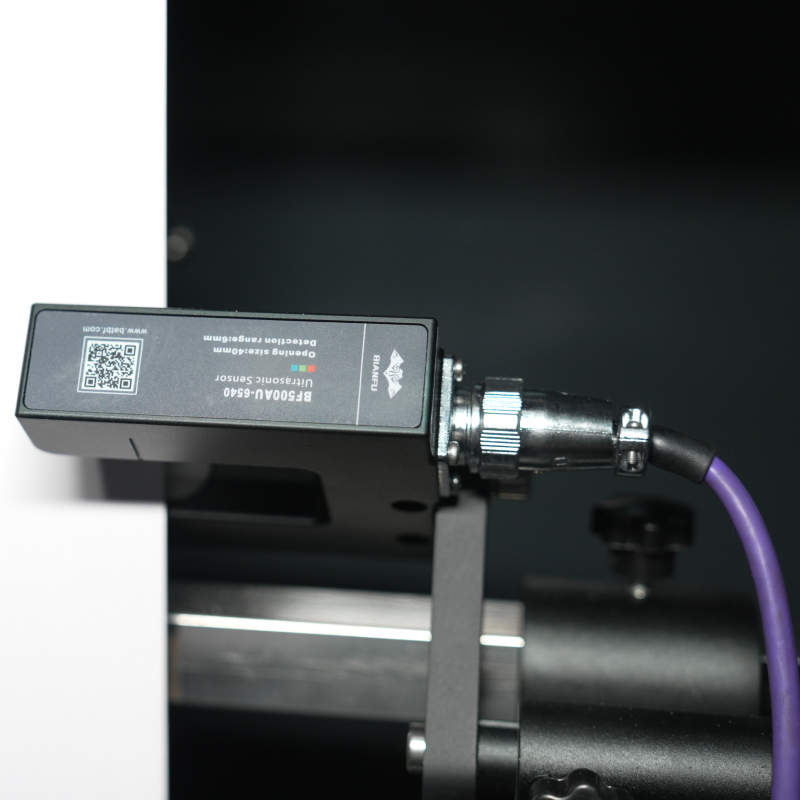
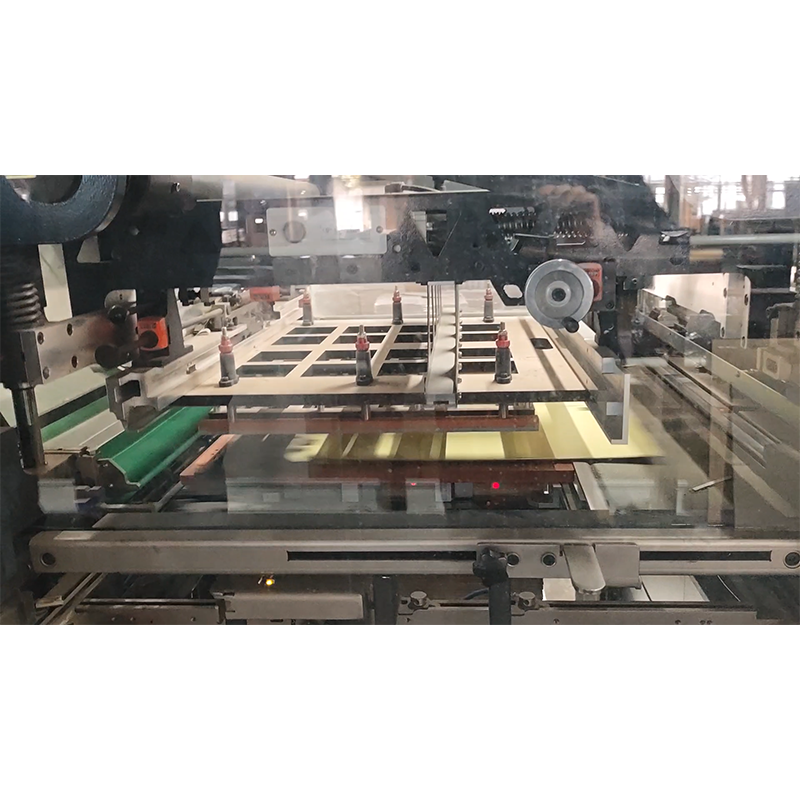
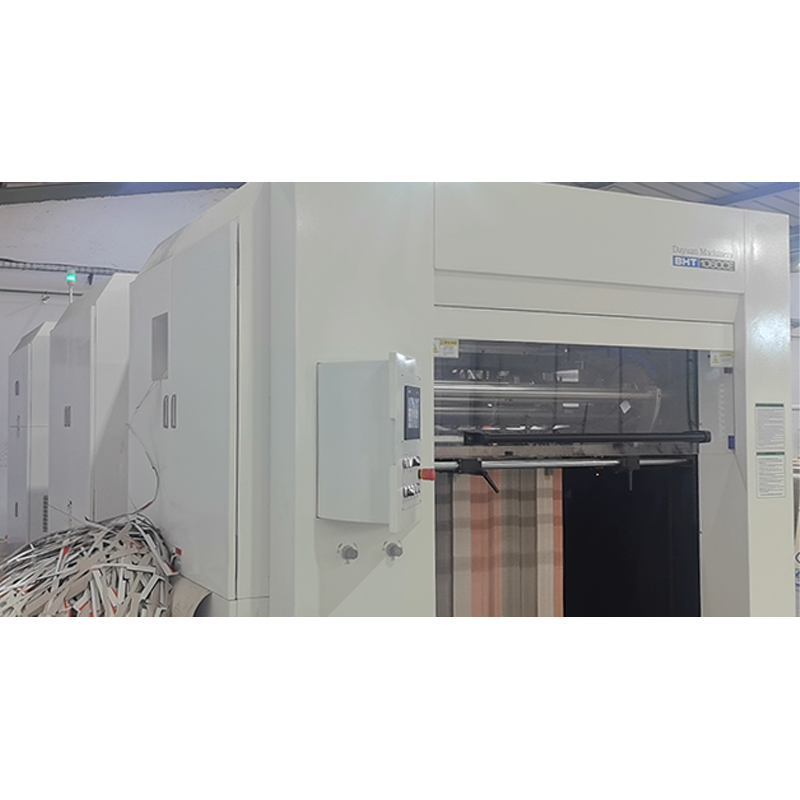
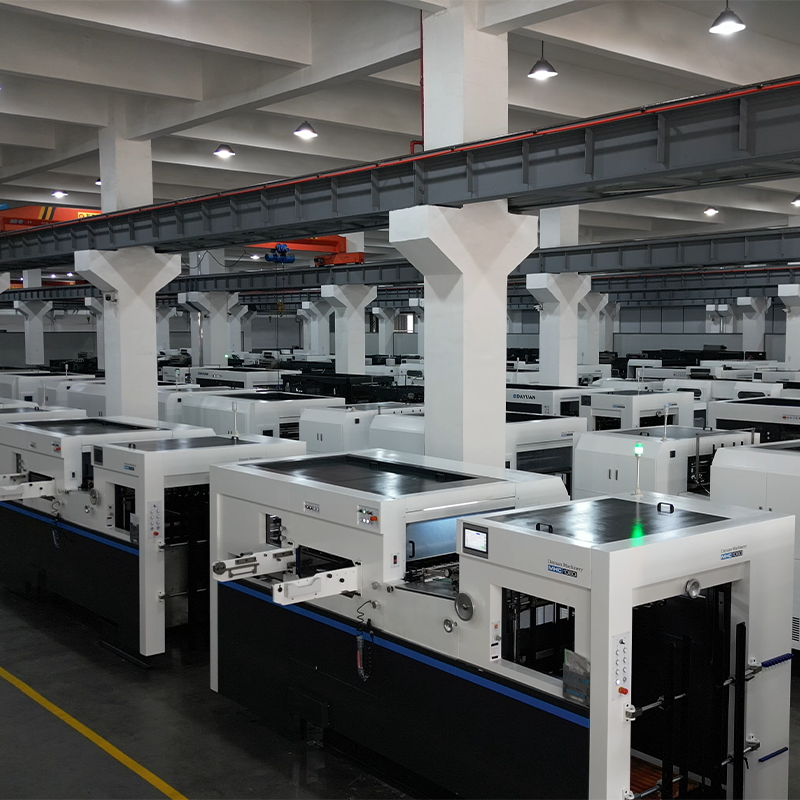
Quality control capabilities built into modern die cutting stripping machine systems provide manufacturers with unprecedented assurance that every finished product meets exact specifications, eliminating costly rework and customer complaints that arise from inconsistent or defective output. These intelligent quality control features operate continuously throughout the production process, monitoring multiple parameters and making real-time adjustments that maintain optimal performance without requiring constant operator intervention. Optical inspection systems integrated into advanced machines examine products as they emerge from the stripping process, using high-resolution cameras and sophisticated image analysis algorithms to detect edge defects, incomplete stripping, material tears, or dimensional variations that fall outside acceptable tolerances. When the system identifies a defect, it can automatically trigger several responses depending on configuration, including alerting operators through visual and audible signals, marking defective products for removal, or even stopping the machine to prevent continued production of out-of-specification items. Registration mark detection technology ensures that stripping tools align precisely with die-cut patterns regardless of minor variations in material feed positioning, compensating for shifts that might otherwise result in improper stripping or damage to finished products. This registration capability becomes particularly critical when processing complex multi-color printed materials where stripping accuracy directly affects the appearance and usability of finished products. Pressure monitoring systems track the force applied during stripping operations, detecting abnormalities that might indicate tool wear, material characteristic changes, or mechanical issues requiring attention before they escalate into major problems or quality failures. Statistical process control features collect and analyze production data over time, identifying trends that inform preventive maintenance scheduling and process optimization initiatives. The die cutting stripping machine can generate detailed production reports documenting quantities processed, defect rates, downtime incidents, and efficiency metrics that support continuous improvement programs and provide objective evidence of quality system compliance for certified operations. Traceability functions available in some models link specific production parameters and quality measurements to batch numbers or order identifiers, creating documentation trails that satisfy regulatory requirements and facilitate root cause analysis if customer issues arise. These quality control capabilities transform the stripping operation from a potential vulnerability in your production process into a reliable, consistent manufacturing step that enhances overall product quality and customer satisfaction while reducing the costs associated with defects, returns, and rework that plague operations relying on manual or less sophisticated automated systems.
 EN
EN