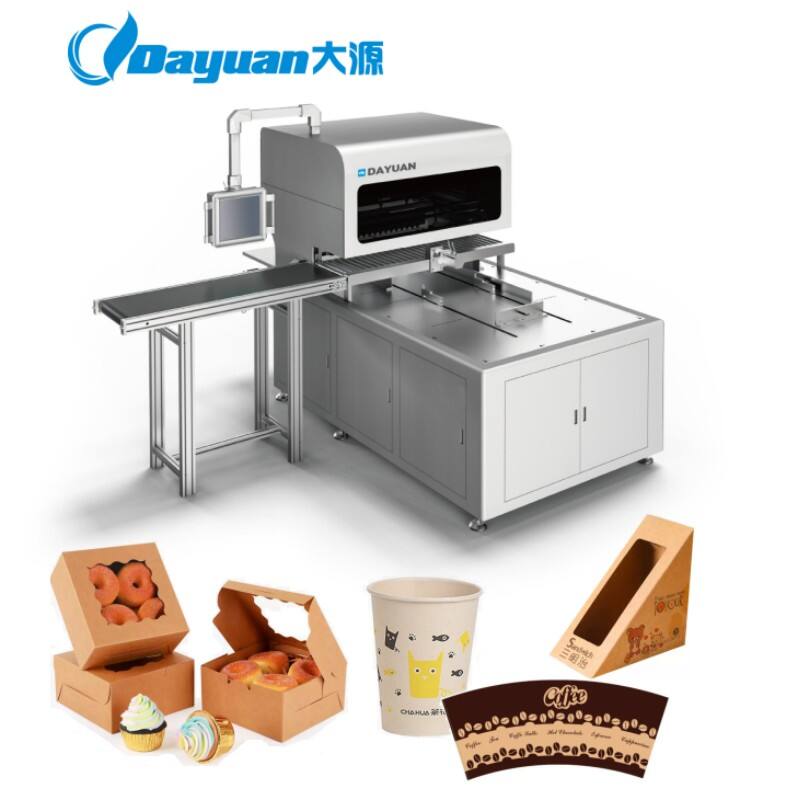
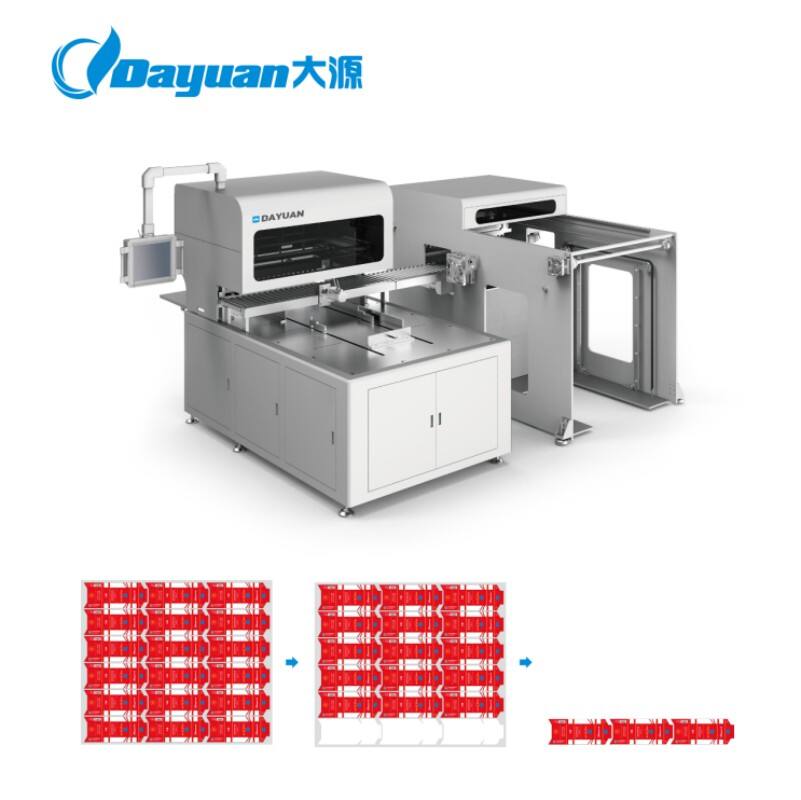
Industrial Scrap Removal Machine - Automated Waste Collection Systems for Manufacturing Efficiency

+86-577-58918888
All Categories

scrap removal machine

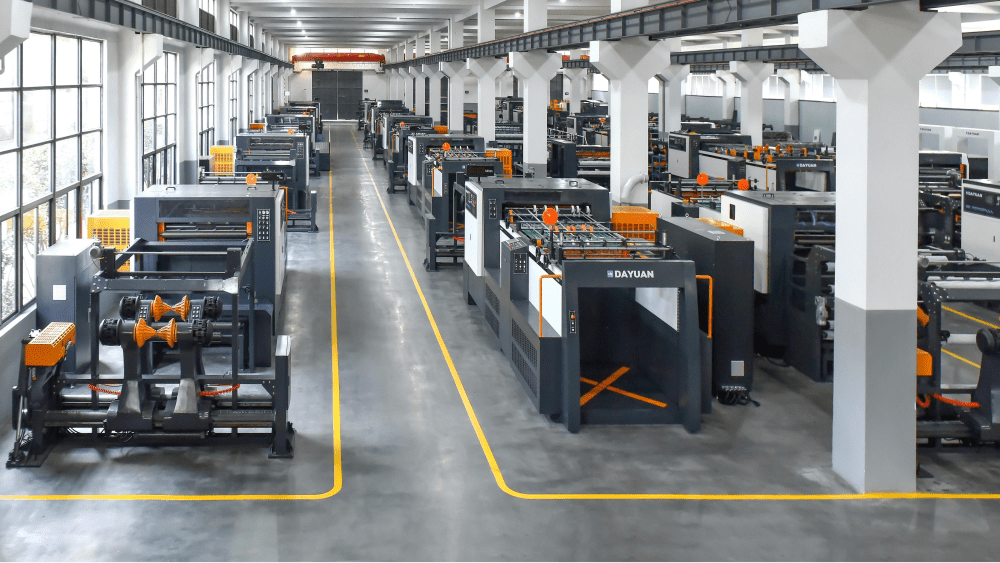
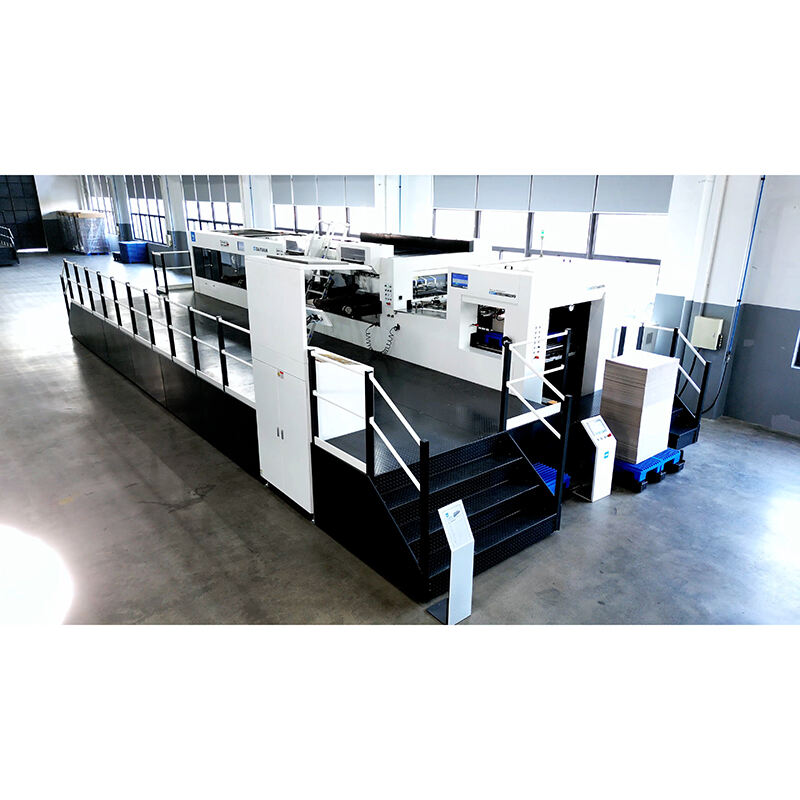
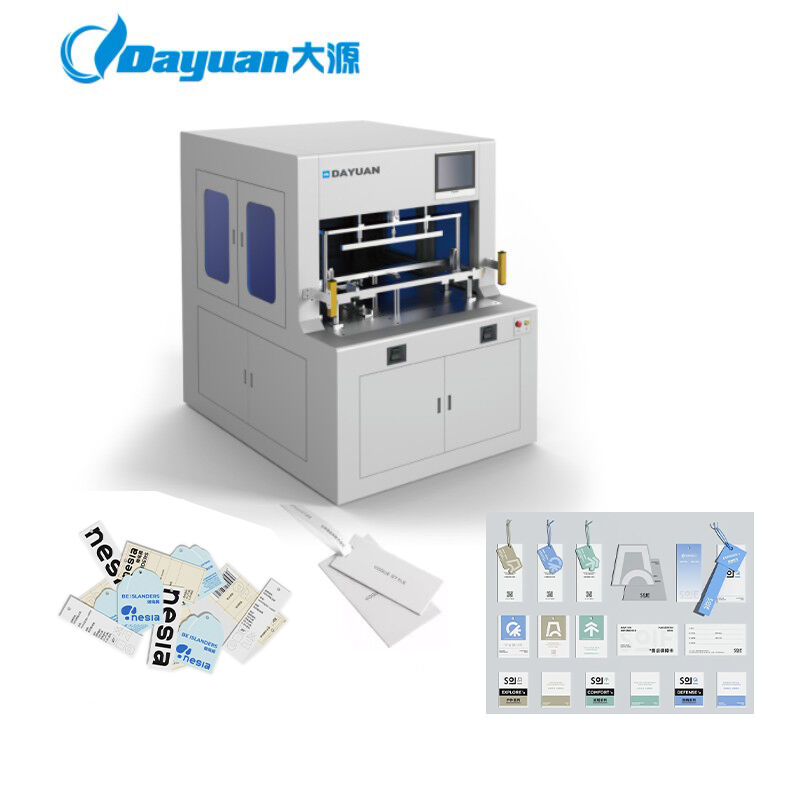
A scrap removal machine represents an essential piece of equipment in modern manufacturing environments, designed specifically to eliminate waste material efficiently from production processes. This specialized machinery plays a crucial role in maintaining clean, organized workspaces while simultaneously enhancing operational productivity. The primary function of a scrap removal machine centers on automatically collecting, transporting, and disposing of excess materials generated during cutting, stamping, punching, and other fabrication operations. These systems utilize sophisticated mechanical components including conveyor belts, vacuum mechanisms, or auger-based transport systems to move scrap material away from production areas. The technological features integrated into contemporary scrap removal machines include programmable logic controllers that enable automated operation cycles, adjustable speed settings for different material types, and sensor-based detection systems that activate collection processes when waste accumulates. Many models incorporate modular designs allowing customization based on specific facility requirements and production volumes. The applications for scrap removal machines span numerous industries including automotive manufacturing, aerospace component production, electronics assembly, packaging operations, and metal fabrication shops. In automotive plants, these machines efficiently handle metal shavings and stamping waste from body panel production. Electronics manufacturers rely on scrap removal systems to collect tiny component leads and circuit board trimmings. The machinery proves particularly valuable in high-volume production settings where manual waste collection would be impractical and time-consuming. Modern scrap removal machines feature compact footprints that integrate seamlessly with existing production lines without requiring extensive facility modifications. Their robust construction using corrosion-resistant materials ensures longevity even when handling abrasive or chemically reactive waste materials. Safety features including emergency stop mechanisms, protective guards, and automatic shutoff sensors protect operators from potential hazards. The equipment typically operates with minimal noise levels, contributing to improved working conditions. Installation flexibility allows positioning beneath workstations, alongside production equipment, or in centralized collection points depending on workflow optimization needs.

New Product Releases

The scrap removal machine delivers substantial benefits that directly impact your bottom line and operational efficiency. First and foremost, these systems dramatically reduce labor costs by eliminating the need for workers to manually collect and dispose of waste materials throughout production shifts. Your team members can focus entirely on value-adding activities rather than spending valuable time on repetitive cleanup tasks. This automation translates to measurable productivity gains, with many facilities reporting efficiency improvements of twenty to thirty percent after installation. The continuous operation capability means the scrap removal machine works tirelessly alongside your production equipment, maintaining clear work areas without interrupting manufacturing processes. Safety improvements represent another critical advantage, as automated waste collection minimizes worker exposure to sharp metal fragments, hot materials, or potentially hazardous waste products. Reducing manual handling decreases injury risks and associated workers compensation costs. The machinery also contributes to better workplace organization by preventing scrap accumulation that can create tripping hazards or obstruct emergency pathways. Environmental benefits emerge through improved waste segregation and recycling opportunities, as the scrap removal machine can direct different material types into separate collection containers. This sorting capability increases the value of recyclable materials and may generate additional revenue streams from scrap sales. Maintenance requirements remain minimal due to durable construction and straightforward mechanical designs, with most systems requiring only periodic lubrication and basic cleaning procedures. Energy consumption stays relatively low compared to the labor hours saved, making these machines cost-effective investments. The quick return on investment typically occurs within twelve to eighteen months for most manufacturing operations. Flexibility represents a key practical benefit, as the scrap removal machine adapts to various production schedules and can handle fluctuating waste volumes without performance degradation. Noise reduction compared to manual collection methods creates a more pleasant working environment. The consistent, reliable performance eliminates workflow interruptions caused by overflowing waste containers or delayed manual pickups. Space optimization becomes possible as centralized collection points replace multiple waste bins scattered throughout production areas. Quality improvements often result indirectly, as cleaner workspaces reduce contamination risks and allow operators to better inspect products. The professional appearance of automated waste management systems also impresses clients during facility tours, demonstrating operational excellence and commitment to modern manufacturing practices.

Latest News

What Should You Look for When Selecting a Paper Cutter Machine for Various Paper Types and Thicknesses?

17

Jan

What Should You Look for When Selecting a Paper Cutter Machine for Various Paper Types and Thicknesses?

Selecting the right paper cutter machine for your business operations requires careful consideration of multiple factors that directly impact productivity, quality, and cost-effectiveness. Whether you're operating a commercial printing facility, pack...
View More
How to Maintain the Blade and Calibration of Your Paper Cutter Machine for Safe Operation?

22

Jan

How to Maintain the Blade and Calibration of Your Paper Cutter Machine for Safe Operation?

Maintaining your paper cutter machine is essential for ensuring consistent performance, operator safety, and product longevity. Regular maintenance of both the cutting blade and calibration system prevents costly repairs while maximizing productivity...
View More
Why Is Blade Quality Critical for Consistent Performance in Paper Cutter Machines?

18

Mar

Why Is Blade Quality Critical for Consistent Performance in Paper Cutter Machines?

The precision and efficiency of paper cutter machines directly depend on the quality of their cutting blades, making blade selection one of the most critical factors in achieving consistent performance across industrial applications. Professional pri...
View More
What Patented Technologies Should You Look for in a High-Performance Paper Die Cutting Machine?

02

Apr

What Patented Technologies Should You Look for in a High-Performance Paper Die Cutting Machine?

When investing in a high-performance paper die cutting machine for industrial production, understanding the patented technologies that differentiate premium equipment from standard alternatives becomes crucial for making informed purchasing decisions...
View More

Get a Free Quote

Our representative will contact you soon.
Email
Name
Company Name
Required Product
Message
0/1000

scrap removal machine

Automated Continuous Operation Eliminates Production Interruptions

Automated Continuous Operation Eliminates Production Interruptions

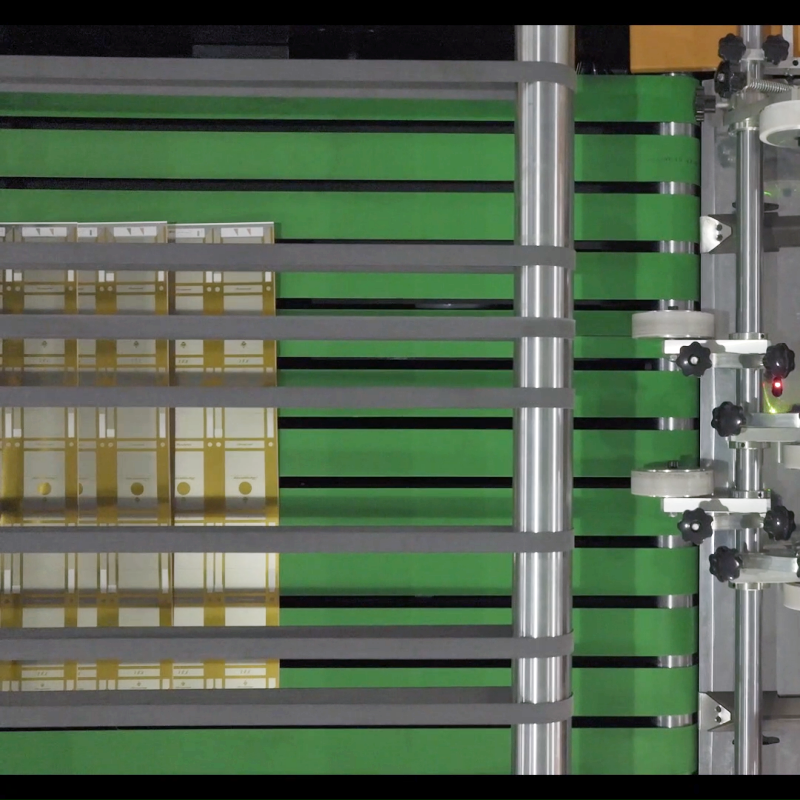
The automated continuous operation feature of the scrap removal machine represents perhaps the most transformative aspect for busy manufacturing facilities. Unlike traditional manual waste collection methods that require periodic production pauses while workers clear accumulated scrap, this advanced machinery operates simultaneously with your manufacturing processes without any interruptions. The system monitors waste accumulation through strategically positioned sensors that detect material levels and automatically activate collection mechanisms when predetermined thresholds are reached. This intelligent operation means your production lines maintain consistent output rates throughout entire shifts, eliminating the frustrating slowdowns that occur when workers must stop machinery to clear waste buildup. The continuous operation capability proves especially valuable during high-volume production runs where even brief interruptions multiply into significant lost output over time. Manufacturing managers appreciate how the scrap removal machine integrates seamlessly into existing workflows, becoming an invisible yet essential component of efficient operations. The automated system requires no operator intervention under normal circumstances, freeing your skilled workforce from mundane cleanup duties and allowing them to concentrate on critical quality control, machine operation, and process optimization tasks. This reallocation of human resources toward higher-value activities generates compounding productivity benefits throughout your facility. The machinery operates reliably across extended timeframes, including overnight shifts and weekend production runs, providing consistent performance regardless of when operations occur. Maintenance scheduling becomes predictable rather than reactive, as the equipment follows programmed service intervals instead of unpredictable breakdown patterns common with manual processes. The continuous operation design also accommodates varying production speeds and material types without requiring manual adjustments, automatically adapting collection rates to match your actual output. This flexibility ensures optimal performance whether running small prototype batches or full-scale production volumes. The reduced physical strain on workers represents an often-overlooked benefit, as eliminating repetitive bending, lifting, and container emptying prevents cumulative musculoskeletal injuries that affect long-term workforce health and productivity.
Advanced Material Handling Technology Maximizes Collection Efficiency

Advanced Material Handling Technology Maximizes Collection Efficiency

The advanced material handling technology incorporated into modern scrap removal machines delivers exceptional collection efficiency that surpasses conventional waste management approaches. These sophisticated systems employ multiple transport mechanisms tailored to different material characteristics, ensuring effective removal regardless of whether handling fine metal shavings, bulky stamping scraps, plastic trimmings, or composite material waste. Conveyor-based designs utilize precision-engineered belts with specialized surface textures that grip materials securely while resisting wear from abrasive particles. The variable speed control allows operators to optimize transport rates based on actual waste generation patterns, preventing overload situations while maintaining sufficient capacity during peak production periods. Vacuum-assisted collection systems generate powerful suction that captures even lightweight materials that might otherwise scatter across work areas, ensuring comprehensive cleanup that maintains pristine working conditions. The sealed transport pathways prevent material spillage during movement from collection points to disposal containers, eliminating secondary cleanup requirements and maintaining orderly facilities. Auger-based transport mechanisms excel at moving dense, heavy materials through confined spaces where conventional conveyors cannot fit, providing installation flexibility in space-constrained manufacturing environments. The material handling technology includes intelligent routing capabilities that can direct different waste types to separate collection points, facilitating recycling efforts and maximizing material recovery value. Durable construction using industrial-grade components ensures reliable performance even when processing abrasive materials like metal filings or chemically reactive substances that would quickly degrade inferior equipment. The enclosed design protects mechanical components from contamination by production fluids, dust, or debris, extending operational lifespan and reducing maintenance requirements. Ergonomic collection container interfaces simplify waste disposal, with quick-release mechanisms allowing rapid container changes without tools or extended downtime. The scalable architecture permits capacity expansion by adding collection points or extending transport distances as production operations grow, protecting your equipment investment against obsolescence. Quiet operation maintains acceptable noise levels in working areas, complying with occupational safety regulations while creating more comfortable environments for your team members. The efficient material handling reduces the physical volume of collected waste through compaction or consolidation, decreasing disposal costs and minimizing storage space requirements for waste containers awaiting removal.
Customizable Configuration Adapts To Diverse Manufacturing Requirements

Customizable Configuration Adapts To Diverse Manufacturing Requirements

The customizable configuration capability of the scrap removal machine provides unmatched adaptability for diverse manufacturing requirements across different industries and production methods. This flexibility begins with modular design principles that allow tailoring systems to specific facility layouts, production processes, and material characteristics without expensive custom engineering. Manufacturing operations vary tremendously in their waste generation patterns, with some producing continuous streams of fine particles while others generate intermittent batches of bulky components, and the configurable nature of these machines accommodates this entire spectrum. Adjustable collection point positioning enables strategic placement exactly where waste accumulates, whether beneath stamping presses, alongside CNC machining centers, or integrated into packaging stations. The scalable architecture supports starting with basic single-point collection systems and progressively expanding to comprehensive facility-wide networks as production volumes increase or new equipment is added. Interchangeable transport modules allow switching between conveyor, vacuum, or auger mechanisms depending on which technology best suits particular material types or spatial constraints in different production areas. Programmable control systems enable fine-tuning operational parameters including collection cycle timing, transport speeds, and sensor sensitivity thresholds to match your specific production rhythms and waste characteristics. The customization extends to collection container specifications, with options for various sizes, materials, and mounting configurations that integrate smoothly with existing waste management infrastructure. Facilities processing multiple material types simultaneously benefit from multi-stream separation capabilities that automatically route different wastes to designated containers, streamlining recycling efforts and maximizing material recovery revenues. The adaptable filtration systems can be specified based on whether operations generate dust, fumes, or particulate matter requiring capture before air discharge, ensuring environmental compliance across regulated industries. Integration capabilities with existing facility management systems allow monitoring waste collection metrics, tracking maintenance schedules, and analyzing operational efficiency through centralized dashboards. The customizable safety features can be enhanced with additional sensors, emergency stops, or protective barriers based on specific risk assessments and regulatory requirements in your jurisdiction. Aesthetic customization options including powder-coated finishes and branded panels allow the equipment to match facility appearance standards, important for operations hosting frequent client visits or maintaining corporate image consistency. The configuration flexibility extends to power requirements, with options for standard electrical connections, pneumatic operation, or hybrid systems depending on available utilities and operational preferences. This comprehensive customizability ensures the scrap removal machine functions as a natural extension of your unique manufacturing environment rather than forcing awkward compromises or expensive facility modifications.

Get a Free Quote

Our representative will contact you soon.
Email
Name
Company Name
Required Product
Message
0/1000