 EN
EN

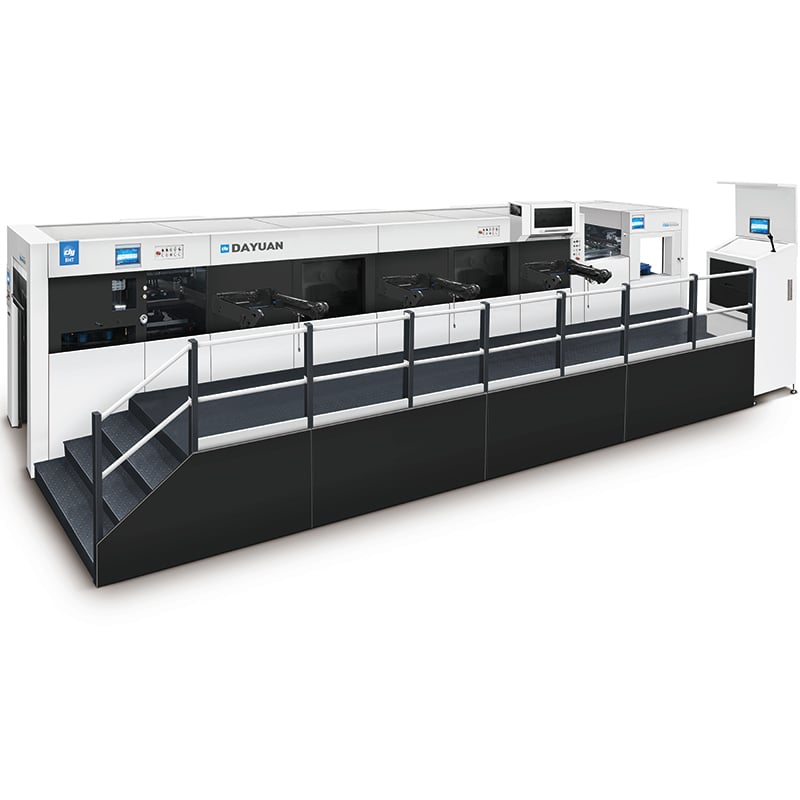
Achieving consistent foil transfer with a professional hot stamping machine depends on the coordination of the machine, foil, die, substrate, and production settings. In paper packaging production, even a small change in positioning, heating, pressure, or material condition can affect the clarity and completeness of the final foil effect.
How can manufacturers maintain a clean foil finish throughout a large production order? How should operators respond when foil transfer becomes incomplete or uneven? A systematic approach to equipment setup and production control can help reduce avoidable defects and maintain consistent results.
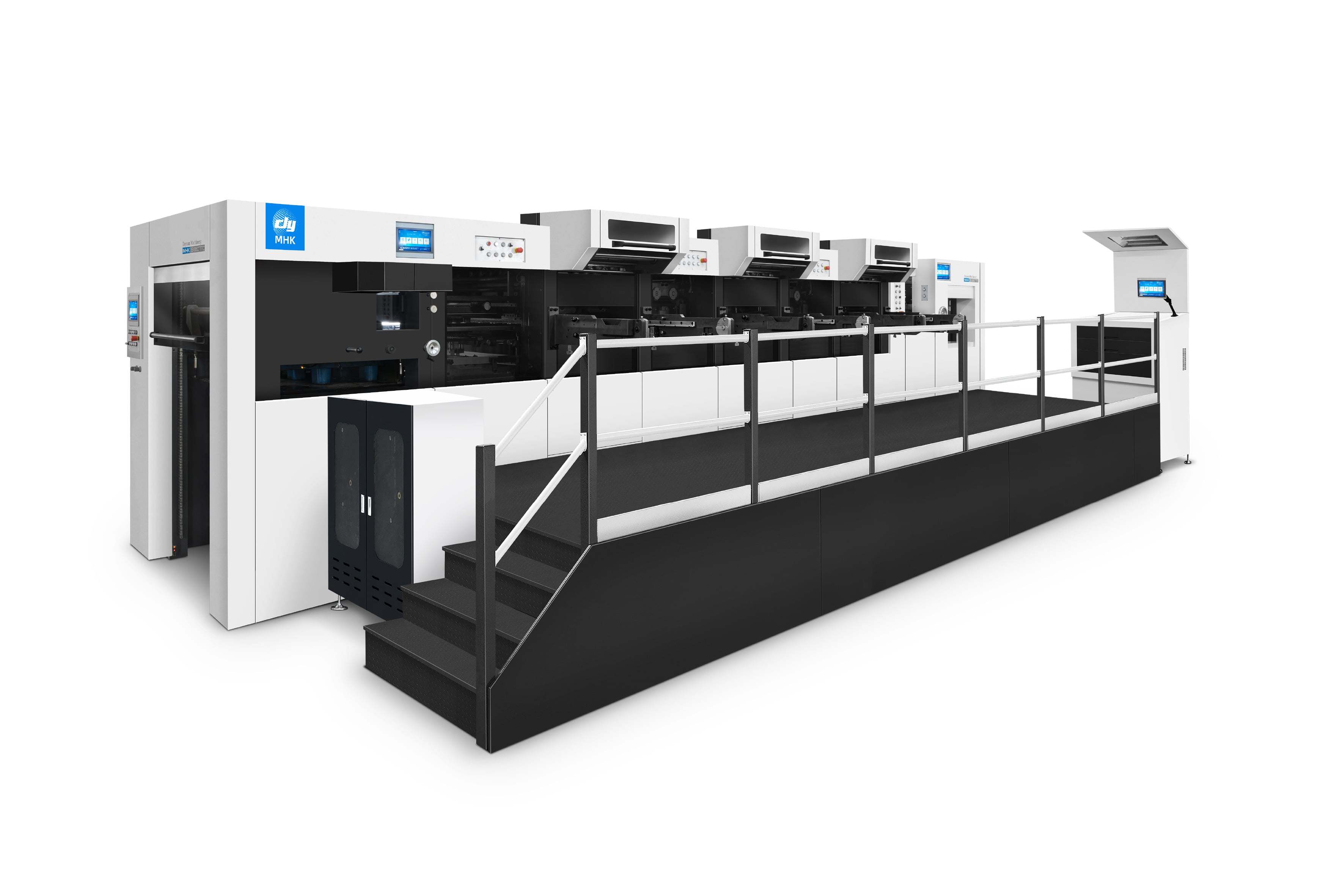
Dayuan's automatic hot foil stamping and die cutting machines are designed for paper packaging applications. Depending on the model, the equipment combines hot foil stamping with processes such as die cutting, embossing, and stripping, providing an integrated solution for manufacturers producing decorative paper packaging.
Optimizing Machine Settings
Maintaining Appropriate Heating Conditions
Heat is one of the fundamental factors affecting foil transfer. The stamping process needs sufficient heat to activate the foil's adhesive layer and create effective contact with the substrate. If the heating condition is insufficient, the foil may not transfer completely; excessive heat can also affect the foil and substrate.
A professional hot stamping machine allows operators to establish suitable heating conditions according to the selected foil, substrate, and production requirements. Instead of applying one fixed setting to every job, operators should test the intended combination before starting a large production run.
Consistent heating is also important during continuous production. Operators should monitor the machine's heating system and make sure the stamping process remains within the established operating conditions. Stable machine performance provides a better foundation for maintaining consistent foil transfer.
Controlling Stamping Pressure and Contact
Pressure determines how effectively the foil comes into contact with the substrate during stamping. Insufficient or uneven pressure can result in incomplete transfer, while excessive pressure may leave unwanted marks or affect the appearance of the packaging material.
The appropriate pressure depends on the substrate, foil, die structure, and stamping area. Operators should therefore establish the setting through controlled testing rather than relying on a universal pressure value.
Die alignment also plays an important role. If the die does not make uniform contact with the sheet, some areas may receive insufficient pressure. Checking die installation and maintaining the relevant mechanical components can help keep contact conditions consistent across the stamping area.
Preparing Materials for Better Foil Transfer
Choosing Suitable Paper and Packaging Substrates
The condition of the substrate can directly influence foil transfer quality. Paper and paperboard with uneven surfaces, excessive dust, moisture, or unsuitable coatings may make it more difficult to achieve a clean and consistent decorative effect.
Before production, manufacturers should confirm that the selected substrate is suitable for the intended hot stamping process. Surface condition, thickness, coating, and sheet flatness should all be considered when establishing production parameters.
Could a perfectly adjusted machine still produce poor results if the substrate is unsuitable? Material preparation is therefore just as important as machine settings. Testing the actual packaging material before full production can help identify potential adhesion or surface problems in advance.
Selecting Foil According to the Application
Different hot stamping foils are designed for different substrates and decorative requirements. Metallic, colored, holographic, and other specialty foils can produce different visual effects, but their transfer characteristics may also vary.
Manufacturers should select foil according to the substrate, stamping design, required appearance, and machine configuration. Technical information supplied with the foil should be reviewed before production, particularly when introducing a new foil type.
Storage conditions should also be controlled. Foil rolls should be protected from unsuitable environmental conditions that could affect their performance. Keeping foil clean and properly stored helps reduce avoidable transfer problems during production.
Improving Die and Positioning Accuracy
Maintaining Clean and Well-Aligned Dies
The stamping die directly determines the shape and detail of the foil design. Residue or adhesive buildup on the die can interfere with contact and affect the appearance of stamped areas.
Regular inspection and cleaning can help keep the die surface in suitable condition. Operators should also check whether the die is correctly installed and aligned before production.
A clean and accurately positioned die helps ensure that the intended design is transferred consistently. This becomes especially important for fine lettering, logos, borders, and other branding elements where even small deviations can be visible on the finished package.
Maintaining Accurate Sheet Positioning
Foil stamping requires the sheet and die to meet at the intended position. If the sheet shifts during feeding or positioning, the foil design may not align correctly with the printed graphics or packaging structure.
Automatic hot stamping equipment uses feeding and positioning systems to control sheet movement during production. Dayuan's applicable MHK equipment includes automatic feeding, paper conveying, and front and side gauge systems, while selected configurations use servo-controlled positioning.
Consistent positioning is particularly important when foil stamping must align with existing printed elements. Proper setup of the feeding and positioning system can therefore contribute significantly to the final appearance of the packaging.
Managing Production Consistency
Testing Before Full-Scale Production
A successful test run can identify problems before they affect a large quantity of finished products. Operators can use the test stage to evaluate the combination of substrate, foil, die, heating conditions, pressure, and positioning.
Rather than changing several variables simultaneously, it is more effective to adjust one relevant condition at a time and observe the resulting foil transfer. This makes it easier to identify the cause of incomplete transfer, uneven foil release, or positioning problems.
Once suitable settings have been established, they can be recorded for the specific production job. This provides operators with a practical reference when the same packaging design is produced again.
Monitoring Foil Transfer During Production
Even after the machine has been correctly configured, production conditions should be monitored continuously. Changes in substrate batches, foil condition, die cleanliness, or machine operation can affect the final result.
Operators should periodically inspect stamped sheets for incomplete transfer, uneven coverage, unwanted marks, or positioning deviations. Identifying these issues early can prevent a larger quantity of defective packaging from being produced.
Production records can also help manufacturers identify recurring problems. Recording important job information such as the foil type, substrate, die configuration, and machine settings creates a useful reference for future production orders.
Maintaining the Machine for Stable Performance
Inspecting Key Components Regularly
Machine condition can influence stamping consistency. Heating components, pressure mechanisms, feeding systems, positioning components, and other mechanical parts should be inspected according to the equipment manufacturer's maintenance requirements.
Dust, foil residue, wear, or mechanical misalignment can gradually affect machine performance. Regular inspection allows potential problems to be identified before they have a noticeable effect on finished packaging.
For manufacturers running automatic hot foil stamping equipment frequently, preventive maintenance is particularly important. Keeping the equipment in proper operating condition supports stable production and helps avoid unnecessary interruptions.
Keeping Production Parameters Documented
Different packaging jobs can require different foil, substrate, die, and machine settings. Without production records, operators may need to repeat the adjustment process each time an order is produced.
Documenting successful production settings creates a useful reference for recurring packaging designs. Operators can compare new results with previous production records and identify changes that may be responsible for quality differences.
This approach also supports more standardized production management. Instead of depending entirely on individual operator experience, manufacturers can build a clearer process around tested settings and established quality requirements.
FAQ
Why does foil transfer become incomplete during production?
Incomplete foil transfer can be associated with unsuitable heating or pressure conditions, incorrect positioning, die contamination, foil characteristics, or substrate conditions. The first step is to check whether the machine settings and material combination remain consistent with the tested production conditions.
Operators should also inspect the die and foil while checking the substrate surface. Testing each factor systematically can make it easier to identify the source of the problem rather than changing several settings at the same time.
How can manufacturers improve foil stamping consistency?
Manufacturers can improve consistency by using suitable substrates and foils, maintaining accurate sheet positioning, keeping dies clean and properly aligned, and establishing appropriate machine settings through testing.
Regular inspection during production is also important. Recording successful settings for recurring orders can help operators reproduce established production conditions more efficiently.
What should be checked before using a professional hot stamping machine?
Before production, manufacturers should check the substrate, foil, die condition, die alignment, feeding system, positioning system, and relevant machine settings. A small test run can then be used to confirm whether the selected combination produces the required foil effect.
For Dayuan equipment, the specific technical requirements and operating procedures should follow the selected machine model and manufacturer's documentation.
Can hot stamping be combined with other packaging processes?
Yes. Some Dayuan automatic hot foil stamping machines integrate hot foil stamping with other post-printing processes. Selected MHK configurations combine hot foil stamping, die cutting, and stripping, while certain models also support embossing.
This type of integrated processing can reduce repeated material handling and provide a more streamlined workflow for manufacturers producing decorative paper packaging.