 EN
EN

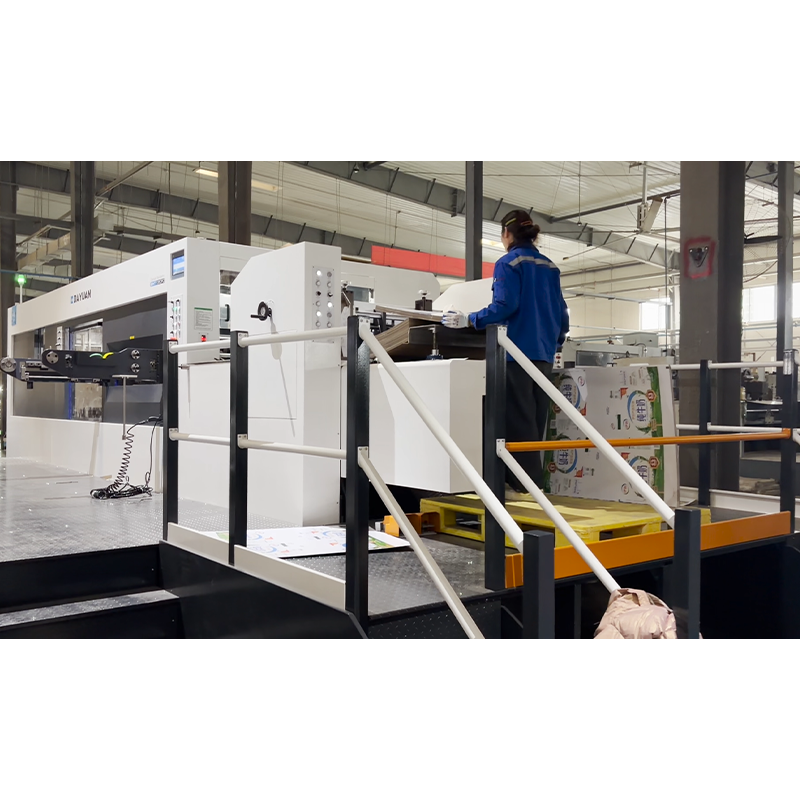
A machine die cut can help paper and packaging manufacturers improve production efficiency while maintaining consistent cutting quality. In modern packaging production, operational costs are affected not only by labor but also by material utilization, production interruptions, rework, and the consistency of finished products.
How can manufacturers reduce unnecessary production costs without compromising the quality of packaging products? How can automated die cutting help maintain consistent results when large quantities of paper or corrugated board need to be processed? These considerations make automated die cutting technology an important part of an efficient packaging production workflow.
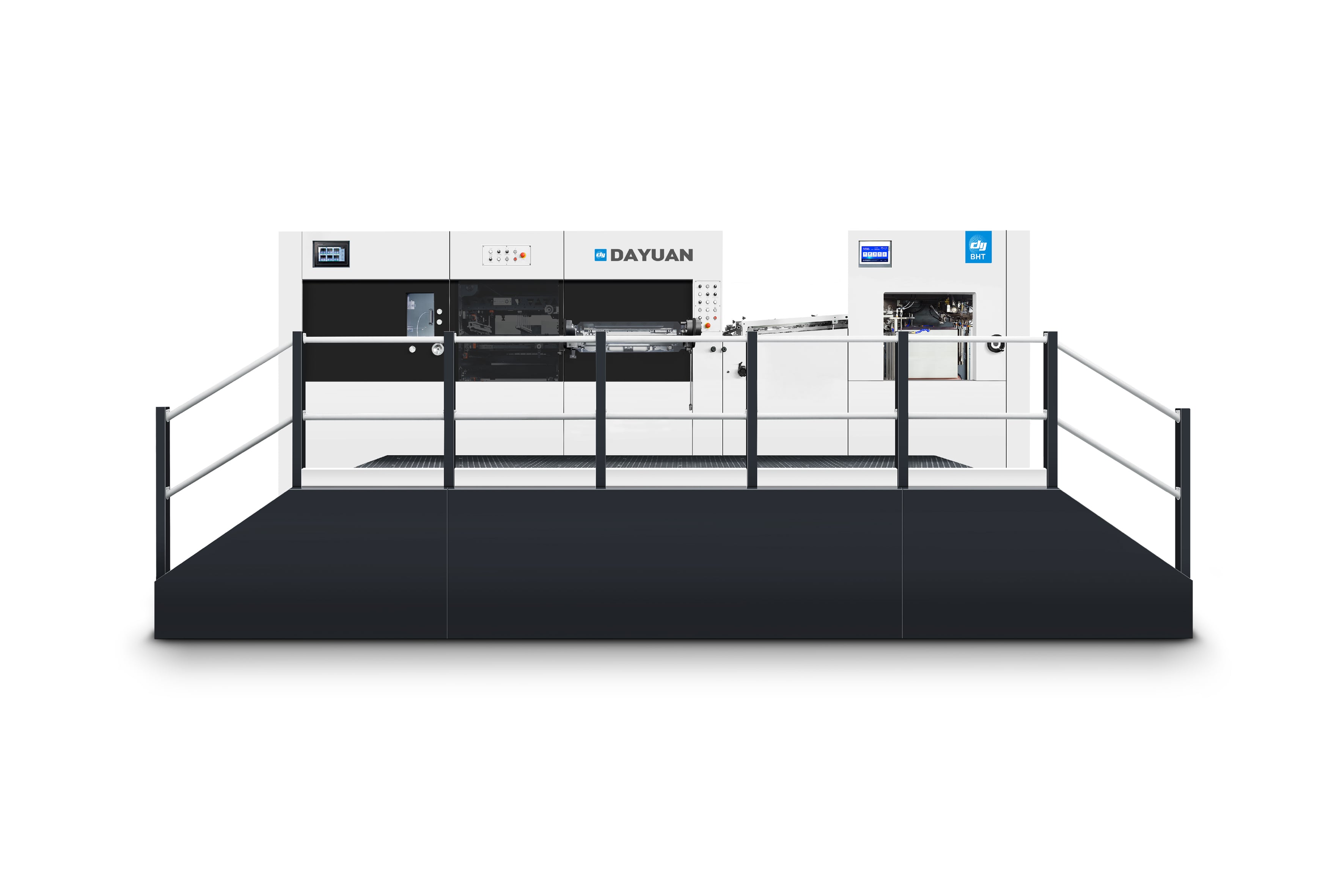
Dayuan provides automatic die cutting equipment for printing and packaging applications, including models designed for paper and corrugated board processing. Depending on the configuration, its equipment can integrate feeding, die cutting, stripping, and delivery processes to create a more continuous production workflow.
Reducing Material Waste Through Precise Die Cutting
Accurate Cutting for Better Material Utilization
Material waste is an important consideration in paper packaging production. Every sheet that is incorrectly positioned or improperly processed can affect material utilization and increase production costs.
A machine die cut uses dedicated dies and controlled sheet positioning to reproduce the required cutting pattern consistently. Compared with manual cutting methods, automated positioning reduces dependence on individual operator technique and helps maintain the intended cutting layout throughout production.
For packaging manufacturers processing large quantities of paper or corrugated board, even small improvements in material utilization can become meaningful over a large production order. Accurate die cutting therefore contributes not only to product quality but also to more controlled material consumption.
Reducing Rework Caused by Cutting Errors
Cutting errors can create additional costs when finished sheets need to be discarded or processed again. Incorrect positioning, incomplete cutting, or inconsistent cutting results can affect subsequent folding, forming, and packaging processes.
An automated machine die cut provides controlled feeding, positioning, and cutting conditions to help reduce variations during production. When sheets are processed according to the same die configuration, manufacturers can maintain more consistent results across the production batch.
This can reduce the need for repeated manual correction and help production teams identify abnormal results earlier. Better process consistency means fewer resources need to be spent dealing with avoidable cutting problems.
Improving Production Efficiency Through Automation
Automated Feeding Reduces Manual Handling
Manual sheet feeding can require operators to repeatedly load and position materials throughout the production process. As production volumes increase, this repetitive work can consume significant operator time.
Automatic die cutting equipment integrates feeding and sheet transportation into the production process. Dayuan's applicable machines use automatic feeding systems together with positioning and conveying components to move sheets into the die cutting area in an organized sequence.
Could reducing repetitive material handling help operators focus more on production monitoring? Instead of manually positioning every sheet, operators can spend more time checking machine operation, inspecting finished products, and managing production conditions.
Continuous Processing Supports Larger Production Orders
Production interruptions can affect both efficiency and delivery schedules. A machine that requires frequent manual intervention may make it more difficult to maintain a consistent production rhythm when processing large orders.
Automatic die cutting equipment allows feeding, cutting, and delivery processes to work together more continuously. Dayuan's BHT and MHK equipment ranges include automatic feeding and delivery configurations designed to support continuous paper processing.
The actual production output depends on the machine model, sheet size, material characteristics, die design, and operating conditions. Rather than assigning an arbitrary annual production figure, manufacturers can evaluate machine capacity according to their actual working schedule and order requirements.
Improving Finished Product Quality
Consistent Dimensions Across Production Batches
Packaging products often require precise dimensions so that the finished pieces can move smoothly into subsequent processes. Variations in die cutting can affect folding, gluing, assembly, and the final appearance of the package.
A machine die cut uses a fixed die configuration to reproduce the same cutting pattern throughout a production run. Automated sheet positioning further helps maintain the required relationship between the sheet and the cutting die.
For manufacturers producing large batches of packaging products, this repeatability can simplify quality control. When the cutting process remains stable, production teams can establish clearer inspection standards and identify deviations more efficiently.
Cleaner Cutting and More Consistent Results
The condition of the die, machine settings, material characteristics, and cutting pressure all influence the final result. A properly configured automatic die cutting machine can maintain controlled cutting conditions throughout production.
Dayuan's automatic die cutting equipment is designed for applications involving paper and packaging materials, with different models offering different pressure, sheet-size, and processing capabilities. Selecting the appropriate machine configuration helps manufacturers match the equipment to their actual packaging requirements.
Consistent cutting is particularly important when the die-cut sheet will immediately enter another production stage. Better cutting stability can help maintain the dimensional and structural requirements of the finished packaging product.
Lowering Overall Production Workload
Combining Multiple Processing Functions
Operational costs are not determined by cutting alone. Moving sheets between separate production stages can require additional labor, handling time, and floor space.
Selected Dayuan die cutting machines integrate functions such as feeding, die cutting, stripping, and delivery. Multi-function configurations can therefore connect several stages of paper packaging processing within one equipment workflow.
For manufacturers, this can reduce unnecessary movement of semi-finished products between machines. A more integrated workflow can also make production organization easier, particularly when large quantities of packaging need to pass through several post-printing processes.
Supporting More Efficient Workforce Allocation
Automation does not simply mean replacing manual work. It can also change how operators spend their working time. When repetitive feeding and handling operations are automated, employees can focus more on equipment monitoring, quality inspection, material preparation, and production coordination.
A machine die cut can therefore help manufacturers use their workforce more efficiently. Instead of assigning operators primarily to repetitive cutting tasks, production teams can organize labor around machine supervision and quality management.
This becomes increasingly useful as packaging production becomes more automated. Better workforce allocation can support production efficiency without relying entirely on additional manual operations when order volumes increase.
Selecting the Right Machine Die Cut for Production Needs
Matching Machine Specifications to Sheet Requirements
Choosing a machine should begin with the actual production requirements rather than a generic machine specification. Sheet size, material type, material thickness, required cutting format, production volume, and automation requirements all influence equipment selection.
Dayuan offers different automatic die cutting machine configurations for different paper and packaging applications. Its product ranges cover different working formats and machine configurations, allowing manufacturers to select equipment according to their production requirements.
Could a machine with the right working format reduce unnecessary limitations during production? Matching the machine to the actual sheet dimensions and packaging structure can help manufacturers make better use of the equipment throughout its operating cycle.
Considering the Complete Production Workflow
A die cutting machine should also be evaluated as part of the complete production process. Feeding, positioning, die cutting, stripping, stacking, and delivery can all influence how efficiently materials move through the factory.
Dayuan provides configurations that integrate different post-printing functions, including automatic feeding and stripping systems on applicable models. This allows manufacturers to consider not only the cutting process itself but also how the equipment connects with upstream and downstream production stages.
A complete workflow perspective can help manufacturers identify where manual handling, repeated transfers, or process interruptions create unnecessary costs. The right equipment configuration can then address these specific production requirements more effectively.
FAQ
How does a machine die cut reduce operational costs?
A machine die cut can reduce operational costs by improving production efficiency, reducing repetitive manual handling, supporting consistent cutting, and minimizing avoidable rework. Automated feeding and integrated processing can also reduce unnecessary material movement between different production stages.
The actual cost benefits depend on factors such as production volume, material consumption, operating schedule, labor organization, and machine configuration. Manufacturers should evaluate these factors according to their own production conditions rather than relying on a fixed cost-saving percentage.
Can a machine die cut improve packaging quality?
Yes. Automated die cutting can help maintain consistent sheet positioning and repeatable cutting results throughout a production run. Consistent dimensions are particularly important for packaging products that require subsequent folding, gluing, forming, or assembly.
The final quality also depends on the selected die, material characteristics, machine configuration, and operating conditions. Proper equipment selection and regular maintenance remain important for maintaining stable results.
What materials can a Dayuan machine die cut process?
Dayuan's automatic die cutting equipment is primarily designed for paper and paper-based packaging applications, including paperboard and applicable corrugated board. The exact material range depends on the specific machine model and its technical specifications.
Manufacturers should confirm material thickness, sheet size, and other technical requirements for the selected model before production. Different machines are designed for different production formats and applications.
How can manufacturers choose a suitable machine die cut?
Manufacturers should consider sheet dimensions, material characteristics, required die-cutting format, production volume, feeding requirements, and the level of automation required. The relationship between die cutting and subsequent processes such as stripping and delivery should also be considered.
Dayuan offers different automatic die cutting configurations for packaging production. Evaluating the complete production workflow can help manufacturers identify the equipment configuration that best matches their actual requirements.