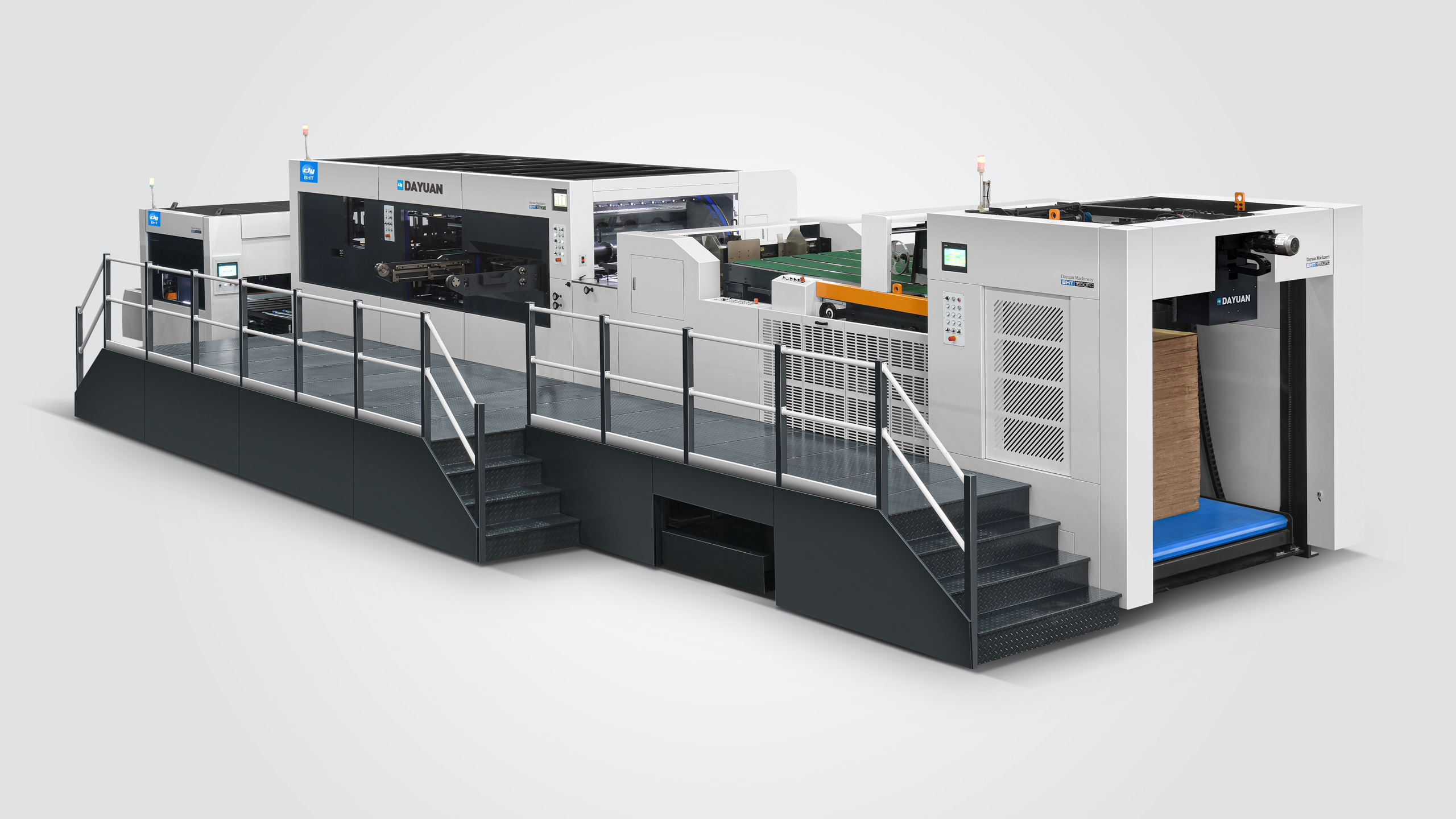
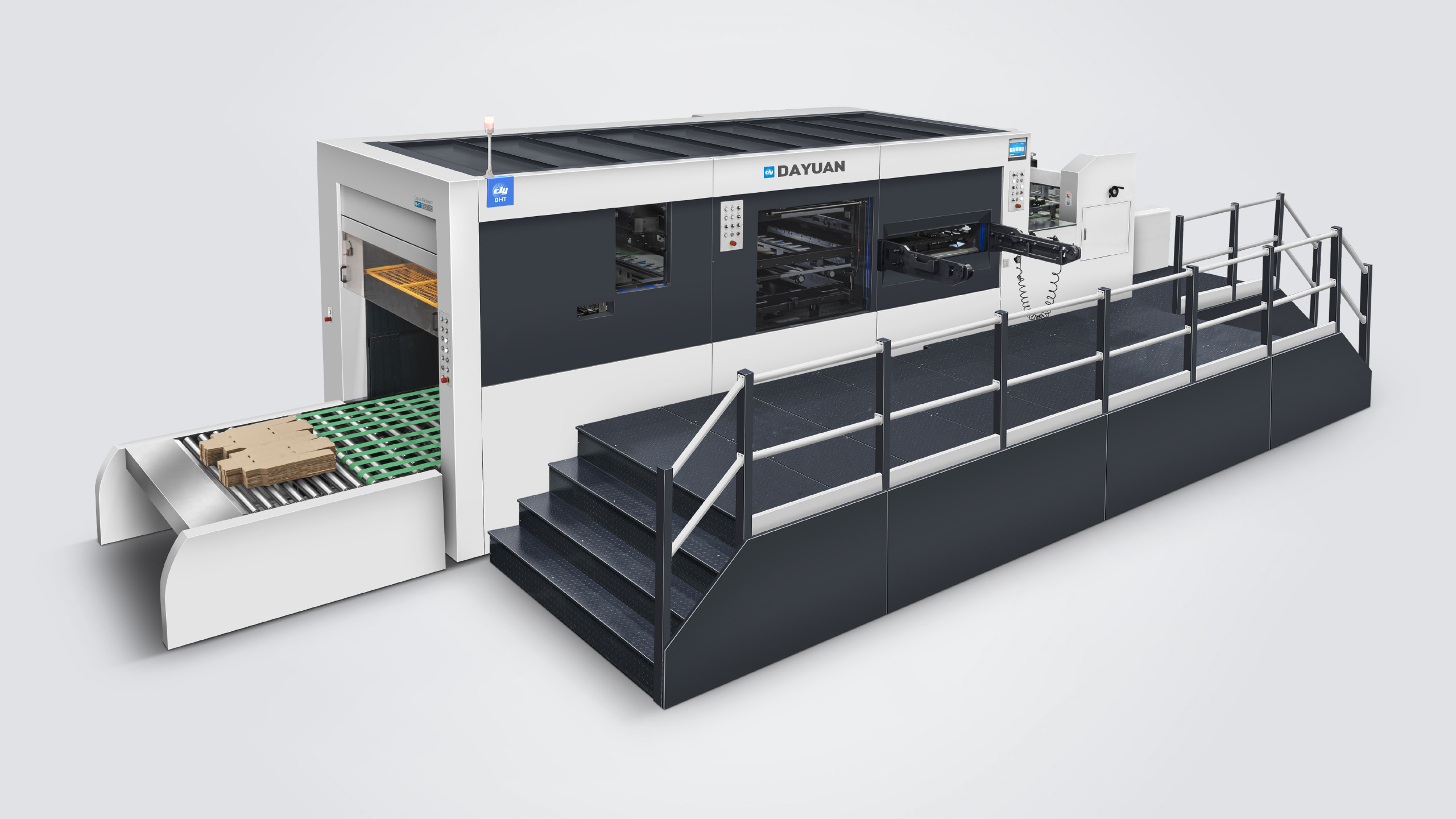
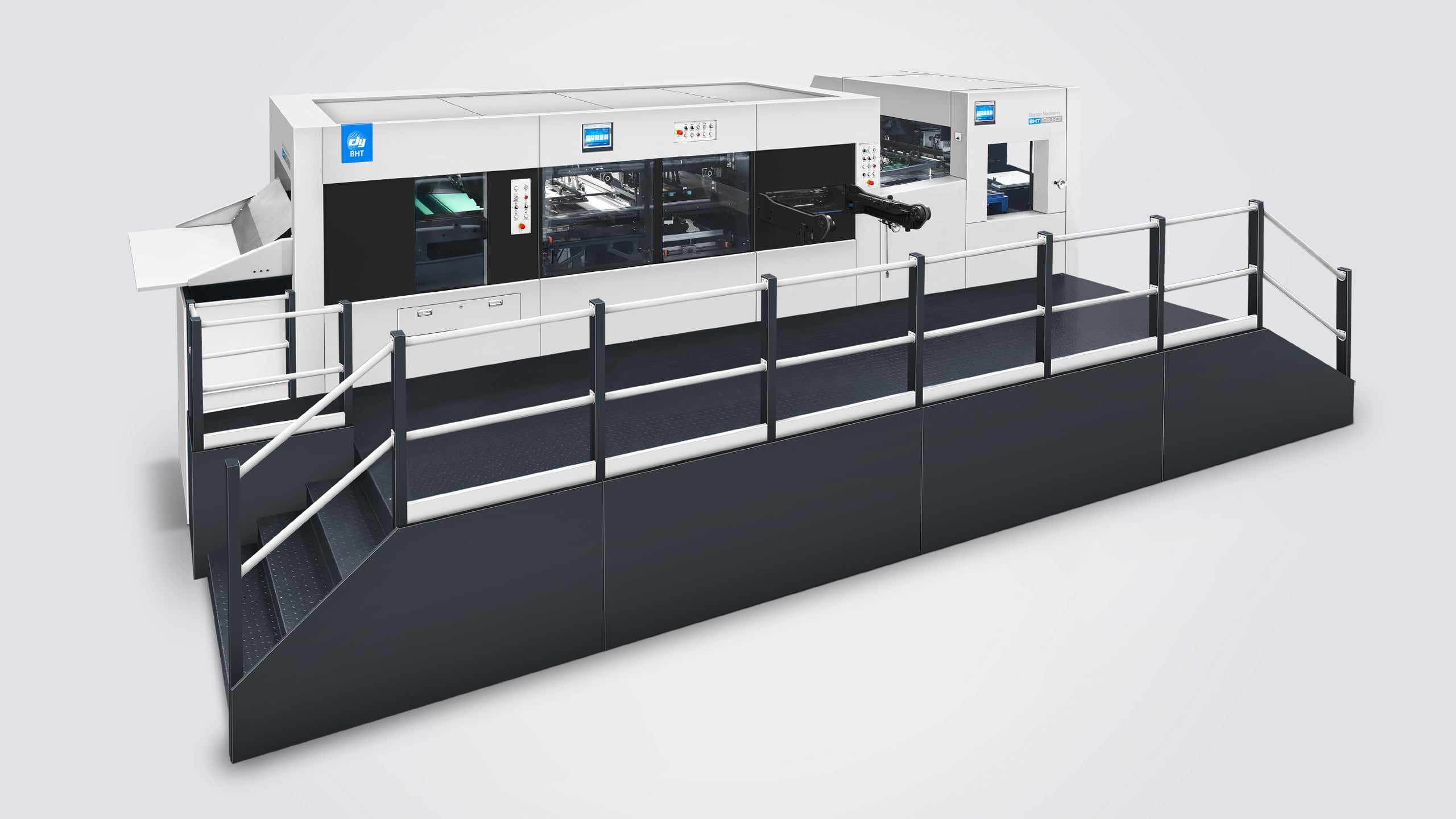
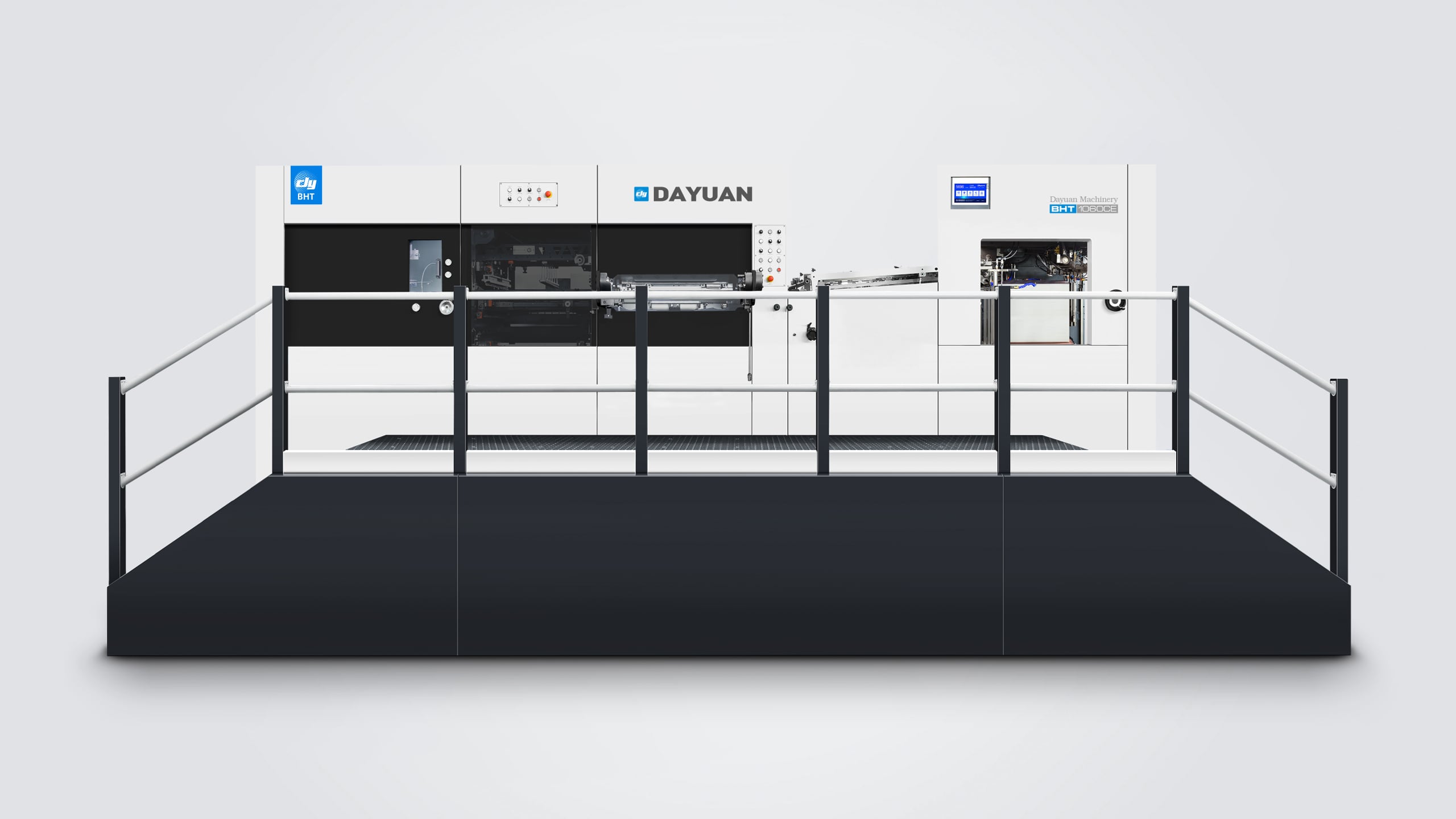
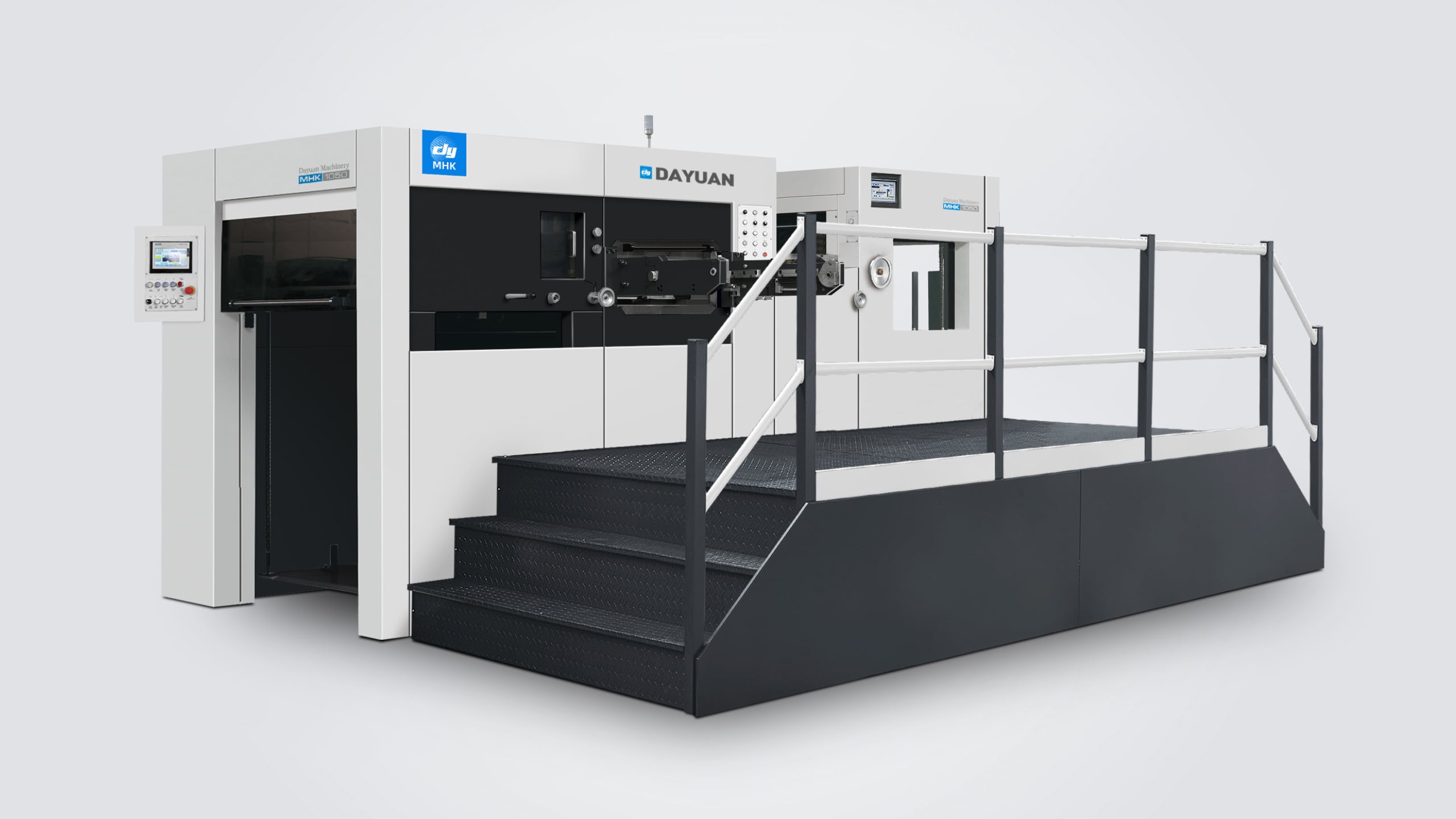
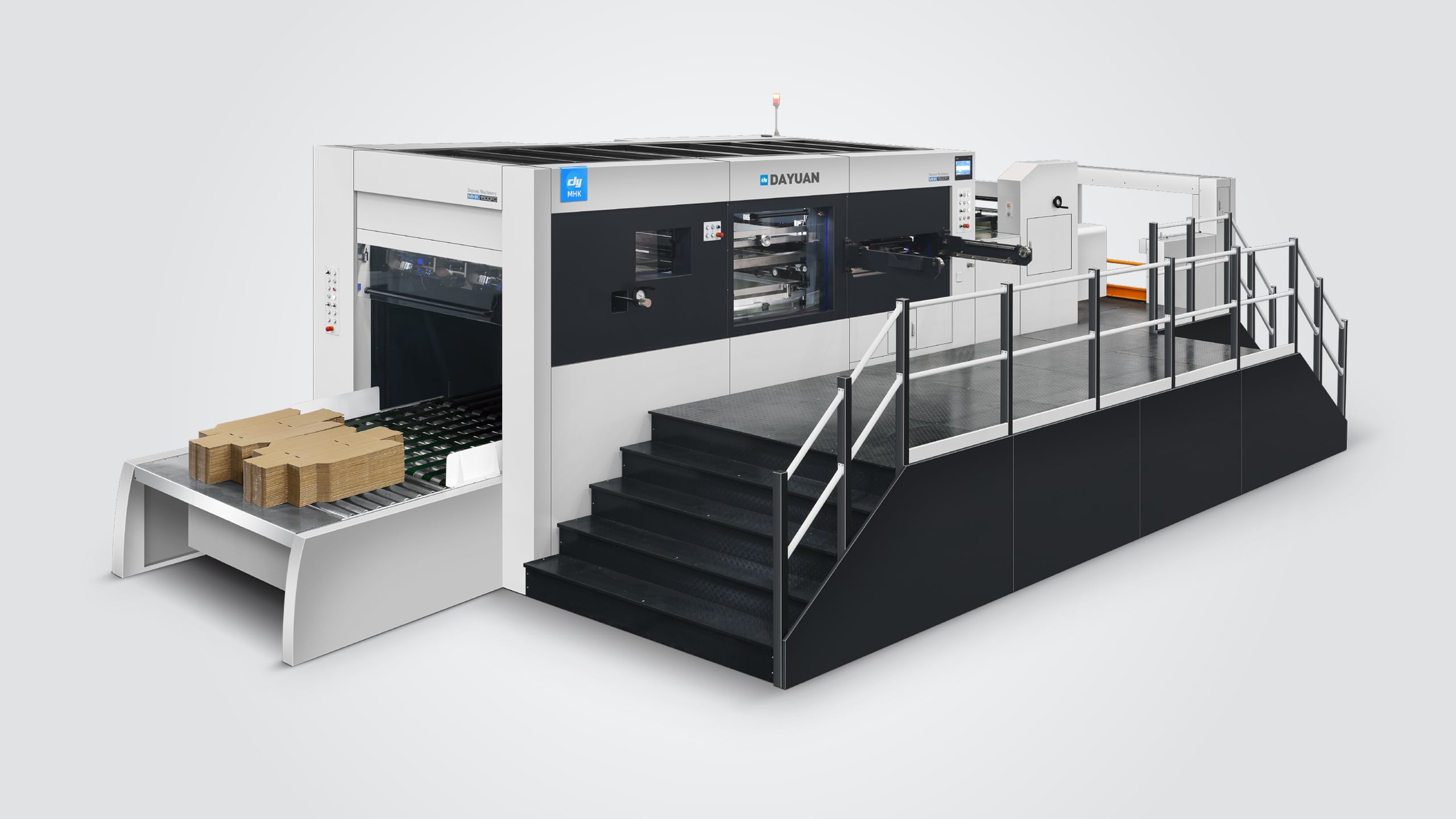
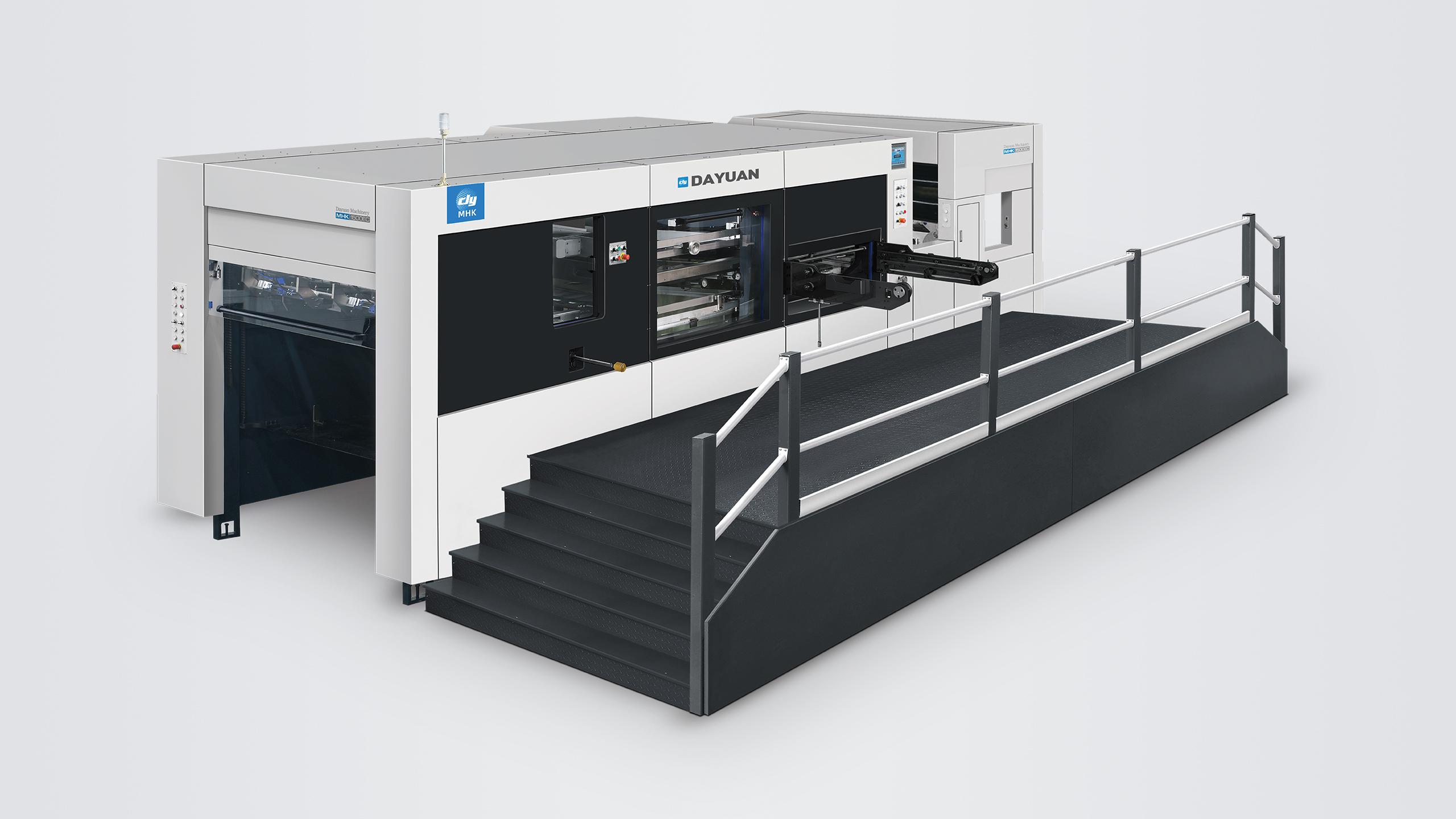
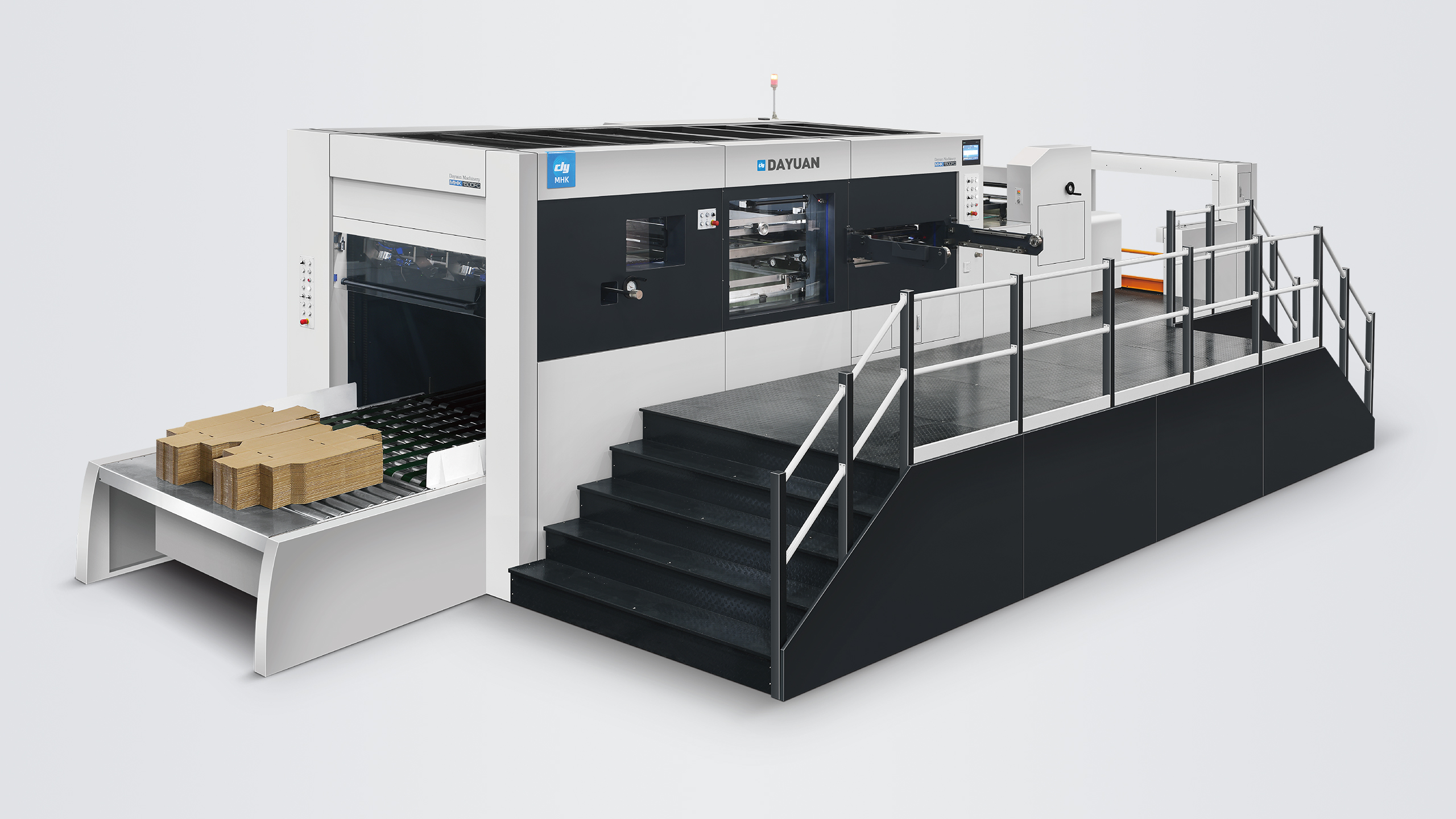
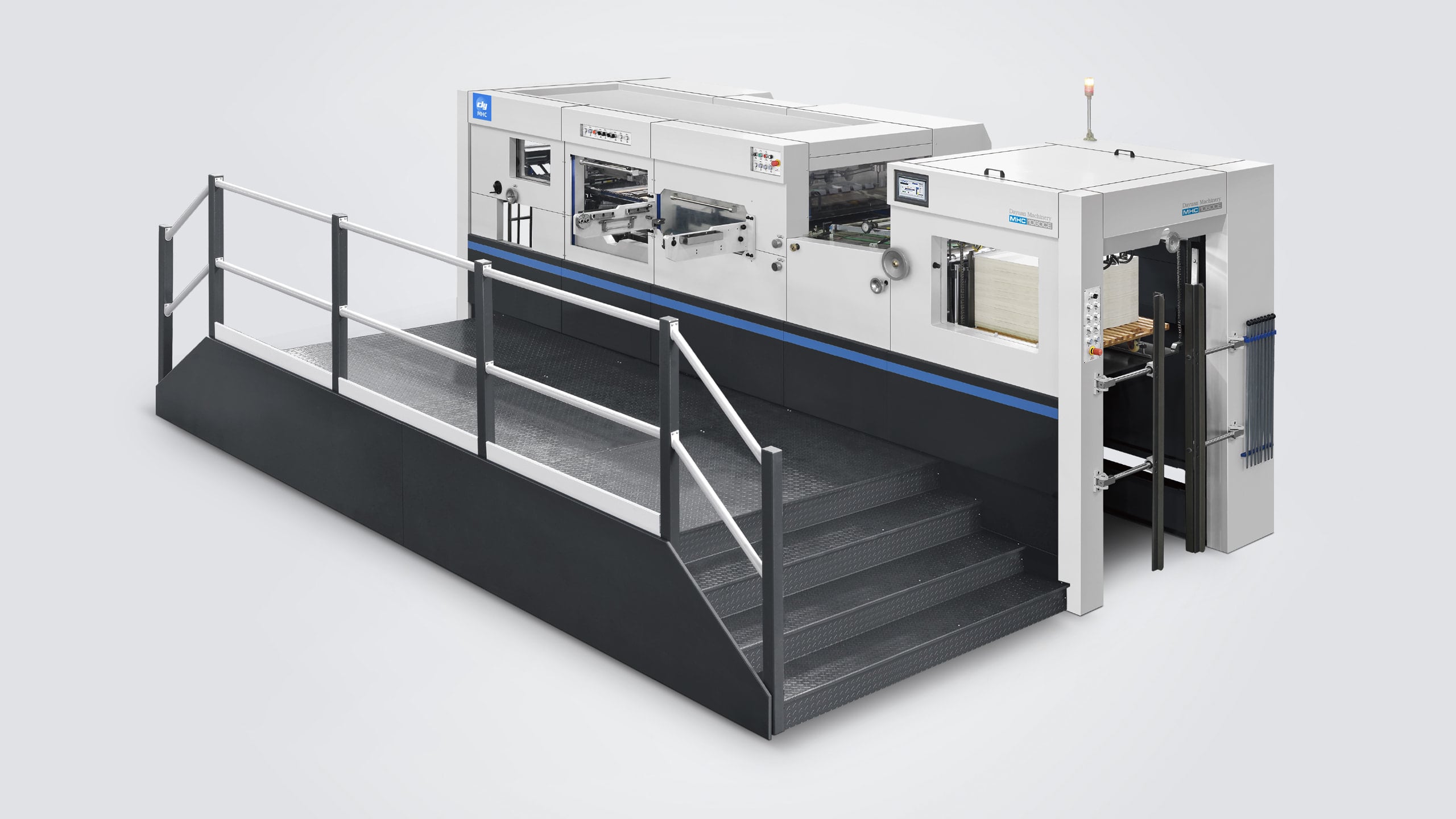
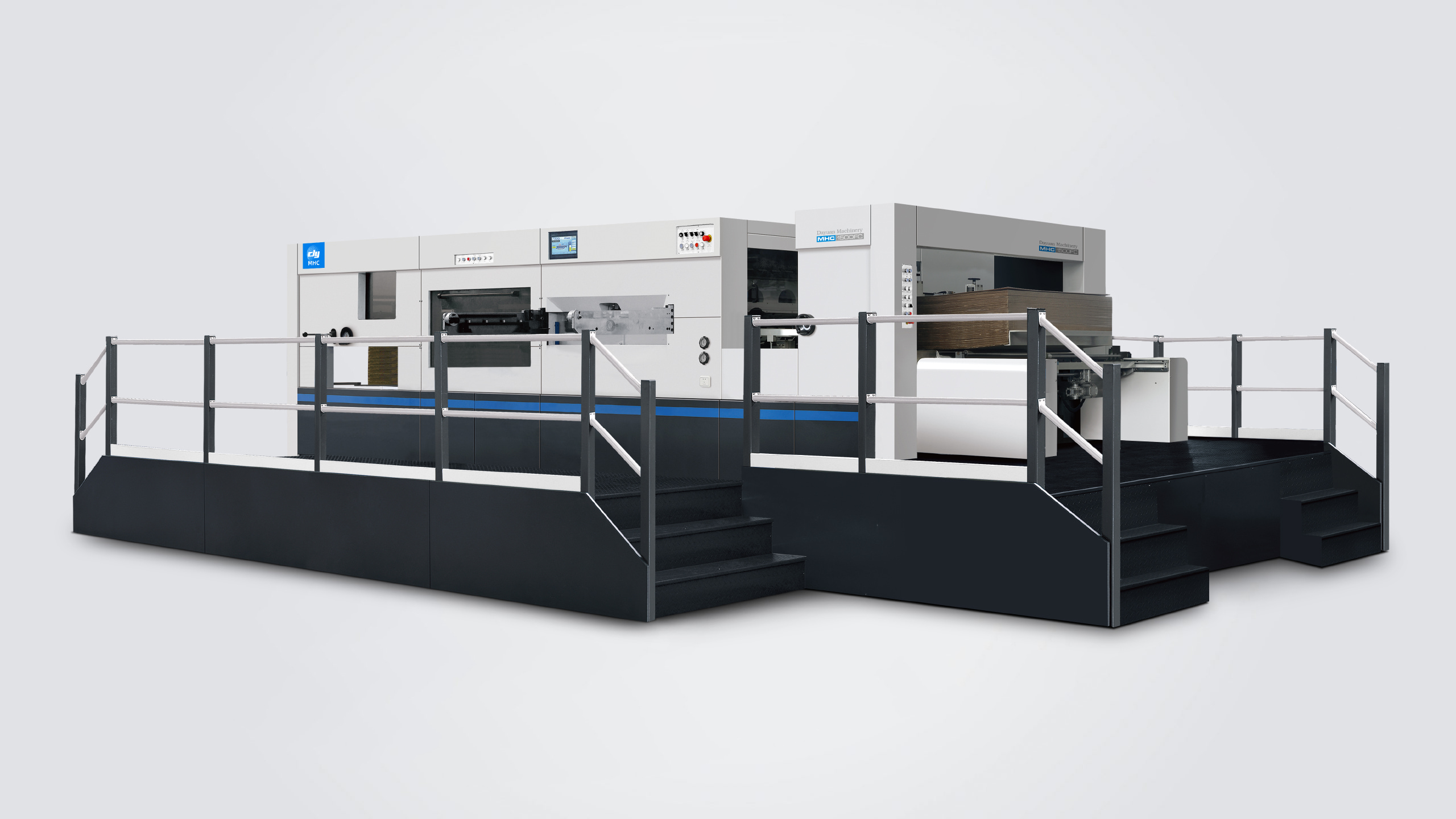
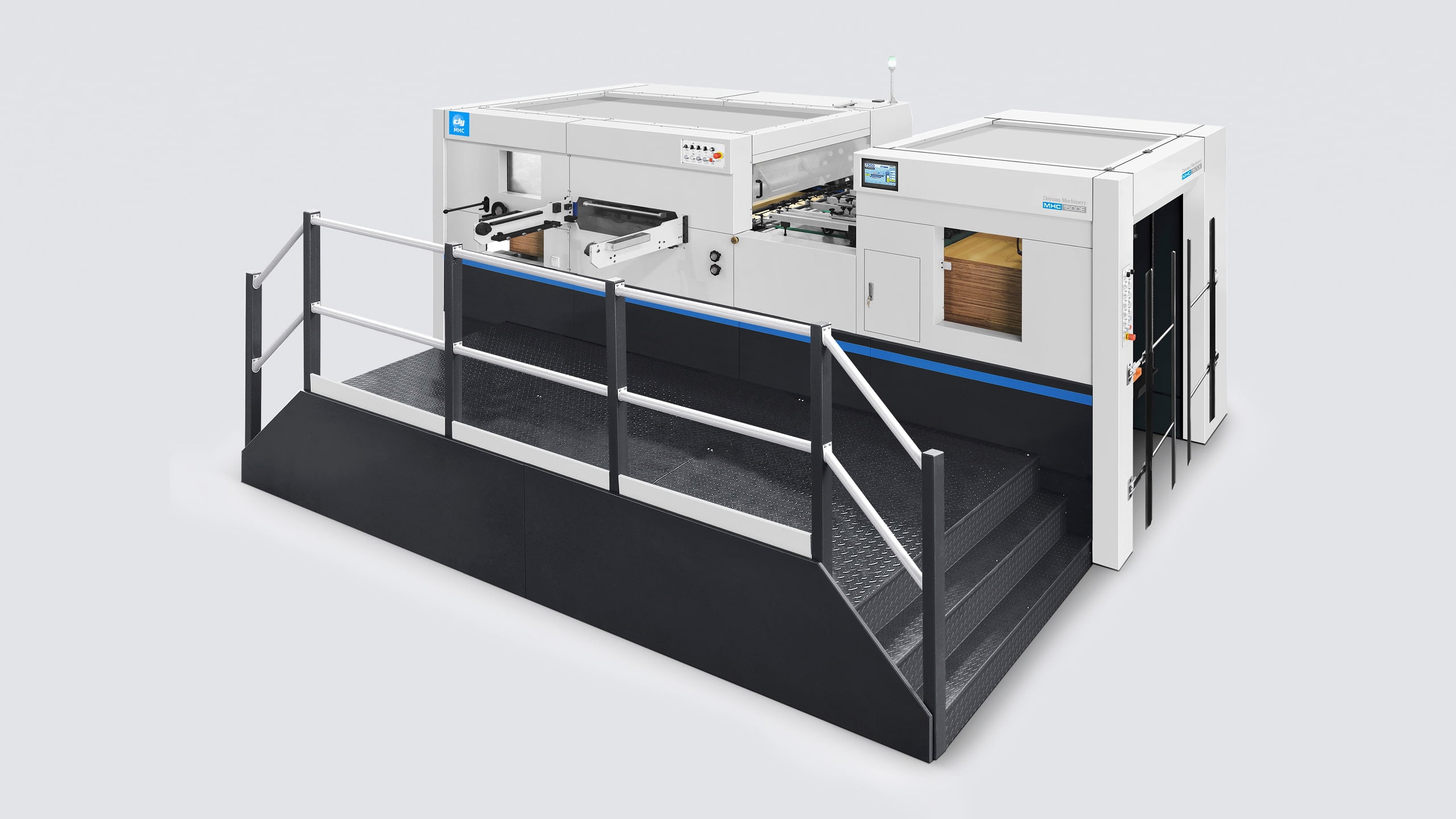
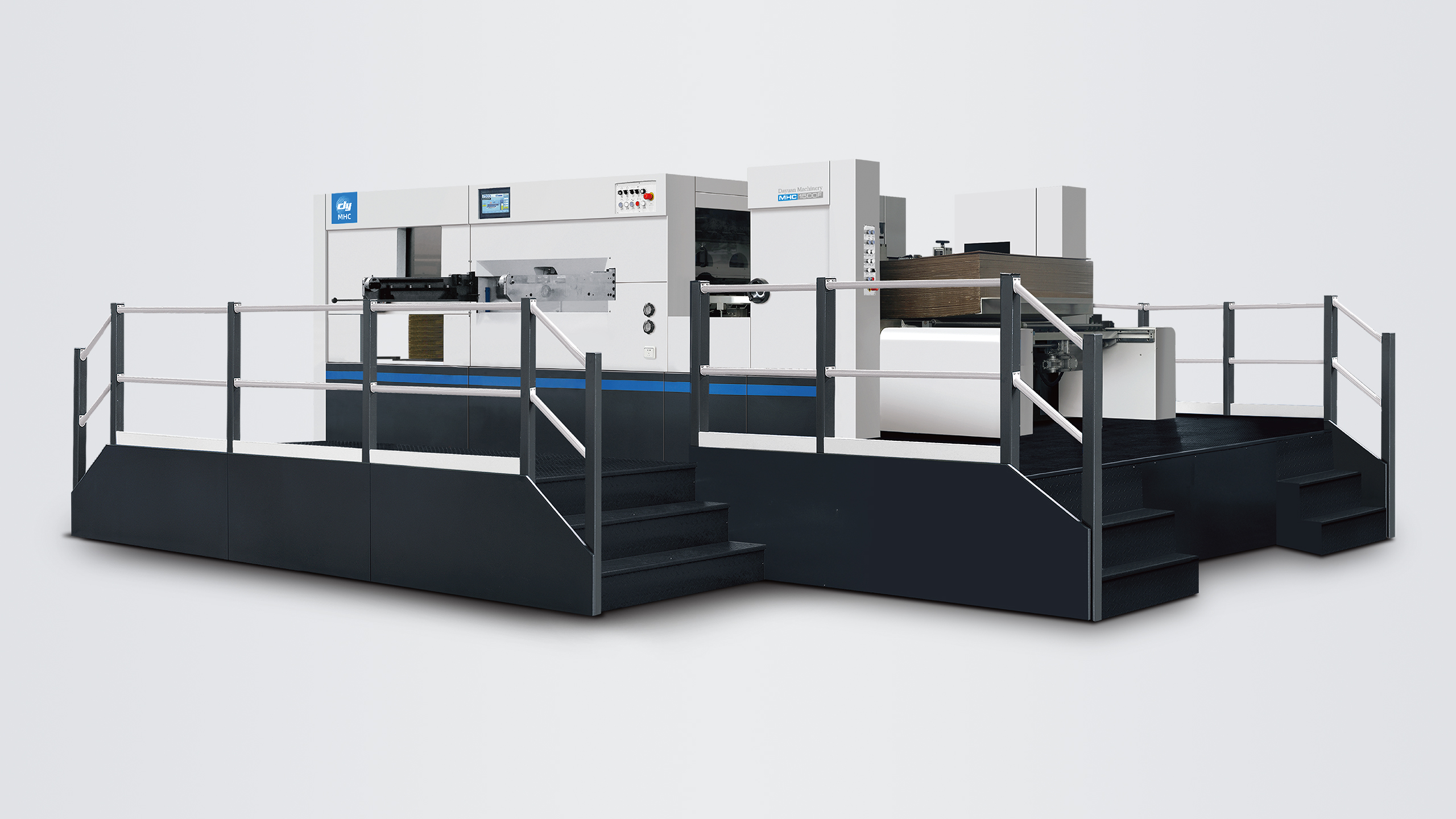
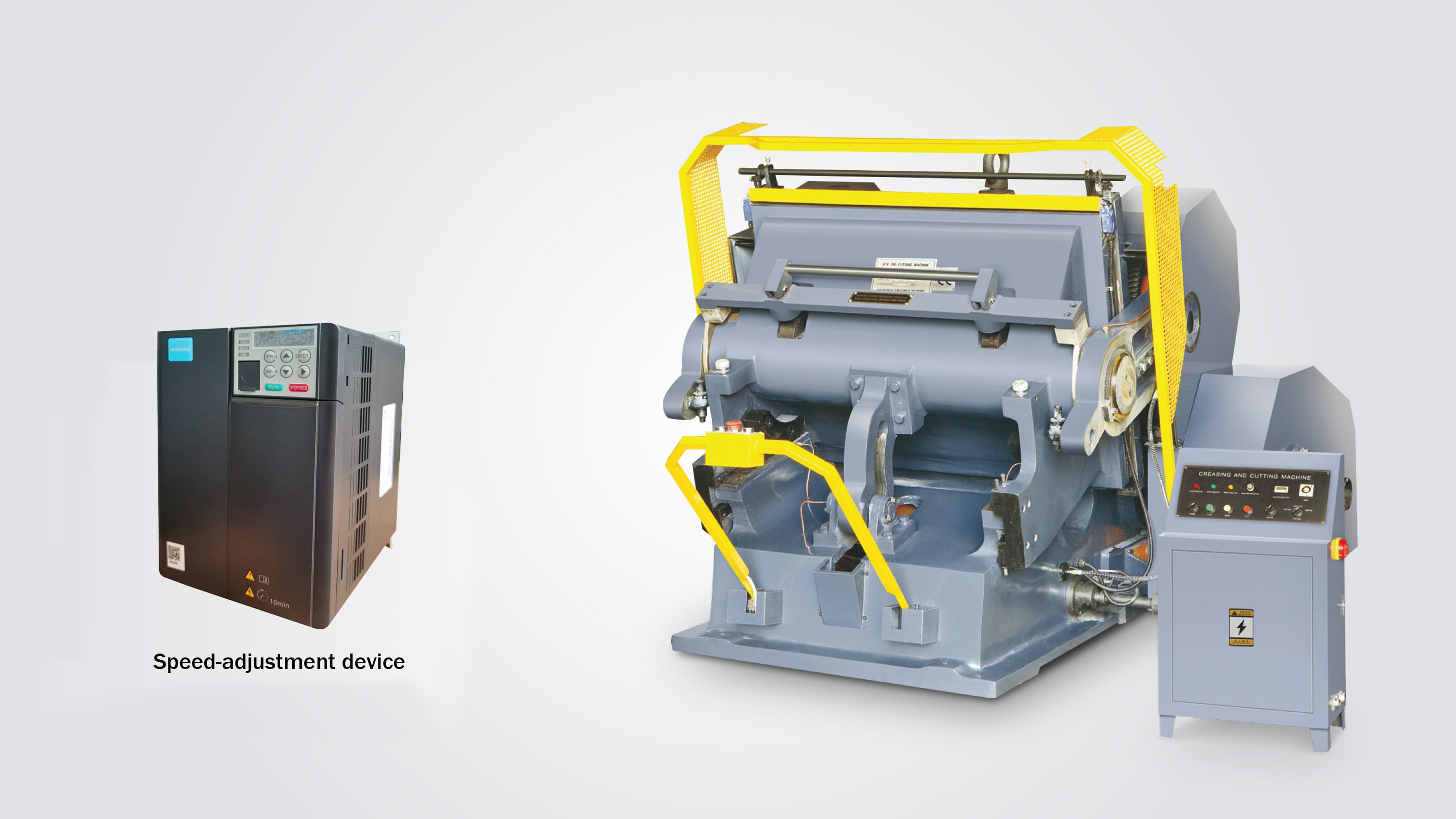
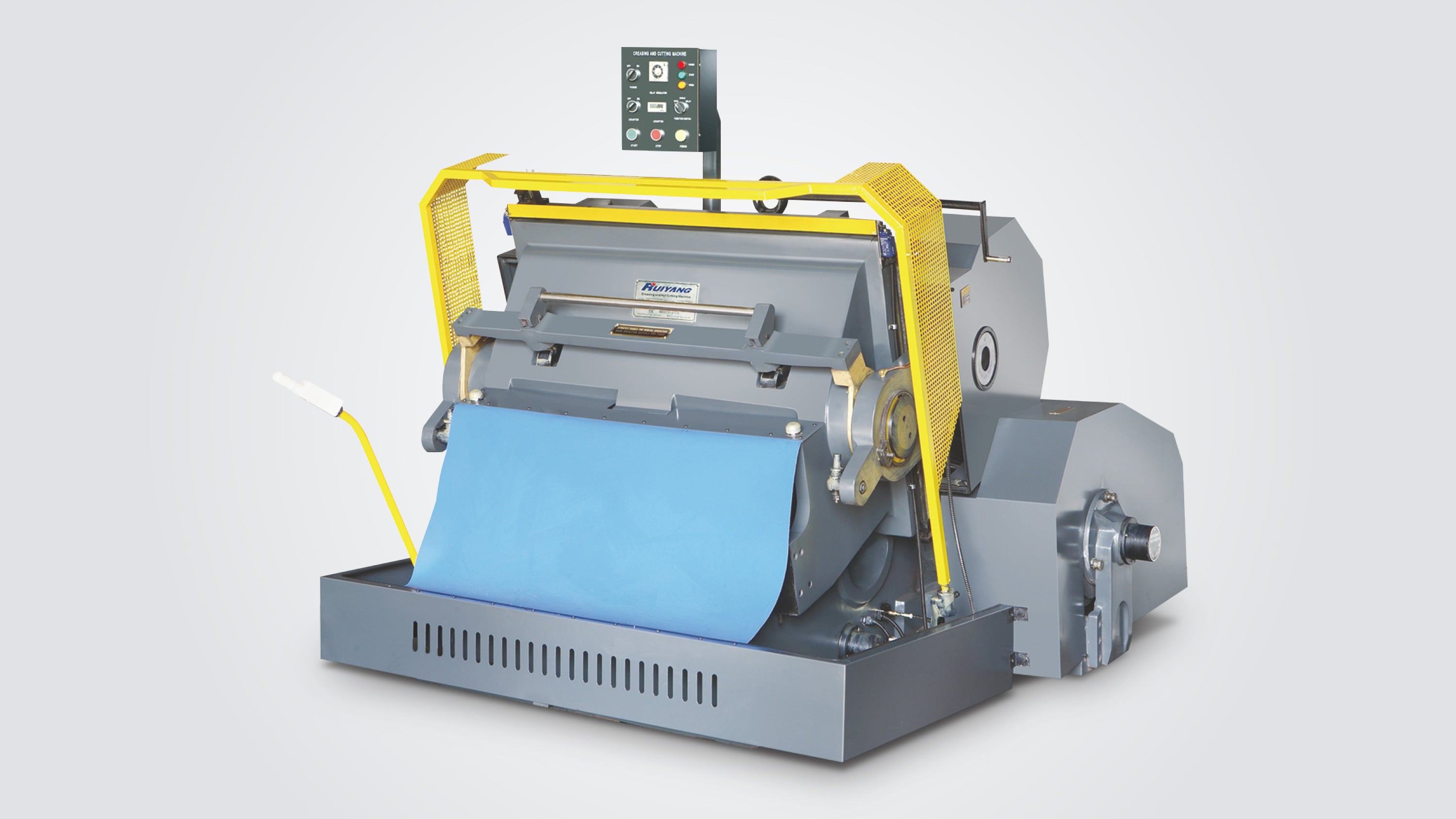
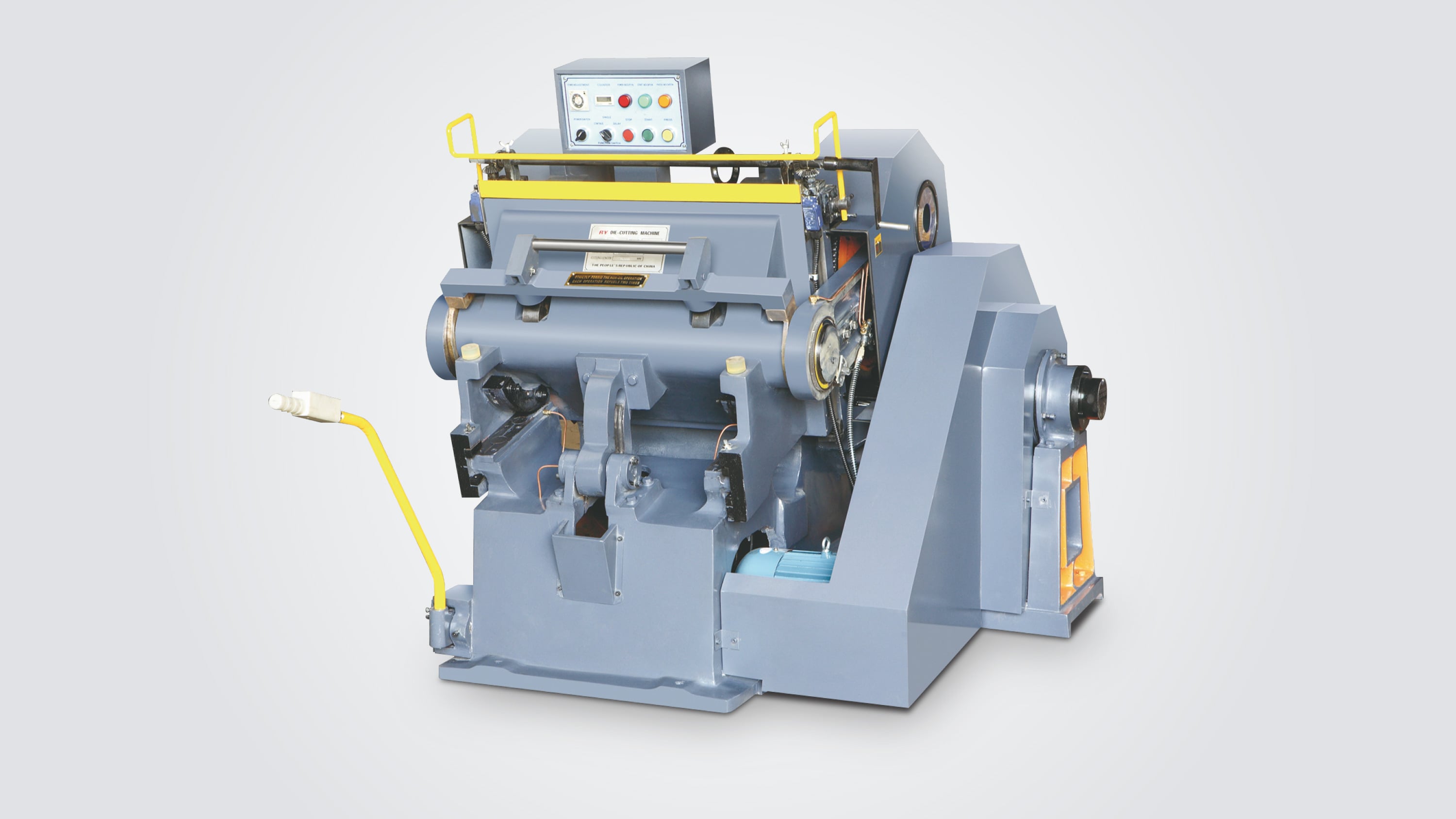
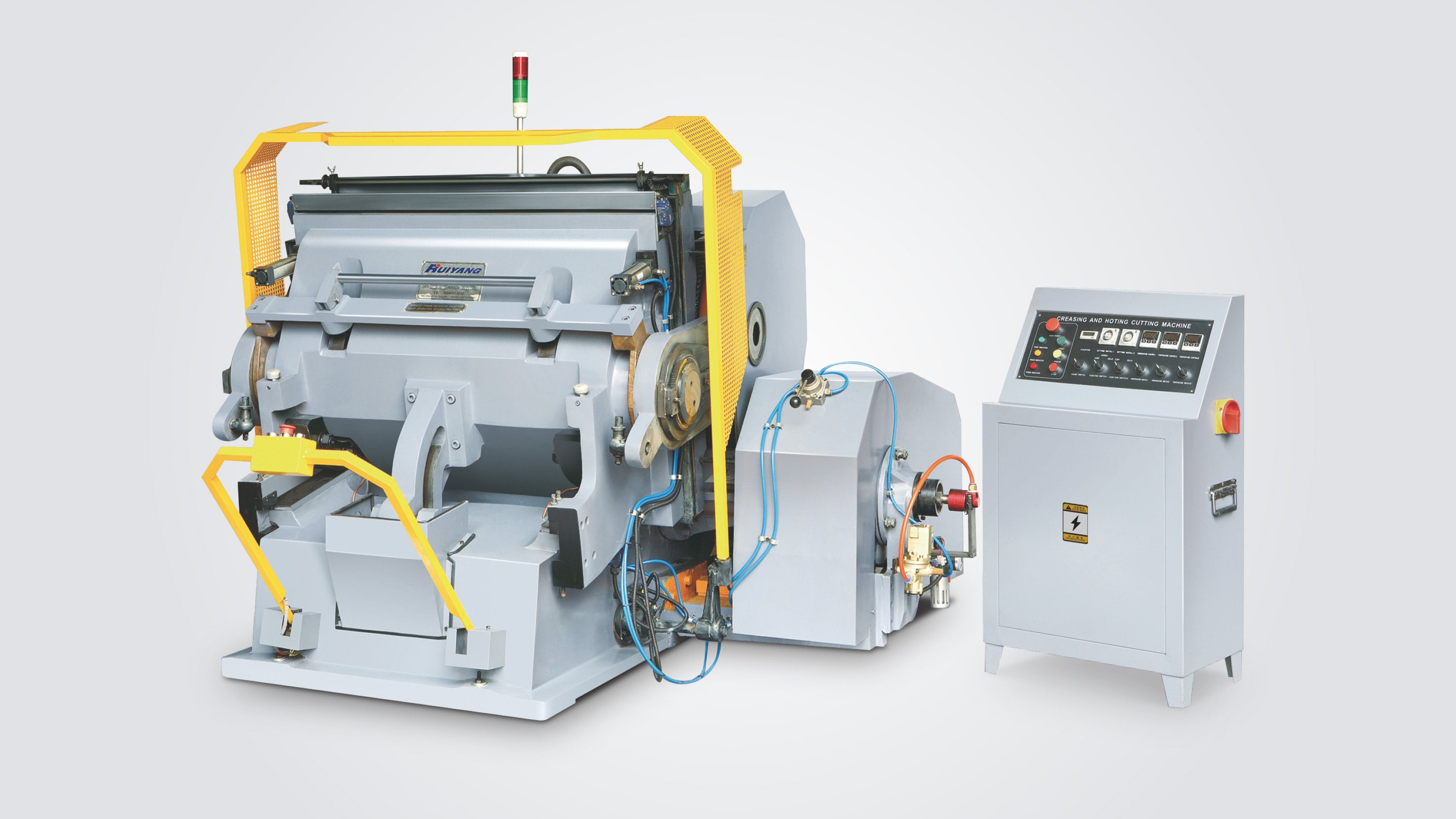
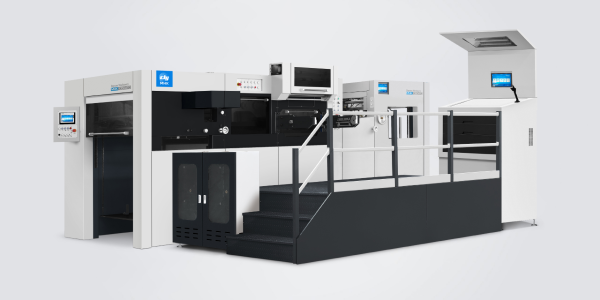
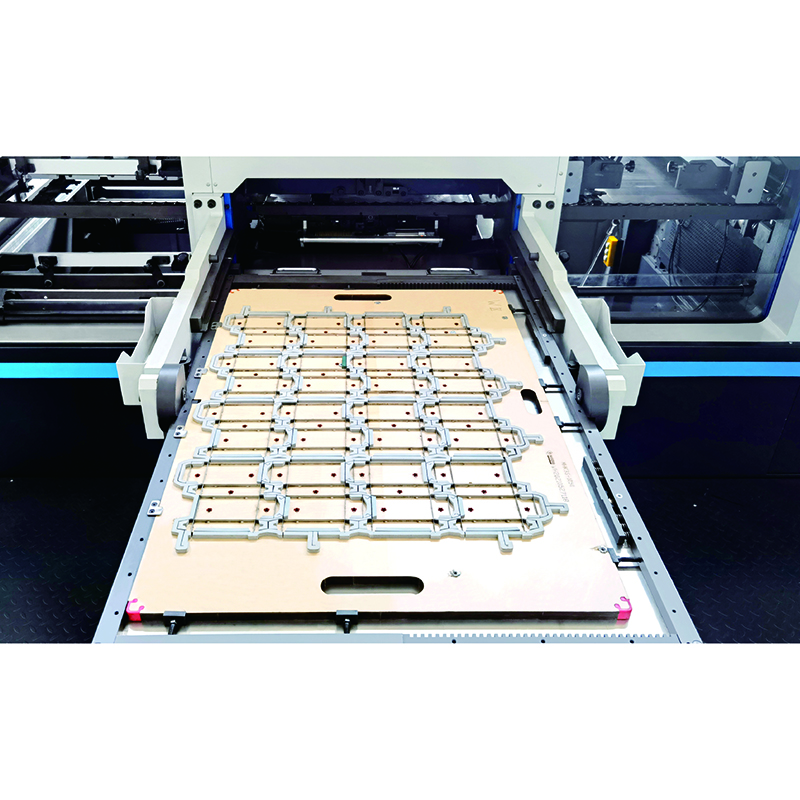
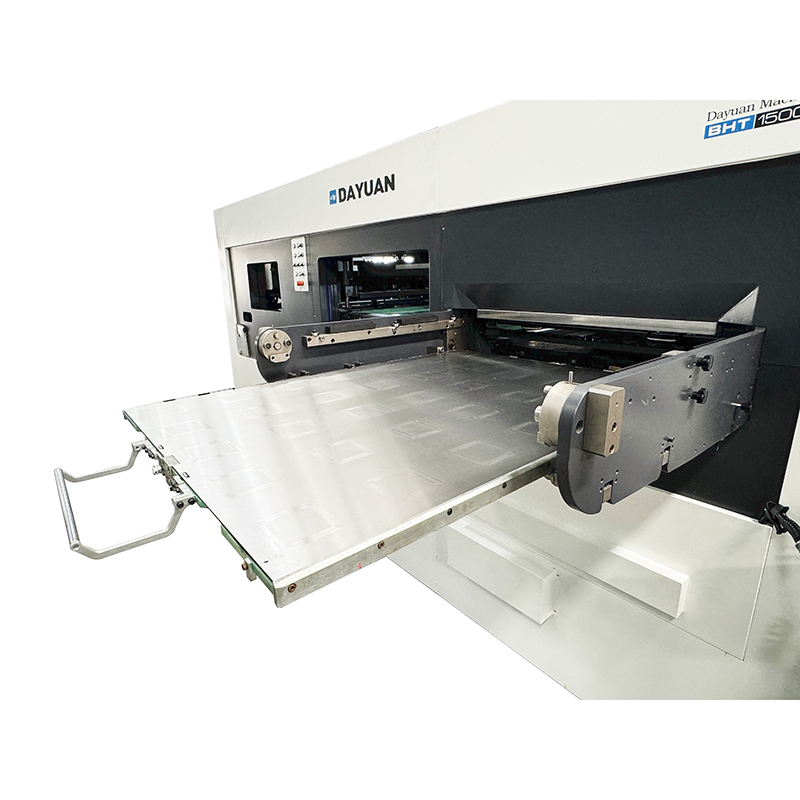
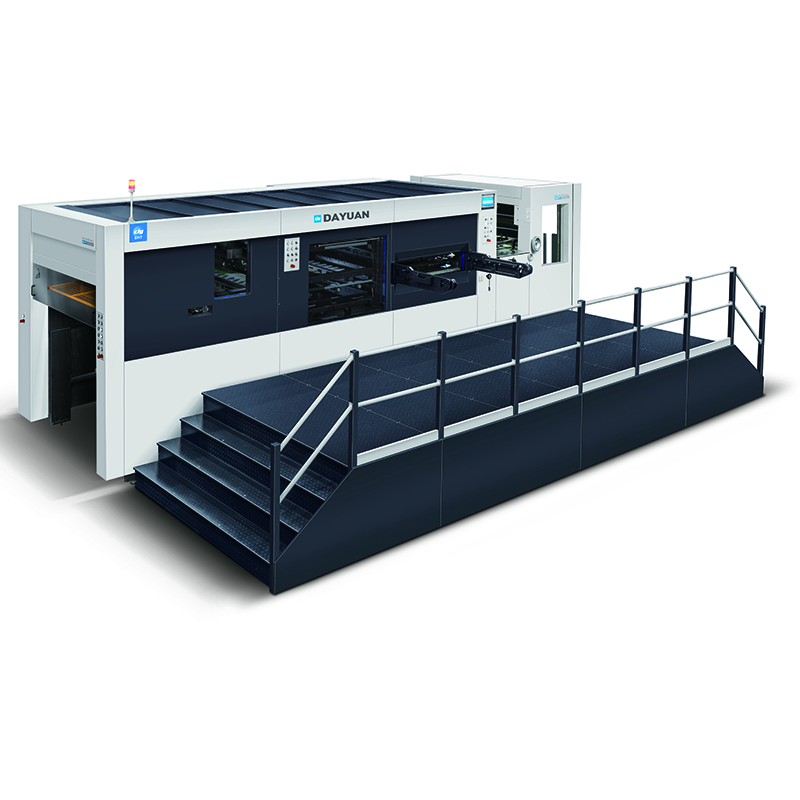
A flatbed die cutter is a post-press machine used to cut materials into specific shapes with a shaped die. In the printing and packaging industries, this process supports the production of paper-based packaging components and other printed items that require defined outlines. The cutting result depends on the die design, material characteristics, and the capabilities of the selected machine.
Dayuan Machinery focuses on paper cutting, printing, and post-press equipment. Its product portfolio includes flatbed die-cutting machines, hot foil stamping and die-cutting machines, servo precision sheet cutter machines, and stripping and blanking machines. These equipment categories address different production requirements, so buyers should identify the operations needed for their products before comparing models.
When selecting a flatbed die cutter, purchasers should first consider the material to be processed and the shape required in the finished product. Packaging projects may involve different paper-based materials, sheet sizes, cutting layouts, and design details. Confirming these requirements in advance helps buyers determine whether a machine's documented specifications match the intended application.
Die design is another important factor. The shape and layout of the die influence the cutting pattern, while material thickness and characteristics can affect processing requirements. Buyers should confirm the supported material range and applicable cutting specifications with the manufacturer rather than assume that one machine can process every type of substrate.
It is also important to distinguish flatbed die cutting from other converting processes. Some production lines may require additional operations such as foil stamping or waste removal. Dayuan's product range includes hot foil stamping and die-cutting machines as well as stripping and blanking machines, but purchasers should verify which operations are integrated into a particular model and which require separate equipment.
Before making a purchasing decision, buyers should review the machine's documented working dimensions, compatible materials, operating requirements, and safety information. Production volume, product design, available floor space, and the arrangement of upstream and downstream processes can also influence equipment selection. Performance claims such as cutting speed, accuracy, and production capacity should be evaluated using the specifications of the individual machine.
For printing and packaging businesses, choosing a flatbed die cutter starts with matching the required cutting task to the machine's verified capabilities. A clear understanding of material requirements, die layout, finished product dimensions, and production workflow can help purchasers compare equipment more effectively and avoid paying for functions they do not need.
 EN