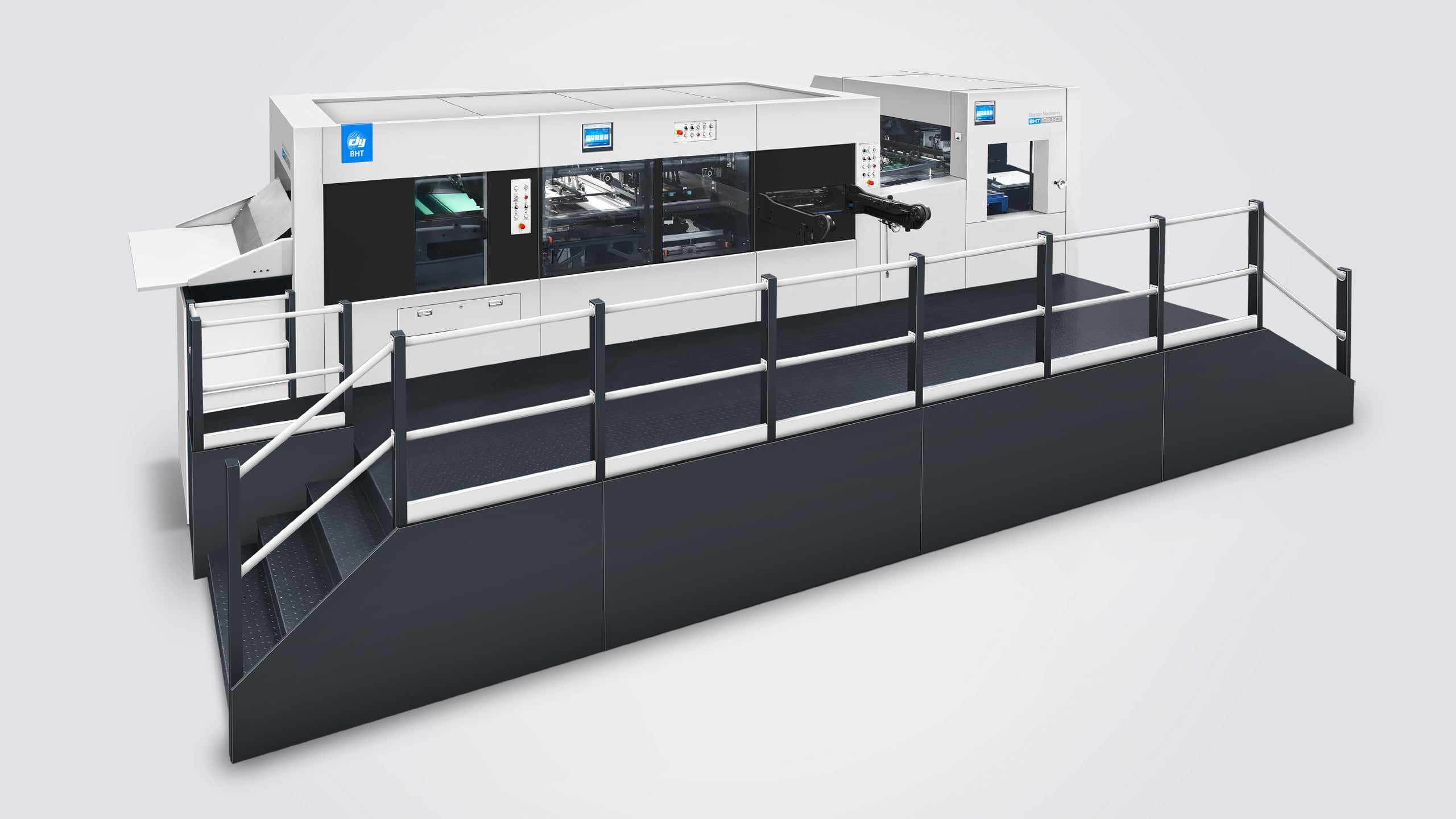
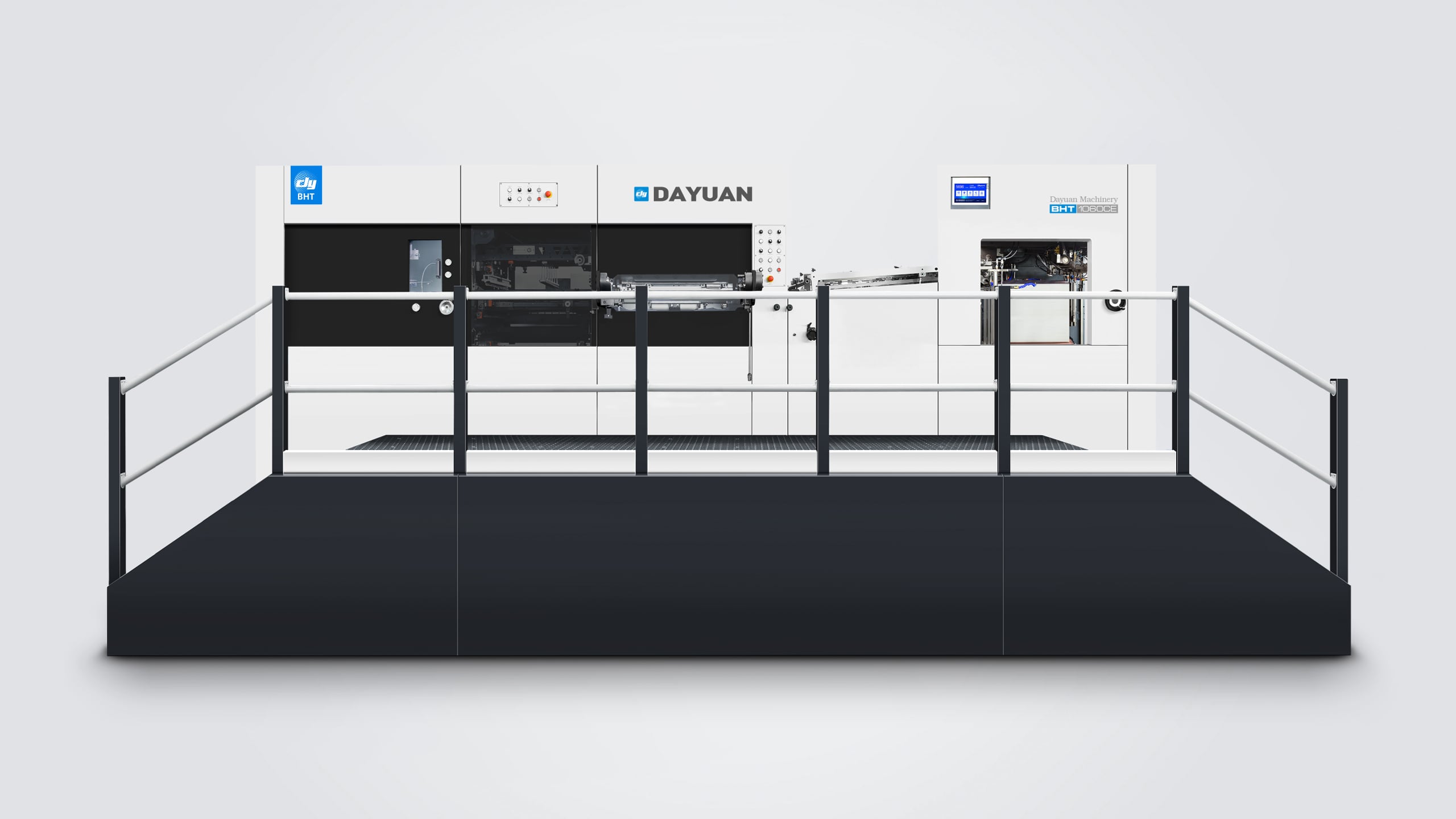
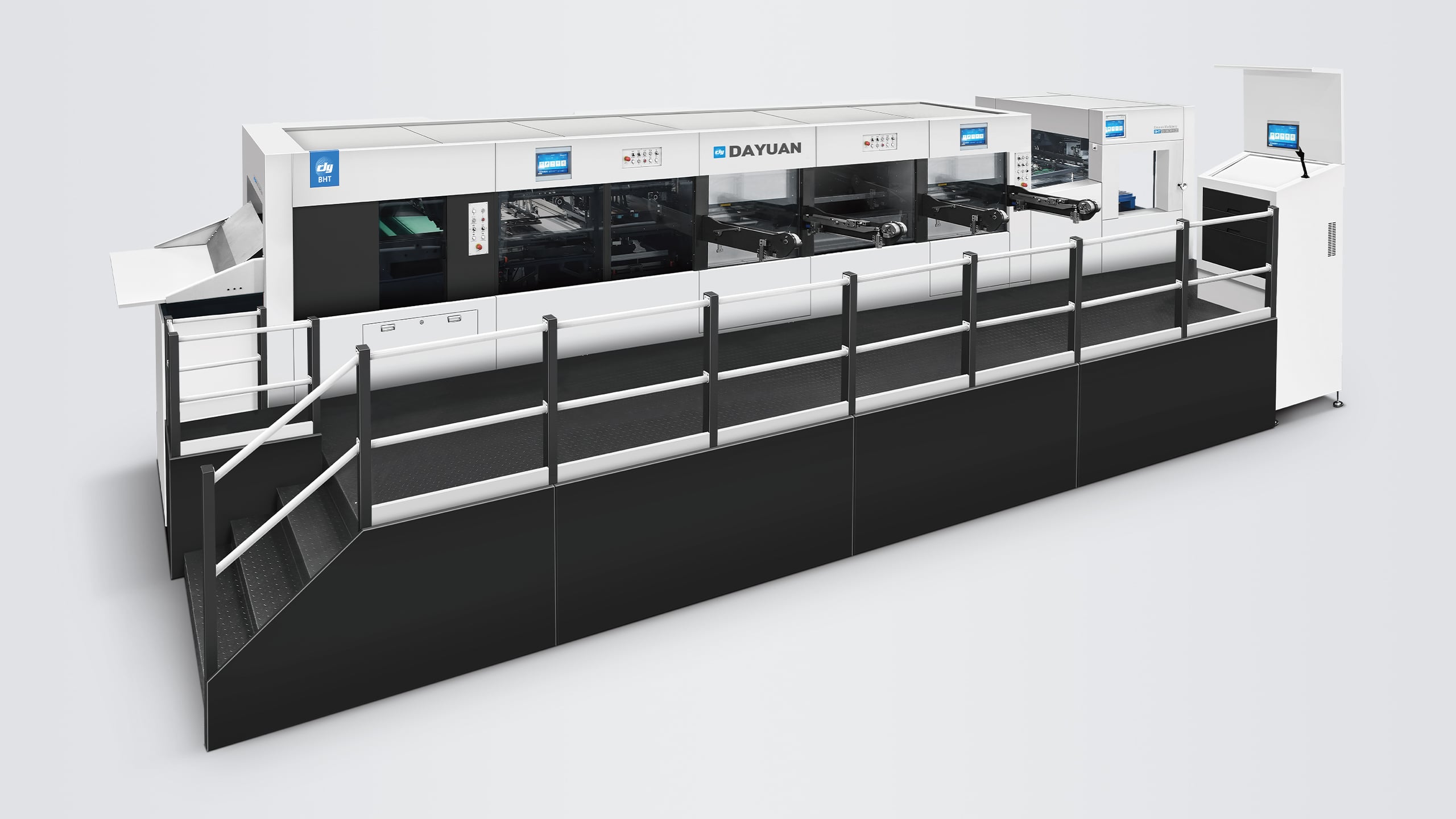
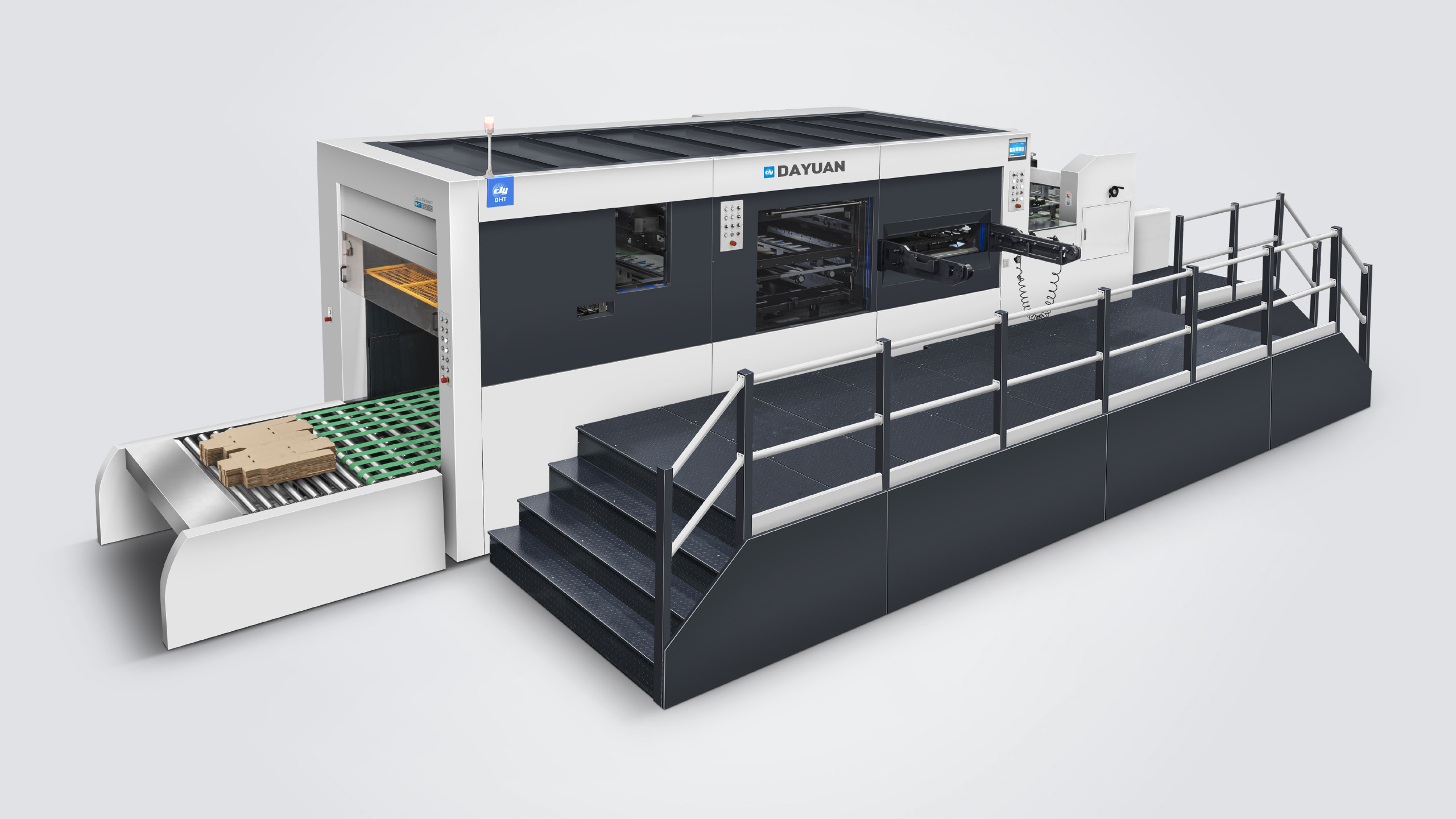
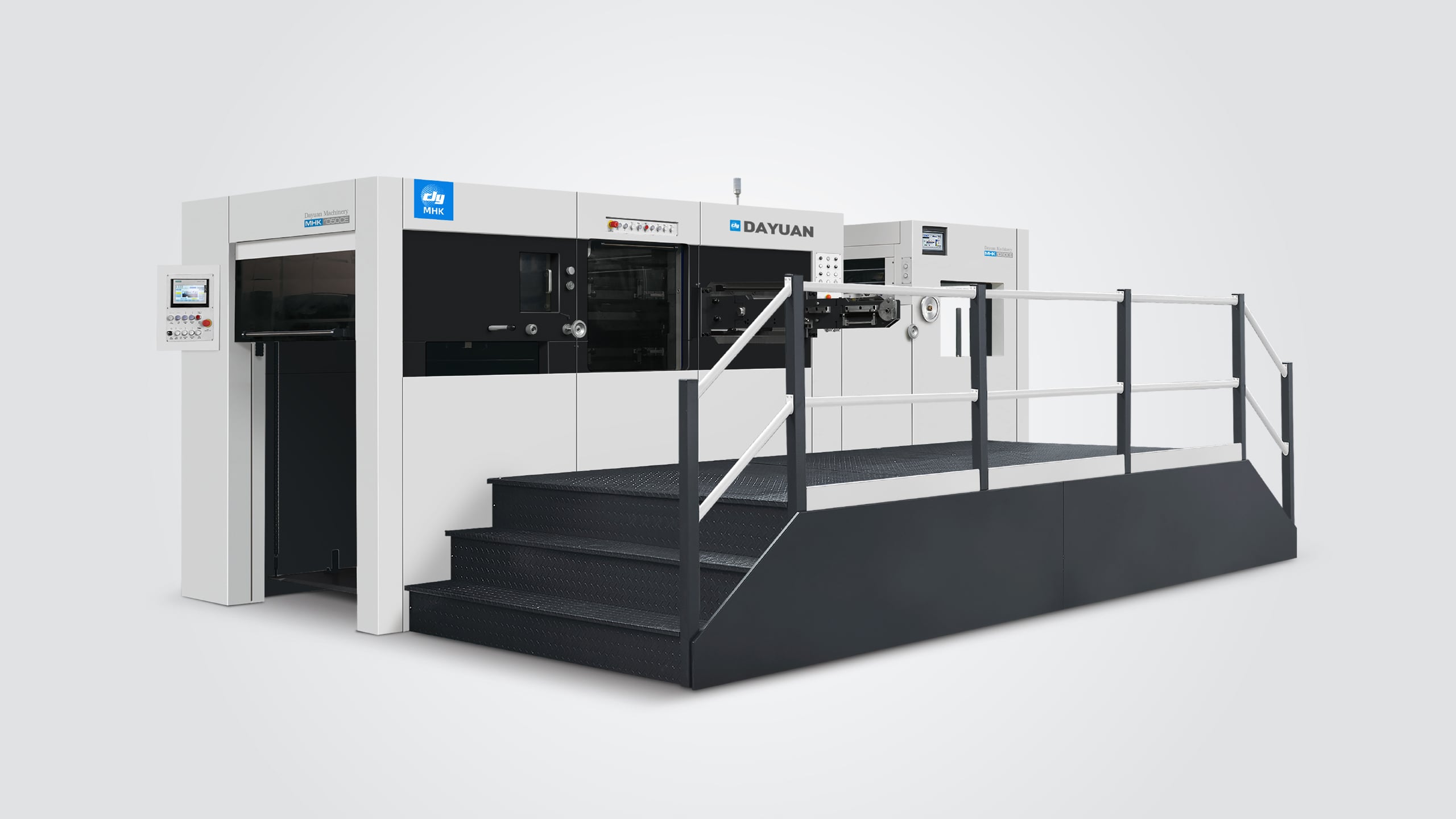
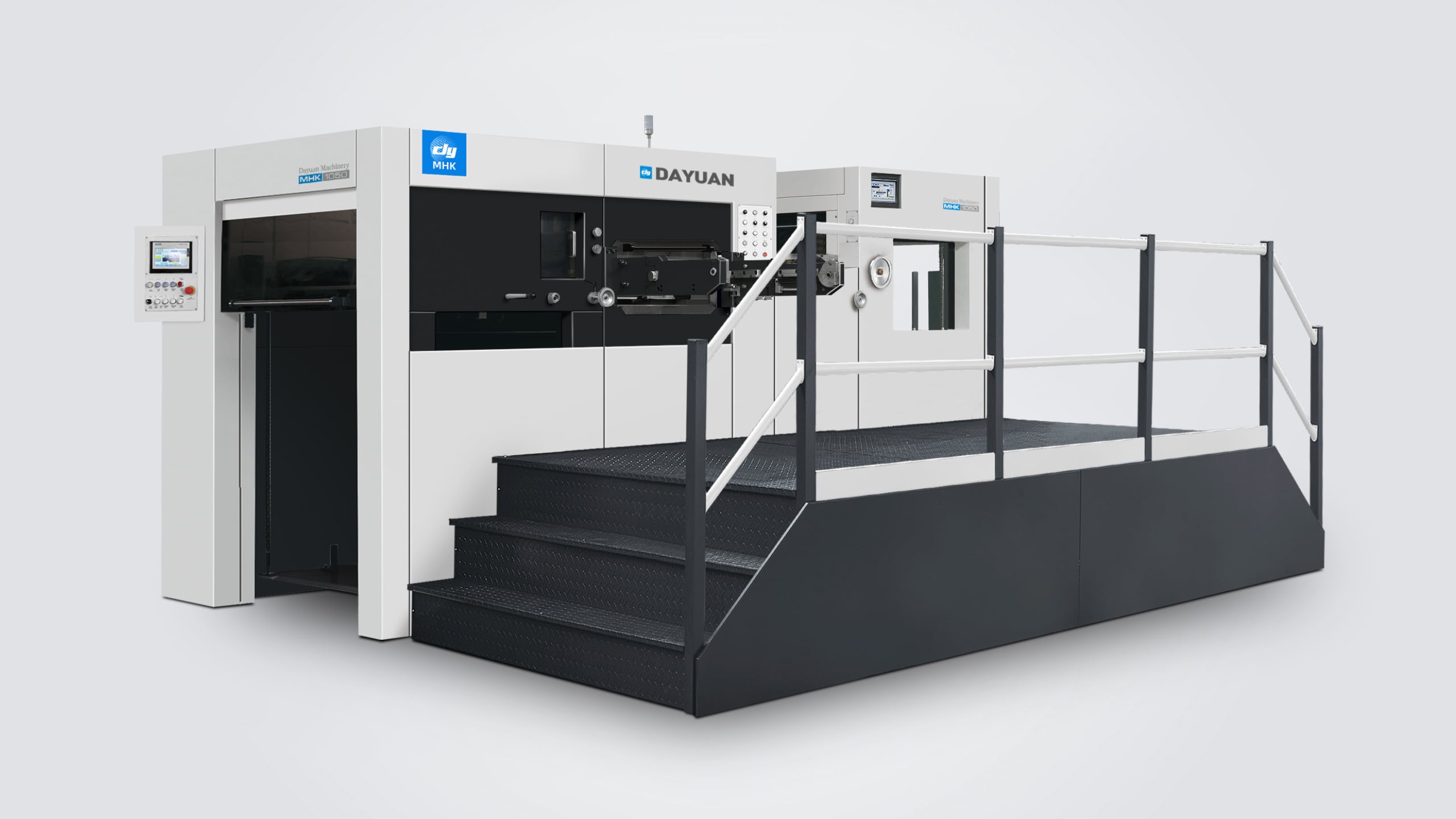
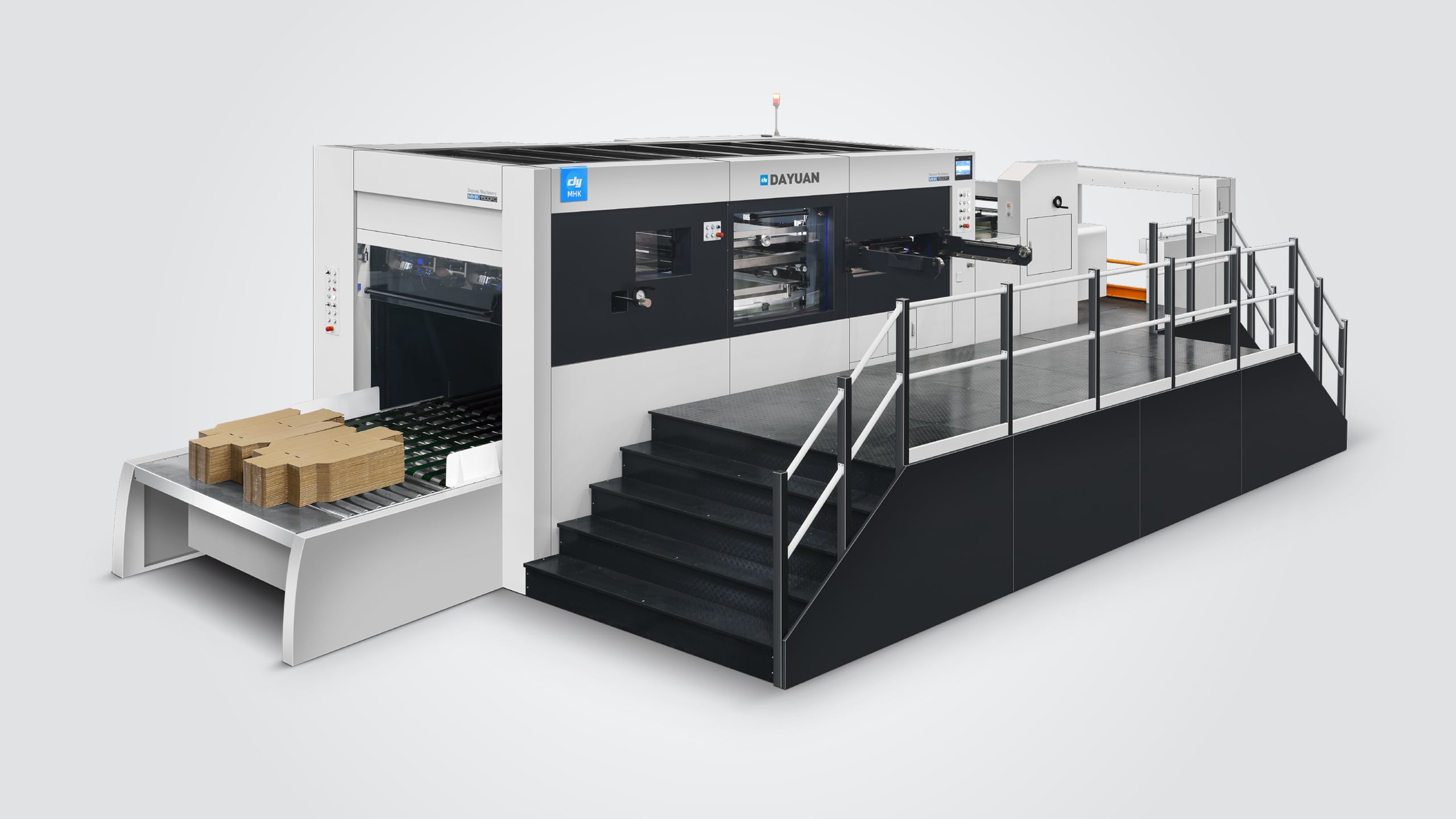
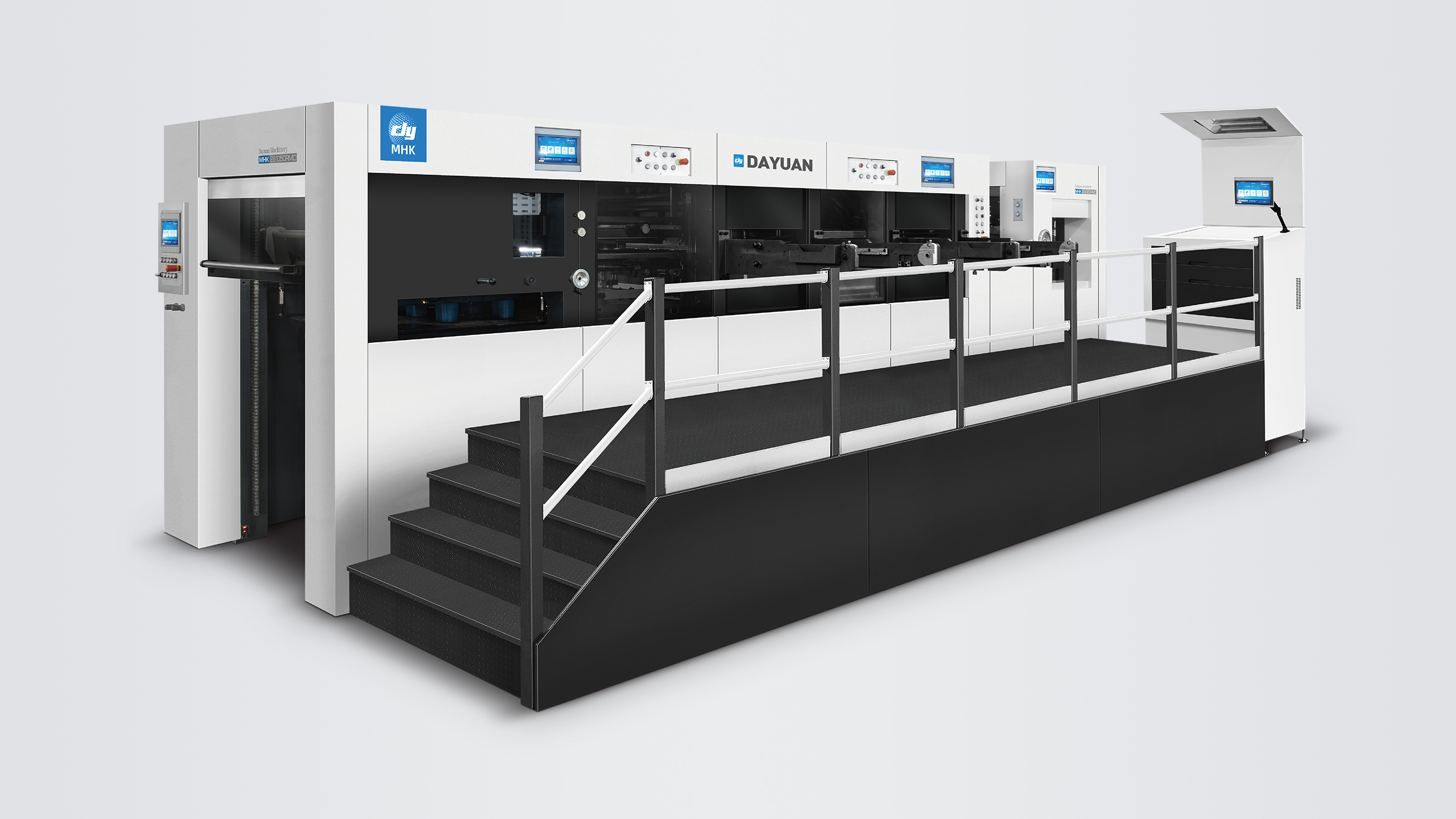
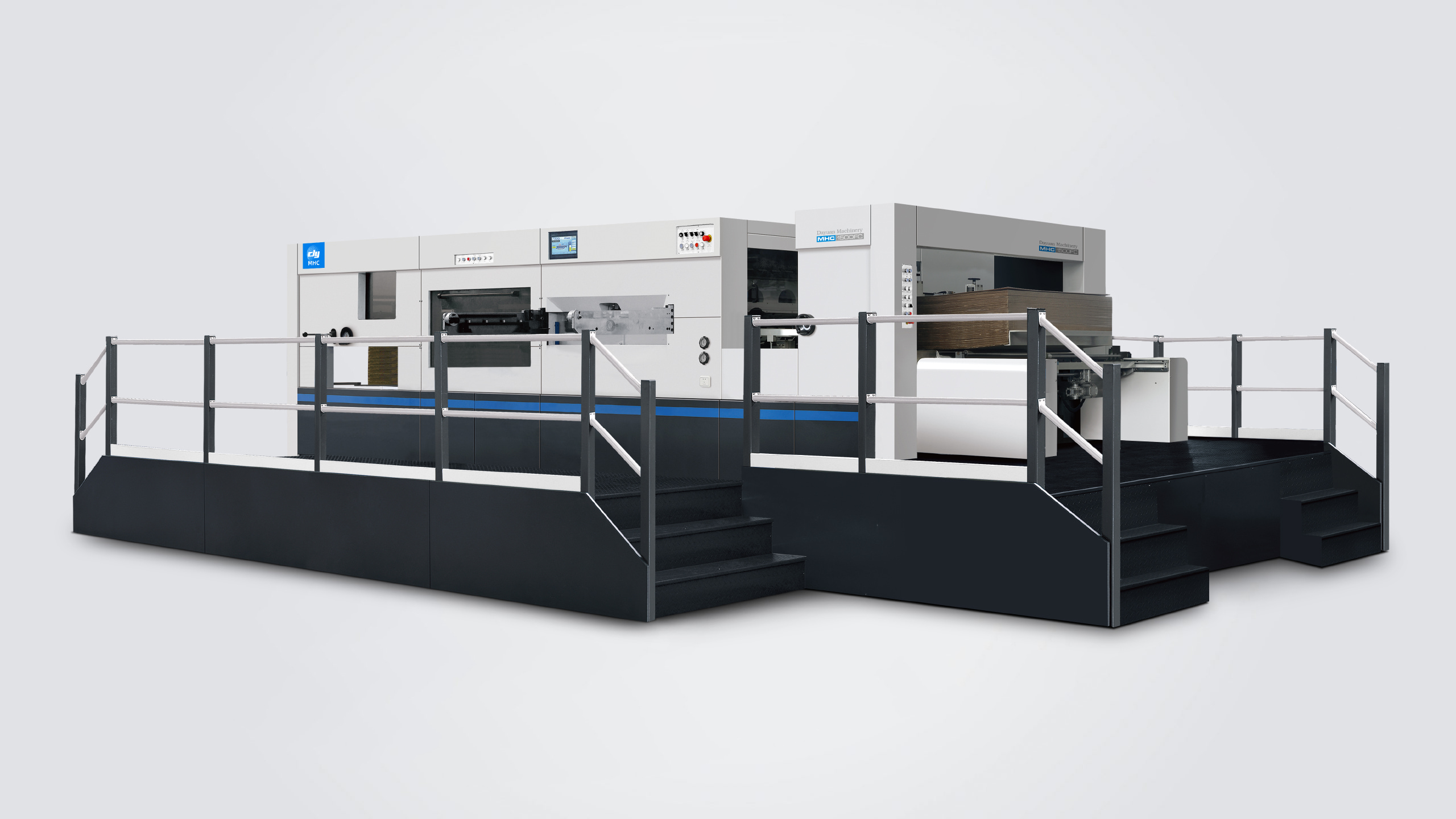
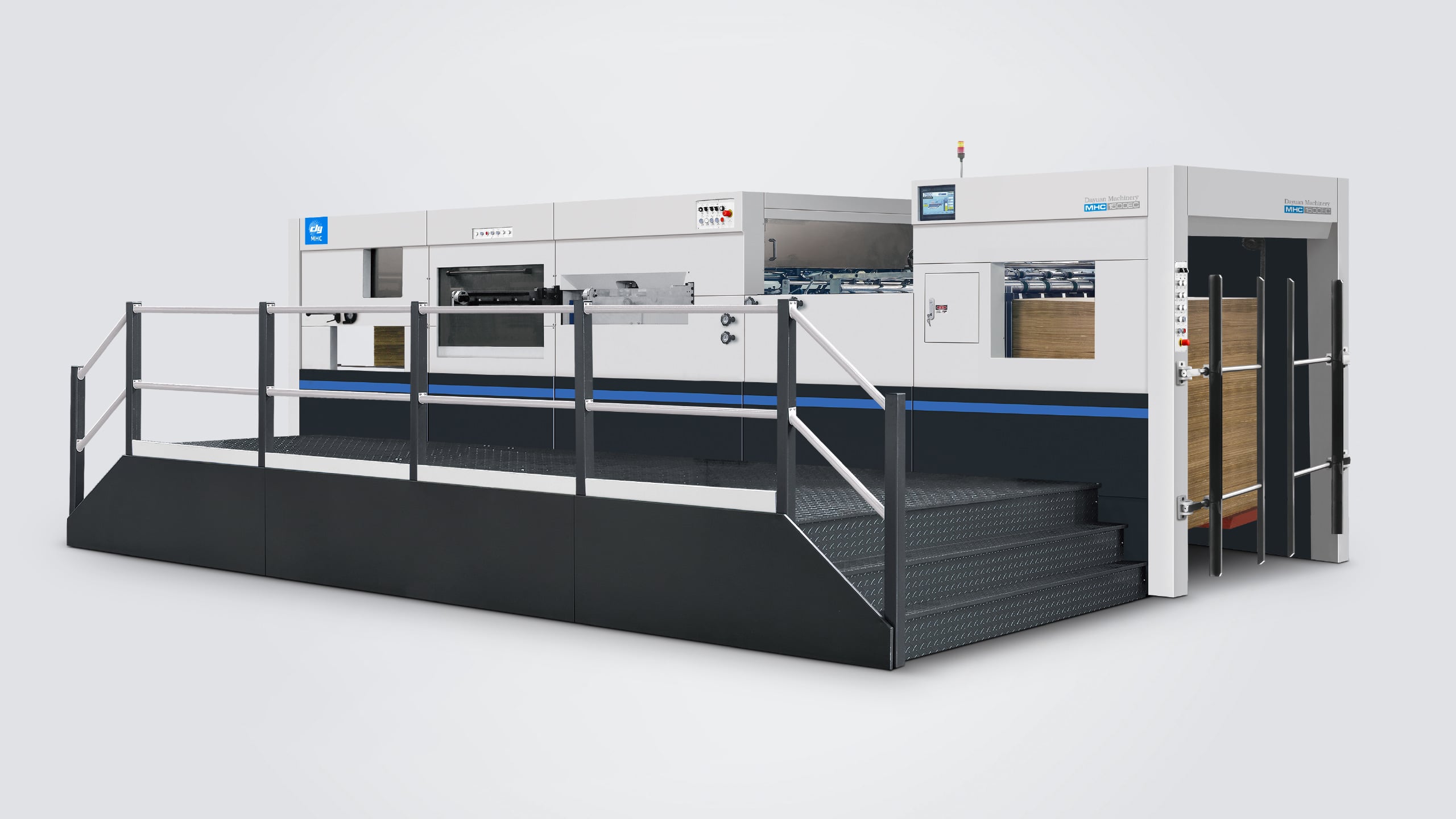
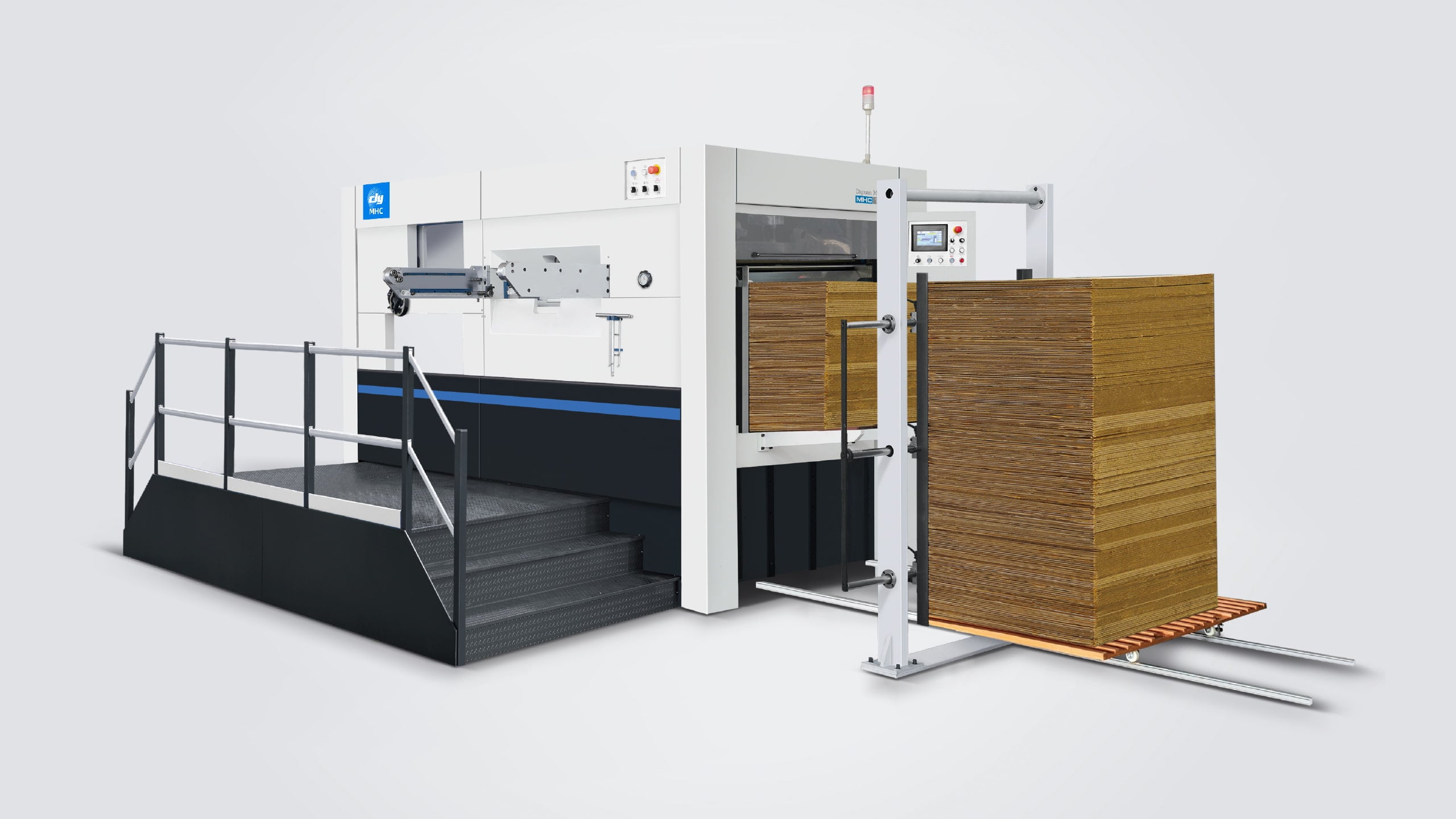
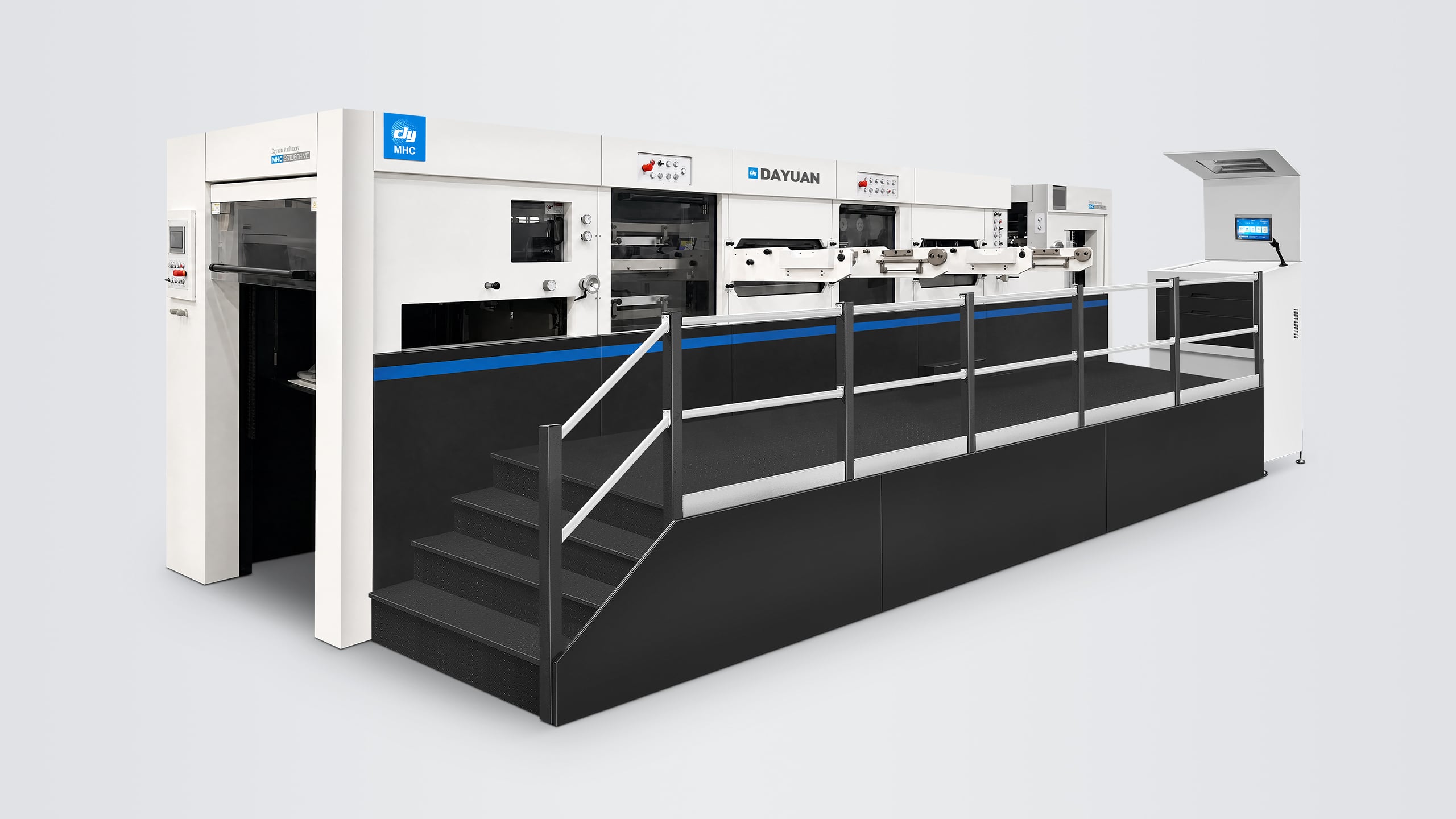
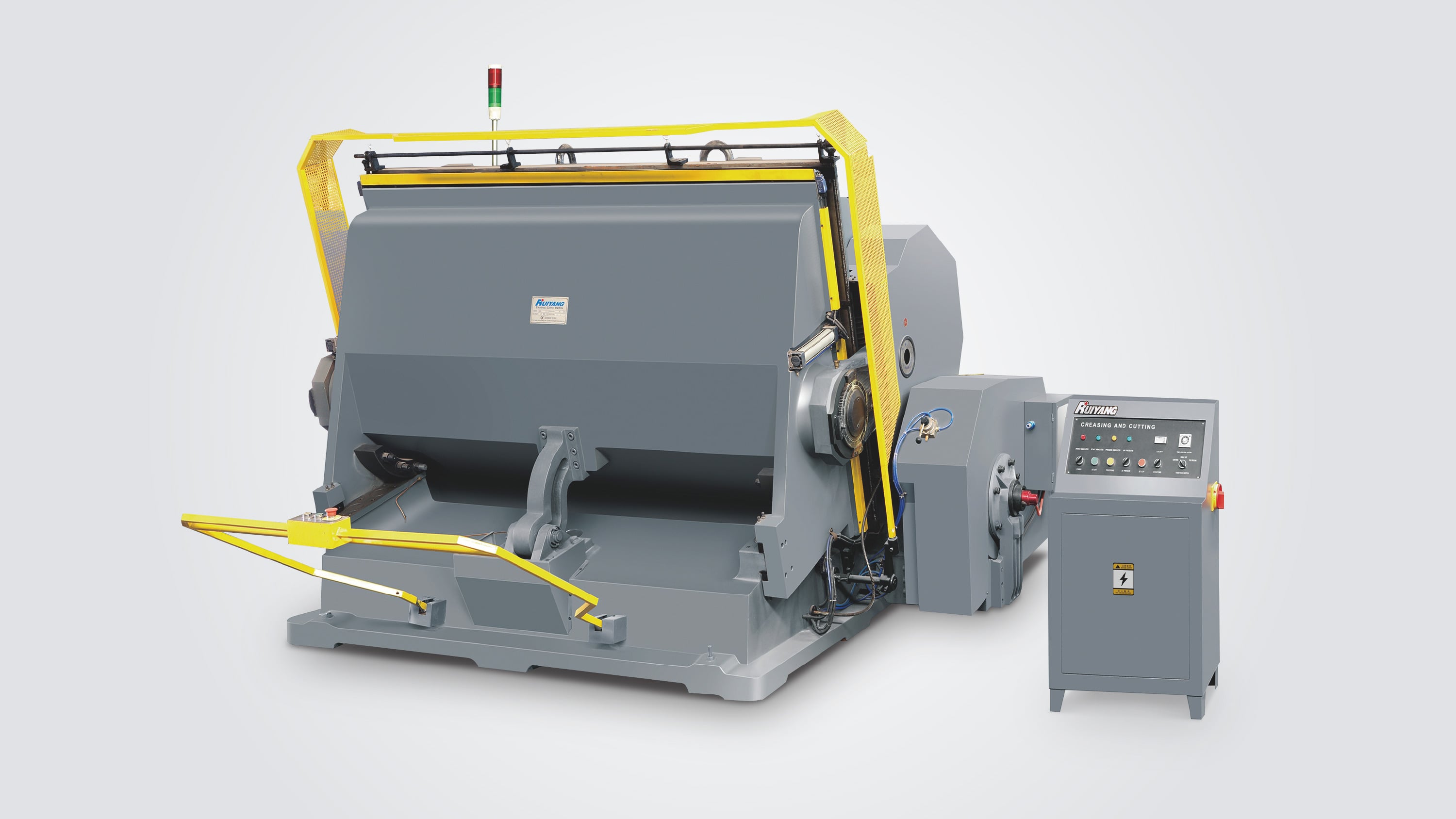
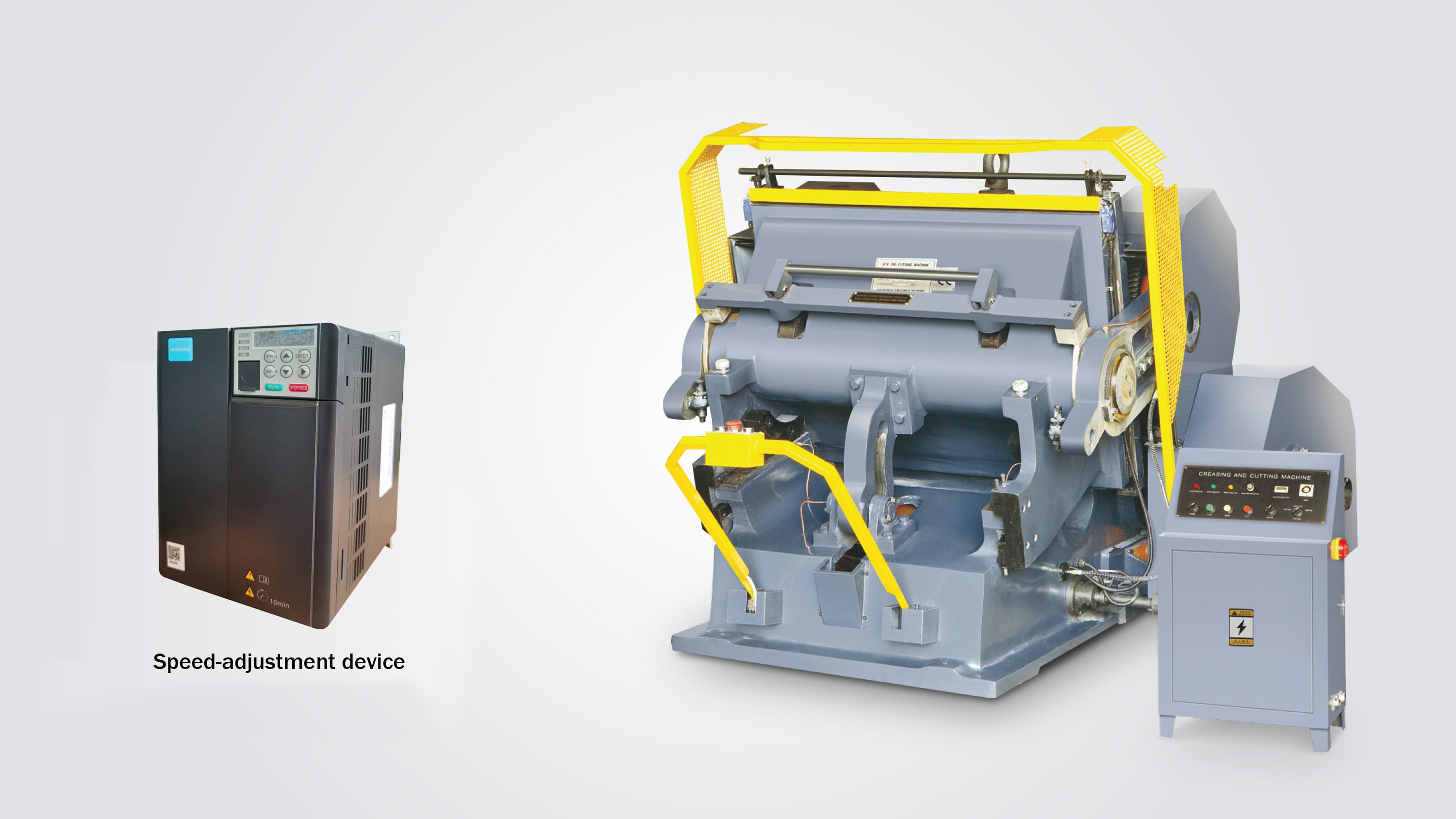
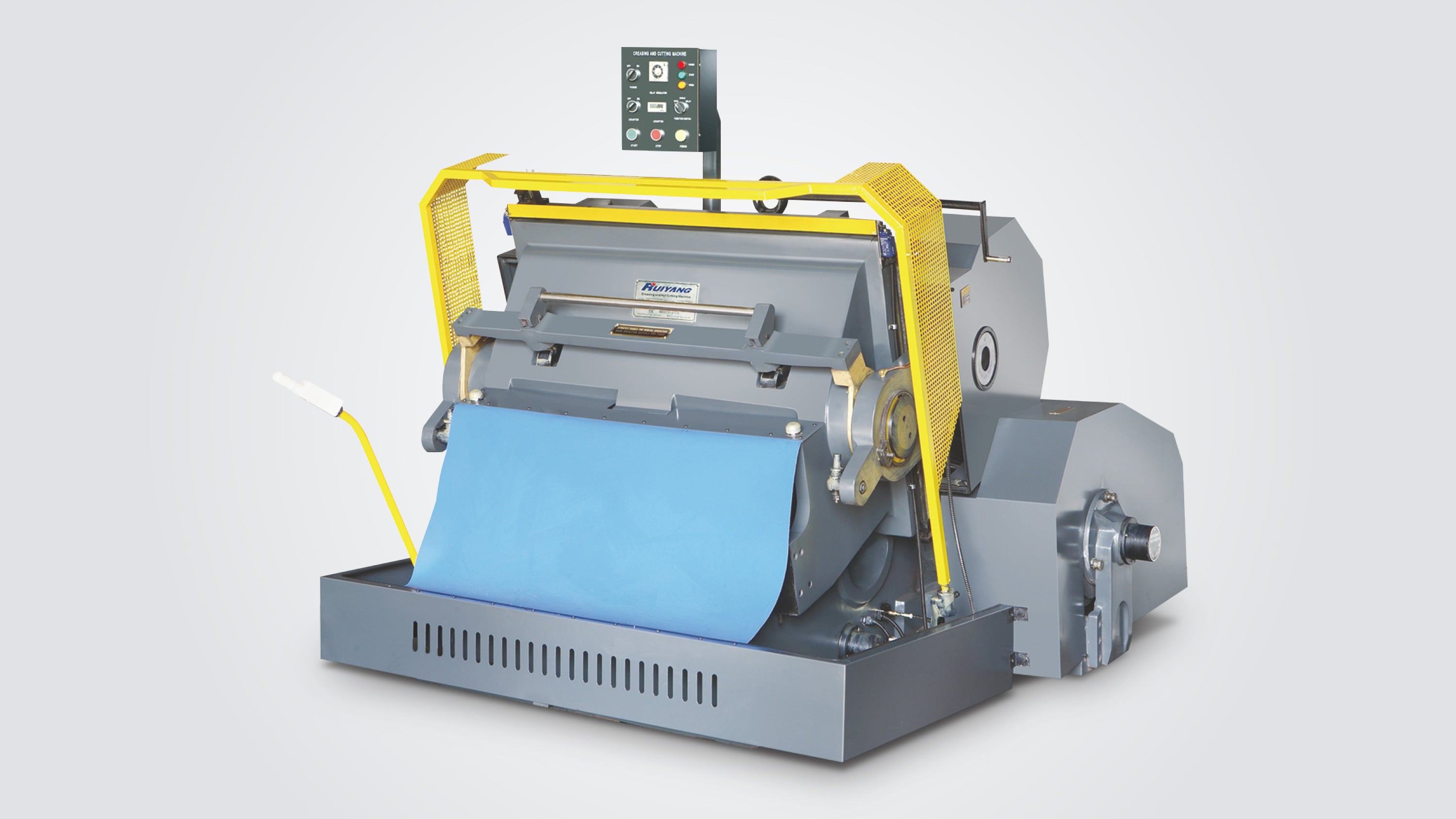
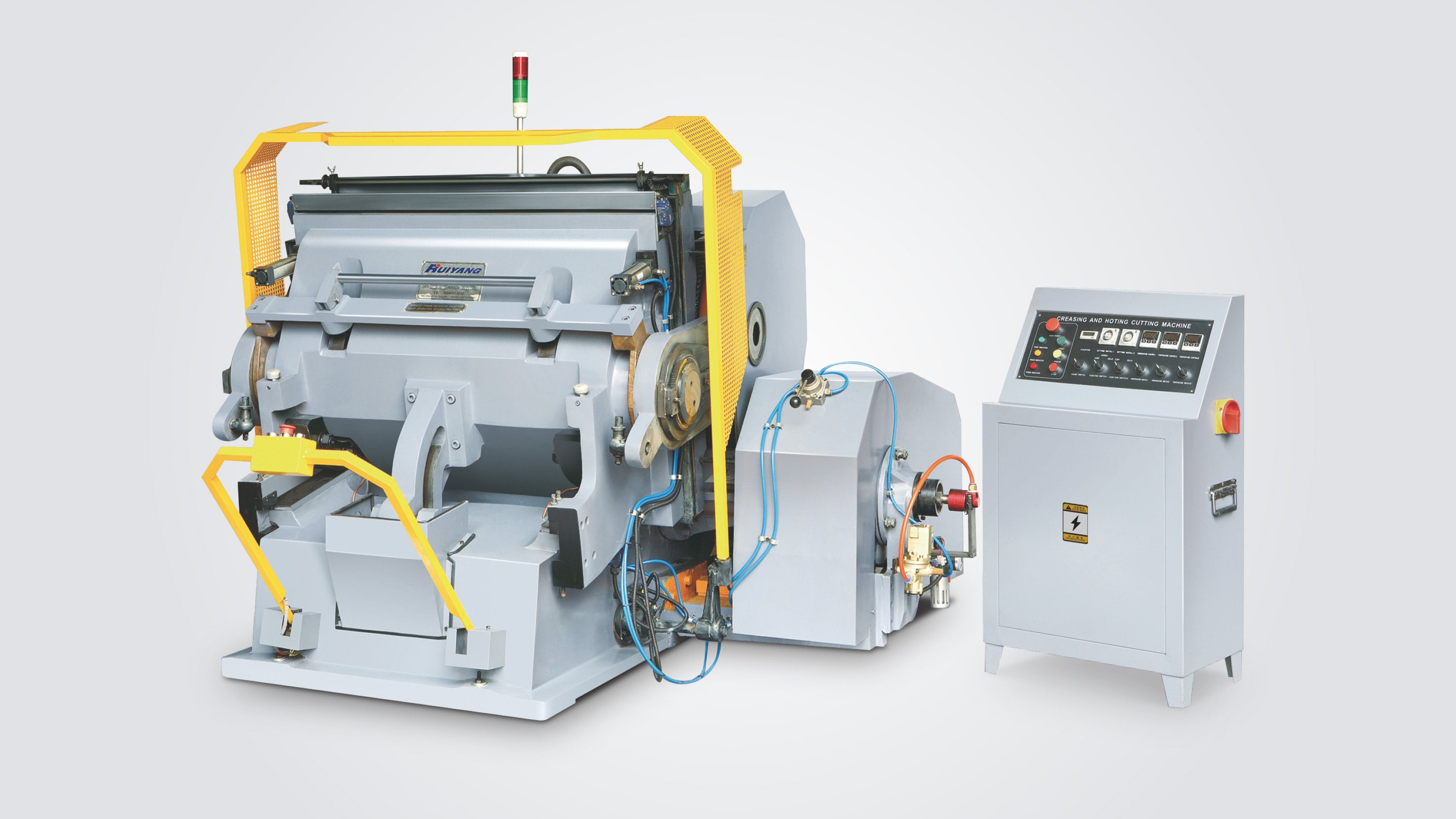
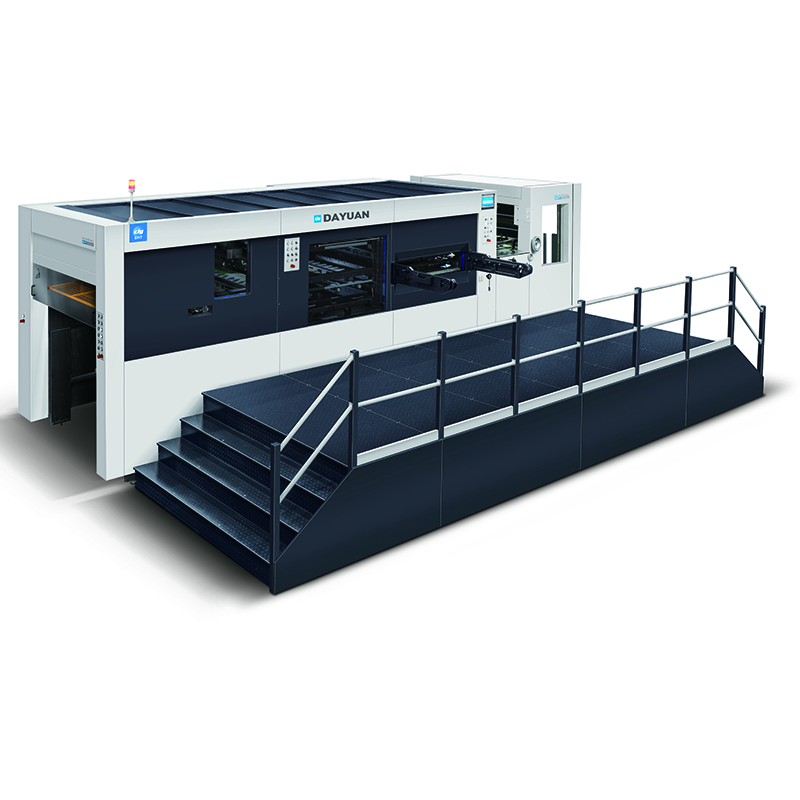
A flatbed die cutter is a post-press machine used to cut paperboard or corrugated board according to a custom die. In printing and packaging, this process creates the outlines and shapes required for folding cartons, packaging components, and other printed products. The finished result depends on the die layout, board characteristics, machine settings, and the capabilities of the selected model.
Dayuan Machinery manufactures equipment for printing and packaging production, including flatbed die-cutting machines, hot foil stamping and die-cutting machines, automatic sheet cutters, and stripping and blanking machines. These product categories serve different production requirements. Flatbed die cutting forms the specified shapes, creasing prepares fold lines, and stripping removes waste from sheets that have already been die-cut. Some machines integrate several functions, while others are designed for particular stages of the production process.
When selecting a flatbed die cutter, buyers should begin with their material specifications and finished product dimensions. Paperboard and corrugated board products can differ in thickness, sheet size, construction, and cutting layout. The machine's working format and pressure capability should be appropriate for the materials and packaging designs being processed. Buyers should verify the supported material range and technical specifications for the individual model rather than assume all machines can handle every substrate.
Die design is another important consideration. The die determines the cutting pattern and, where applicable, the creasing layout. Its arrangement needs to match the finished packaging design and the sheet dimensions. Accurate positioning and appropriate setup help maintain consistent results across production runs, especially when sheets contain multiple carton layouts. More complex jobs should be assessed against the machine's documented working dimensions and capabilities.
Production efficiency also depends on how the die-cutting process connects with other operations. Some models combine die cutting and creasing with stripping, while selected configurations can form part of an integrated production line. Where waste removal is required, stripping and blanking equipment can process die-cut sheets to remove scrap and separate finished blanks, depending on the machine configuration. Buyers should confirm which operations are integrated and which require separate equipment when planning their production workflow.
For packaging manufacturers handling regular orders, automatic feeding and delivery systems can help maintain sheet flow and reduce repetitive manual handling. Actual output depends on the selected model, sheet dimensions, board properties, die layout, setup changes, and quality requirements. Evaluating expected output under normal production conditions provides a more realistic basis for equipment selection than relying exclusively on maximum rated speed.
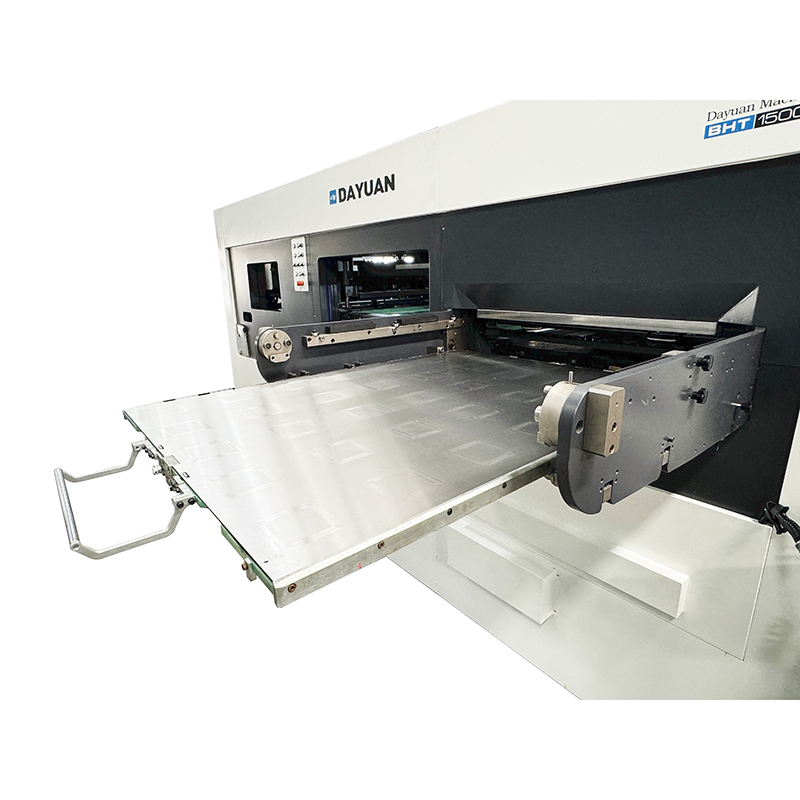
The BHT-FC series offers different working formats and configurations for industrial die-cutting applications. Buyers should compare the available models according to their sheet dimensions, packaging layouts, production requirements, and need for integrated processes. A configuration designed for a particular production line may not be necessary for every operation, so understanding the actual workflow is important before making a purchase decision.
Before choosing a flatbed die cutter, businesses should review its working dimensions, compatible board thickness, production speed, cutting pressure, feeding and delivery arrangements, and available creasing or stripping functions. Installation space, operator training, maintenance access, and after-sales support also affect long-term operation. Discussing representative packaging jobs with the manufacturer can help establish whether a specific machine configuration meets the required production conditions.
For printing and packaging businesses, selecting a flatbed die cutter starts with matching the cutting task to the machine's verified capabilities. A clear understanding of material specifications, die layout, finished product dimensions, and production workflow helps buyers compare equipment effectively and select a machine suited to their packaging operations.

11
Sep
15
Sep
28
Sep
22
Oct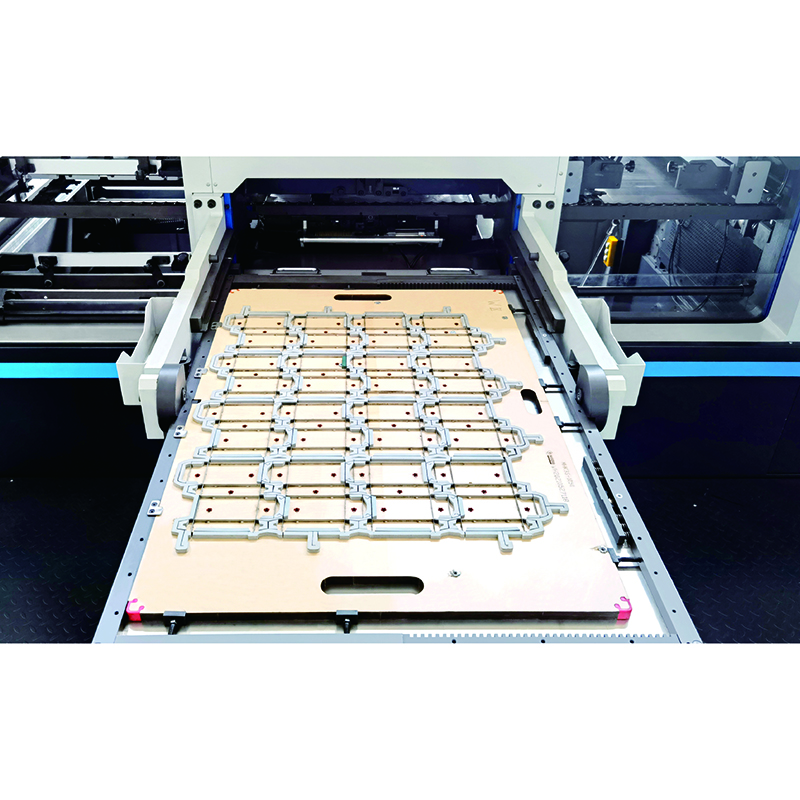

Discover innovative solutions for hot stamping, die-cutting, and slitting machinery at Dayuan Machinery. With over 26 years of experience and a global presence in 130+ countries, we offer advanced, reliable equipment backed by robust R&D and exceptional customer service.
No. 105, Haize Road, Binhai New Area, Pingyang County, Wenzhou City, Zhejiang Province.
Copyright © 2026 China ZHEJIANG DAYUAN MACHINERY CO.,LTD. All rights reserved Privacy Policy
 EN