Professional Creasing Machine Factories - Premium Finishing Equipment Manufacturing Solutions

+86-577-58918888
All Categories

creasing machine factories

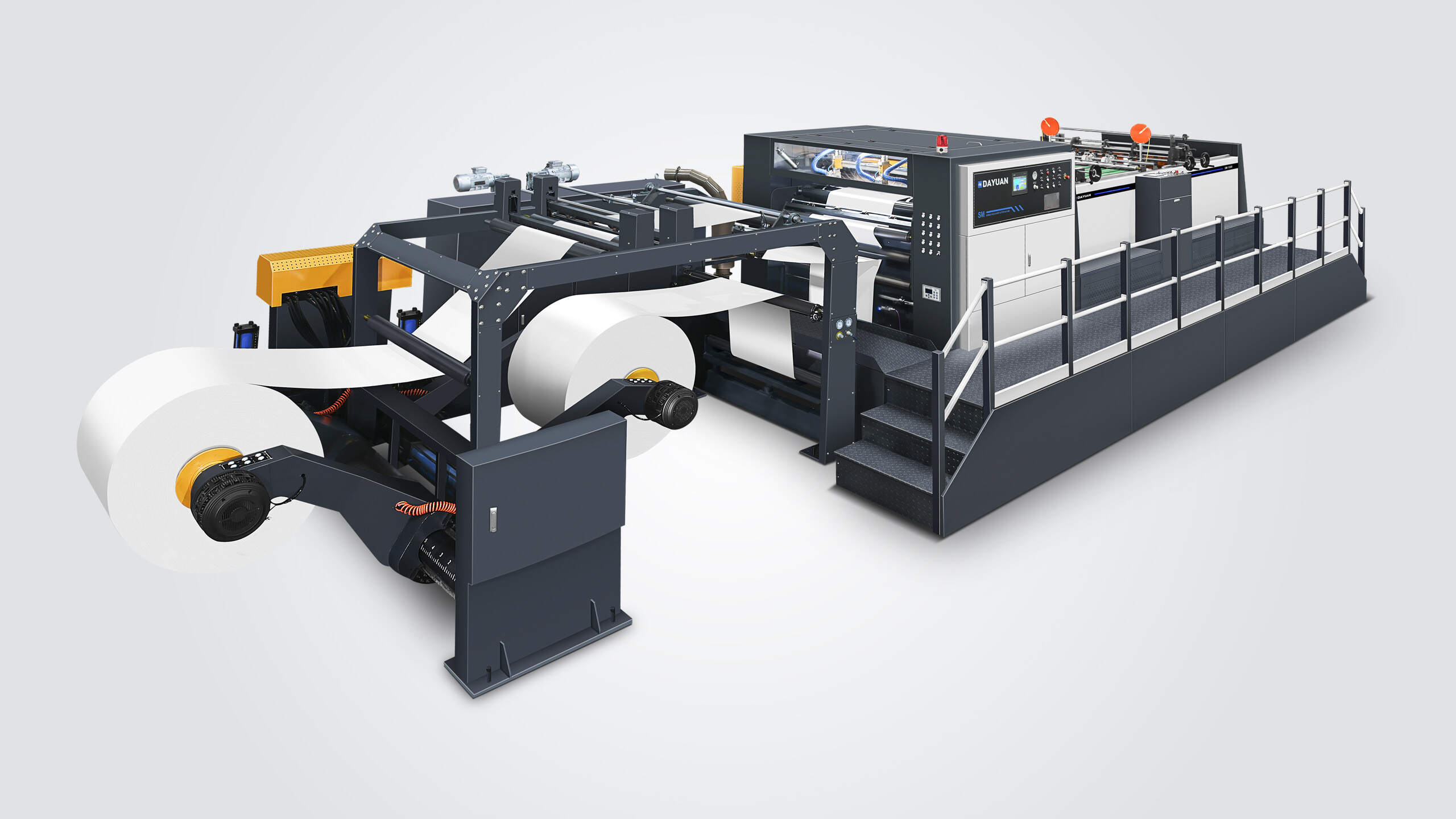
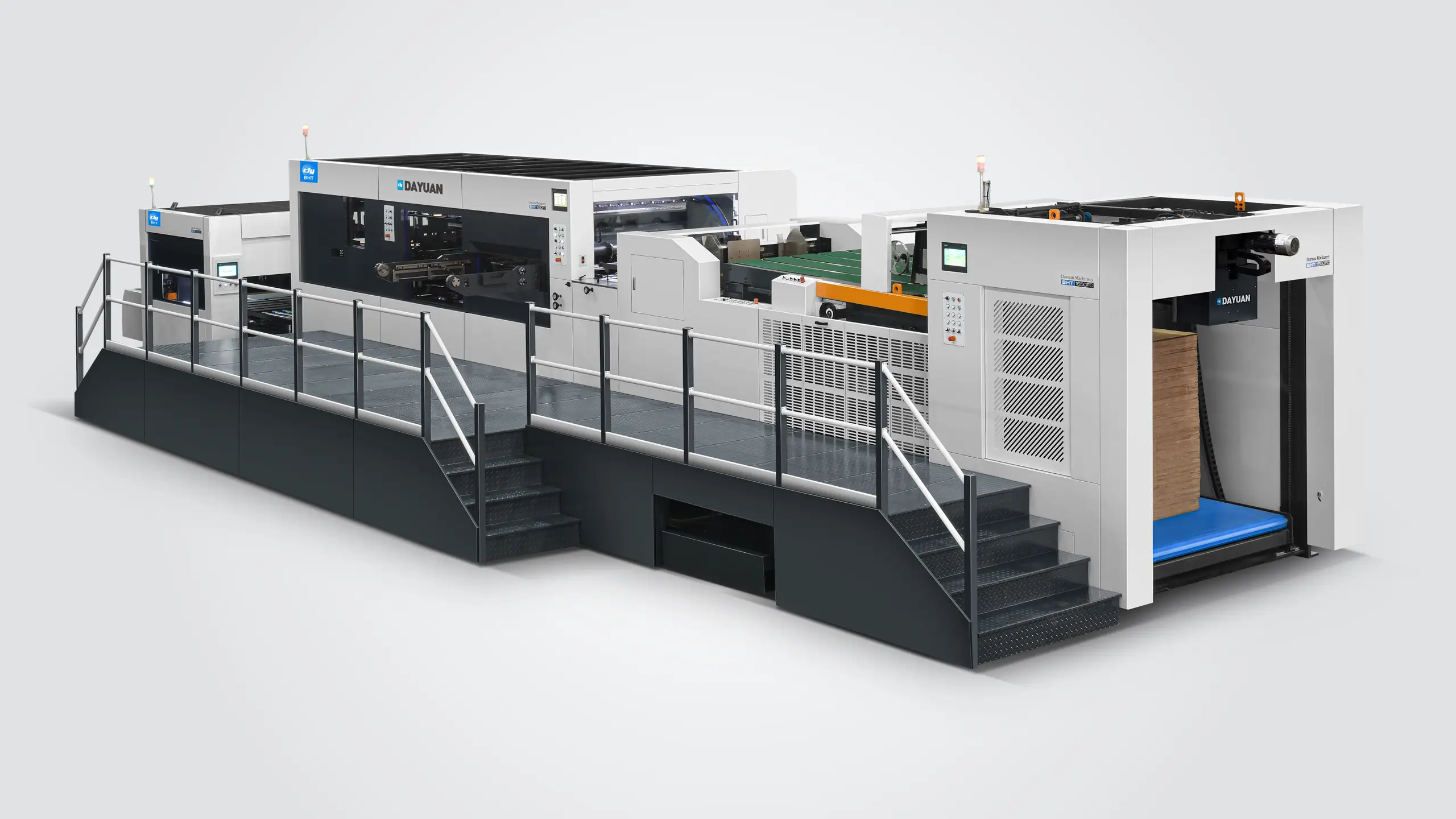
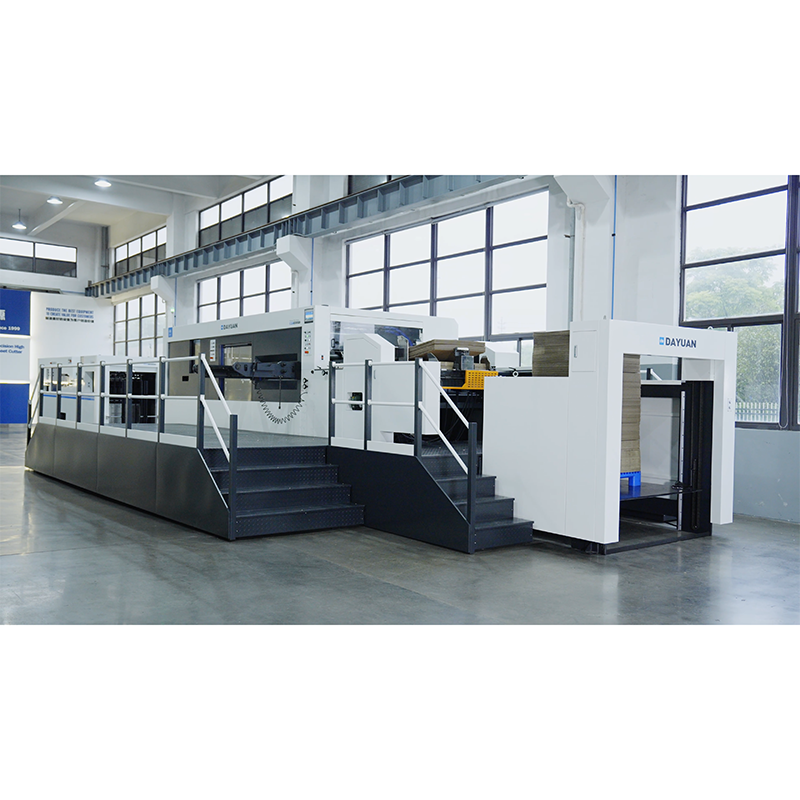
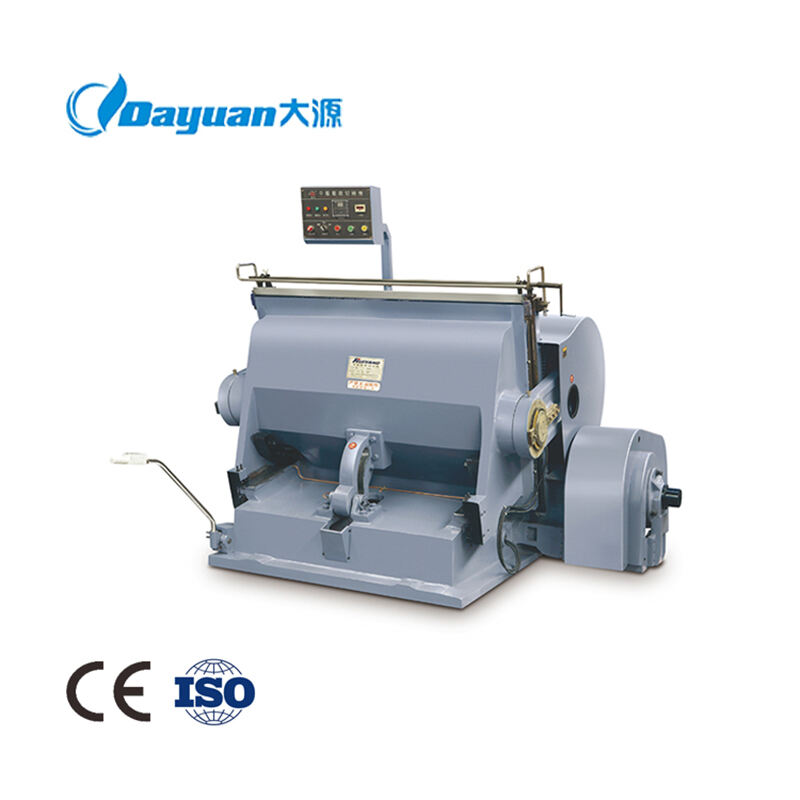
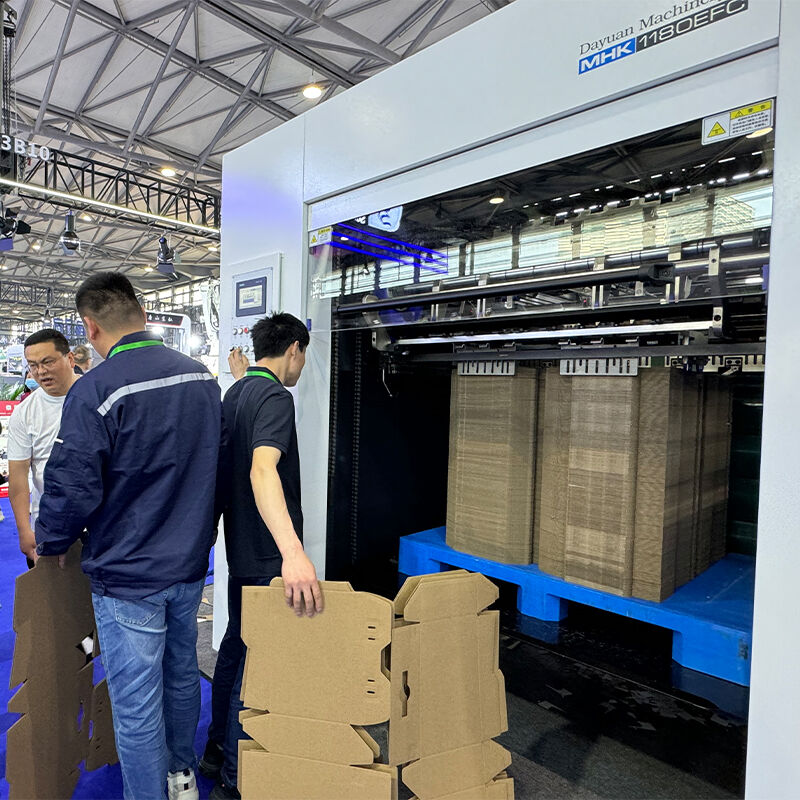
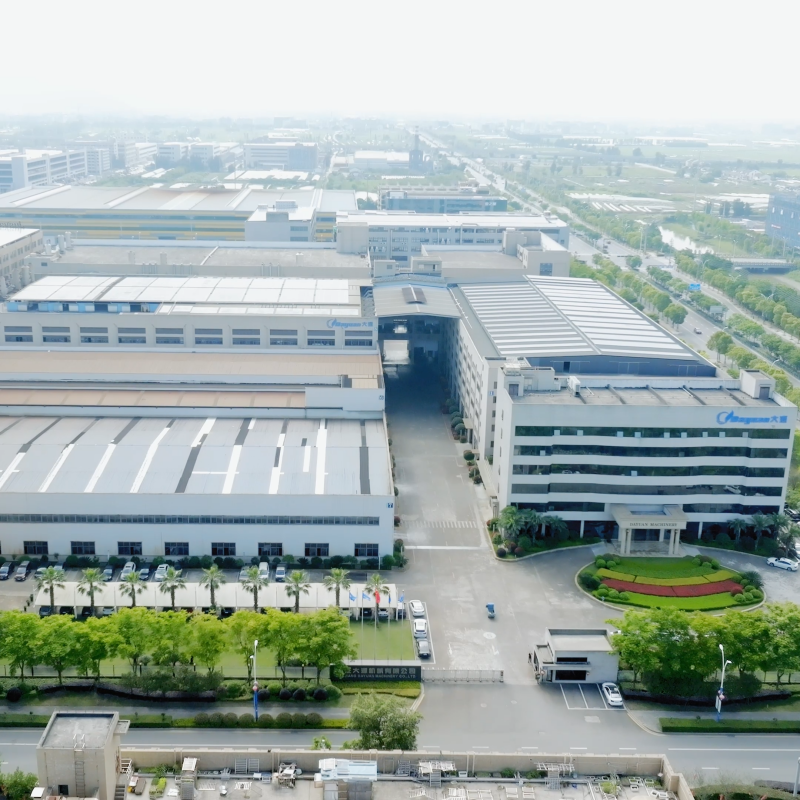
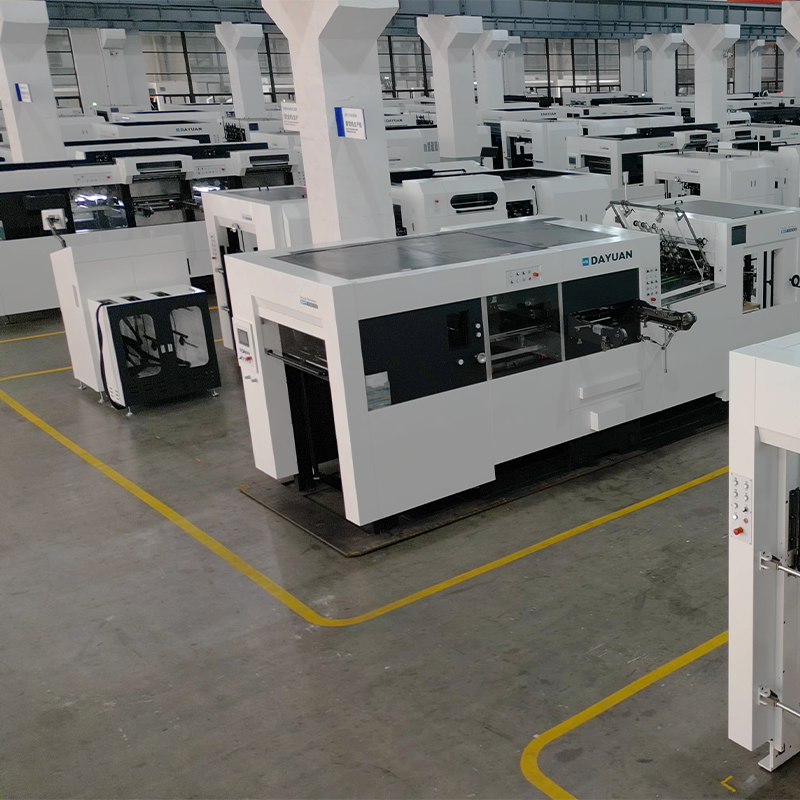
Creasing machine factories serve as specialized manufacturing facilities dedicated to producing equipment that creates precise fold lines in various materials, primarily paper, cardboard, and packaging substrates. These industrial establishments combine advanced engineering expertise with modern production capabilities to deliver machinery that meets the demanding requirements of printing houses, packaging companies, and commercial finishing operations worldwide. The primary function of creasing machine factories revolves around designing and manufacturing equipment that scores materials without cutting through them, enabling clean folding without cracking or damaging the substrate surface. Modern creasing machine factories incorporate cutting-edge technologies including computerized numerical control systems, automated feeding mechanisms, and precision tooling that ensures consistent results across high-volume production runs. These facilities employ skilled engineers, technicians, and quality control specialists who work collaboratively to maintain rigorous manufacturing standards throughout every production stage. The technological features embedded within products from creasing machine factories include adjustable pressure controls, multiple creasing channel configurations, quick-change tooling systems, and digital interface panels that simplify operation while maximizing productivity. Applications for equipment manufactured by creasing machine factories span numerous industries including commercial printing, packaging production, bookbinding operations, greeting card manufacturing, and folding carton creation. These factories typically maintain extensive research and development departments that continuously innovate new solutions addressing evolving market demands such as handling thicker substrates, processing specialty materials, and integrating with automated finishing lines. Quality assurance protocols within creasing machine factories involve rigorous testing procedures that verify dimensional accuracy, operational reliability, and long-term durability before equipment reaches end users. The manufacturing process within these specialized facilities combines precision metalworking, electronic assembly, hydraulic system integration, and comprehensive calibration procedures that result in reliable machinery capable of withstanding demanding production environments while delivering consistent performance over extended operational lifecycles.

New Product Recommendations

Choosing equipment from established creasing machine factories provides businesses with numerous practical benefits that directly impact operational efficiency and bottom-line profitability. First and foremost, these specialized manufacturers deliver machinery built specifically for the demanding requirements of professional finishing operations, ensuring that equipment performs reliably under continuous production conditions without frequent breakdowns or quality inconsistencies. Companies that source from dedicated creasing machine factories gain access to technical expertise accumulated over years of focused manufacturing experience, translating into better machine design, superior component selection, and thoughtful engineering that addresses real-world production challenges. The consistency of output quality represents another significant advantage, as machinery from professional creasing machine factories produces uniform crease lines that enable clean folding without cracking, tearing, or visual defects that compromise finished product appearance. Operators find that equipment from reputable creasing machine factories requires less training time because these manufacturers prioritize user-friendly controls and intuitive operation sequences that reduce the learning curve for new personnel. Maintenance requirements decrease substantially when businesses invest in machinery from established creasing machine factories, as these manufacturers utilize durable components, accessible service points, and standardized replacement parts that minimize downtime and extend equipment lifespan. The production speed capabilities of machines from specialized creasing machine factories enable businesses to complete jobs faster, accept larger orders, and improve overall throughput without sacrificing quality standards or increasing labor costs proportionally. Flexibility stands out as a key practical benefit, with modern equipment from creasing machine factories offering quick changeover capabilities that allow operators to switch between different substrate types, thicknesses, and crease patterns with minimal adjustment time. Energy efficiency has become an important consideration, and contemporary creasing machine factories increasingly incorporate power-saving technologies that reduce operational costs while supporting environmental sustainability initiatives. Technical support availability represents an often-overlooked advantage, as established creasing machine factories maintain service networks, spare parts inventories, and customer assistance programs that provide reassurance and rapid problem resolution when issues arise. The precision capabilities inherent in professionally manufactured equipment enable businesses to tackle complex projects involving intricate fold patterns, heavyweight materials, and tight tolerance requirements that would prove impossible with lesser machinery. Investment protection becomes tangible when sourcing from reputable creasing machine factories, as their equipment maintains resale value better than generic alternatives while delivering reliable performance that justifies the initial capital expenditure through years of productive service.

Tips And Tricks

How to Choose a Flatbed Die Cutter for Thick Materials

13

Mar

How to Choose a Flatbed Die Cutter for Thick Materials

Understanding Industrial Die Cutting Excellence The world of industrial die cutting has evolved significantly, with flatbed die cutters emerging as essential tools for businesses handling thick materials. These robust machines combine precision, powe...
View More
What Key Maintenance Steps Ensure Consistent Performance in a High-Cycle Paper Die Cutting Machine?

10

Feb

What Key Maintenance Steps Ensure Consistent Performance in a High-Cycle Paper Die Cutting Machine?

Industrial packaging and printing operations rely heavily on the consistent performance of their paper die cutting machine systems to meet demanding production schedules. These sophisticated pieces of equipment process thousands of sheets per hour, c...
View More
What Maintenance Routines Extend the Lifespan of Your Industrial Paper Cutter Machine?

18

Mar

What Maintenance Routines Extend the Lifespan of Your Industrial Paper Cutter Machine?

Proper maintenance of an industrial paper cutter machine is crucial for maximizing operational efficiency and extending equipment lifespan in commercial printing environments. These sophisticated cutting systems require systematic care to maintain pr...
View More
How Do You Select the Right Paper Die Cutting Machine for Folding Cartons vs. Corrugated Board?

02

Apr

How Do You Select the Right Paper Die Cutting Machine for Folding Cartons vs. Corrugated Board?

Selecting the right paper die cutting machine for different packaging applications requires understanding the fundamental differences between folding carton and corrugated board production requirements. The choice between these substrate types direct...
View More

Get a Free Quote

Our representative will contact you soon.
Email
Name
Company Name
Required Product
Message
0/1000

creasing machine factories

Advanced Precision Engineering and Manufacturing Excellence

Advanced Precision Engineering and Manufacturing Excellence

Creasing machine factories distinguish themselves through their commitment to precision engineering that transforms raw materials into sophisticated finishing equipment capable of meeting exacting industry standards. These specialized manufacturing facilities employ advanced computer-aided design software that enables engineers to model every component digitally before physical production begins, ensuring optimal performance characteristics and identifying potential design improvements before costly tooling investments occur. The manufacturing processes within professional creasing machine factories incorporate state-of-the-art machining centers equipped with multi-axis capabilities that produce components with micron-level tolerances, ensuring perfect alignment of creasing channels, pressure systems, and material feeding mechanisms. Quality control protocols implemented throughout creasing machine factories include coordinate measuring machine verification, laser alignment checking, and operational testing under simulated production conditions that guarantee each unit leaving the facility meets published specifications. The materials selection process within these factories reflects deep understanding of operational stresses, with manufacturers specifying hardened steel for wear surfaces, precision bearings for rotating components, and corrosion-resistant finishes that maintain appearance and functionality throughout extended service lives. Assembly procedures within creasing machine factories follow documented protocols that ensure consistent build quality across every unit, with experienced technicians performing calibration procedures that optimize pressure distribution, feeding accuracy, and control system responsiveness. The engineering teams within these factories continuously analyze field performance data, customer feedback, and emerging industry requirements to drive iterative improvements that enhance reliability, expand capability ranges, and introduce innovative features addressing previously unmet needs. Investment in research facilities allows leading creasing machine factories to experiment with alternative creasing technologies, test new substrate compatibility, and develop proprietary solutions that provide competitive advantages for their customers. The manufacturing infrastructure within established creasing machine factories includes dedicated testing bays where completed machines undergo extended operational trials processing various material types under different speed and pressure settings, verifying performance consistency before shipment authorization.
Comprehensive Application Versatility and Substrate Compatibility

Comprehensive Application Versatility and Substrate Compatibility

Modern creasing machine factories prioritize versatility in their equipment designs, recognizing that contemporary finishing operations demand machinery capable of processing diverse substrate types, thicknesses, and surface treatments without requiring extensive reconfiguration or specialized tooling investments. The engineering focus within these factories centers on creating adjustable pressure systems that accommodate everything from lightweight text paper through heavyweight folding carton board, with intuitive controls allowing operators to dial in optimal settings for specific materials quickly. Leading creasing machine factories incorporate modular tooling systems that enable rapid changeover between different crease widths, channel depths, and pattern configurations, maximizing productivity by minimizing non-productive setup time between jobs with varying specifications. The feeding mechanisms developed by innovative creasing machine factories feature adjustable guides, variable speed controls, and material sensing technologies that automatically compensate for thickness variations, ensuring consistent registration and preventing misalignment issues that compromise finished piece quality. Special attention within creasing machine factories goes toward developing solutions for challenging substrates including laminated materials, coated stocks, synthetic papers, and specialty boards that exhibit different folding characteristics requiring customized creasing approaches. The application range of equipment from comprehensive creasing machine factories extends beyond basic scoring operations to include perforation capabilities, combination crease-cut functions, and multi-line patterns that enable complex folding schemes for sophisticated packaging designs. Technical documentation provided by professional creasing machine factories includes extensive substrate compatibility charts, recommended settings databases, and troubleshooting guides that empower operators to achieve optimal results across their complete material inventory. Field application support from dedicated creasing machine factories often includes on-site consultation services where factory technicians evaluate specific substrate challenges, recommend equipment configurations, and provide hands-on training that transfers expertise directly to customer personnel. The continuous innovation occurring within forward-thinking creasing machine factories focuses on expanding substrate compatibility boundaries, enabling customers to pursue new market opportunities involving previously difficult-to-process materials that differentiate their service offerings from competitors limited by less capable equipment.
Long-Term Value Through Durability and Support Infrastructure

Long-Term Value Through Durability and Support Infrastructure

Investment in equipment from established creasing machine factories delivers exceptional long-term value through superior build quality, extended operational lifespans, and comprehensive support infrastructure that protects customer investments over decades of productive service. The construction philosophies embraced by quality-focused creasing machine factories emphasize robust frame designs, industrial-grade components, and over-engineered critical assemblies that withstand the repetitive stresses inherent in high-volume production environments without degradation or failure. Component selection within professional creasing machine factories reflects understanding that initial cost savings from inferior parts results in premature wear, frequent replacements, and cumulative downtime costs that far exceed any purchase price differences, leading these manufacturers to specify premium bearings, hardened surfaces, and proven mechanical systems. The finishing processes applied within creasing machine factories include protective coatings, precision grinding of contact surfaces, and thorough lubrication of moving components that establish optimal operating conditions from initial startup and maintain performance characteristics throughout extended service periods. Documentation packages from thorough creasing machine factories provide detailed maintenance schedules, lubrication specifications, adjustment procedures, and replacement part numbers that enable in-house maintenance personnel to perform routine servicing without requiring external technician visits for minor issues. The spare parts availability maintained by responsible creasing machine factories includes strategically positioned inventory locations, rapid shipping capabilities, and guaranteed component availability commitments that minimize production disruptions when wear items require replacement after extended operation. Technical support infrastructure established by customer-focused creasing machine factories encompasses telephone assistance lines, video troubleshooting capabilities, remote diagnostic connections, and field service networks staffed by factory-trained technicians familiar with specific model characteristics and common resolution procedures. Training programs offered by progressive creasing machine factories include operator certification courses, maintenance technician workshops, and advanced application seminars that build customer competency while strengthening relationships between manufacturers and end users. The upgrade pathways designed into equipment from forward-thinking creasing machine factories allow customers to enhance capabilities through retrofit kits, control system updates, and accessory additions that extend useful equipment life while protecting initial capital investments against premature obsolescence as technology advances and production requirements evolve over time.

Get a Free Quote

Our representative will contact you soon.
Email
Name
Company Name
Required Product
Message
0/1000