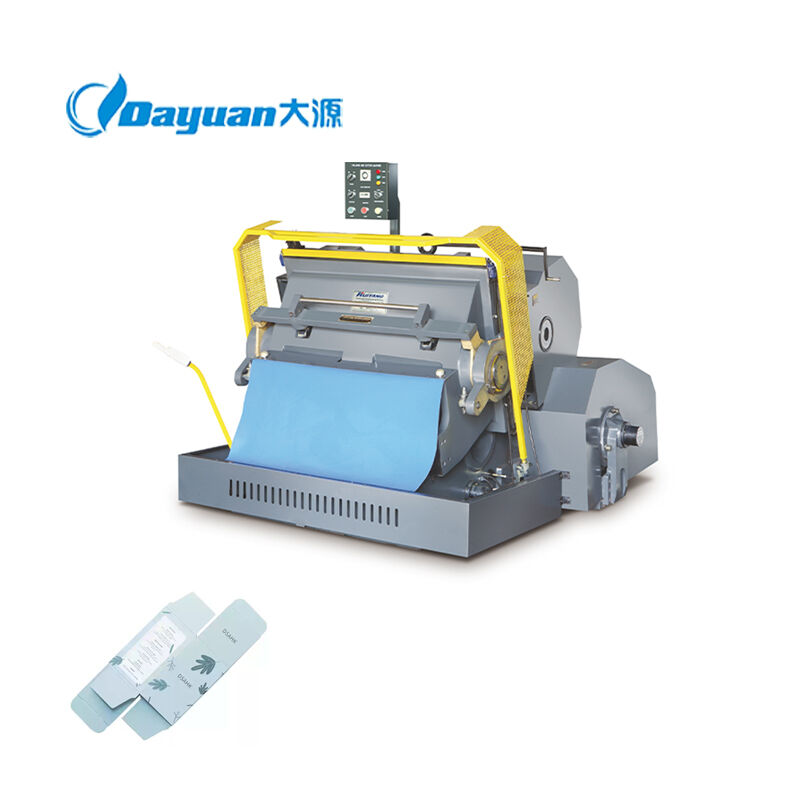
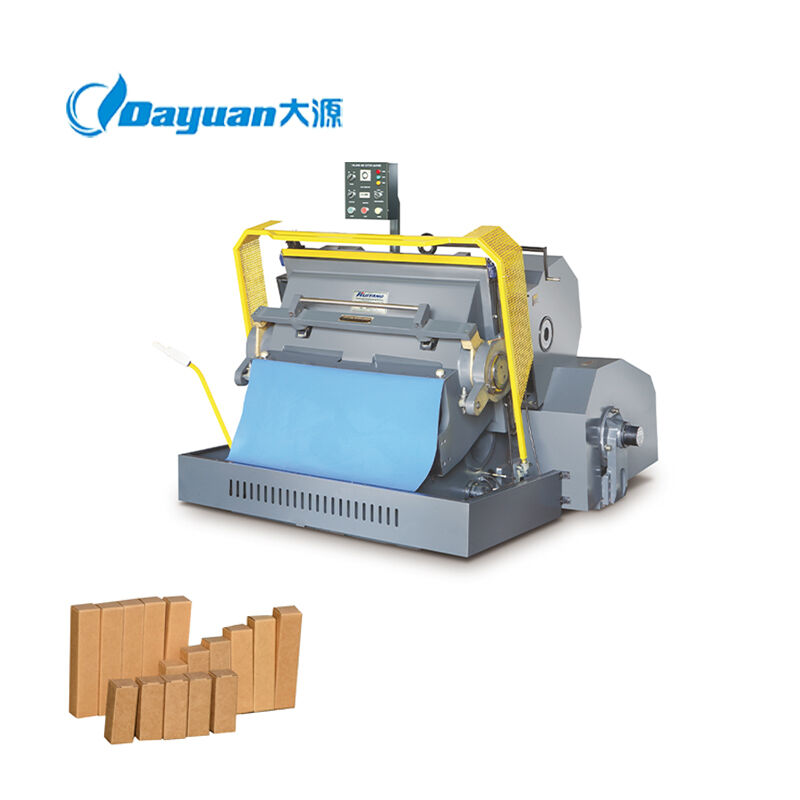
Professional Cutting and Creasing Machine - Precision Packaging Equipment for Enhanced Production Efficiency

+86-577-58918888
All Categories

cutting and creasing machine

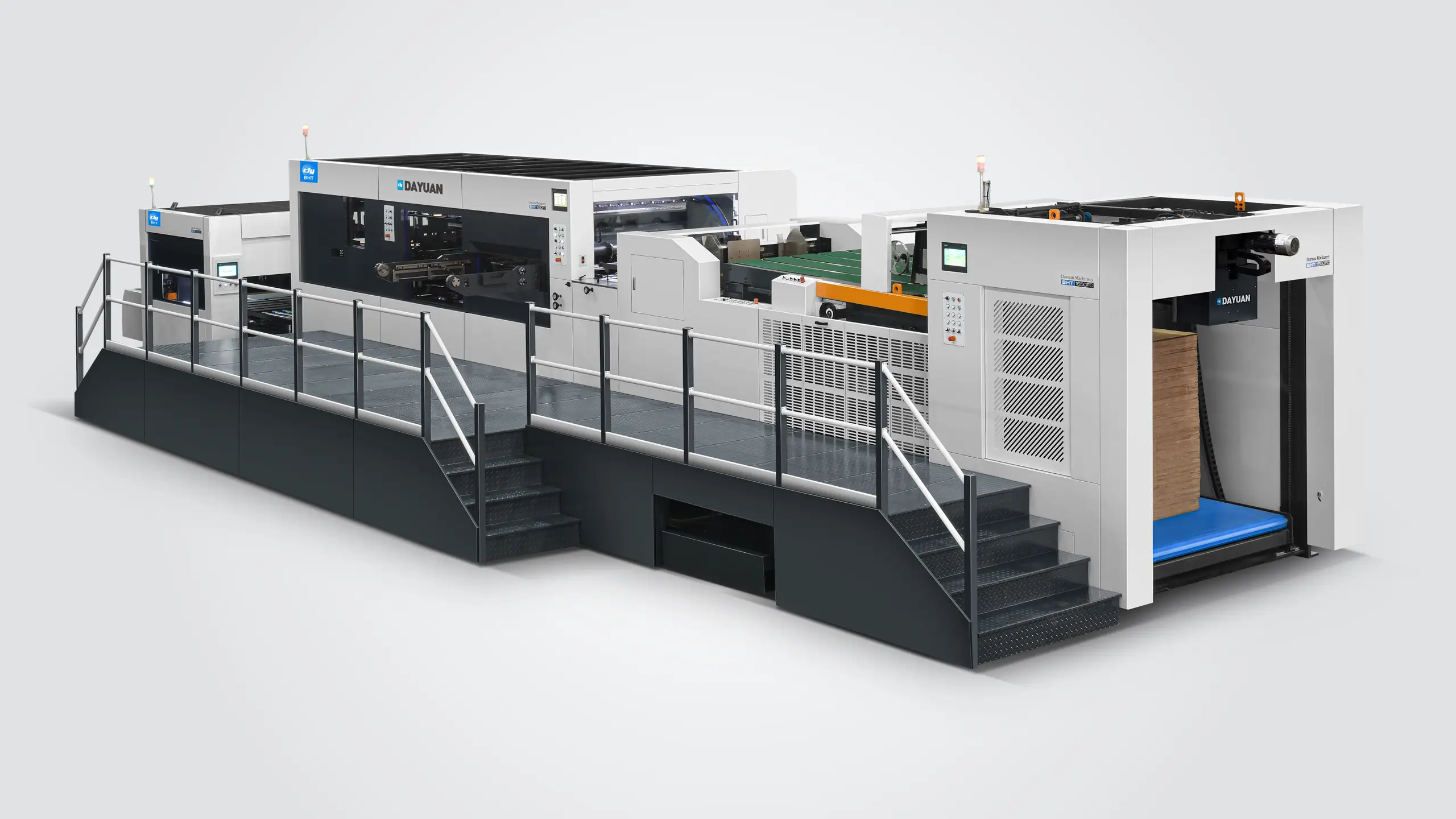
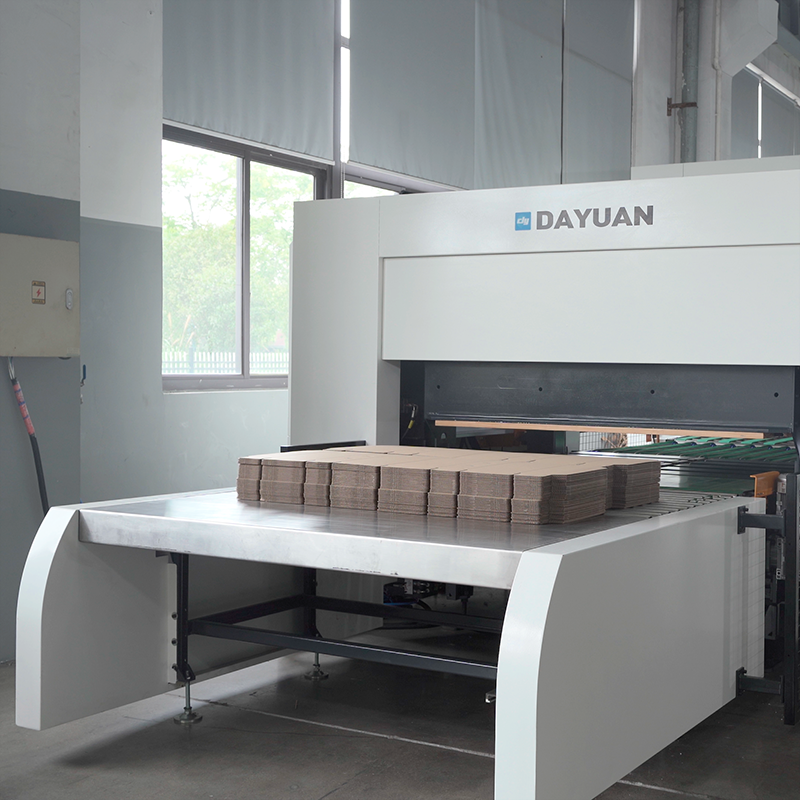
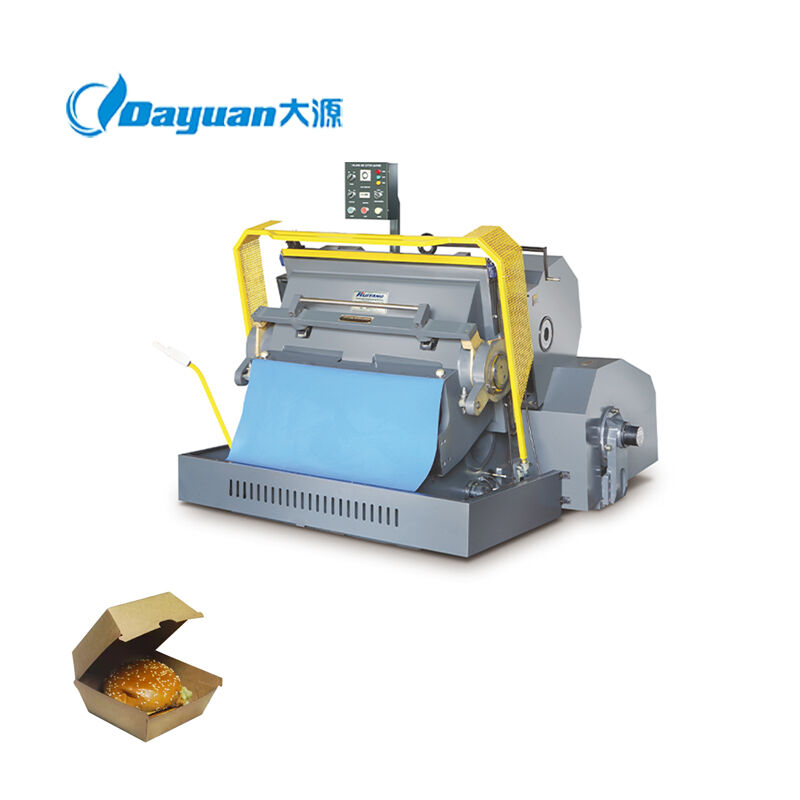
The cutting and creasing machine represents a transformative solution in the packaging and printing industry, designed to deliver precision, efficiency, and versatility in processing various materials. This sophisticated equipment combines two essential functions into one integrated system: cutting materials to exact specifications and creating crease lines that enable clean, professional folding. Modern cutting and creasing machines utilize advanced technology to handle diverse substrates including cardboard, corrugated board, paperboard, plastic sheets, and specialty materials with remarkable accuracy. The primary function of this equipment centers on converting flat sheets into finished products or准备-to-fold blanks for boxes, displays, folders, and packaging solutions. These machines employ sharp cutting dies and creasing tools that work in tandem to produce consistent results across production runs. The technological features of contemporary cutting and creasing machines include computerized controls, automated feeding systems, precision registration mechanisms, and quick-change tooling capabilities. Many models incorporate servo-driven technology for enhanced accuracy and repeatability, while digital interfaces allow operators to program complex patterns and store job specifications for future use. The application spectrum for cutting and creasing machines spans multiple industries including commercial printing, packaging manufacturing, point-of-purchase display production, bookbinding, and specialty product fabrication. These machines prove invaluable for businesses producing folding cartons, corrugated boxes, greeting cards, presentation folders, retail packaging, and custom die-cut products. The versatility of cutting and creasing machines enables manufacturers to handle short-run custom jobs as efficiently as long production runs, making them suitable for both small businesses and large-scale operations. The integration of cutting and creasing functions eliminates the need for separate processing steps, streamlining workflows and reducing material handling. This consolidation not only saves valuable floor space but also minimizes the risk of misalignment between cutting and creasing operations, ensuring superior finished product quality that meets exacting customer specifications.

Popular Products

Investing in a cutting and creasing machine delivers substantial practical benefits that directly impact your bottom line and operational capabilities. First and foremost, these machines dramatically increase production speed compared to manual methods or separate processing equipment. What might take hours using traditional techniques can be accomplished in minutes, allowing your business to fulfill orders faster and accept more projects without expanding your workforce. The precision offered by cutting and creasing machines eliminates the waste associated with human error and inconsistent results. Every piece emerges with identical dimensions and crease placements, reducing material costs and ensuring that your customers receive flawless products every time. This consistency builds your reputation for quality and reduces costly remakes or customer complaints. The versatility of modern cutting and creasing machines means you can handle an impressive variety of materials and thicknesses without needing multiple specialized tools. This flexibility enables you to diversify your product offerings and serve different market segments with a single equipment investment. You can easily switch between projects involving thin paper, medium-weight cardstock, and heavy corrugated materials, opening new revenue streams for your business. Labor cost reduction represents another significant advantage, as these machines require minimal operator intervention once programmed and set up. One person can manage production that previously required multiple workers, allowing you to reallocate human resources to higher-value tasks like customer service, design work, or business development. The automated features reduce physical strain on workers, creating a safer workplace while maintaining high output levels. Cutting and creasing machines also provide remarkable space efficiency by combining multiple functions in one compact footprint. This consolidation proves especially valuable for businesses operating in leased facilities where floor space carries a premium cost. The quick changeover capabilities of modern machines minimize downtime between different jobs, maximizing productive hours and equipment utilization rates. Many cutting and creasing machines feature intuitive controls that shorten training time for new operators, reducing the learning curve and getting new employees productive quickly. The digital job memory functions allow you to save settings for repeat customers, making reorders simple and ensuring perfect consistency across multiple production runs. Environmental benefits should not be overlooked, as the precision of cutting and creasing machines minimizes scrap and reduces energy consumption compared to running multiple separate machines. The improved efficiency translates to lower operational costs and a smaller carbon footprint, appealing to environmentally conscious customers and helping your business meet sustainability goals while improving profitability.

Practical Tips

How to Choose a Flatbed Die Cutter for Thick Materials

13

Mar

How to Choose a Flatbed Die Cutter for Thick Materials

Understanding Industrial Die Cutting Excellence The world of industrial die cutting has evolved significantly, with flatbed die cutters emerging as essential tools for businesses handling thick materials. These robust machines combine precision, powe...
View More
How to Maintain the Blade and Calibration of Your Paper Cutter Machine for Safe Operation?

22

Jan

How to Maintain the Blade and Calibration of Your Paper Cutter Machine for Safe Operation?

Maintaining your paper cutter machine is essential for ensuring consistent performance, operator safety, and product longevity. Regular maintenance of both the cutting blade and calibration system prevents costly repairs while maximizing productivity...
View More
How Does a 98,000㎡ Manufacturing Facility Ensure the Reliability of Paper Cutter Machines?

18

Mar

How Does a 98,000㎡ Manufacturing Facility Ensure the Reliability of Paper Cutter Machines?

Manufacturing excellence in the paper processing industry requires precise equipment and rigorous quality control measures. Large-scale production facilities spanning 98,000 square meters face unique challenges when ensuring the reliability of paper ...
View More
Why Should Your Paper Die Cutting Machine Be Part of an Intelligent Production Line for Smart Manufacturing?

02

Apr

Why Should Your Paper Die Cutting Machine Be Part of an Intelligent Production Line for Smart Manufacturing?

Modern manufacturing demands more than isolated equipment operating independently. The question of why your paper die cutting machine should integrate into an intelligent production line reflects a fundamental shift toward smart manufacturing paradig...
View More

Get a Free Quote

Our representative will contact you soon.
Email
Name
Company Name
Required Product
Message
0/1000

cutting and creasing machine

Advanced Precision Technology for Flawless Results

Advanced Precision Technology for Flawless Results

The cutting and creasing machine incorporates state-of-the-art precision technology that sets new standards for accuracy and consistency in material processing. At the heart of this capability lies sophisticated servo-driven systems that control every movement with microscopic precision, ensuring that each cut and crease falls exactly where intended, even across thousands of repeated cycles. This level of accuracy proves essential for applications where even minor deviations can render products unusable or cause assembly problems down the production line. The machine employs high-resolution optical registration systems that detect printed marks or material edges, automatically adjusting positioning to compensate for any substrate variations or feeding inconsistencies. This intelligent compensation eliminates the alignment problems that plague manual operations and older equipment designs. The precision extends to pressure control, with advanced sensors monitoring and adjusting the force applied during both cutting and creasing operations. This dynamic pressure management ensures clean cuts through varying material densities while creating crease lines at optimal depths that facilitate easy folding without cracking or tearing the substrate. The cutting and creasing machine features hardened steel components manufactured to exacting tolerances, providing the rigid foundation necessary for maintaining accuracy over extended production runs and years of service. Digital controls allow operators to input specifications down to fractions of a millimeter, with the machine faithfully reproducing these measurements across entire production batches. The precision technology incorporated into cutting and creasing machines delivers tangible benefits that customers immediately recognize in their finished products. Packaging boxes fit together perfectly without gaps or misaligned panels, presentation folders close smoothly with crisp edges, and display materials assemble quickly without frustrating alignment struggles. This reliability reduces assembly time for your customers, decreases their labor costs, and enhances the professional appearance of their final products. The consistency achieved through precision technology also minimizes quality control requirements, as operators can confidently run production knowing that each piece will meet specifications without constant measurement and inspection. For businesses serving demanding industries like pharmaceuticals, electronics, or luxury goods where packaging quality reflects on brand image, the precision of a cutting and creasing machine provides the competitive advantage needed to win and retain premium accounts.
Exceptional Versatility Across Materials and Applications

Exceptional Versatility Across Materials and Applications

The remarkable versatility built into modern cutting and creasing machines empowers businesses to tackle an extraordinarily diverse range of projects with a single equipment investment. This adaptability stems from carefully engineered design features that accommodate varying material properties, thicknesses, and processing requirements without compromising performance quality. The cutting and creasing machine handles materials ranging from delicate tissue papers weighing mere grams per square meter to robust triple-wall corrugated board measuring several millimeters thick, adjusting its operation parameters automatically or through simple operator input. This broad capability spectrum eliminates the need to maintain multiple specialized machines or outsource certain jobs to facilities with different equipment, keeping more revenue in-house while shortening turnaround times. The machine processes not only traditional paper and cardboard products but also synthetic materials including plastics, rubber, foam board, magnetic sheeting, and composite materials that increasingly appear in modern packaging and display applications. Quick-change tooling systems allow operators to swap between different cutting dies and creasing tools in minutes rather than hours, minimizing setup time and making short-run custom jobs economically viable. This flexibility proves especially valuable in today's market where customers increasingly demand personalized packaging and limited-edition designs rather than massive standardized production runs. The cutting and creasing machine adapts equally well to various industry applications, serving commercial printers producing marketing materials, packaging manufacturers creating retail boxes, sign shops fabricating display components, and bookbinders crafting premium presentation materials. Within the packaging sector alone, the machine produces folding cartons for consumer products, corrugated shipping containers, point-of-purchase displays, protective inserts, and specialized packaging for irregularly shaped items. The versatility extends to decorative and functional features, as cutting and creasing machines can create intricate die-cut windows, perforation lines for easy opening, hanging holes for retail display, and complex folding patterns that transform flat sheets into three-dimensional structures. This creative freedom enables designers to develop innovative packaging solutions that differentiate products on crowded retail shelves and create memorable unboxing experiences that consumers share on social media. For businesses looking to grow and diversify, a cutting and creasing machine provides the foundation to enter new markets and offer expanded services without major additional capital investment, making it a strategic asset that supports long-term business development while delivering immediate operational improvements that enhance competitiveness in existing market segments.

Streamlined Workflow Integration and Operational Efficiency

Streamlined Workflow Integration and Operational Efficiency

The cutting and creasing machine excels at integrating seamlessly into existing production workflows while dramatically enhancing overall operational efficiency through intelligent design and thoughtful feature implementation. Modern machines incorporate automated feeding systems that continuously draw material from supply stacks, eliminating the need for operators to manually position each sheet and enabling unattended operation during significant portions of the production cycle. This automation allows skilled personnel to focus on quality oversight, job setup, and other value-adding activities rather than repetitive manual feeding tasks. The machine features sophisticated stacking and delivery systems that organize finished pieces for easy handling and transportation to subsequent processing stages or shipping areas, maintaining production flow and reducing the physical labor associated with material handling. Integration capabilities extend to digital connectivity, with many cutting and creasing machines accepting job files directly from design software, eliminating transcription errors and accelerating the transition from concept to finished product. This digital workflow integration proves particularly valuable when collaborating with customers who provide electronic specifications, as files can move directly into production without manual programming or setup interpretation. The operational efficiency delivered by cutting and creasing machines manifests in multiple dimensions that collectively transform business performance. Energy efficiency represents one crucial aspect, as modern machines incorporate power-saving features like automatic sleep modes during idle periods and optimized motor controls that draw only the electricity necessary for each specific operation. This conscientious energy management reduces utility costs while supporting corporate sustainability initiatives and environmental responsibility commitments. Maintenance requirements have been minimized through robust construction and self-monitoring diagnostic systems that alert operators to potential issues before they cause breakdowns, maximizing uptime and preventing costly production interruptions. The cutting and creasing machine employs modular component designs that simplify repairs when service becomes necessary, with easily accessible parts that technicians can replace quickly to restore operation. Comprehensive operator interfaces provide real-time production monitoring, displaying metrics like pieces completed, current speed, material consumption, and estimated job completion time. This transparency enables precise scheduling and helps management make informed decisions about resource allocation and customer commitments. The machine stores detailed job histories that support quality tracking, process improvement initiatives, and accurate cost accounting for individual projects. Training resources built into the control system guide operators through setup procedures and troubleshooting steps, reducing dependence on external technical support and accelerating skill development for new team members. The cumulative effect of these efficiency-focused features positions the cutting and creasing machine as a centerpiece of modern production operations, delivering returns on investment through reduced labor costs, minimized waste, increased throughput, and enhanced capability to meet demanding delivery schedules that win customer loyalty and generate repeat business opportunities.

Get a Free Quote

Our representative will contact you soon.
Email
Name
Company Name
Required Product
Message
0/1000