Professional Creasing and Cutting Machine Solutions - Precision Equipment for Packaging and Printing Industries

+86-577-58918888
All Categories

creasing and cutting machine

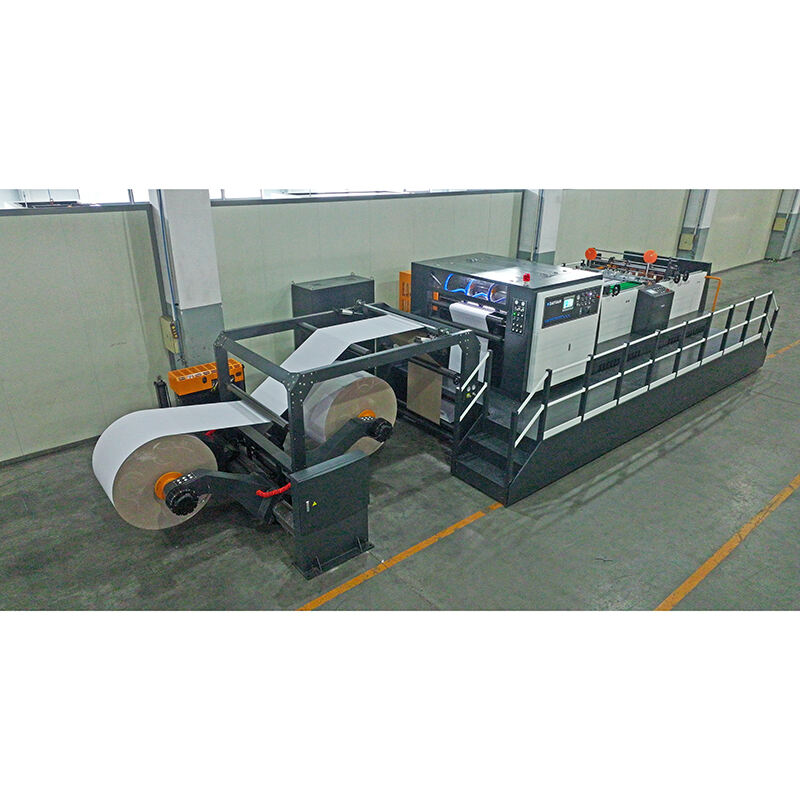
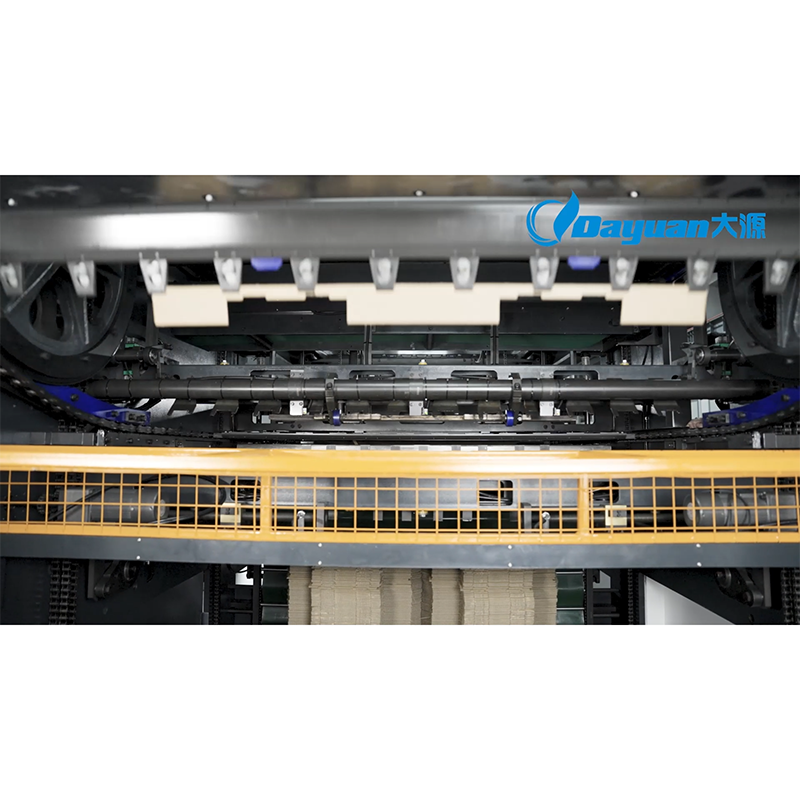
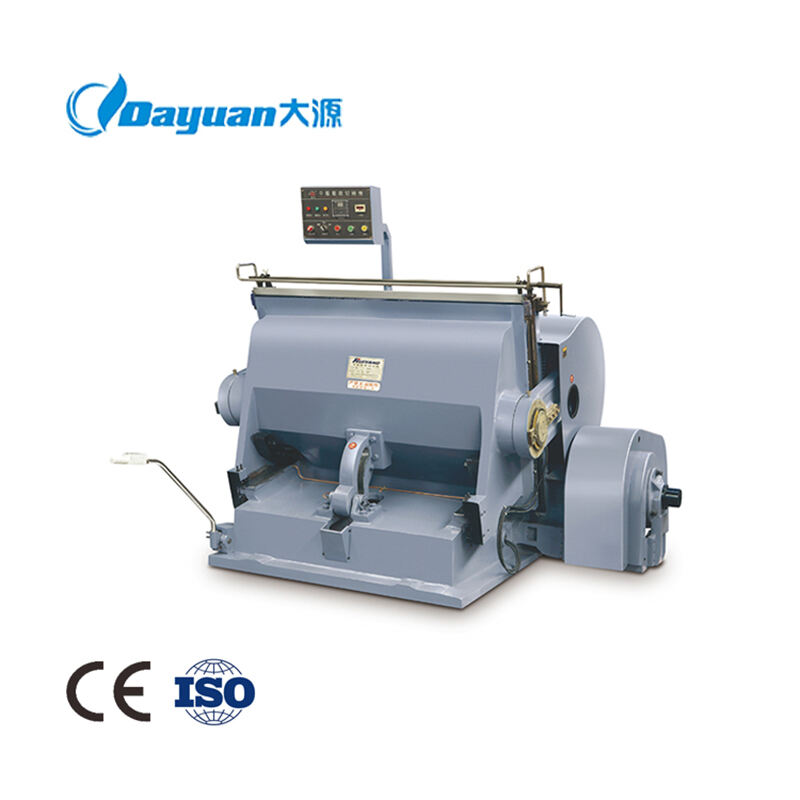
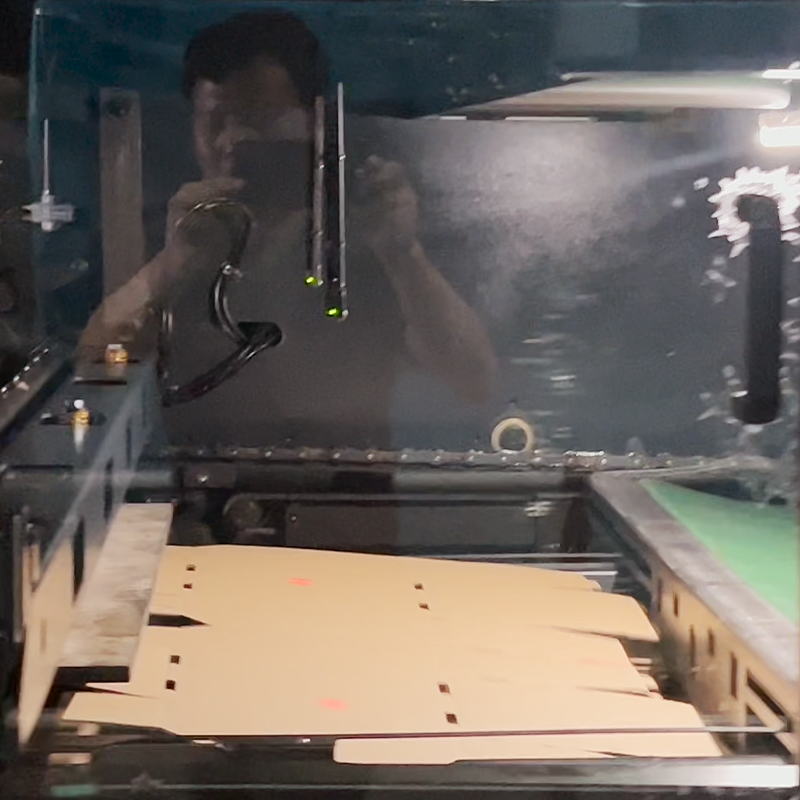
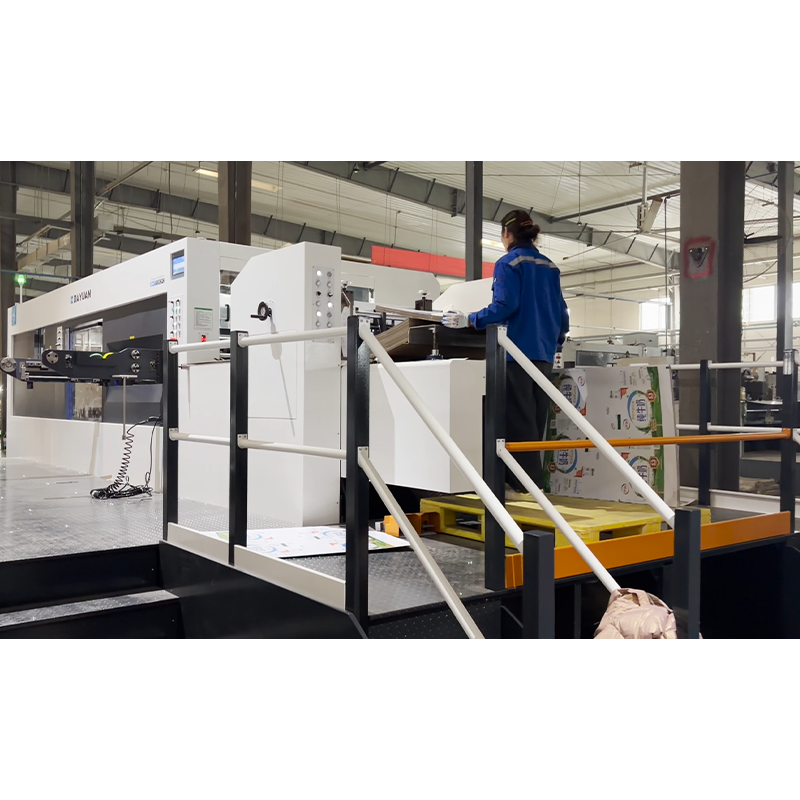
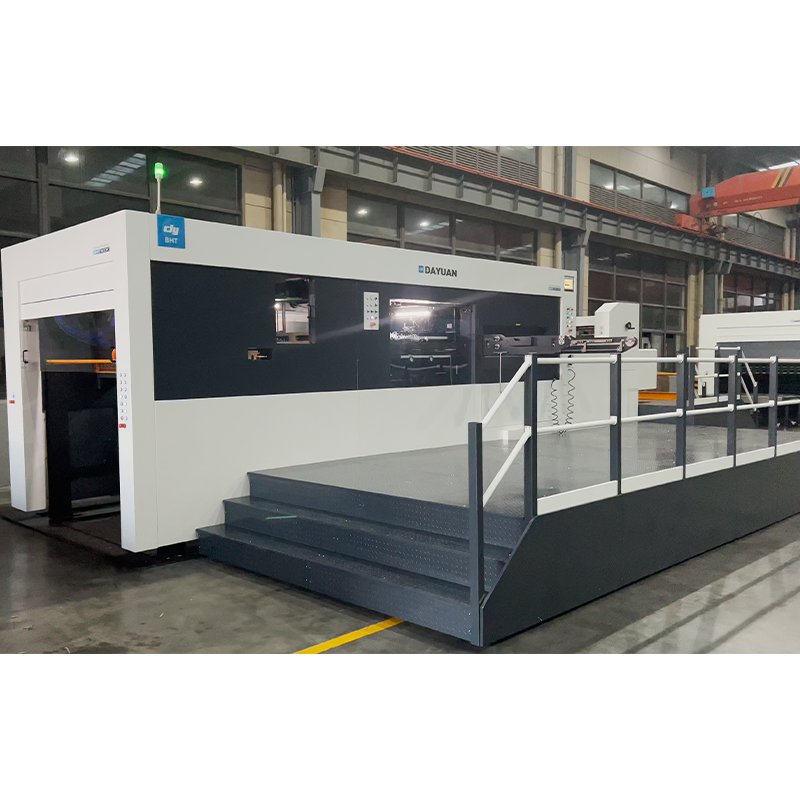
The creasing and cutting machine represents a transformative piece of equipment in modern manufacturing and packaging industries, designed to streamline production processes while delivering precision and efficiency. This sophisticated apparatus combines two essential operations into a single automated system: creating precise fold lines through creasing and executing clean cuts through various materials. At its core, the creasing and cutting machine serves businesses that require high-volume processing of paperboard, corrugated cardboard, leather, textiles, and similar materials. The primary function revolves around preparing materials for packaging, display boxes, folders, book covers, and countless other products that demand exact dimensions and professional finishing. Technologically, these machines incorporate advanced servo motor systems that ensure consistent pressure application during the creasing process, preventing material damage while establishing sharp, clean fold lines. The cutting mechanism typically employs hardened steel blades or rotary cutters that maintain sharpness over extended production runs, reducing downtime for blade replacement. Modern creasing and cutting machines feature computerized control panels with intuitive interfaces, allowing operators to program complex patterns, adjust cutting depths, modify creasing pressure, and save job specifications for repeat orders. Many contemporary models include automatic feeding systems that handle material loading without manual intervention, significantly accelerating throughput rates. The application spectrum spans numerous industries including commercial printing, packaging manufacturing, book binding, automotive interior production, and craft businesses. Print shops utilize these machines to finish brochures and presentation folders, while packaging companies rely on them to produce custom boxes and cartons. The versatility of the creasing and cutting machine extends to handling materials of varying thicknesses, from delicate paper stocks to heavy-duty corrugated boards, making it an indispensable asset for businesses seeking to expand their service offerings and operational capabilities.

Popular Products

Investing in a creasing and cutting machine delivers substantial practical benefits that directly impact your bottom line and operational efficiency. First and foremost, this equipment dramatically reduces production time by eliminating the need for separate creasing and cutting processes. Traditional workflows require moving materials between different stations or machines, consuming valuable time and increasing the risk of misalignment or damage. With an integrated system, you complete both operations in one pass, potentially doubling your production speed and allowing you to fulfill more orders within the same timeframe. Labor cost savings represent another significant advantage, as automation reduces the number of employees needed to complete projects. One skilled operator can manage the entire process, from loading materials to collecting finished products, freeing up team members for other value-adding activities. The precision offered by these machines eliminates costly waste associated with human error. Manual cutting and creasing often result in inconsistent results, requiring additional material to compensate for mistakes. Automated systems deliver repeatable accuracy within fractions of a millimeter, ensuring every piece meets specifications and minimizing material waste. This consistency proves particularly valuable when working with expensive substrates or fulfilling large orders where even small error rates translate to significant financial losses. Quality improvements extend beyond mere accuracy to include cleaner cuts and sharper creases that enhance the professional appearance of finished products. Clients immediately notice the difference between hand-finished and machine-finished items, giving you a competitive edge in quality-conscious markets. The versatility of modern creasing and cutting machines enables businesses to accept diverse projects without investing in multiple specialized tools. From lightweight paper to thick cardboard, from simple straight cuts to complex die-cut patterns, a single machine handles varied requirements, expanding your service portfolio and attracting a broader client base. Maintenance requirements remain minimal compared to maintaining multiple separate machines, as you only need to service one system rather than coordinating upkeep for different pieces of equipment. Energy efficiency has improved significantly in recent models, with manufacturers incorporating power-saving features that reduce electricity consumption during idle periods and optimize energy use during operation. The compact footprint of integrated creasing and cutting machines saves valuable floor space in your facility, particularly important for businesses operating in urban locations where real estate costs remain high. Training new operators becomes straightforward thanks to user-friendly interfaces and programmable settings that store job specifications, reducing the learning curve and enabling quick onboarding of additional staff during busy periods.

Latest News

Why Is a Globally Experienced Supplier Important for Sourcing Reliable Paper Die Cutting Machines?

10

Feb

Why Is a Globally Experienced Supplier Important for Sourcing Reliable Paper Die Cutting Machines?

The manufacturing industry increasingly relies on precision equipment to maintain competitive advantages in global markets. When sourcing paper die cutting machines, businesses face critical decisions that can impact their operational efficiency, pro...
View More
What Safety Features Should You Look for in Modern Paper Cutter Machines for Industrial Use?

18

Mar

What Safety Features Should You Look for in Modern Paper Cutter Machines for Industrial Use?

Industrial paper cutter machines represent a critical component in manufacturing, printing, and packaging operations worldwide. These sophisticated devices must balance precision, efficiency, and operator safety to meet the demanding requirements of ...
View More
What Regular Maintenance Keeps Your Paper Die Cutting Machine’s Creasing and Cutting Tools in Top Shape?

02

Apr

What Regular Maintenance Keeps Your Paper Die Cutting Machine’s Creasing and Cutting Tools in Top Shape?

Maintaining optimal performance in your paper die cutting machine requires systematic attention to the creasing and cutting tools that form the heart of your production operation. These precision components endure tremendous stress during high-volume...
View More
How Do You Select the Right Paper Die Cutting Machine for Folding Cartons vs. Corrugated Board?

02

Apr

How Do You Select the Right Paper Die Cutting Machine for Folding Cartons vs. Corrugated Board?

Selecting the right paper die cutting machine for different packaging applications requires understanding the fundamental differences between folding carton and corrugated board production requirements. The choice between these substrate types direct...
View More

Get a Free Quote

Our representative will contact you soon.
Email
Name
Company Name
Required Product
Message
0/1000

creasing and cutting machine

Advanced Automation That Transforms Production Efficiency

Advanced Automation That Transforms Production Efficiency

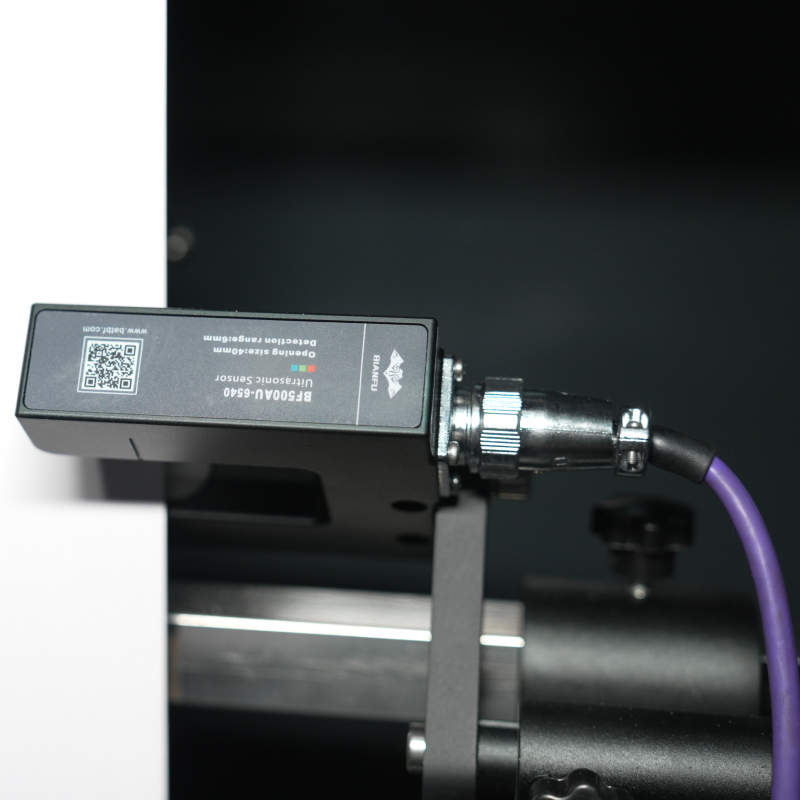
The automation capabilities built into modern creasing and cutting machines fundamentally change how businesses approach production scheduling and workflow management. These sophisticated systems incorporate programmable logic controllers that store unlimited job profiles, allowing operators to recall exact specifications for repeat clients with a single button press. This feature eliminates setup time for returning projects, enabling immediate production starts that keep workflows moving smoothly throughout the day. The automatic feeding mechanism represents a breakthrough in hands-free operation, continuously drawing material from stacks or rolls without operator intervention. This continuous feed system maintains consistent production speeds and eliminates bottlenecks associated with manual loading, particularly beneficial during long runs where stopping to reload materials would otherwise interrupt momentum. Sensors embedded throughout the machine monitor material position, alignment, and feed speed, making real-time micro-adjustments that humans cannot replicate. These sensors detect misfeeds before they occur, automatically correcting minor deviations and alerting operators only when genuine intervention becomes necessary. The result is unattended operation for extended periods, allowing skilled workers to focus on quality control, job setup for upcoming projects, or other tasks requiring human judgment. Advanced safety features work seamlessly with automation systems, incorporating light curtains, emergency stop mechanisms, and interlock systems that prevent operation when guards are open. These protections ensure employee safety without compromising production speed, meeting stringent workplace safety regulations while maintaining efficiency. The machine learning capabilities found in premium models analyze production data over time, identifying patterns that indicate optimal settings for different material types and thicknesses. This intelligent optimization continuously improves performance, gradually reducing cycle times and enhancing output quality as the system gains experience with your specific materials and products. Remote monitoring and diagnostics enable technicians to assess machine performance from off-site locations, troubleshooting issues through network connections and often resolving problems without dispatch visits. This connectivity reduces downtime and maintenance costs while providing valuable production data that helps management make informed decisions about capacity planning and equipment utilization.

Exceptional Versatility Across Materials and Applications

Exceptional Versatility Across Materials and Applications

The remarkable versatility of the creasing and cutting machine positions it as a central production hub capable of handling an extensive range of materials and project types that would otherwise require multiple specialized machines. Material compatibility extends from tissue-thin papers weighing just 80 grams per square meter to heavy corrugated boards exceeding 2000 GSM, accomplished through adjustable pressure systems and interchangeable tooling. This broad capability range means businesses can accept virtually any project within these parameters without turning away potential revenue or outsourcing work to competitors. The machine handles coated and uncoated stocks with equal proficiency, automatically adjusting blade angles and creasing pressures to accommodate surface treatments that might cause inferior equipment to tear or damage materials. Specialty substrates including synthetic papers, laminated sheets, foam boards, and even thin plastics fall within the processing capabilities of advanced models, opening doors to niche markets that command premium pricing. Pattern complexity poses no limitation, with computer-controlled systems executing intricate designs featuring multiple creases at varying angles, curved cuts, perforations, and kiss-cuts that leave backing materials intact. This flexibility proves essential for packaging designers who create innovative folding structures that differentiate products on crowded retail shelves. Quick-change tooling systems allow operators to switch between job setups in minutes rather than hours, dramatically improving machine utilization rates and enabling profitable short-run production that traditional die-cutting methods render economically unfeasible. The ability to process different material widths without extensive adjustments accommodates both narrow labels and wide-format projects, maximizing the return on your equipment investment by serving diverse market segments. Registration accuracy remains consistent across the entire working area, ensuring perfect alignment between printing and finishing whether working with business card dimensions or full poster sizes. This precision extends to multi-up layouts where the creasing and cutting machine simultaneously processes dozens of smaller pieces arranged on larger sheets, maintaining exact spacing and positioning throughout the entire production run. Businesses serving multiple industries benefit immensely from this versatility, using the same equipment to produce packaging samples for consumer goods companies in the morning and automotive interior components in the afternoon, then switching to custom presentation folders for corporate clients before day's end.
Superior Precision That Elevates Product Quality

Superior Precision That Elevates Product Quality

The precision engineering incorporated into creasing and cutting machines delivers quality levels that distinguish your products in competitive markets and justify premium pricing strategies. Mechanical tolerances measured in hundredths of millimeters ensure that every crease falls exactly where designers intended, creating fold lines that align perfectly when materials are assembled into finished products. This exacting accuracy proves critical for packaging that must fit specific contents without gaps or overly tight dimensions that complicate filling operations. The consistency between the first piece and the ten-thousandth piece in a production run remains virtually identical, eliminating the quality degradation associated with operator fatigue or attention lapses in manual processes. Optical registration systems continuously monitor material position throughout processing, comparing actual locations against programmed specifications and making instantaneous corrections that keep tolerances within acceptable ranges. These systems detect even minute deviations caused by material inconsistencies or environmental factors like humidity changes, compensating automatically to maintain output quality regardless of external conditions. Blade technology has evolved significantly, with manufacturers now offering tungsten-carbide cutting edges that remain sharp through hundreds of thousands of cycles, delivering clean cuts without the ragged edges or compression marks that dull blades produce. The creasing mechanism applies precisely calibrated pressure that creates permanent fold lines without cracking coatings or breaking paper fibers, issues that plague both under-creasing and over-creasing scenarios. Adjustable depth controls allow operators to fine-tune cutting penetration for kiss-cutting applications where the blade must cut through face materials while leaving liner stocks intact, a demanding task requiring exceptional control. Registration to pre-printed materials achieves accuracy within plus-or-minus 0.3 millimeters, ensuring that cutting lines align perfectly with printed graphics and text, essential for labels, packaging, and promotional materials where misalignment creates an unprofessional appearance. Quality control becomes simpler and more reliable when machine precision eliminates variables, allowing inspectors to focus on material defects and printing issues rather than finishing accuracy. Customer satisfaction increases measurably when delivered products exhibit the tight tolerances and professional finishing that precision equipment provides, leading to repeat business and positive referrals that drive organic growth. The competitive advantage gained through superior precision manifests in your ability to bid confidently on projects with demanding specifications, knowing your equipment can reliably meet requirements that challenge or exceed competitors' capabilities.

Get a Free Quote

Our representative will contact you soon.
Email
Name
Company Name
Required Product
Message
0/1000