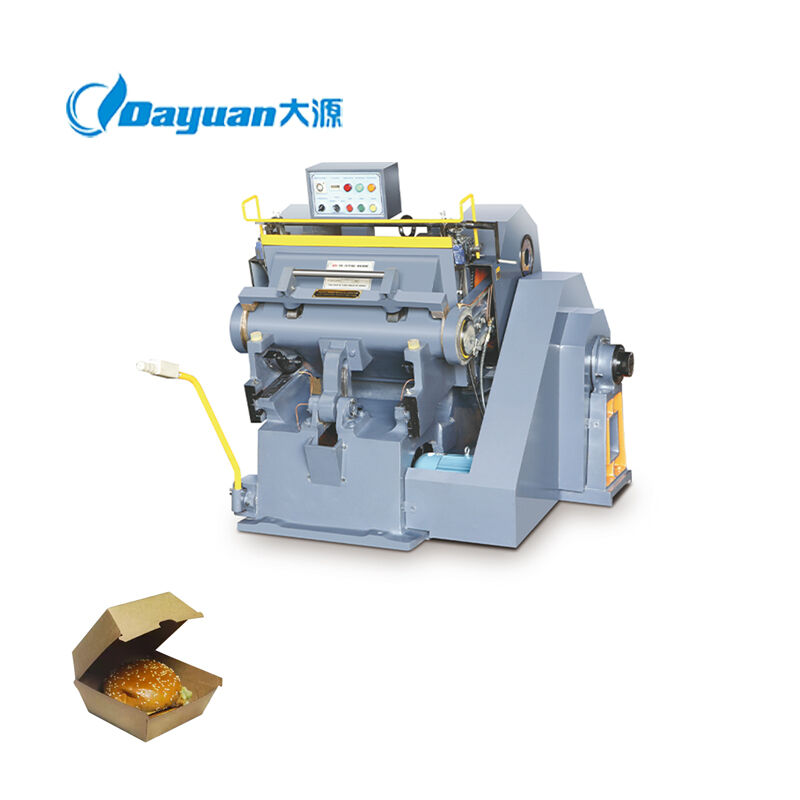
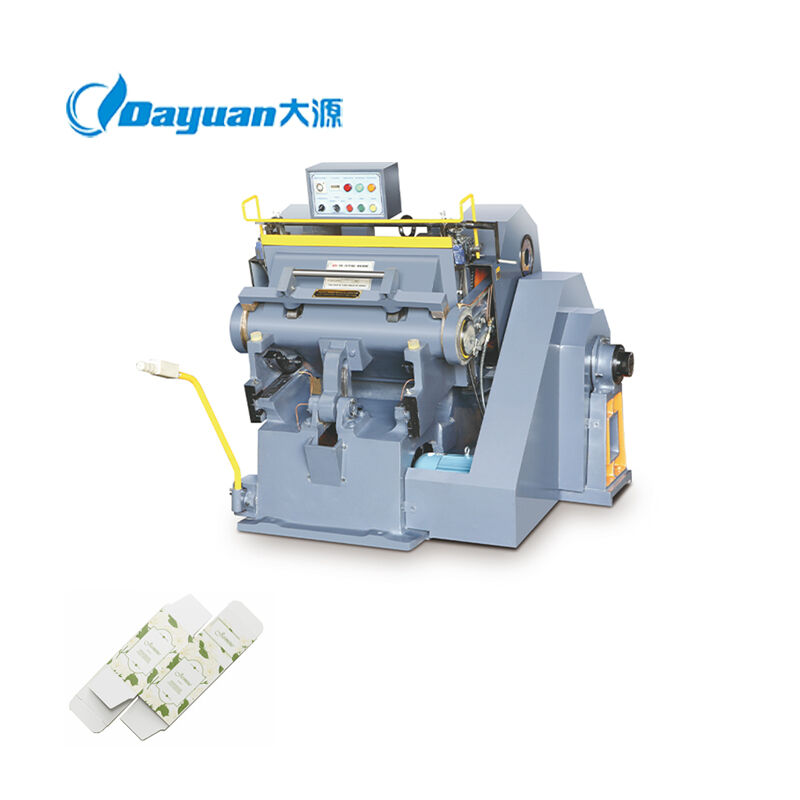
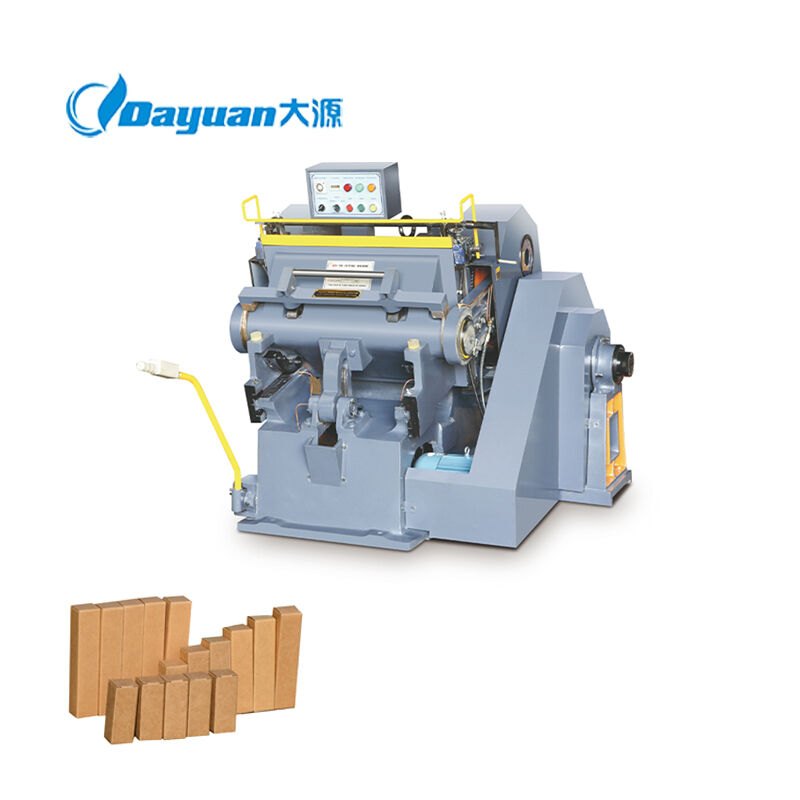
גיוון לא מתחרה בתחומים רבים ובקטגוריות יישום שונות
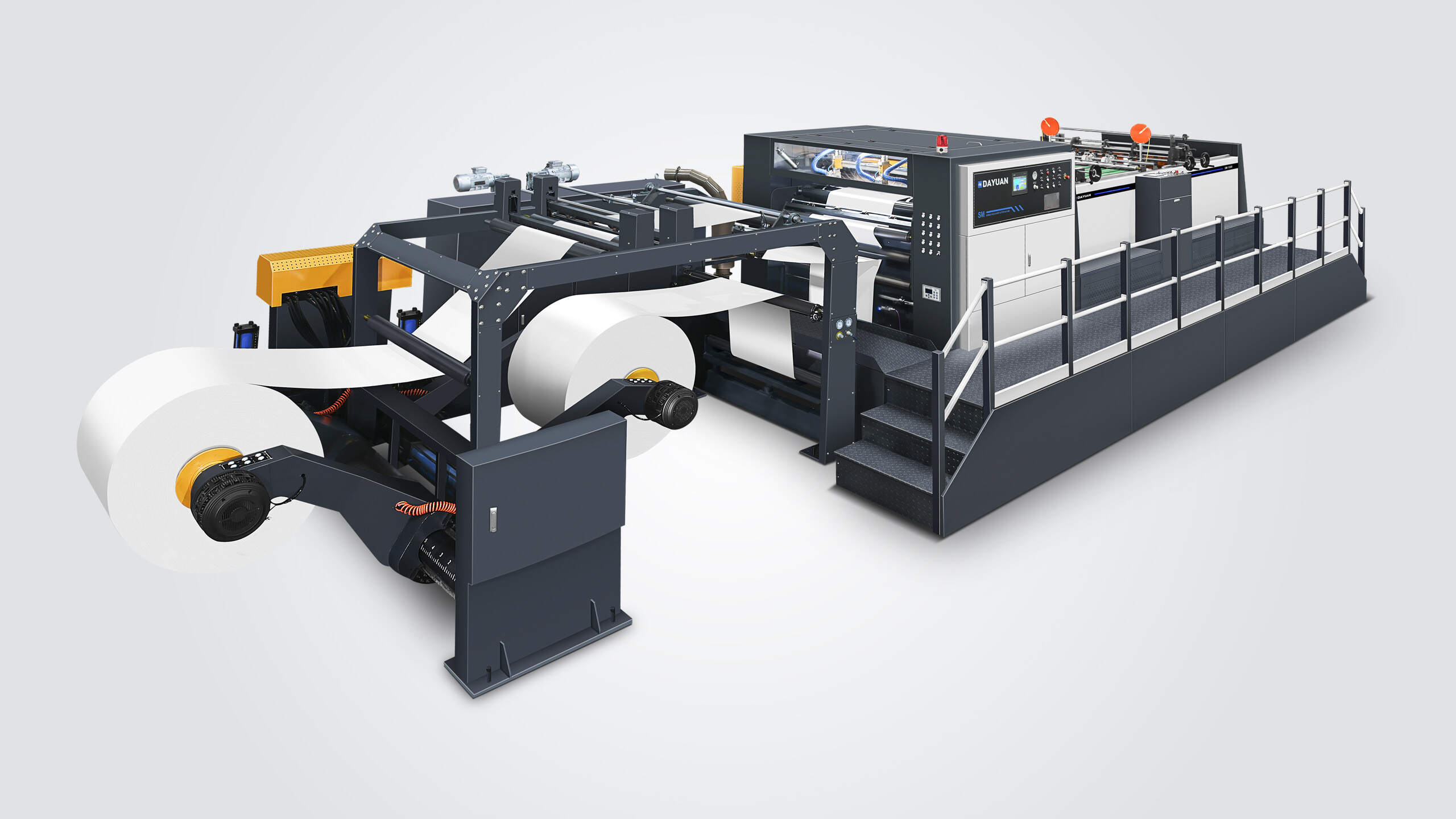
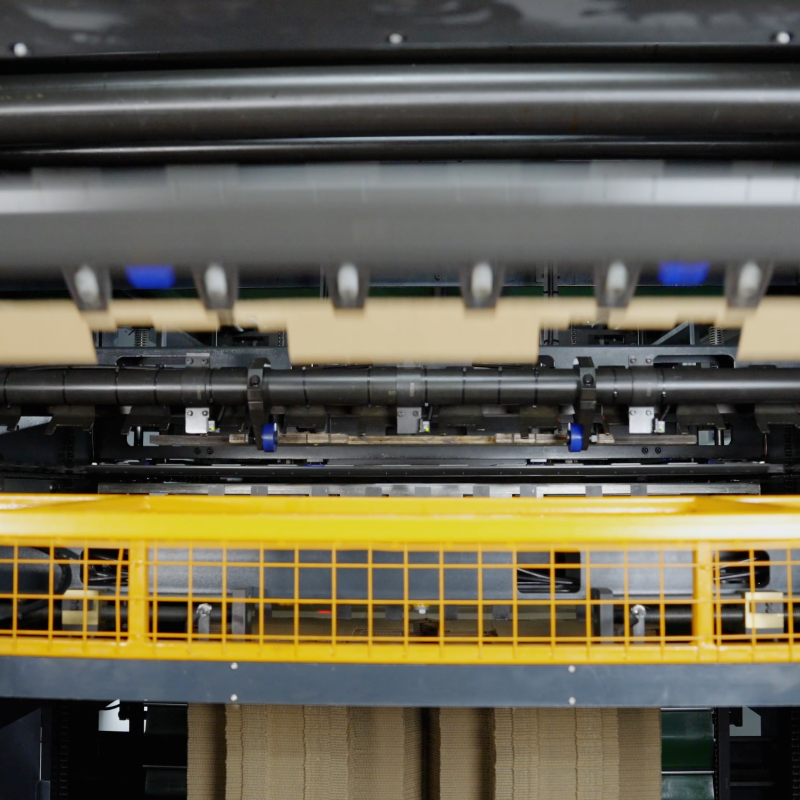
הגמישות החריגה של מכונת חיתוך וקיפוף משנה באופן מהותי את הדרך שבה עסקים מתמודדים עם אתגרי ייצור ואת אפשרויות השוק. בניגוד לציוד המסורתי המוגבל לחומרים או לעוביים מסוימים, מכונות חיתוך וקיפוף מודרניות מסוגלות להתמודד עם טווח רחב להפליא של חומרים ללא צורך בהגדרות מחדש נרחבות או השקעה כספית נוספת. מנייר טישיו עדין שמשקלו נמדד בגרמים למטר רבוע ועד ללוחות קרטון מקופל עבים במספר מילימטרים, מכונות אלו מכווננות אוטומטית את לחץ החיתוך, את עומק הלהב ואת מהירות העיבוד כדי להתאים את עצמם לאפיונים של החומר. גמישות זו מהווה ערך רב לעסקים שמשרתים שווקים מגוונים או חוקרים קטגוריות מוצרים חדשות. חברת אריזות יכולה לייצר בארוחת בוקר תיבות יוקרה למזון קוסמטי מקרטון מצופה, ולעבור אחר כך ליצירת אריזות משלוח כבדות מקרטון מקופל, תוך הנצלת מקסימלית של הציוד לאורך יום העבודה. אותה מכונת חיתוך וקיפוף יכולה לעבד חומרים סינתטיים כגון ויניל, פוליפרופילן ופילמים של פוליאסטר, המשמשים בדרך כלל בלוחות זיהוי עמידים וביישומים חוץ-חדריים. גם דפי מגנט, לוחות פוליאוריתן (פואם) וחומרי איטום נכללים ביכולות העיבוד של מערכות מתקדמות, מה שמאפשר לייצרנים להרחיב את היצע המוצרים שלהם מבלי לרכוש ציוד מיוחד לכל סוג חומר. פונקציית הקיפוף דורשת תשומת לב מיוחדת, מאחר שהקיפוף הנכון משפיע ישירות על הפונקציונליות והמראה של המוצר הסופי. מכונות חיתוך וקיפוף משתמשות בגלגלי קיפוף או בכלים מיוחדים שמדחסים את סיבי החומר לאורך קווי הקיפול המתוכננים, בלי לחתוך את החומר. עיוות מבוקר זה מחליש את החומר באופן אסטרטגי, ומבטיח קיפולים נקיים ששמורים על האינטגריות המבנית שלו, תוך יצירת קצוות חדים ומלאי מקצועיות. מנגנוני בקרה לעומק הקיפוף מכווננים את לחץ הקיפוף בהתאם לעובי החומר ול הרכבו, כדי למנוע קיפוף חלש מדי שגורם לקיפולים לא סדירים, או קיפוף חזק מדי שמערער את חוזק החומר. האיחוד של מספר סוגי כלים בתוך ראש אחד של המכונה מאפשר ביצוע פעולות חיתוך וקיפוף בו זמנית, מה שמקצר באופן דרמטי את זמן הייצור בהשוואה לשיטות עיבוד סדרתיות. ספריות כלים המאוחסנות בתוכנת המכונה בוחרות אוטומטית את הכלים המתאימים בהתאם לדרישות המשימה, ומבטלות את הצורך בשינוי ידני של כלים והשהות הכרוכה בכך. מערכת חכמה זו מזהה מתי הדגם דורש חיתוך סטנדרטי, חיתוך משטחי (kiss-cut) לתוויות, ניקוב לקטעים ניתנים לפרק, או סימון להנחיית הרכבה, ומיישמת את הכלי הנכון לכל פעולה באופן חלק. העסקים נהנים מגמישות זו באמצעות תחרותיות משופרת במכרזים על פרויקטים מגוונים, וכן היכולת לעמוד בבקשות מיוחדות של לקוחות שבעבר היו דורשות הפנייה לחוץ, מה שמשמר את שולי הרווח תוך חיזוק קשרי הלקוחות בזכות יכולות שירות מקיפות.
 EN
EN