Automated Feed System for Enhanced Production Speed and Consistency
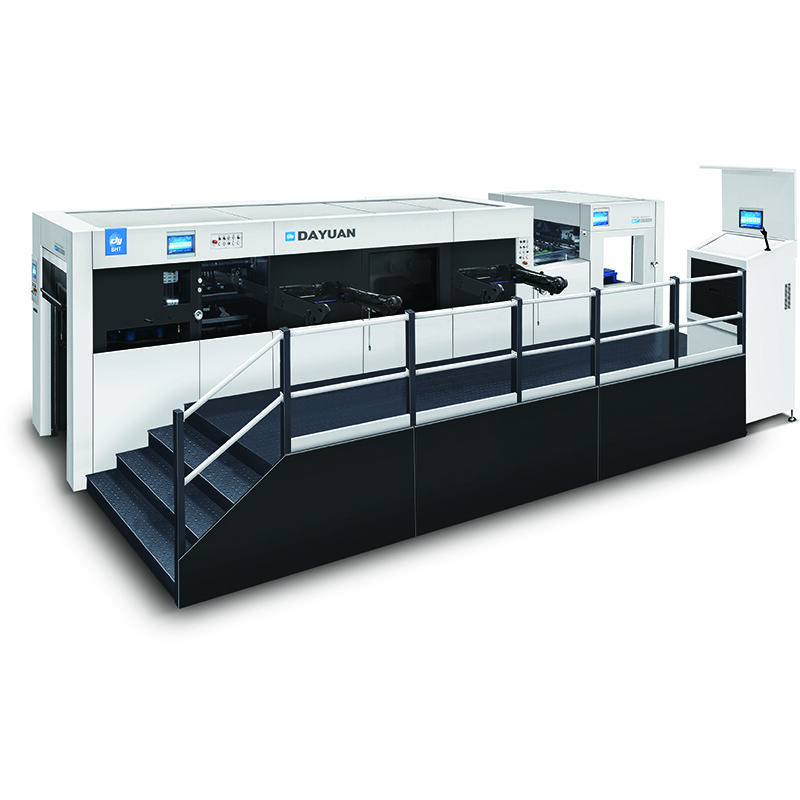
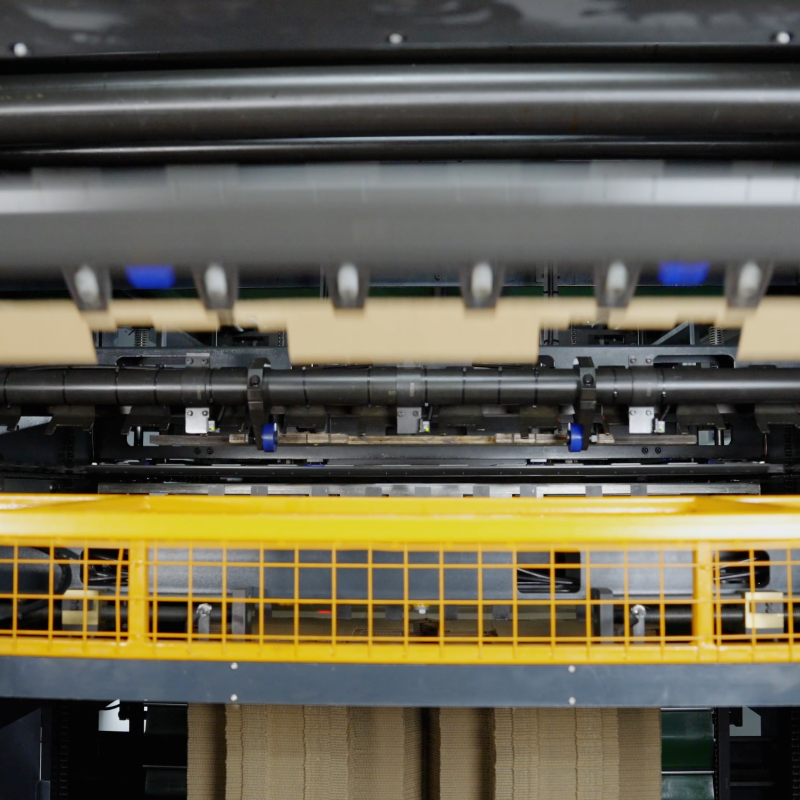
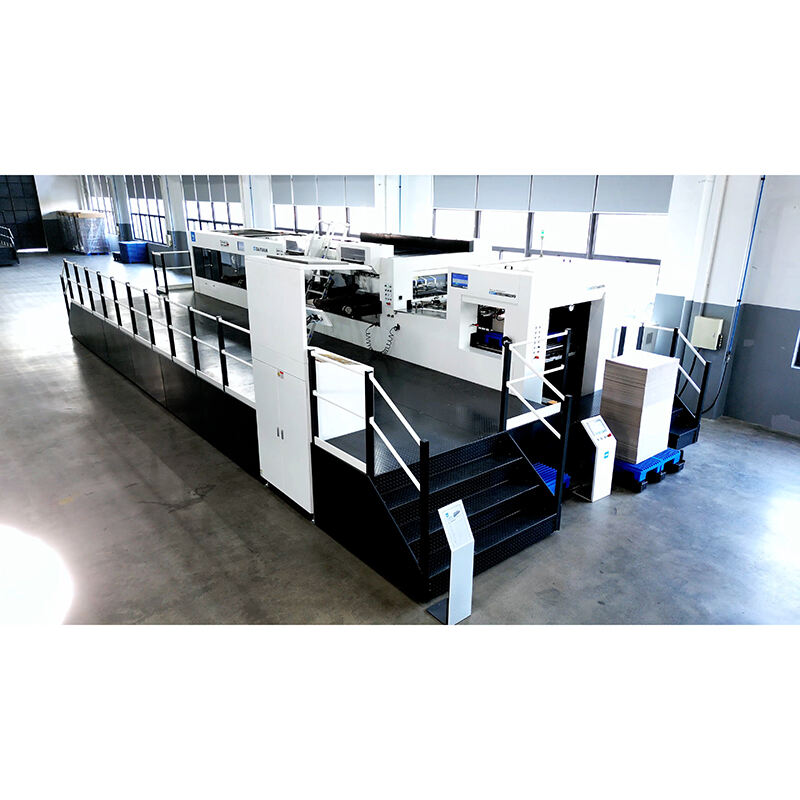
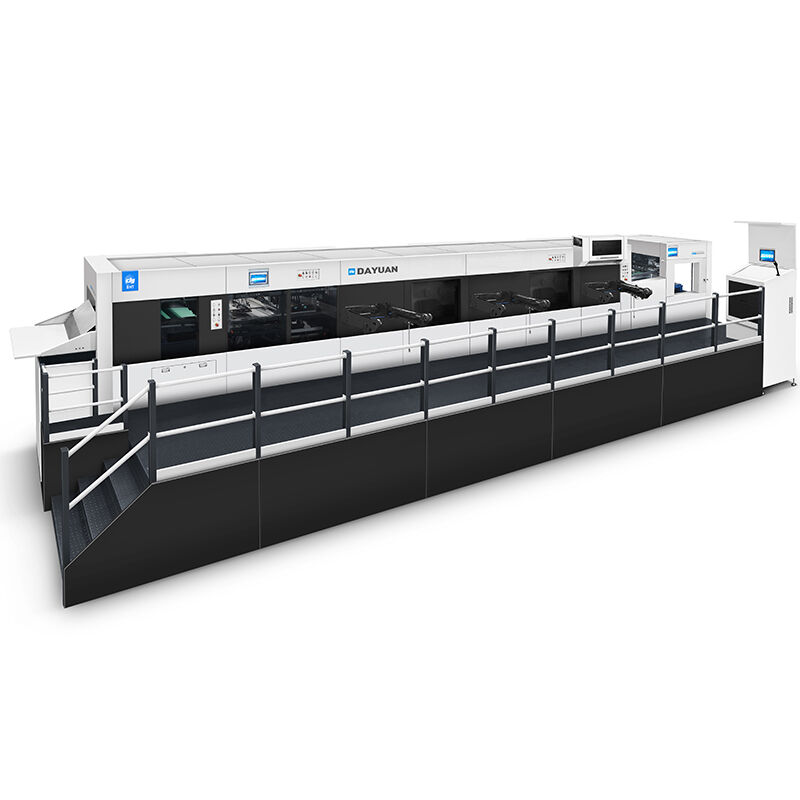
The automated feed system available on advanced hot stamping printing machine models revolutionizes production efficiency by eliminating manual material handling and ensuring consistent positioning that maximizes throughput while maintaining exceptional quality standards. This transformative feature integrates precision conveyors, optical sensors, and programmable logic controllers to create a seamless workflow where substrates move through the stamping station automatically, receiving precisely positioned foil impressions without operator intervention between cycles. The productivity gains delivered by automated feeding prove substantial, with production rates increasing by factors of three to ten compared to manual operations, depending on product complexity and run length. The hot stamping printing machine automated system dramatically reduces labor requirements, allowing a single operator to supervise multiple machines or perform value-added tasks such as quality inspection and packaging while the equipment runs continuously. This labor efficiency translates directly to reduced per-unit production costs and improved competitive positioning in price-sensitive markets. The consistency achieved through automated feeding eliminates the positioning variations inherent in manual operations, where slight placement differences accumulate across production runs and result in noticeable quality variations that undermine brand standards and increase rejection rates. The precision positioning system employed in automated hot stamping printing machine configurations uses registration marks, mechanical guides, or vision systems to ensure that each substrate receives its foil impression in exactly the correct location, maintaining alignment tolerances measured in fractions of a millimeter even across thousands of cycles. This accuracy proves essential for multi-color stamping operations, registered designs that must align with pre-printed graphics, and applications where foil placement carries functional significance beyond purely decorative purposes. The automated feed system incorporates safety features that protect operators from heat and pinch point hazards associated with manual material handling near hot dies and moving mechanisms, improving workplace safety and reducing injury-related costs and disruptions. The continuous operation enabled by automation allows businesses to schedule longer production runs that maximize equipment utilization and reduce setup frequency, improving overall efficiency and enabling competitive pricing on volume orders. The hot stamping printing machine automated system accommodates various substrate formats including individual sheets, continuous rolls, and formed products, providing flexibility that supports diverse applications without requiring separate equipment investments. The integration of automated feeding with other production processes creates efficient workflows where hot stamping becomes one station in a continuous manufacturing line, eliminating intermediate handling steps and reducing work-in-process inventory requirements. The system includes intelligent features such as jam detection, material depletion sensing, and cycle counting that alert operators to conditions requiring attention before they result in quality issues or extended downtime. For businesses serving industries with demanding delivery schedules, the production speed enabled by automated hot stamping printing machine systems provides the capacity to meet tight deadlines and accept rush orders that generate premium revenues. The consistency and speed of automated operations also enable just-in-time manufacturing approaches that reduce inventory carrying costs and improve cash flow by aligning production more closely with actual demand. The sophisticated automation available in modern hot stamping printing machine equipment positions businesses to compete effectively in markets where production efficiency and consistent quality determine success, providing the operational capabilities necessary to build customer loyalty and capture market share in competitive environments where differentiation and reliability create lasting business advantages.
 EN
EN