Advanced Automation Technology That Transforms Workflow Efficiency
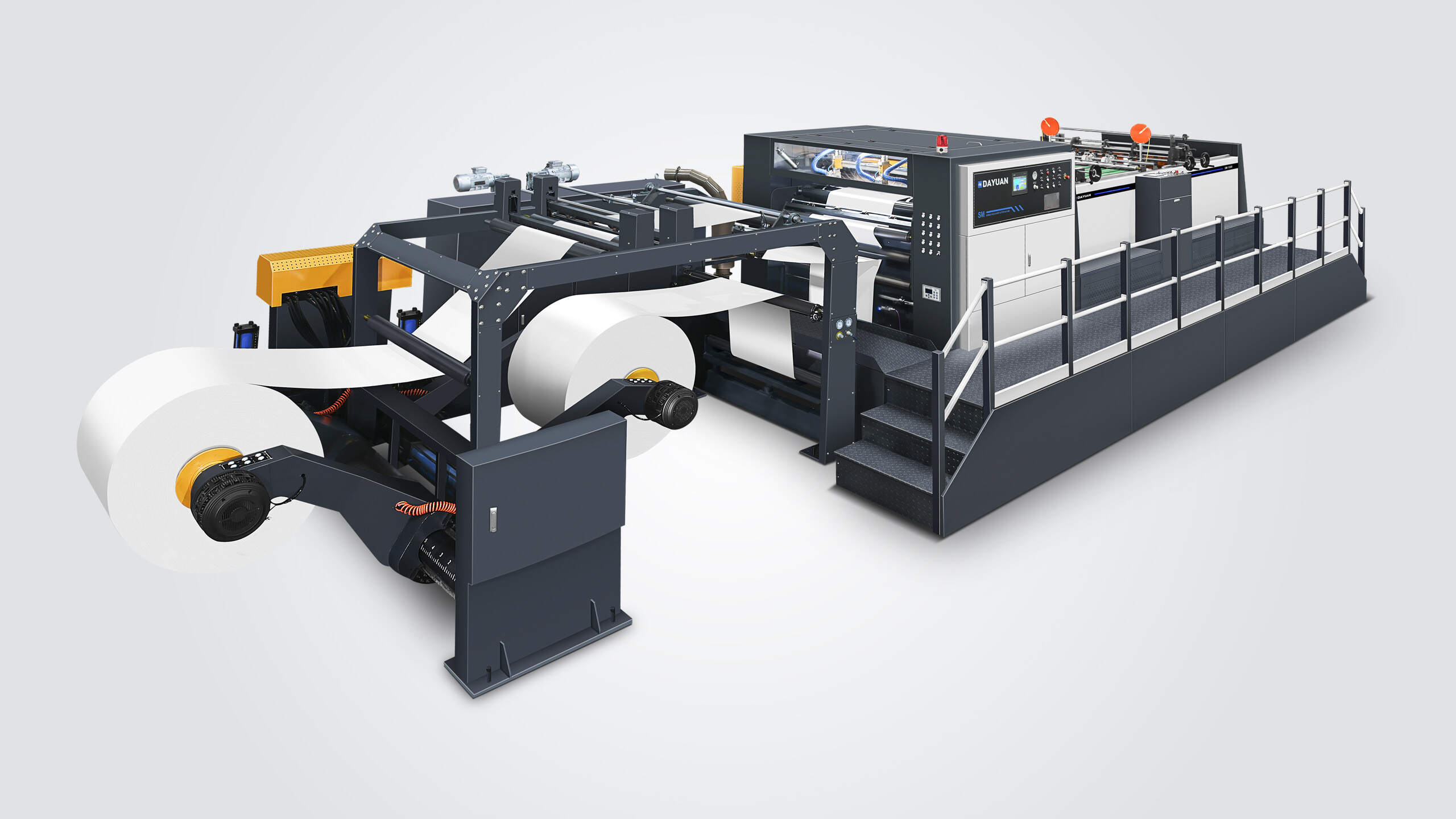
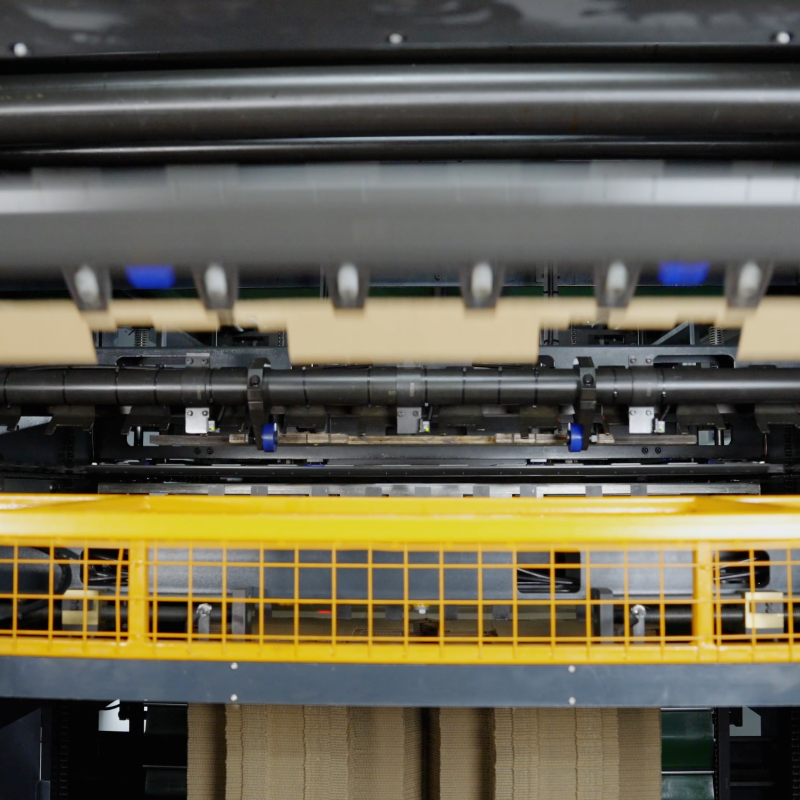
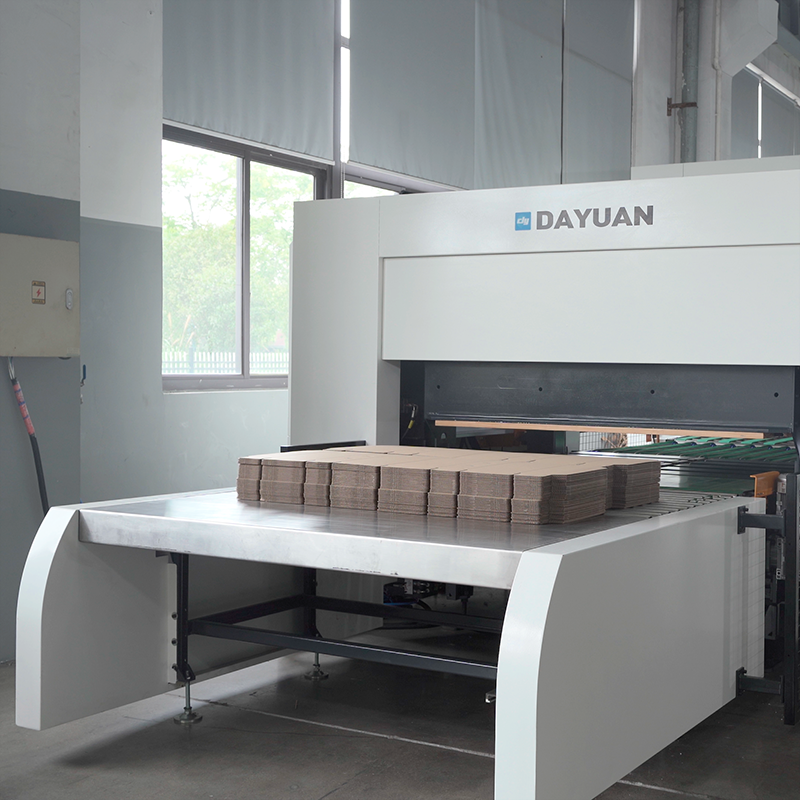
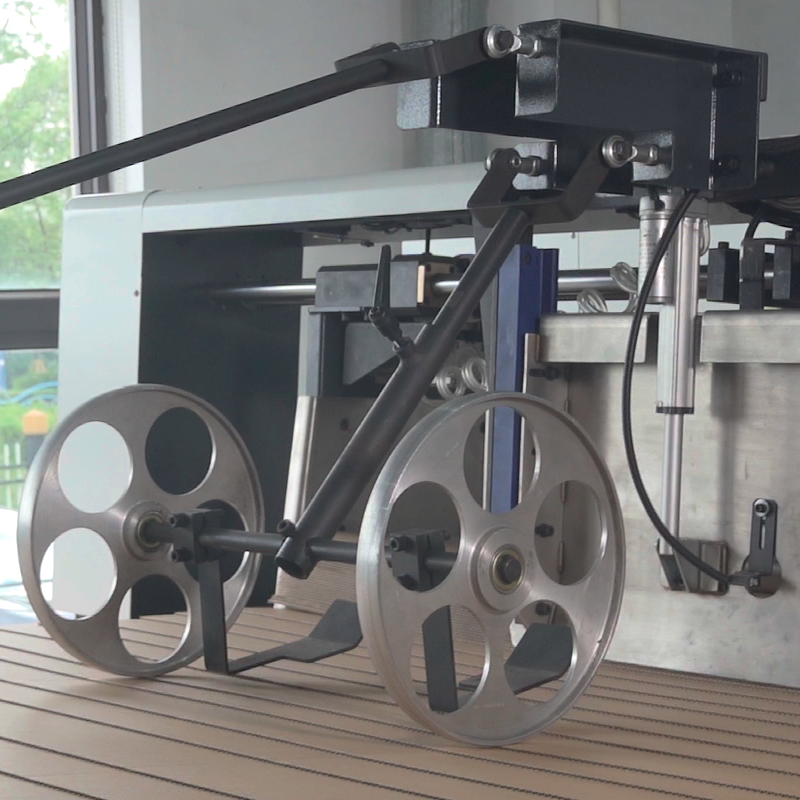
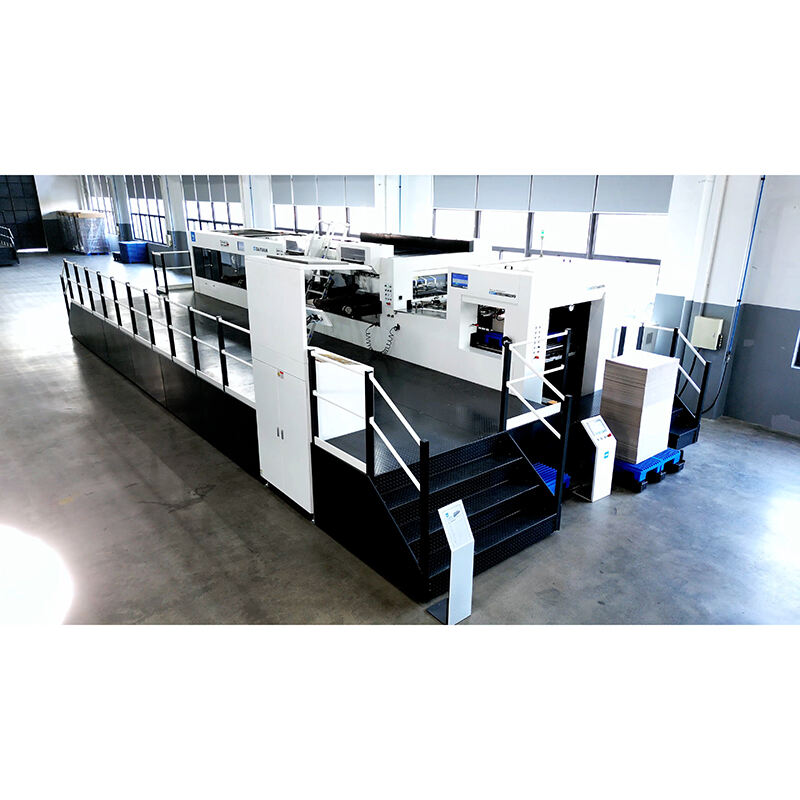
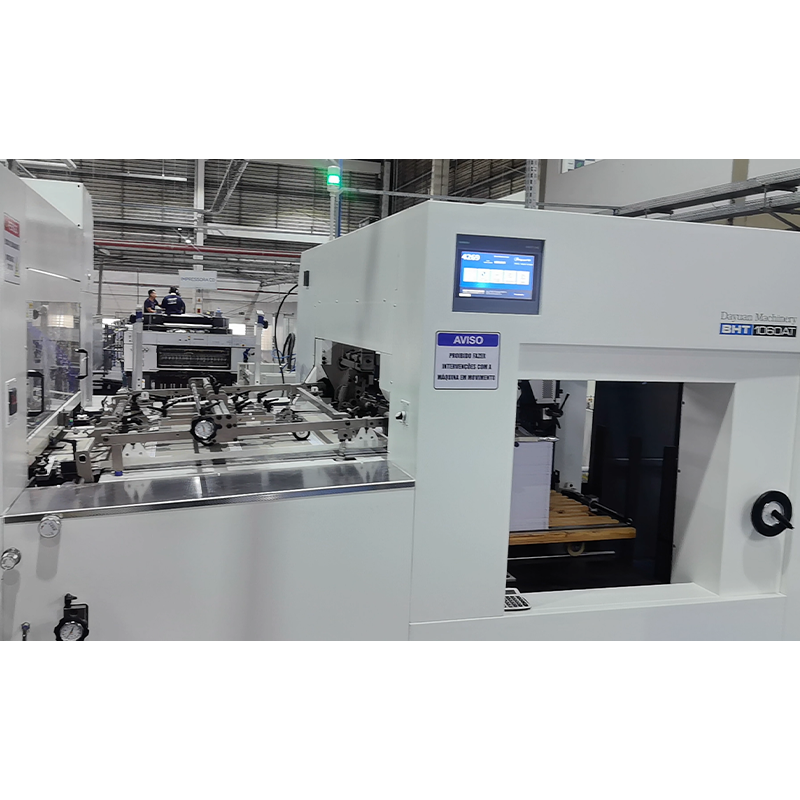
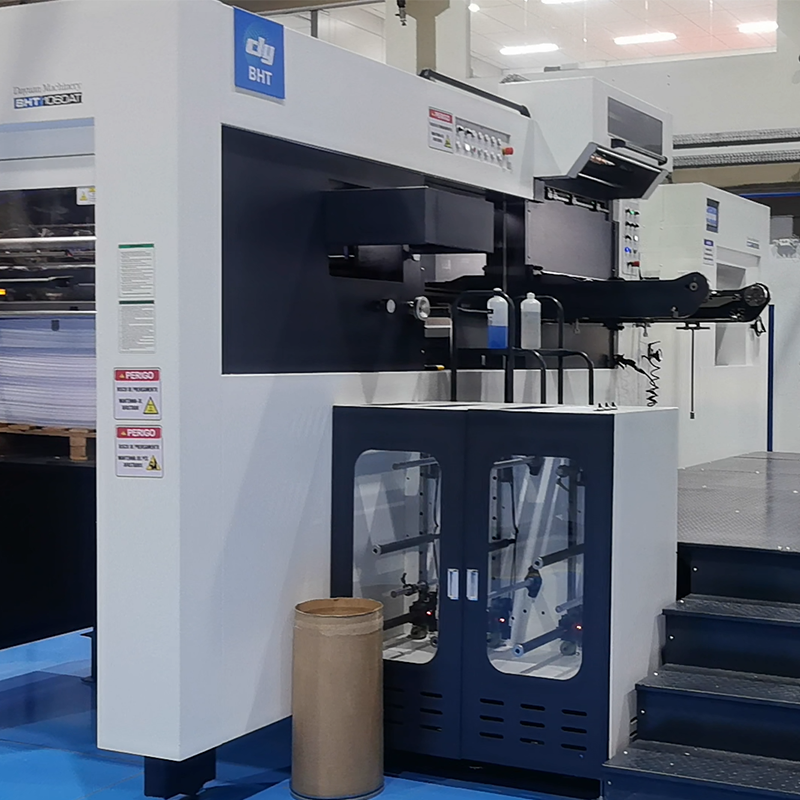
The hot stamping foil cutting machine incorporates sophisticated automation technology that fundamentally changes how businesses approach foil preparation tasks. At the heart of this automation lies an intelligent control system that manages every aspect of the cutting process with minimal human intervention. Operators simply input the desired dimensions, select the foil type from preset profiles, and initiate the cutting sequence. The machine then autonomously feeds the foil material, positions it correctly, executes the cuts, and even separates finished pieces for easy collection. This level of automation eliminates the tedious manual measurements, alignment adjustments, and repetitive cutting motions that consume valuable time and cause worker fatigue. The programmable memory function stores frequently used cutting specifications, enabling rapid setup for recurring orders without repeatedly entering the same data. This feature proves invaluable for businesses handling multiple clients with standardized requirements, as switching between different cutting patterns becomes instantaneous. Advanced sensors continuously monitor foil tension, cutting blade sharpness, and alignment accuracy throughout operation. When any parameter deviates from optimal settings, the system automatically makes micro-adjustments or alerts the operator to perform maintenance, preventing quality issues before they affect production. The automatic feeding mechanism maintains consistent material flow, preventing the wrinkles, creases, and misalignments that plague manual handling. This consistent feed rate ensures uniform cutting quality across entire production runs, whether processing ten pieces or ten thousand. Integration capabilities with existing production management systems allow the hot stamping foil cutting machine to receive cutting instructions directly from design software or order management platforms. This seamless data flow eliminates transcription errors and further accelerates the transition from order receipt to production completion. The automation extends to waste management as well, with some models featuring automatic scrap collection systems that separate unusable material from finished cuts, maintaining an organized workspace without manual sorting. For businesses scaling operations or facing labor shortages, this automation technology provides a solution that maintains productivity levels regardless of workforce fluctuations, delivering consistent output that meets demanding deadlines and quality standards while reducing the skill level required for machine operation.
 EN
EN