Industrial Hot Stamping Machine: Advanced Foil Stamping Solutions for Modern Manufacturing

+86-577-58918888
All Categories

industrial hot stamping machine

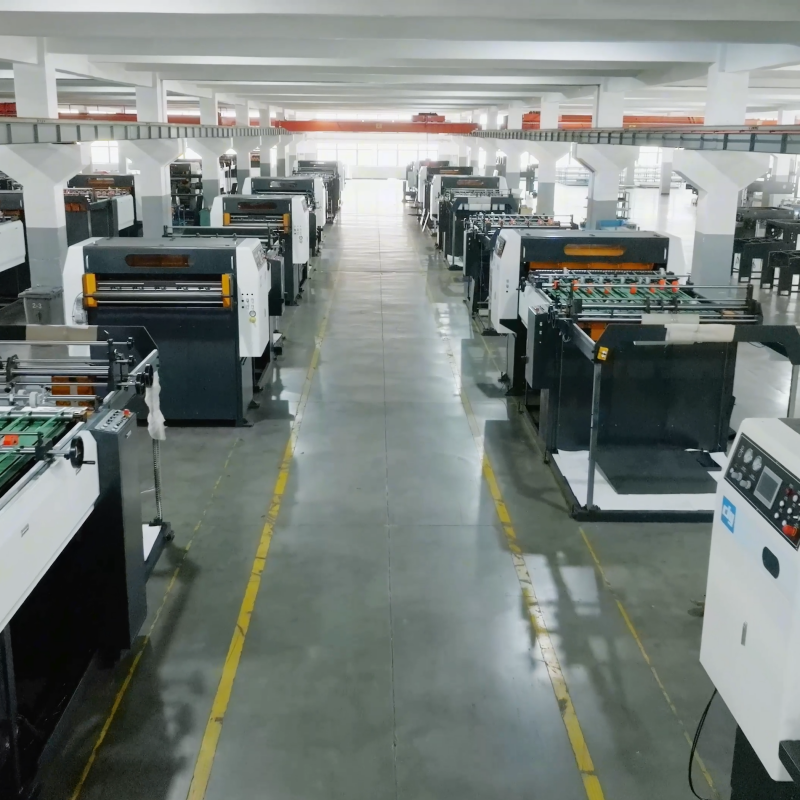
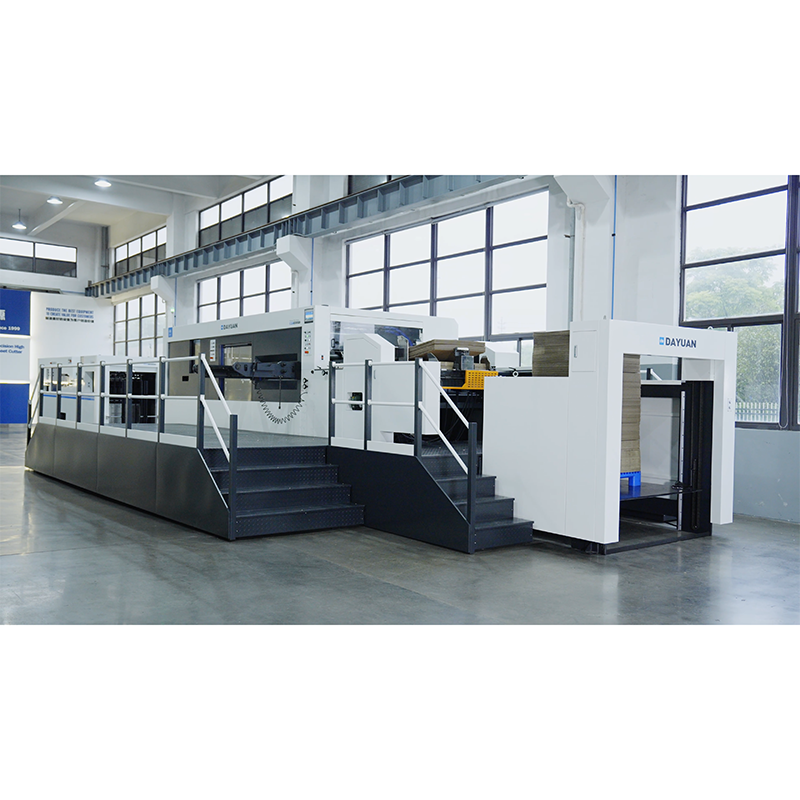
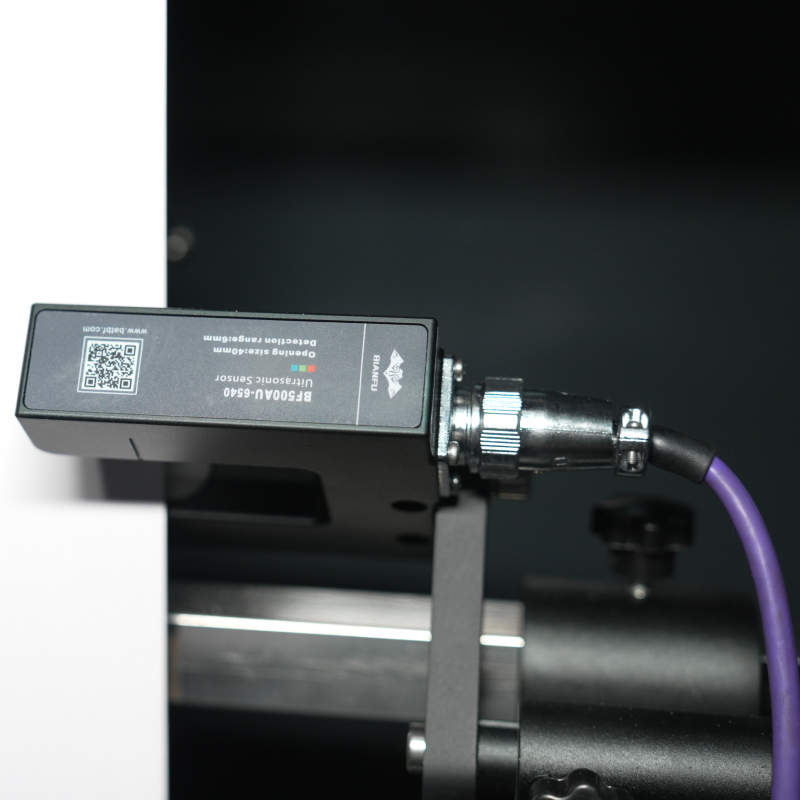
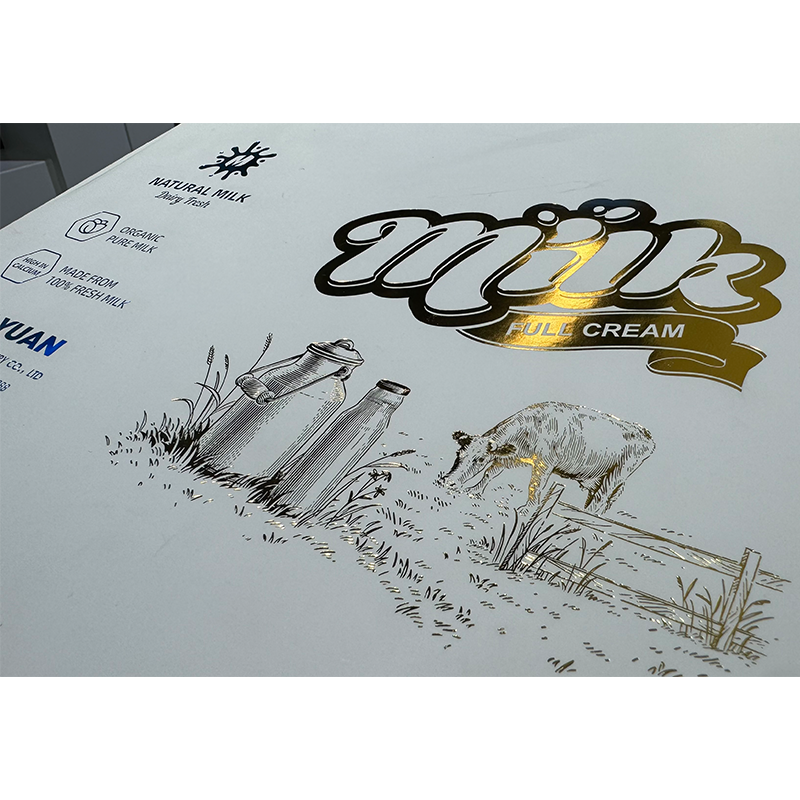
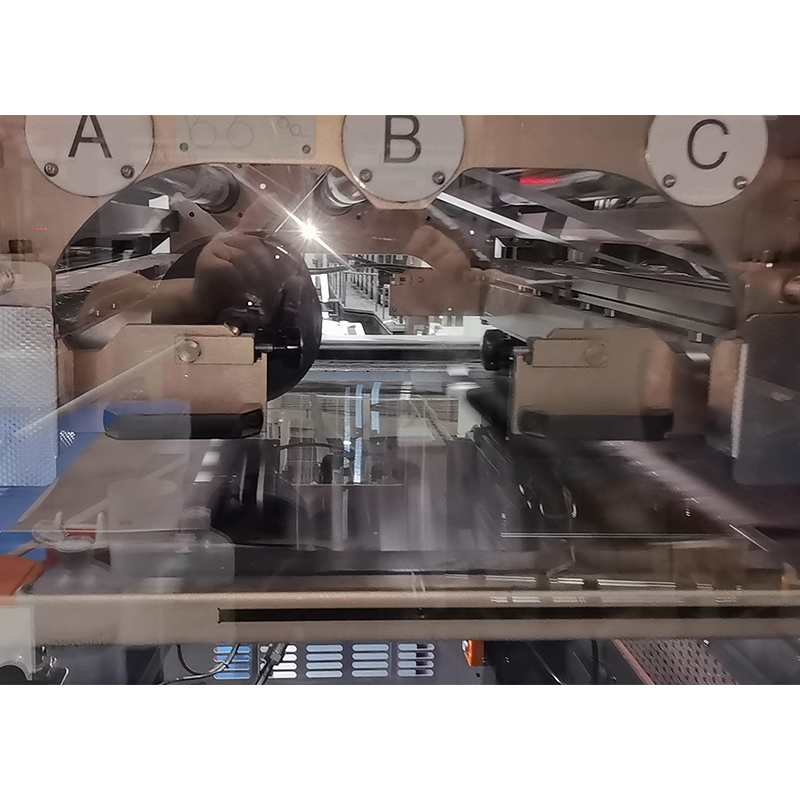
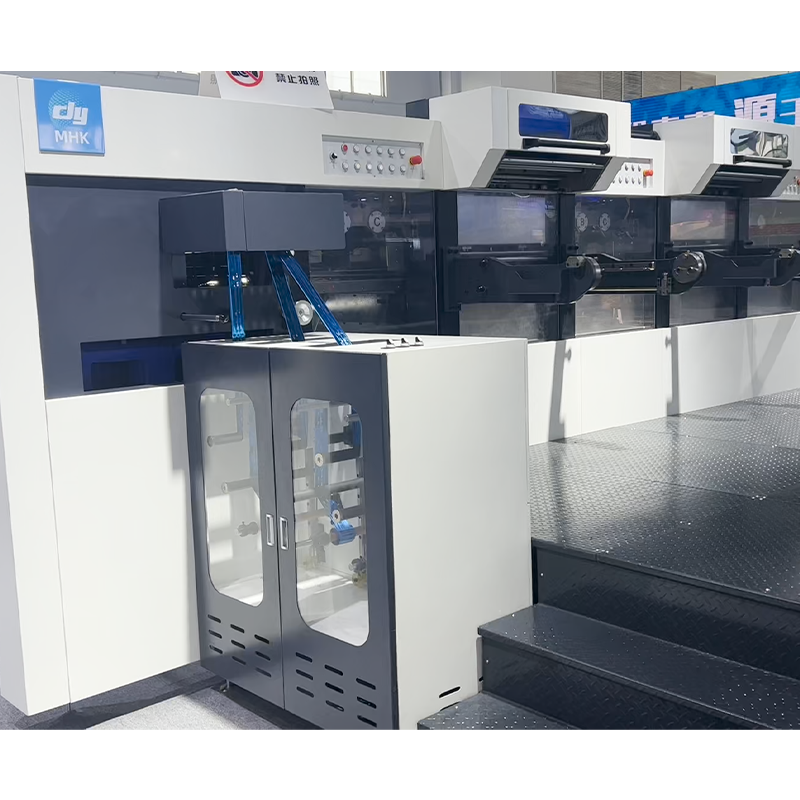
The industrial hot stamping machine represents a sophisticated manufacturing solution designed to apply metallic or pigmented foil designs onto various substrate materials through the precise application of heat and pressure. This advanced equipment has become indispensable in modern production facilities, serving industries ranging from packaging and printing to automotive components and luxury goods manufacturing. The industrial hot stamping machine operates by heating a specially designed die or plate to specific temperatures, typically between 90 and 180 degrees Celsius, which then presses against a thin foil material positioned on the target surface. The heat activates the adhesive layer on the foil, creating a permanent bond that transfers the decorative or functional coating onto the product. Main functions of this equipment include precise temperature control systems that maintain consistent heat distribution across the stamping surface, adjustable pressure mechanisms that accommodate different material thicknesses and substrates, and automated feeding systems that ensure accurate positioning and high-speed operation. Technological features encompass digital control panels with programmable settings, quick-change tooling systems for efficient production transitions, and safety interlocks that protect operators during the stamping process. Modern industrial hot stamping machines integrate servo-driven motors for enhanced precision, touch-screen interfaces for intuitive operation, and sensor-based quality control systems that detect application defects in real-time. Applications span across multiple sectors including cosmetic packaging where metallic finishes enhance brand perception, book cover decoration for premium publications, plastic component marking in automotive manufacturing, leather goods embellishment in fashion industries, and security labeling for authentication purposes. The versatility of the industrial hot stamping machine allows manufacturers to work with diverse materials such as paper, cardboard, plastic, leather, wood, and textiles, making it an essential asset for businesses seeking to add value through decorative finishing processes while maintaining production efficiency and quality consistency.

New Product Recommendations

Investing in an industrial hot stamping machine delivers substantial benefits that directly impact your production capabilities and bottom line. First and foremost, this equipment dramatically enhances product appearance by creating eye-catching metallic finishes, holographic effects, and vibrant color applications that elevate your products above standard printed alternatives. The visual impact achieved through hot stamping increases perceived value, allowing you to command premium pricing in competitive markets. Cost efficiency represents another significant advantage as the process eliminates the need for multiple printing passes or secondary finishing operations. You complete decoration in a single step, reducing labor costs, minimizing material waste, and accelerating production timelines. The industrial hot stamping machine operates with remarkable precision, ensuring consistent results across thousands or even millions of impressions without quality degradation. This reliability reduces rejection rates and rework expenses while building customer confidence in your brand. Durability stands as a key selling point because hot stamped designs resist fading, scratching, and environmental damage far better than conventional printing methods. Your customers receive products that maintain their attractive appearance throughout extended use, reducing complaints and returns. Flexibility in design execution allows you to respond quickly to market trends and customer preferences. You can switch between different foil colors, patterns, and designs with minimal downtime, enabling small batch production and customization without prohibitive setup costs. The environmental profile of hot stamping also appeals to sustainability-focused businesses, as the process generates minimal waste compared to chemical-intensive alternatives and many foils now come in recyclable or biodegradable formulations. Operational simplicity means your staff can master the industrial hot stamping machine quickly, with intuitive controls and straightforward maintenance procedures reducing training time and operational complexity. Production speed capabilities enable you to meet tight deadlines and high-volume orders, with modern machines processing hundreds or thousands of items per hour depending on size and complexity. The versatility to work across multiple material types protects your investment by allowing equipment utilization across diverse product lines and market segments. Quality consistency achieved through programmable parameters and automated controls eliminates the variability associated with manual finishing processes, ensuring every product meets your specifications. Finally, the industrial hot stamping machine future-proofs your operation by incorporating technologies that adapt to emerging materials and design requirements, protecting your capital investment while maintaining competitive production capabilities.

Latest News

How to Maintain the Blade and Calibration of Your Paper Cutter Machine for Safe Operation?

22

Jan

How to Maintain the Blade and Calibration of Your Paper Cutter Machine for Safe Operation?

Maintaining your paper cutter machine is essential for ensuring consistent performance, operator safety, and product longevity. Regular maintenance of both the cutting blade and calibration system prevents costly repairs while maximizing productivity...
View More
How Does the Cutting Capacity of a Paper Cutter Machine Impact Your Workflow Efficiency?

18

Mar

How Does the Cutting Capacity of a Paper Cutter Machine Impact Your Workflow Efficiency?

In modern printing facilities and office environments, operational efficiency depends heavily on the right equipment selection. The cutting capacity of a paper cutter machine serves as one of the most critical factors determining how smoothly your pr...
View More
What Maintenance Routines Extend the Lifespan of Your Industrial Paper Cutter Machine?

18

Mar

What Maintenance Routines Extend the Lifespan of Your Industrial Paper Cutter Machine?

Proper maintenance of an industrial paper cutter machine is crucial for maximizing operational efficiency and extending equipment lifespan in commercial printing environments. These sophisticated cutting systems require systematic care to maintain pr...
View More
What Regular Maintenance Keeps Your Paper Die Cutting Machine’s Creasing and Cutting Tools in Top Shape?

02

Apr

What Regular Maintenance Keeps Your Paper Die Cutting Machine’s Creasing and Cutting Tools in Top Shape?

Maintaining optimal performance in your paper die cutting machine requires systematic attention to the creasing and cutting tools that form the heart of your production operation. These precision components endure tremendous stress during high-volume...
View More

Get a Free Quote

Our representative will contact you soon.
Email
Name
Company Name
Required Product
Message
0/1000

industrial hot stamping machine

Advanced Temperature Control Technology for Superior Finishing Quality

Advanced Temperature Control Technology for Superior Finishing Quality

The industrial hot stamping machine features state-of-the-art temperature control systems that represent a fundamental breakthrough in achieving consistent, high-quality results across diverse production scenarios. Unlike conventional heating methods that create hot spots and temperature fluctuations, modern temperature management technology employs multiple heating zones with independent sensors and microprocessor-based regulation. This sophisticated approach maintains precise thermal profiles across the entire stamping surface, typically with accuracy within plus or minus two degrees Celsius. The importance of this precision cannot be overstated because optimal foil transfer occurs within narrow temperature windows that vary depending on substrate material, foil composition, and desired finish characteristics. Too little heat results in incomplete transfer with poor adhesion, while excessive temperatures can damage substrates, distort foil patterns, or create unsightly burn marks. The advanced temperature control system continuously monitors thermal conditions and makes real-time adjustments to compensate for variables such as production speed changes, ambient temperature fluctuations, and the thermal mass of different substrate materials. This intelligent regulation ensures that whether you are stamping your first piece of the day or your ten-thousandth, the industrial hot stamping machine delivers identical quality. The practical value extends beyond aesthetic consistency to encompass significant economic benefits. Reduced waste from temperature-related defects translates directly to material cost savings and higher yield rates. Operators spend less time troubleshooting quality issues and adjusting machine parameters, increasing productive uptime. The ability to store and recall temperature profiles for different jobs eliminates guesswork during production changeovers, enabling even less experienced operators to achieve expert results. Furthermore, precise temperature control extends the operational life of both the stamping dies and the machine heating elements by preventing thermal stress and overheating damage. Many industrial hot stamping machines now incorporate predictive maintenance algorithms that analyze temperature performance data to identify heating element degradation before failure occurs, allowing scheduled replacement during planned downtime rather than costly emergency repairs. For businesses producing premium products where appearance quality directly impacts brand reputation and customer satisfaction, the advanced temperature control technology provides peace of mind that every item leaving your facility meets the highest standards. This capability proves especially valuable when working with challenging materials such as heat-sensitive plastics or textured surfaces that require precise thermal management to achieve proper foil adhesion without substrate damage.

Versatile Multi-Material Capability Expanding Production Possibilities

Versatile Multi-Material Capability Expanding Production Possibilities

The exceptional multi-material versatility of the industrial hot stamping machine opens unprecedented opportunities for manufacturers to diversify product offerings and capture new market segments without additional capital investment. This adaptability stems from sophisticated engineering that accommodates the distinct physical properties of various substrates through adjustable pressure systems, customizable tooling options, and programmable parameter profiles. Traditional finishing equipment often limits manufacturers to specific material types, forcing businesses to either decline projects outside their capabilities or invest in multiple specialized machines. The industrial hot stamping machine eliminates these constraints by successfully processing paper and cardboard products ranging from lightweight tissues to heavy corrugated materials, plastic components including rigid engineering plastics and flexible films, natural materials such as leather and wood veneers, textile applications on both woven and non-woven fabrics, and composite materials that combine multiple substrate layers. This remarkable range creates strategic advantages that transform operational flexibility and market positioning. Manufacturing facilities can accept diverse customer requests, positioning themselves as comprehensive solution providers rather than limited specialists. Product development teams gain creative freedom to explore innovative material combinations and finishing techniques without equipment constraints restricting their vision. The ability to stamp multiple material types on a single machine optimizes floor space utilization and capital efficiency, particularly valuable for small to medium enterprises where every square meter and investment dollar counts. Practical implementation of this versatility requires minimal adjustment, with modern industrial hot stamping machines featuring quick-change tooling systems and digital libraries storing optimal parameters for different material combinations. Operators simply select the appropriate profile, install the corresponding die, and begin production with confidence that settings automatically adjust to deliver quality results. This simplification reduces the skill barrier for multi-material production, enabling broader workforce utilization and operational resilience. The economic implications extend beyond direct cost savings to encompass strategic business advantages. Companies using versatile industrial hot stamping machines can pursue just-in-time manufacturing strategies, producing diverse products in economic batch sizes without the setup time penalties that plague less flexible equipment. Seasonal market fluctuations become manageable opportunities rather than threatening challenges, as manufacturers pivot between product categories following demand patterns. Risk diversification across multiple industries and material types provides stability during sector-specific downturns. Innovation potential flourishes when designers and engineers work without material constraints, leading to breakthrough products that combine unexpected material properties with striking hot stamped finishes that captivate customers and differentiate brands in crowded marketplaces.
Automated Precision Systems Maximizing Productivity and Consistency

Automated Precision Systems Maximizing Productivity and Consistency

The integration of automated precision systems within the industrial hot stamping machine fundamentally transforms production economics by maximizing throughput while simultaneously elevating quality consistency to levels unattainable through manual operations. These sophisticated automation features encompass servo-driven positioning systems that locate substrates with micron-level accuracy, vision-based alignment systems that compensate for material variations and registration errors, programmable pressure application mechanisms that adapt force distribution to substrate geometry, and intelligent quality monitoring systems that inspect each stamped piece and automatically reject defective items. The convergence of these technologies creates a production environment where human operators transition from repetitive manual tasks to supervisory roles focused on optimization and problem-solving. The productivity gains delivered by automated precision systems manifest across multiple dimensions of manufacturing performance. Cycle time reduction occurs as machines execute stamping operations at speeds limited only by physics and material properties rather than human reaction times and fatigue factors. Typical industrial hot stamping machines with full automation achieve production rates of 3000 to 5000 impressions per hour on standard applications, with some specialized configurations reaching even higher outputs. This velocity enables manufacturers to fulfill large orders within compressed timeframes, respond rapidly to rush requests, and maintain lean inventory strategies by producing on demand rather than building speculative stock. Labor efficiency improvements emerge as single operators supervise multiple machines or manage entire production cells, dramatically reducing per-unit labor costs while simultaneously improving workplace safety by minimizing repetitive motion injuries and operator exposure to heated equipment. Quality consistency represents perhaps the most transformative benefit of automated precision systems within the industrial hot stamping machine environment. Manual processes inherently incorporate variability from operator differences, fatigue effects, attention lapses, and subjective judgment calls. Automated systems eliminate these variables by executing identical movements and applying precise parameters on every cycle without deviation or degradation. Statistical process control becomes meaningful when automation removes human variability, allowing manufacturers to identify and address genuine process issues rather than chasing phantom problems caused by operator inconsistency. Customer satisfaction increases as product quality becomes predictable and reliable, with every unit meeting specifications regardless of production shift, operator assignment, or daily production volumes. The business case for automation extends beyond immediate operational metrics to encompass strategic competitive advantages. Manufacturers deploying advanced industrial hot stamping machines with comprehensive automation capabilities can credibly pursue quality-sensitive market segments and demanding customers who require documentary evidence of process control and statistical capability. Regulatory compliance becomes straightforward when automated systems generate complete production records documenting every process parameter and quality check point. Continuous improvement initiatives gain traction as detailed production data reveals optimization opportunities invisible in manual operations. The workforce evolution enabled by automation attracts and retains skilled employees who prefer technology-enabled work environments over repetitive manual labor, addressing demographic challenges facing manufacturing industries globally.

Get a Free Quote

Our representative will contact you soon.
Email
Name
Company Name
Required Product
Message
0/1000