Versatile Applications Across Multiple Industries
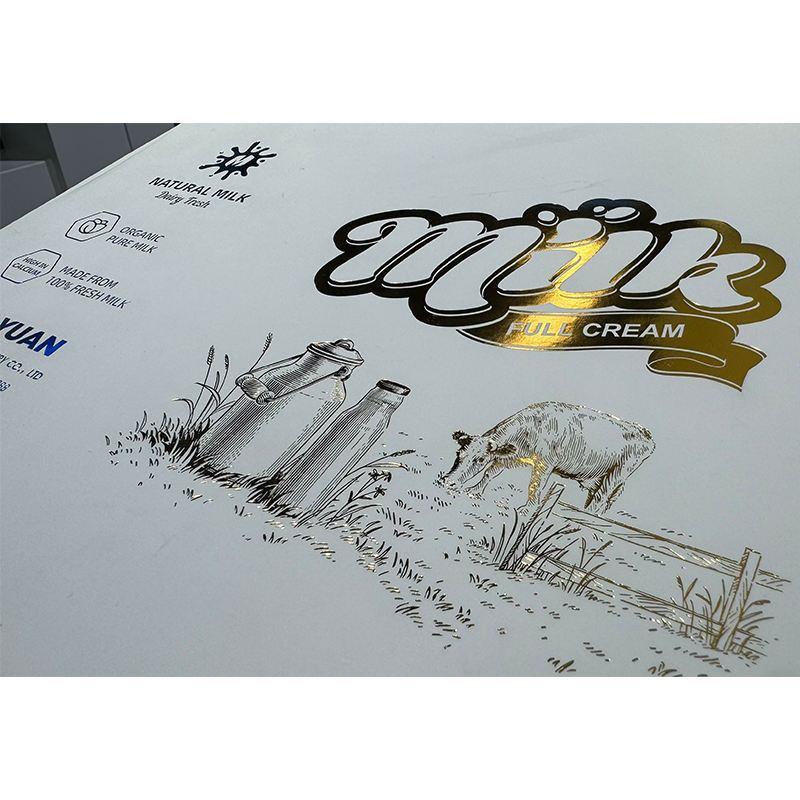
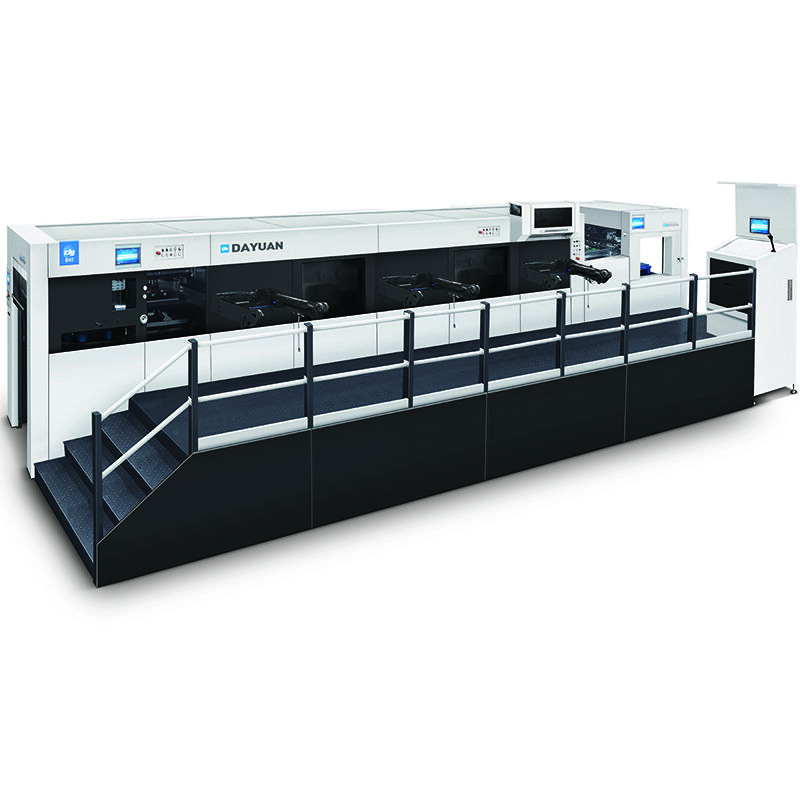
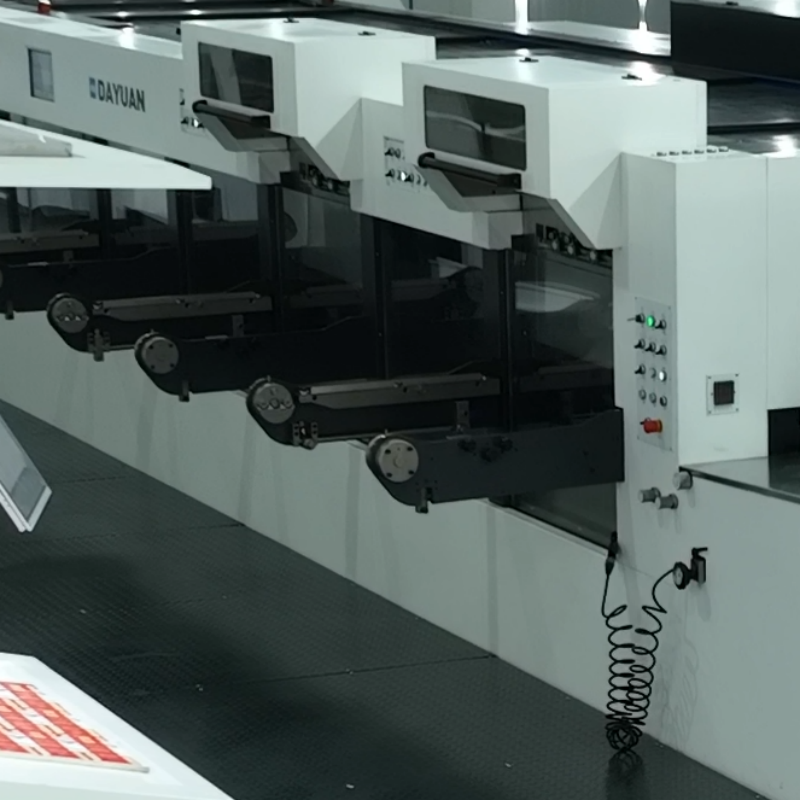
The remarkable versatility of a hot press stamping machine makes it an invaluable asset capable of serving diverse production needs across numerous industries and applications, delivering exceptional return on investment through its ability to handle varied tasks without requiring multiple specialized machines. In the textile and apparel industry, hot press stamping machines apply heat transfer designs, logos, and decorative elements to garments, creating vibrant, durable graphics that withstand repeated washing and wear while maintaining color brilliance and detail clarity. The leather goods sector relies heavily on these machines for embossing patterns, brand marks, and textures into wallets, belts, bags, and upholstery, creating the distinctive appearances that define premium products and command higher market prices. Automotive manufacturers utilize hot press stamping machines for applying badges, trim elements, and functional coatings to interior and exterior components, benefiting from the speed and consistency these machines provide in high-volume production environments. Electronics production facilities employ hot press stamping machines for laminating circuit boards, bonding protective films, and applying conductive traces, where the precise temperature and pressure control ensures reliable connections without damaging sensitive components. The packaging industry leverages these machines for creating embossed patterns, holographic security features, and decorative finishes on boxes, labels, and promotional materials that enhance product appeal and brand recognition. Woodworking operations use hot press stamping machines to apply decorative veneers, create embossed textures, and bond laminate surfaces, achieving professional finishes that rival far more expensive alternatives. The bookbinding and stationery sectors depend on hot press stamping machines for applying metallic foils, creating embossed letterheads, and producing textured covers that elevate ordinary printed materials into premium products. Medical device manufacturers utilize these machines for bonding sterile packaging, applying identification labels, and creating tamper-evident seals that ensure product integrity throughout the distribution chain. The sporting goods industry employs hot press stamping machines for customizing equipment, applying sponsor logos, and creating grip-enhancing textures on handles and contact surfaces. Jewelry makers use smaller hot press stamping machines for applying patterns to metal surfaces, creating textured finishes, and bonding decorative elements without the expense and complexity of traditional metalworking techniques. This extraordinary range of applications means that acquiring a hot press stamping machine opens multiple revenue streams, allowing you to diversify your product offerings, serve broader customer bases, and reduce dependence on single markets or applications. The ability to switch between different applications by simply changing dies, adjusting parameters, and loading different materials means your hot press stamping machine adapts to changing market demands, seasonal variations, and emerging opportunities without requiring substantial additional investment in specialized equipment for each new application you pursue.
 EN
EN