Intelligent Automation Features that Maximize Productivity and Material Efficiency
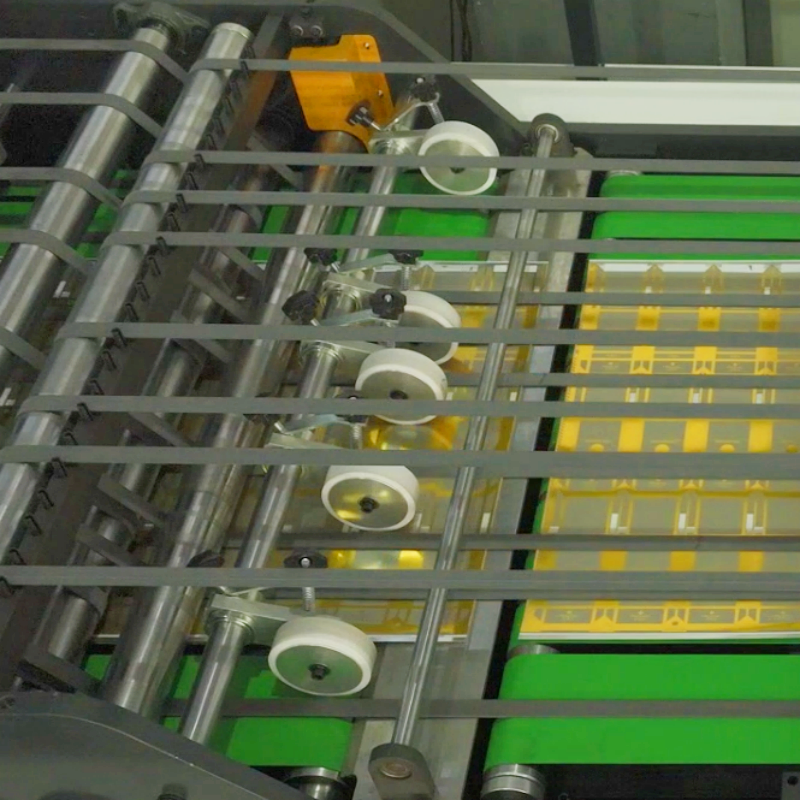
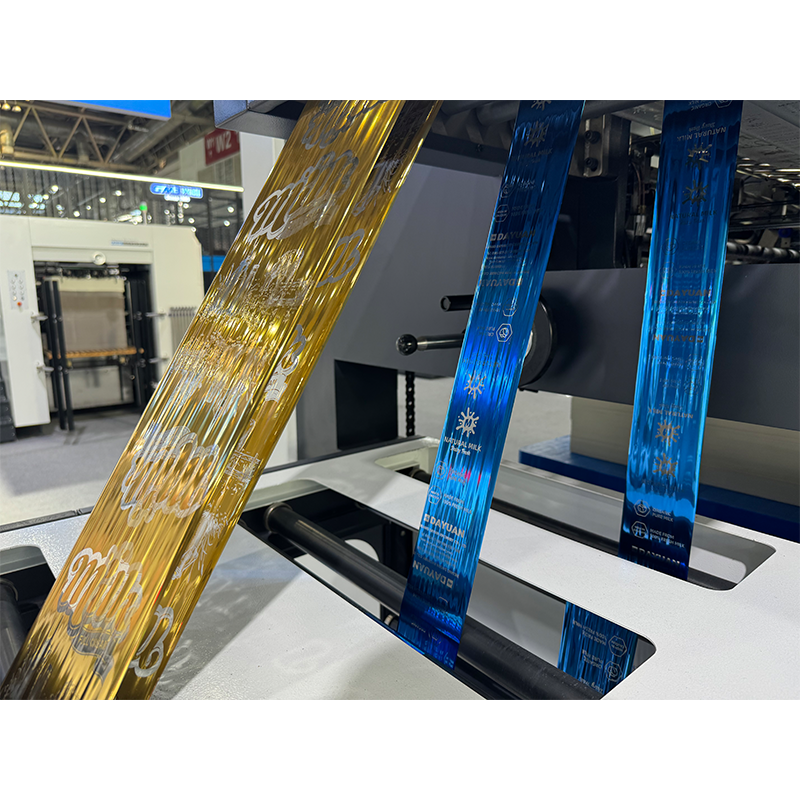
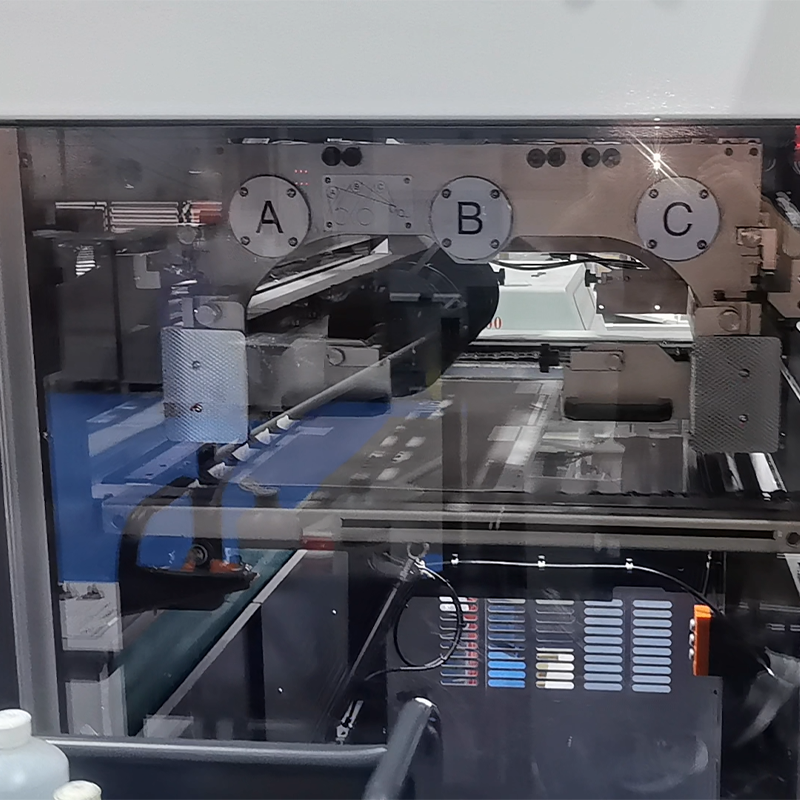
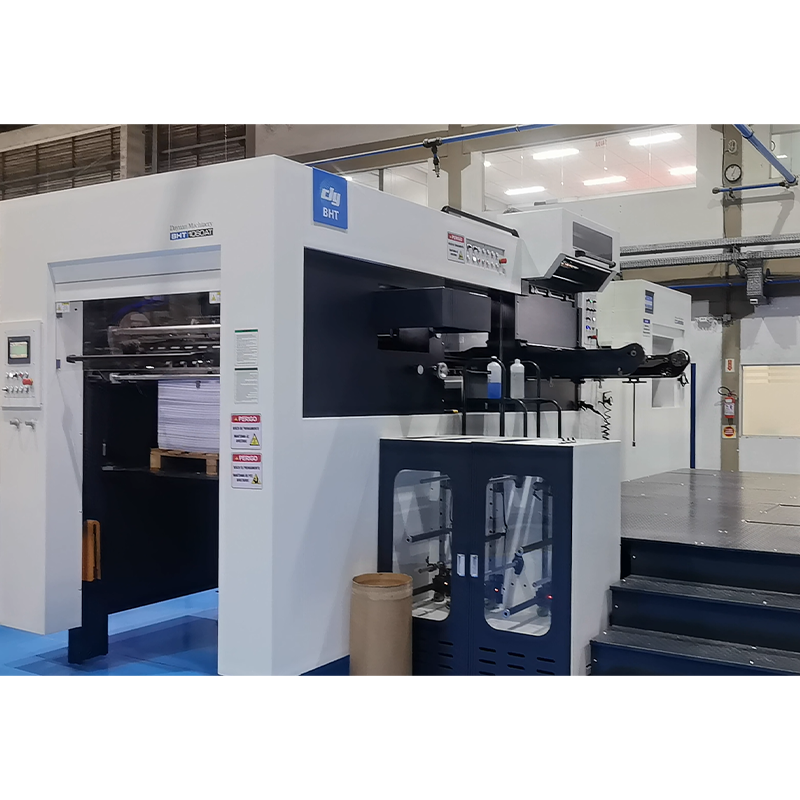
The best hot foil stamping machine incorporates intelligent automation technologies that transform operational efficiency, reduce material waste, and empower operators to achieve more with less effort and expertise. Automated foil advancement systems exemplify this approach, precisely feeding foil forward after each impression by exactly the amount needed to present fresh material for the next cycle. This seemingly simple feature delivers substantial cost savings by eliminating the excessive foil consumption that occurs with manual feeding, where operators typically advance more material than necessary to ensure adequate coverage. Advanced sensors detect foil position and tension, adjusting feed rates dynamically to prevent slack that causes wrinkles or excessive tension that may tear delicate foils. Intelligent systems also recognize when foil supply runs low and alert operators before depletion occurs, preventing production interruptions and potential damage to dies contacting substrates without protective foil barriers. Programmable memory functions represent another productivity multiplier, storing complete job parameters including temperature, pressure, dwell time, and foil advancement distance for hundreds of different projects. Recalling saved settings takes seconds and eliminates the trial-and-error process typically required when revisiting previous work after weeks or months, ensuring first-piece accuracy and reducing setup waste. Touchscreen interfaces with intuitive menu structures make accessing these advanced features straightforward, presenting information clearly and organizing functions logically so operators spend time producing rather than navigating complex control schemes. Automatic registration systems on premium models employ optical sensors or mechanical guides that ensure precise substrate positioning for each impression, critical when stamping multiple colors or adding foil to pre-printed materials where alignment tolerance may be fractions of a millimeter. Cycle counters track production volumes automatically, providing valuable data for job costing, maintenance scheduling, and quality control audits without requiring manual record-keeping that interrupts workflow. Safety interlocks integrated throughout automated systems protect operators from moving components while maintaining productivity through intelligent sensor placement that distinguishes between dangerous intrusions and normal material handling. Predictive maintenance indicators monitor operational parameters like heating element performance and mechanical wear, alerting operators to developing issues before failures occur, maximizing uptime and preventing costly emergency repairs. Energy-saving modes automatically reduce temperatures and power consumption during idle periods, then restore working conditions quickly when operation resumes, balancing environmental responsibility with operational readiness. These automation features collectively create an operating experience where the machine handles routine decisions and monitoring tasks, freeing operators to focus on creative aspects, quality assessment, and continuous improvement rather than mechanical operations, ultimately delivering higher output, better quality, and lower per-piece costs than manual or semi-automated alternatives could achieve.
 EN
EN