Automatic Feeding and Registration Systems
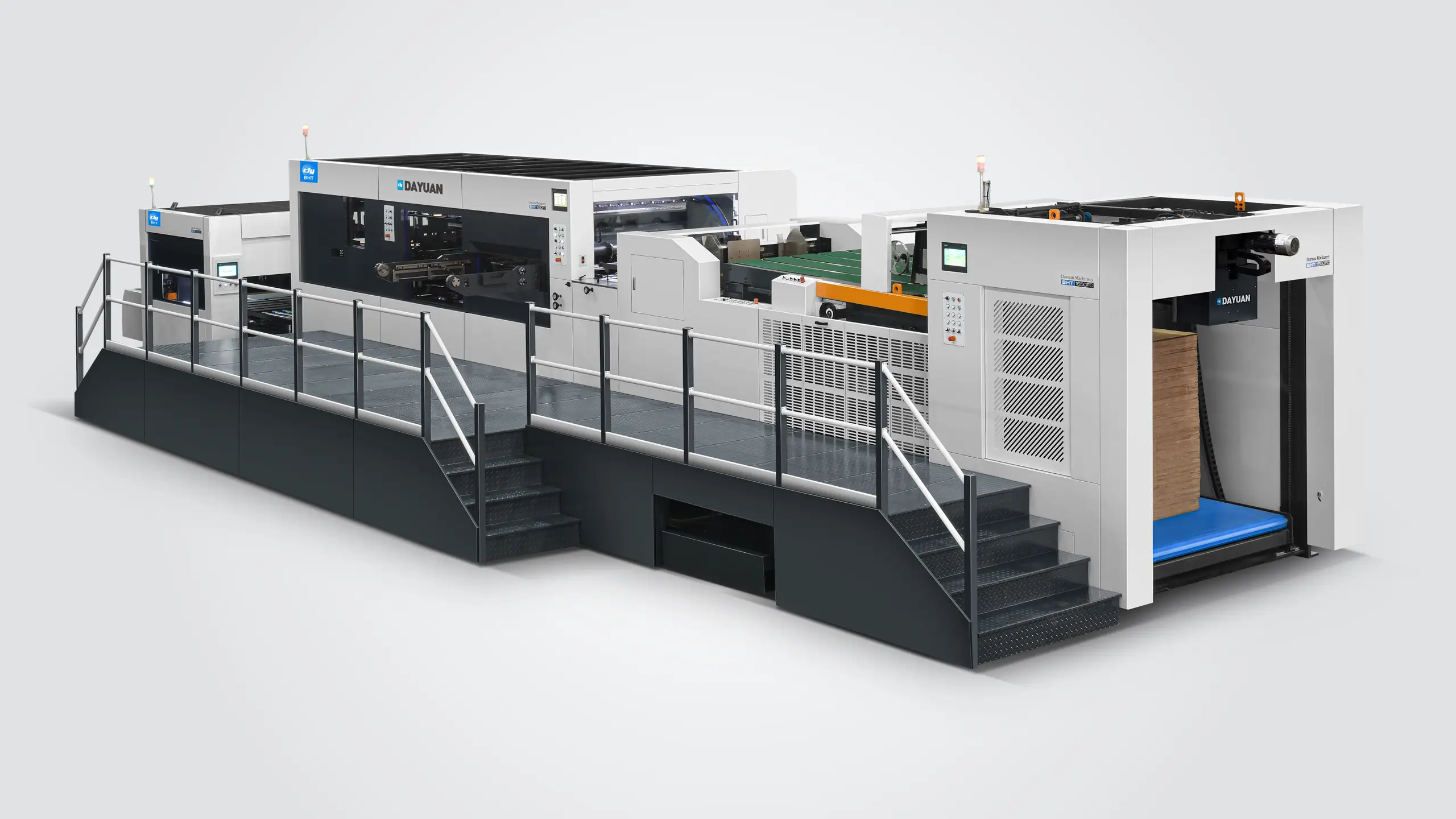
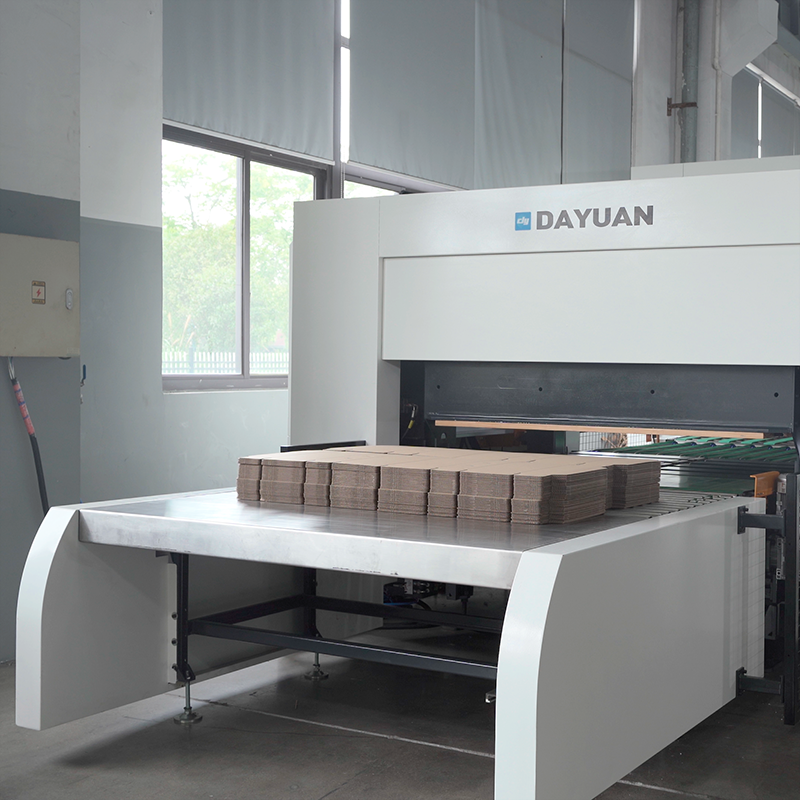
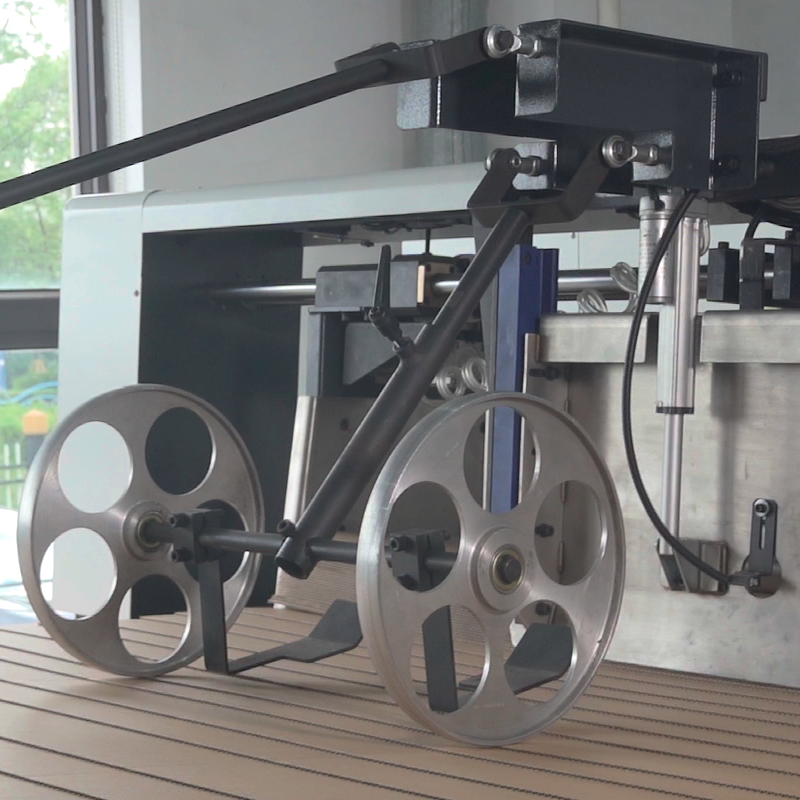
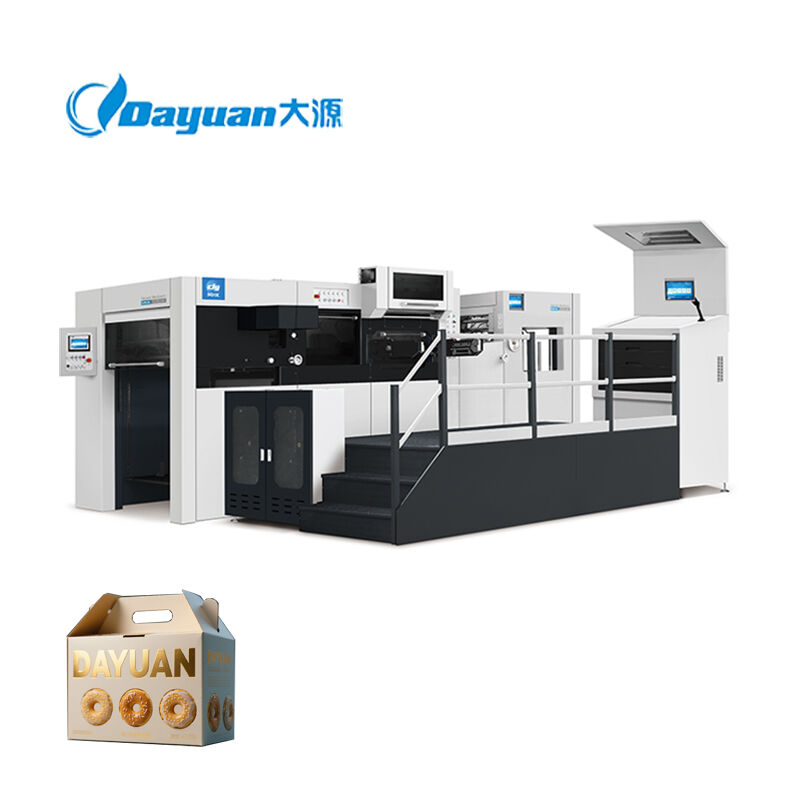
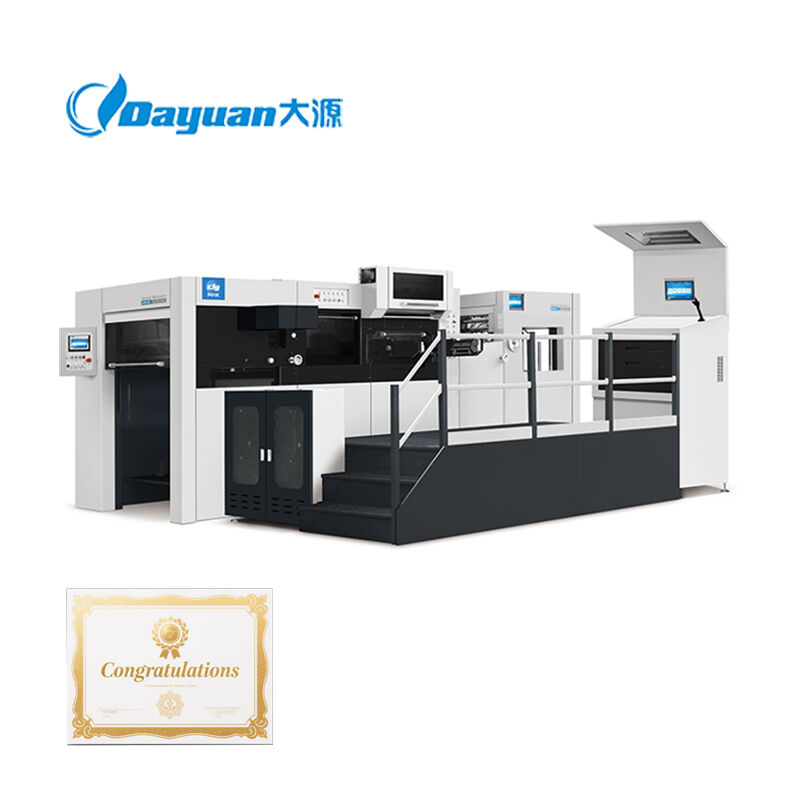
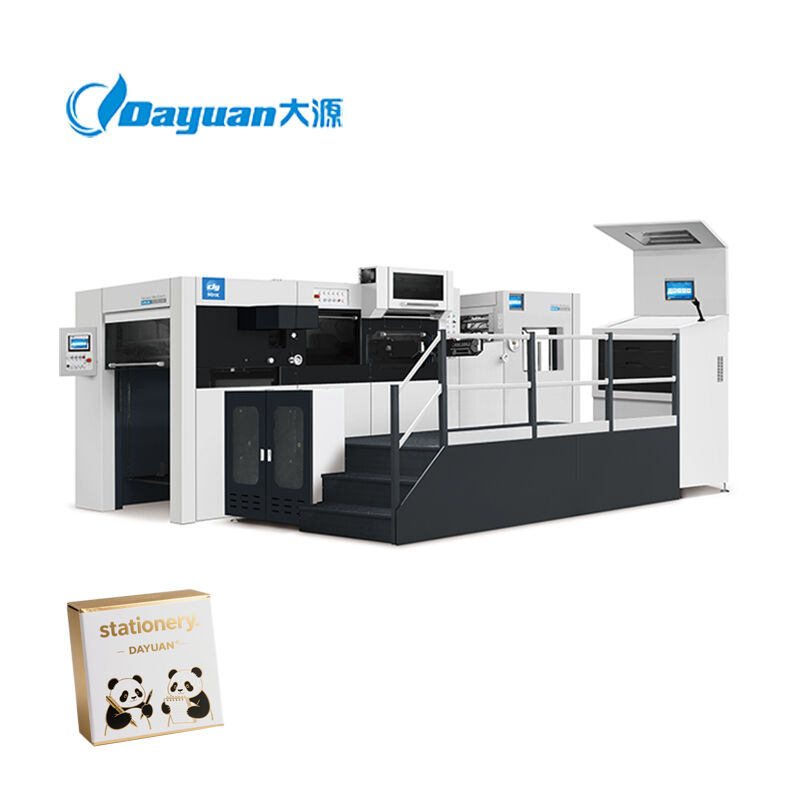
The hot foil stamping machine industrial features sophisticated automatic feeding and registration systems that revolutionize production efficiency and accuracy compared to manual or semi-automatic alternatives. These integrated mechanisms handle substrate feeding, positioning, stamping, and ejection in coordinated sequences that minimize human intervention while maximizing throughput and precision. The feeding system utilizes vacuum suction, friction rollers, or gripper mechanisms depending on substrate type and weight, ensuring reliable material transport from input stacks through the stamping station to output collection areas. The hot foil stamping machine industrial incorporates adjustable guides and sensors that accommodate various substrate dimensions without extensive mechanical modifications, allowing quick changeovers between different product sizes within minutes rather than hours. Registration accuracy represents a critical performance factor for applications requiring precise foil placement relative to pre-printed graphics or specific substrate features. Advanced optical sensors scan incoming substrates and detect registration marks or edges, calculating exact positioning coordinates that guide servo-driven positioning tables to achieve alignment tolerances within hundredths of a millimeter. This exceptional accuracy ensures that metallic accents, logos, and decorative elements appear exactly where designers intended, maintaining brand consistency and professional appearance across entire production runs. The hot foil stamping machine industrial compensates for substrate variations such as slight dimensional inconsistencies or warping by dynamically adjusting positioning parameters for each piece, eliminating the registration drift that plagues less sophisticated equipment. The automatic foil advance mechanism coordinates with the stamping cycle to index the foil roll precisely between impressions, preventing double-stamping or gaps in foil coverage. This synchronized operation maximizes foil utilization by positioning fresh foil material for each stamping event while automatically tensioning the roll to prevent wrinkles or slack that could compromise transfer quality. The hot foil stamping machine industrial includes programmable waste reduction features that adjust foil advance distances based on design requirements, potentially saving significant material costs on projects with small stamping areas. Safety interlocks prevent operation when covers are open or when substrate jams occur, protecting both operators and equipment from damage. The feeding system detects missing or misaligned substrates and automatically pauses production while signaling the operator, preventing wasted foil applications on empty cycles. Throughput rates vary by model but typically range from 3000 to 10000 impressions per hour for the hot foil stamping machine industrial, with higher speeds achievable on simpler designs and smaller formats. This automation dramatically reduces labor requirements while improving output consistency, allowing businesses to reallocate workforce resources to value-added activities such as quality inspection, equipment optimization, and production planning rather than repetitive manual feeding tasks.
 EN
EN