Automated Operation Features for Enhanced Productivity
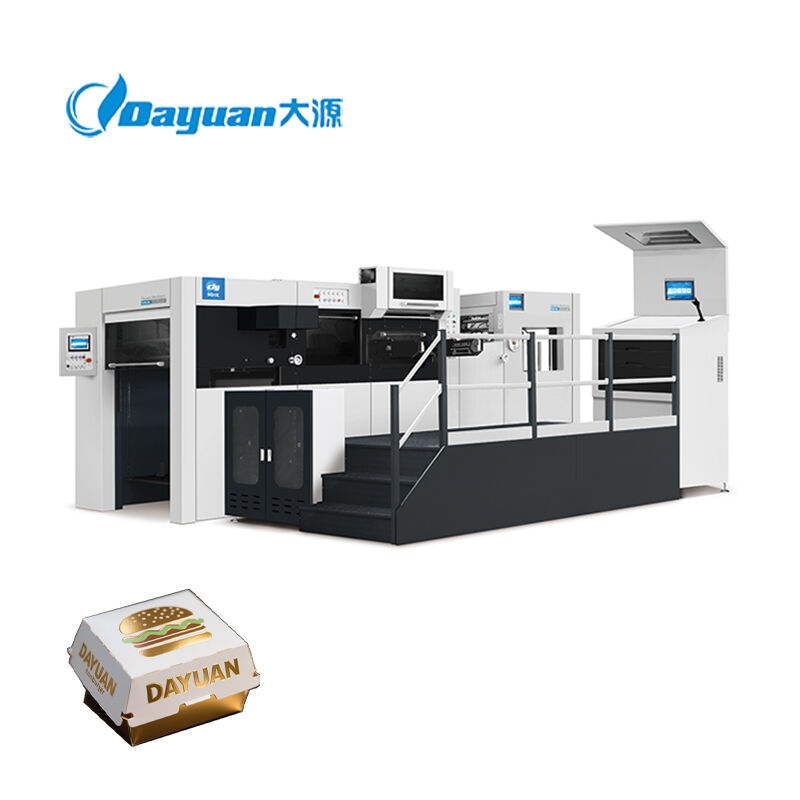
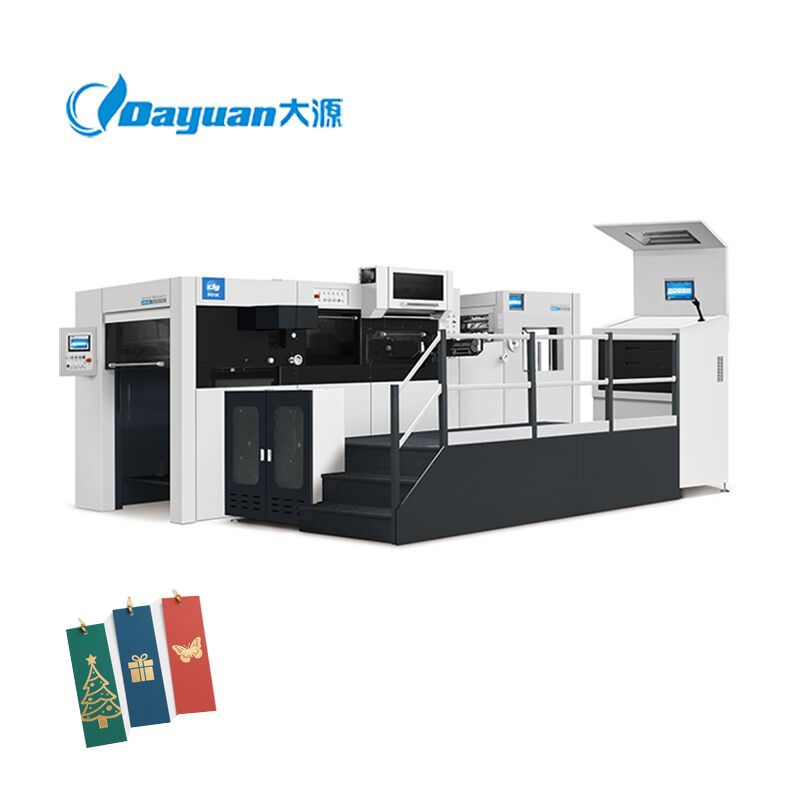
Contemporary hot stamp printer machines incorporate intelligent automation features that dramatically increase production capacity while reducing operator fatigue and the potential for human error during repetitive stamping tasks. These advanced systems include programmable cycle controllers that manage the complete stamping sequence from foil advancement to die descent, dwell time, and return stroke, ensuring perfectly timed operations that optimize transfer quality and production speed. The automation capabilities transform labor-intensive manual processes into efficient semi-automated or fully automated workflows where operators primarily focus on material loading and quality inspection rather than controlling each individual impression. Automatic foil feeding mechanisms advance the carrier film precisely between stamping cycles, eliminating the manual indexing that slows production and occasionally results in double-stamping over previously used foil sections that waste material and create defective impressions. The hot stamp printer machine equipped with sensor-based foil detection can alert operators when supply rolls near depletion, preventing mid-run interruptions that disrupt workflow and potentially cause missed deadlines. Programmable dwell time controls allow users to specify exactly how long the heated die remains in contact with the substrate, optimizing heat transfer for different material combinations without relying on operator judgment or manual timing that introduces variability. This precision proves especially valuable for complex substrates requiring extended heat exposure or delicate materials needing minimal contact time to prevent damage. Counter functions track the number of completed impressions, facilitating production monitoring, quality control sampling schedules, and predictive maintenance planning based on actual machine usage rather than estimated cycles. Safety interlocks integrated into automated hot stamp printer machines protect operators from injury by preventing die closure when hands or objects occupy the stamping area, meeting workplace safety regulations while maintaining production efficiency. The programmable nature of modern controls enables storage of multiple job profiles with customized parameters for temperature, pressure, timing, and cycle speed, allowing instant recall of proven settings when repeating previous orders without time-consuming manual adjustments. This capability proves invaluable for businesses handling recurring projects or serving clients with ongoing decoration needs, as setup time drops to mere minutes compared to the extended configuration periods required by manual equipment. Automated operation also reduces the skill level required for competent machine operation, expanding the available labor pool and simplifying training programs for new employees who can achieve professional results after abbreviated instruction periods. The consistency delivered by automated hot stamp printer machine systems exceeds human capabilities for maintaining identical parameters across thousands of impressions, resulting in uniform quality that strengthens brand perception and reduces customer complaints about variation within production lots. Energy efficiency improves through automation features that optimize heating cycles and reduce idle time between operations, lowering utility costs while supporting corporate sustainability initiatives that increasingly influence purchasing decisions and brand reputation. The return on investment for automated hot stamp printer machines accelerates through increased output capacity that allows businesses to fulfill larger orders, accept more clients, and compete for contracts requiring guaranteed production volumes within specified timeframes that manual equipment cannot reliably achieve.
 EN
EN