Versatile Configuration Options for Diverse Production Needs
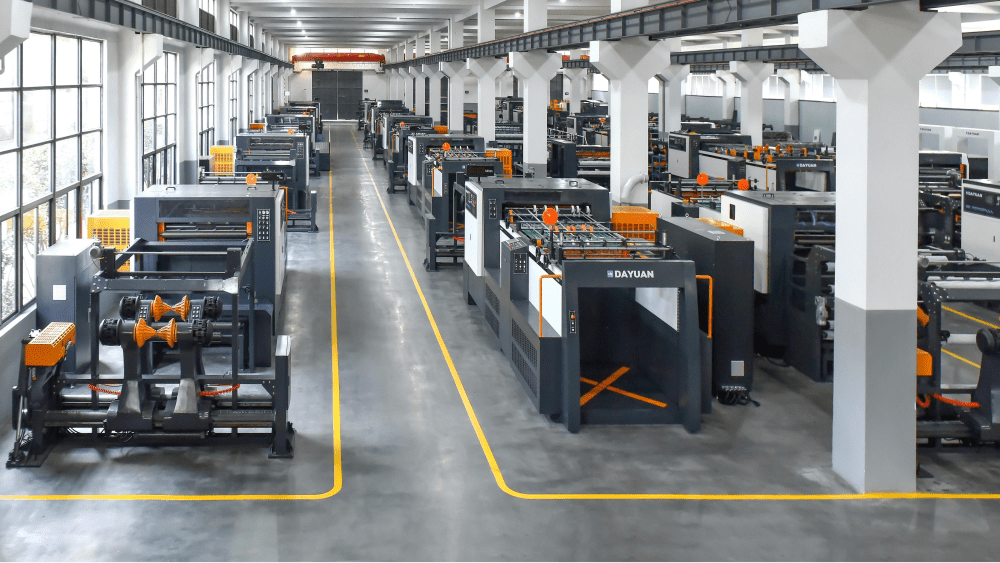
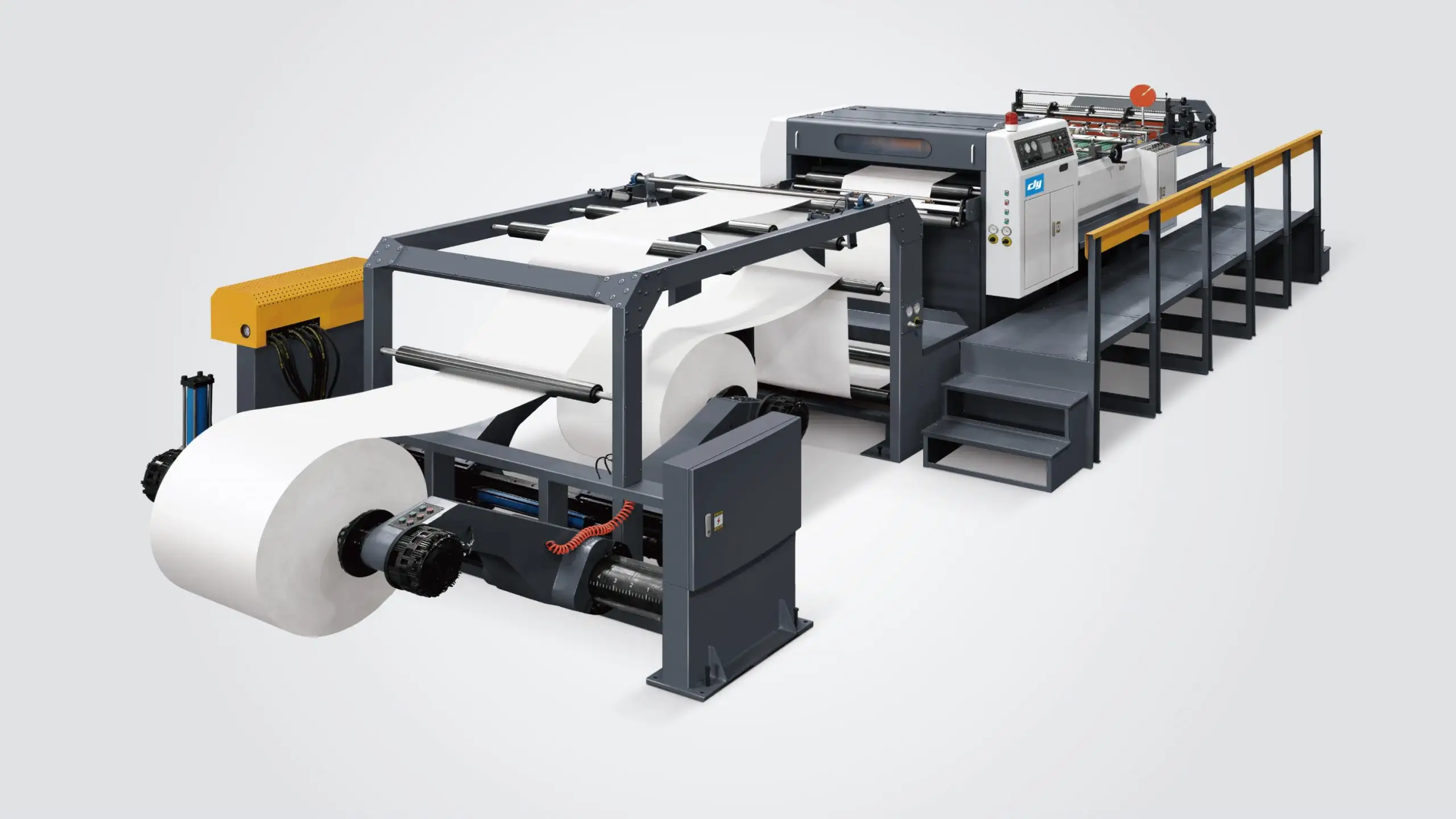
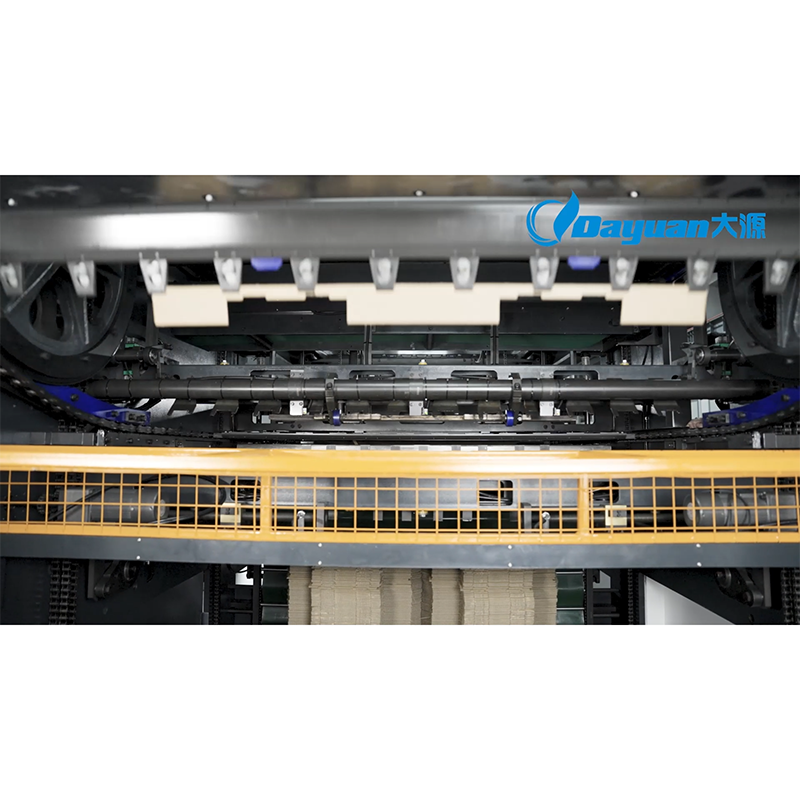
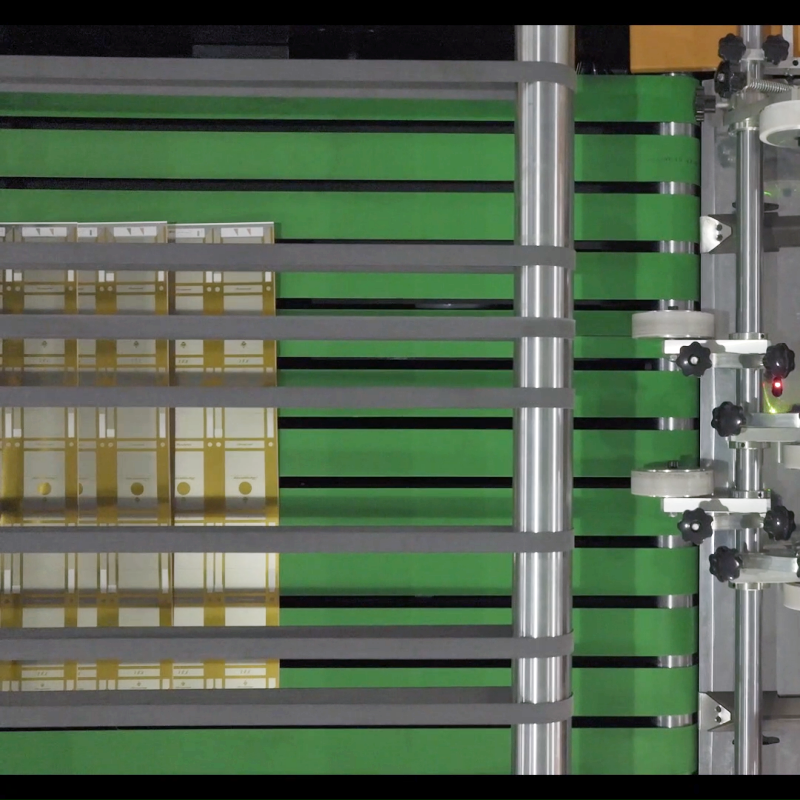
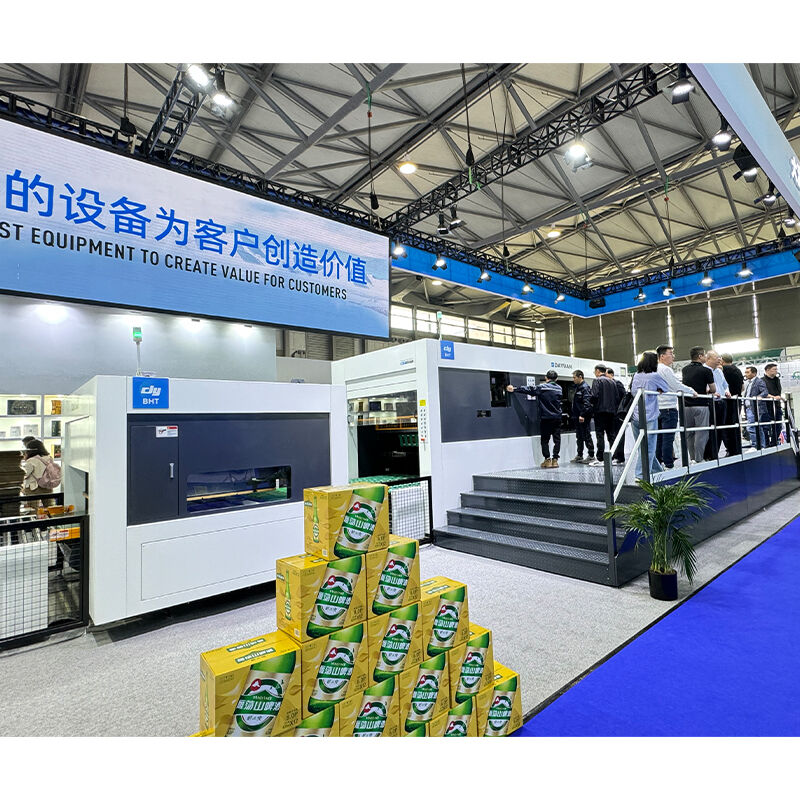
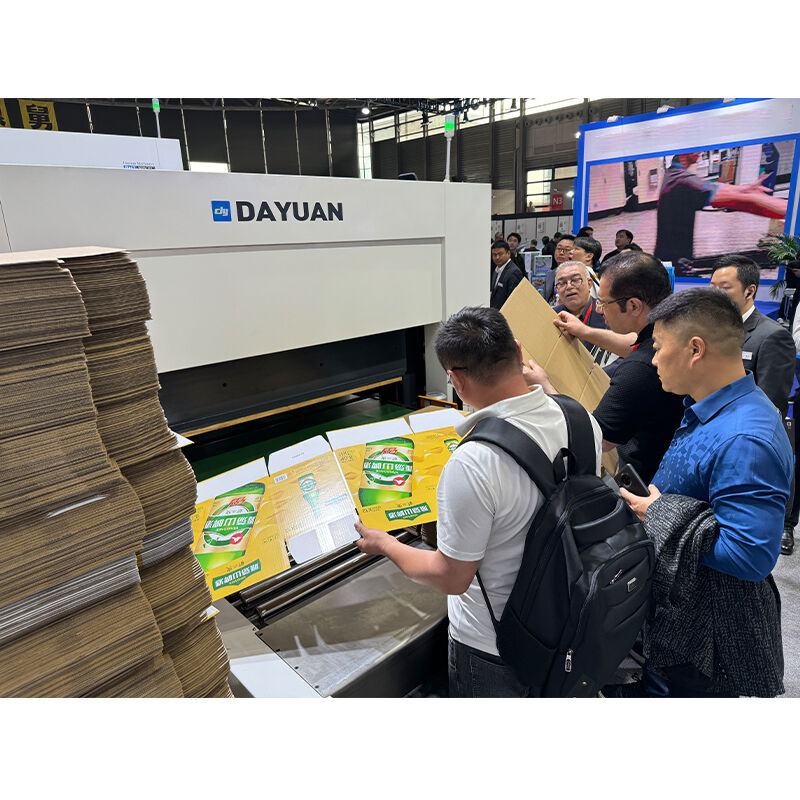
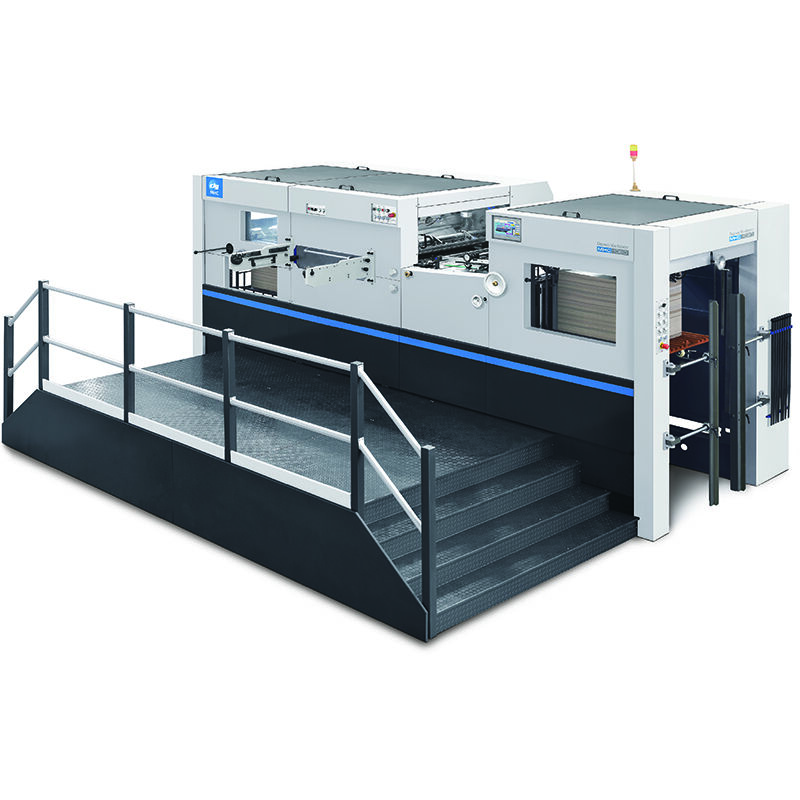
One of the most valuable characteristics of modern carton waste strippers is their remarkable adaptability to different production scenarios, material specifications, and design complexities. This versatility begins with adjustable stripping stations that can be reconfigured to accommodate cartons ranging from simple rectangular boxes to intricate designs featuring multiple cutouts, windows, and complex geometries. The machine's framework typically includes modular components that can be added, removed, or repositioned based on the specific requirements of each job, allowing a single piece of equipment to handle a wide spectrum of products rather than requiring dedicated machines for different applications. Material thickness compatibility extends across a broad range, with quality machines processing everything from lightweight paperboard used in consumer product packaging to heavy-duty corrugated cardboard employed in shipping containers. This range is achieved through adjustable pressure settings, variable-speed drives, and interchangeable tooling that can be optimized for different material characteristics. Operators can fine-tune parameters such as stripping force, dwell time, and vacuum intensity to match the specific properties of the cardboard being processed, preventing issues like tearing of thin materials or incomplete removal from thick, rigid sheets. The size capacity of these machines varies from compact models suitable for smaller operations producing standardized packaging to large-format systems capable of handling sheets exceeding one meter in dimension. This scalability means businesses can select equipment that matches their current production volume while retaining the option to upgrade to higher-capacity models as their operations expand. Integration capabilities represent another dimension of versatility, as carton waste strippers can function as standalone units or connect seamlessly with upstream die-cutting equipment and downstream stacking, counting, or packaging systems. This flexibility allows companies to build customized production lines that match their specific workflow requirements rather than forcing operational processes to conform to equipment limitations. The ability to save and recall job settings digitally further enhances versatility by eliminating repetitive manual adjustments when returning to previously run products, reducing setup time and ensuring consistent results across production runs separated by days, weeks, or months.
 EN
EN