Professional Waste Stripping Machine Solutions - Boost Efficiency & Quality in Die-Cutting Operations

+86-577-58918888
All Categories

waste stripping machine

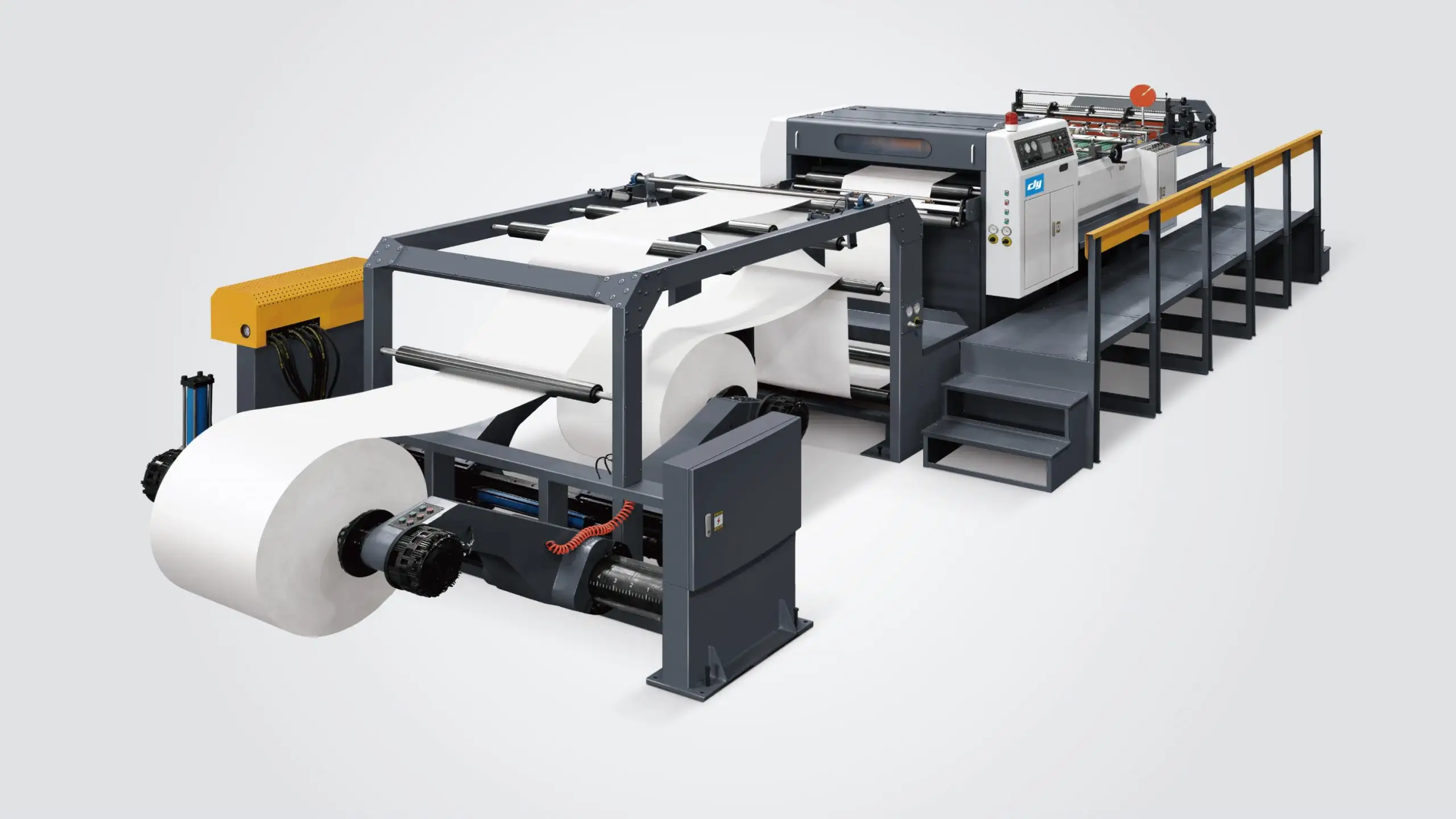
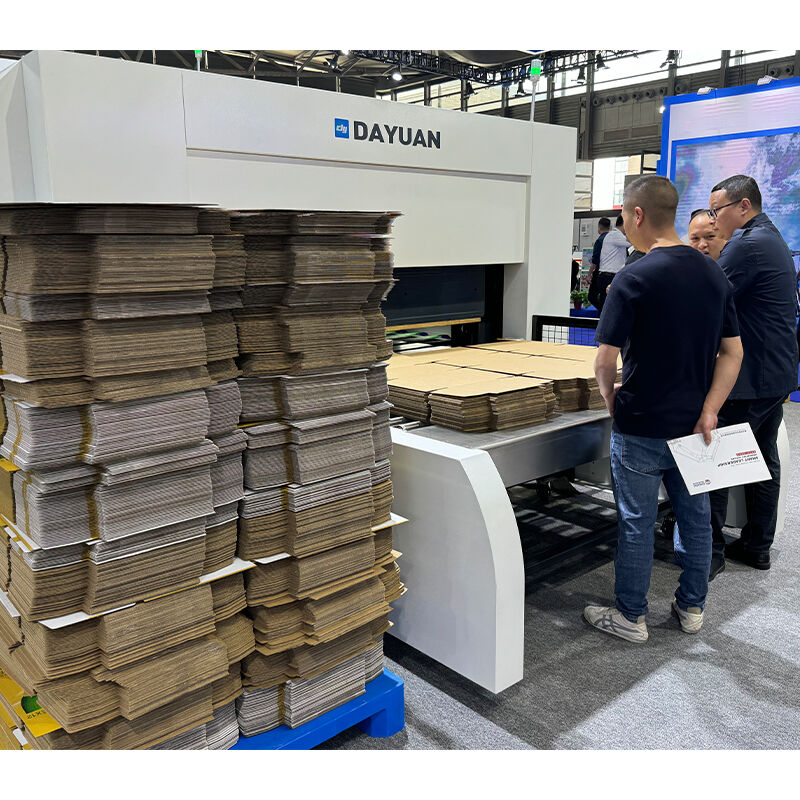
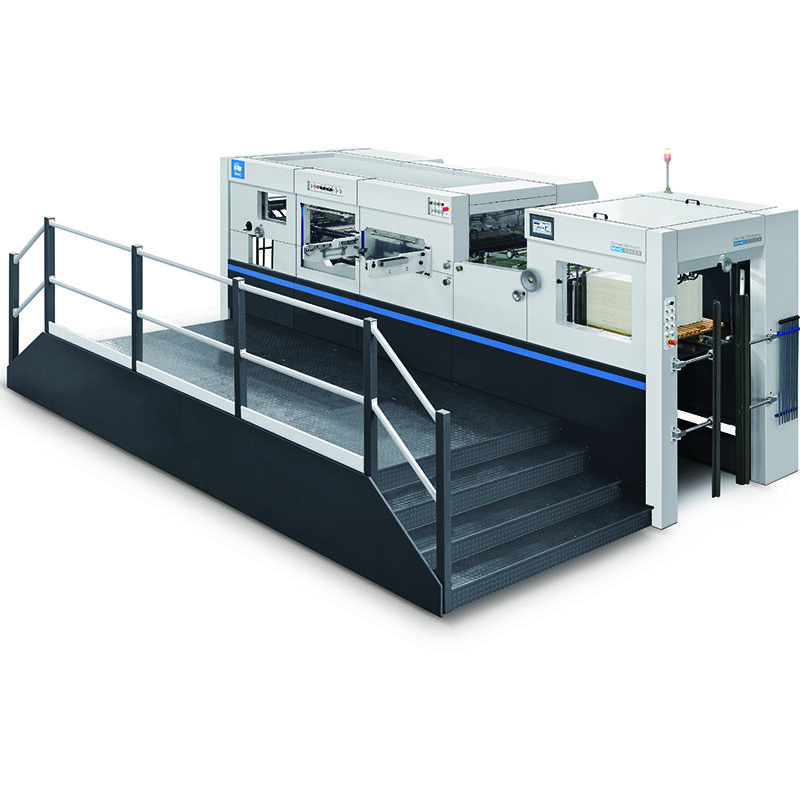
The waste stripping machine represents a critical advancement in post-processing equipment for the printing, packaging, and label manufacturing industries. This sophisticated device automates the removal of excess material from die-cut products, transforming what was once a labor-intensive manual task into an efficient, precision-driven operation. At its core, the waste stripping machine eliminates unwanted material surrounding finished products after die-cutting or punching processes, leaving only the desired shapes ready for subsequent production stages. The primary function involves systematically separating and collecting scrap material from valuable product areas, significantly reducing production time while maintaining exceptional accuracy. Modern waste stripping machines incorporate advanced sensor technology that identifies product boundaries with remarkable precision, ensuring no damage occurs to finished items during the stripping process. These machines excel at handling various materials including paper, cardboard, corrugated board, adhesive labels, flexible packaging films, and specialty substrates. The technological features embedded within contemporary models include programmable control systems that allow operators to store multiple job specifications, automatic tension adjustment mechanisms that adapt to different material thicknesses, and integrated collection systems that organize waste material for recycling purposes. Speed variability represents another crucial feature, enabling production facilities to match stripping rates with upstream and downstream equipment capabilities. The application range for waste stripping machines extends across multiple sectors: commercial printing houses utilize them for business cards and promotional materials, packaging manufacturers rely on them for folding carton production, label converters depend on them for sticker and decal finishing, and corrugated box producers employ them for display packaging fabrication. The equipment's versatility accommodates both short-run custom jobs and high-volume production scenarios, making it an indispensable asset for businesses seeking to optimize their finishing operations while maintaining competitive output levels and superior product quality standards.

New Product Releases

Investing in a waste stripping machine delivers substantial operational improvements that directly impact your bottom line and production capabilities. The first major advantage centers on dramatic labor cost reduction, as these machines eliminate the need for multiple workers performing tedious manual stripping tasks for hours on end. What previously required a team of employees can now be accomplished by a single operator monitoring the automated process, freeing your workforce to focus on higher-value activities that require human judgment and creativity. Production speed increases represent another compelling benefit, with modern machines processing materials at rates up to ten times faster than manual methods, enabling you to fulfill larger orders within shorter timeframes and accept rush jobs that would have been impossible previously. Consistency and quality improvements constitute a third significant advantage, as the machine applies uniform pressure and follows precise patterns with every cycle, eliminating the variations inherent in hand-stripping where fatigue and distraction lead to inconsistent results. This reliability translates directly into reduced waste from damaged products and fewer customer complaints about quality inconsistencies. The equipment also enhances workplace safety by removing repetitive motion injuries associated with manual stripping, reducing workers' compensation claims and employee absenteeism while creating a more positive work environment. Material versatility provides additional value, as these machines adapt to handle thin films, thick cardboard, and everything in between without requiring separate equipment investments for each substrate type. The automated waste collection feature keeps your production floor organized and facilitates easier recycling practices, potentially creating a revenue stream from materials that would otherwise be discarded haphazardly. Return on investment typically occurs within eighteen to thirty months for most facilities, after which the cost savings compound continuously throughout the machine's operational lifespan. Energy efficiency in modern models means operating costs remain manageable even during extended production runs. The ability to store job parameters digitally eliminates setup errors when returning to repeat orders, ensuring first-run accuracy and reducing setup time between different projects. Compact footprints allow integration into existing production lines without requiring facility expansion, and modular designs mean you can upgrade capabilities as your business grows rather than replacing entire systems. Finally, the professional finish quality these machines deliver helps you compete for premium accounts that demand flawless execution, opening doors to higher-margin work that elevates your market position and business reputation within your industry sector.

Latest News

Why Is a Paper Cutter Machine a Vital Tool for Achieving Clean Edges in Print and Publishing Work?

20

Jan

Why Is a Paper Cutter Machine a Vital Tool for Achieving Clean Edges in Print and Publishing Work?

In the high-stakes world of professional print and publishing, the difference between good and exceptional often lies in the details unseen by the untrained eye. Among these, the precision of a clean, sharp edge is paramount. It is the final signatur...
View More
What Safety Features Should You Look for in Modern Paper Cutter Machines for Industrial Use?

18

Mar

What Safety Features Should You Look for in Modern Paper Cutter Machines for Industrial Use?

Industrial paper cutter machines represent a critical component in manufacturing, printing, and packaging operations worldwide. These sophisticated devices must balance precision, efficiency, and operator safety to meet the demanding requirements of ...
View More
How Do You Select the Right Paper Die Cutting Machine for Folding Cartons vs. Corrugated Board?

02

Apr

How Do You Select the Right Paper Die Cutting Machine for Folding Cartons vs. Corrugated Board?

Selecting the right paper die cutting machine for different packaging applications requires understanding the fundamental differences between folding carton and corrugated board production requirements. The choice between these substrate types direct...
View More
What Patented Technologies Should You Look for in a High-Performance Paper Die Cutting Machine?

02

Apr

What Patented Technologies Should You Look for in a High-Performance Paper Die Cutting Machine?

When investing in a high-performance paper die cutting machine for industrial production, understanding the patented technologies that differentiate premium equipment from standard alternatives becomes crucial for making informed purchasing decisions...
View More

Get a Free Quote

Our representative will contact you soon.
Email
Name
Company Name
Required Product
Message
0/1000

waste stripping machine

Precision Engineering for Zero-Defect Output

Precision Engineering for Zero-Defect Output

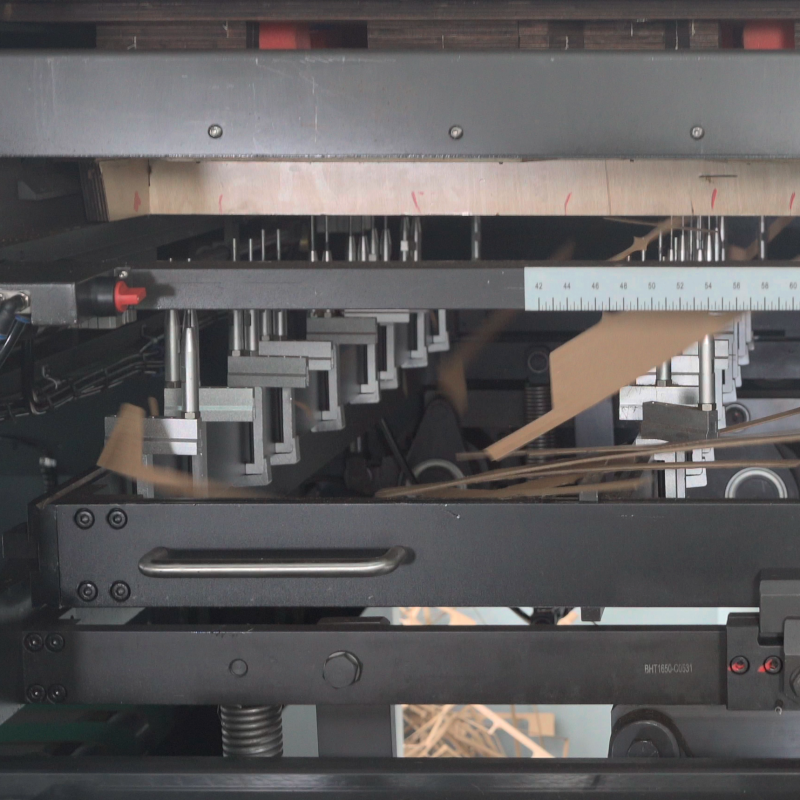
The precision engineering incorporated into modern waste stripping machines sets a new standard for finishing quality that manual processes simply cannot match. At the heart of this precision lies sophisticated sensor arrays that scan material surfaces thousands of times per second, creating detailed maps of where product areas end and waste sections begin. These sensors employ optical, laser, or ultrasonic technologies depending on material characteristics, ensuring accurate detection regardless of substrate color, texture, or transparency levels. The machine's control system processes this sensory data in real-time, making instantaneous adjustments to stripping blade pressure, angle, and position to accommodate variations in material thickness or density that occur naturally in production runs. This adaptive capability prevents the two most common defects in stripping operations: incomplete waste removal that leaves unsightly tabs or fragments attached to finished products, and excessive pressure that tears into product areas causing costly scrap. The precision extends to the stripping mechanism itself, where engineered blades or needles manufactured to exacting tolerances follow programmed paths with repeatability measured in hundredths of millimeters. This level of accuracy proves especially critical when working with intricate die-cut patterns featuring fine details, tight inside corners, or delicate connecting bridges that must remain intact. Advanced models incorporate vision systems that photograph each sheet before and after stripping, automatically comparing results against stored templates to verify complete waste removal and immediate flagging of any anomalies for operator review. This quality assurance happens at full production speed without slowing output, providing documentation for quality management systems and customer audits. The precision engineering also manifests in the material handling components, where carefully calculated roller pressures and belt speeds maintain perfect registration throughout the stripping process, preventing the shifting or distortion that would misalign subsequent operations. Temperature controls in premium models manage heat buildup that might affect adhesive properties or material dimensional stability during extended runs. The cumulative effect of these precision elements delivers defect rates below one percent even on complex jobs, compared to five to fifteen percent typical in manual operations, translating to substantial savings in material costs and eliminated rework time while building customer confidence in your ability to deliver flawless products consistently.
Flexible Automation That Adapts to Your Production Needs

Flexible Automation That Adapts to Your Production Needs

Flexibility represents a cornerstone advantage of contemporary waste stripping machines, designed to accommodate the diverse and changing requirements that characterize modern manufacturing environments. Unlike rigid automation systems that excel at single tasks but require extensive reconfiguration for different jobs, these machines incorporate intelligent programming interfaces that allow operators to quickly define new stripping parameters through intuitive touchscreen controls. You can store hundreds of different job specifications in the machine's memory, recalling them instantly when repeat orders arrive without manual measurements or test runs to reestablish proper settings. This digital job library eliminates the tribal knowledge problem where only certain experienced employees know the right settings for particular customers, democratizing expertise across your entire workforce. The physical flexibility matches the digital capabilities, with adjustable bed sizes that accept materials ranging from small label sheets to full corrugated board panels measuring several feet in dimensions. Quick-change tooling systems allow switching between different stripping configurations in minutes rather than hours, accommodating facilities that run numerous short jobs throughout each shift. Modular construction means you can start with a basic configuration matching your current needs and budget, then add capabilities like automatic feeding systems, sheet turning mechanisms, or waste compaction units as production volumes grow or you expand into new product categories. The machines integrate seamlessly into various workflow configurations, functioning as standalone units for job shops, connecting in-line with die-cutting presses for continuous processing, or linking to downstream equipment like folding, gluing, or packaging systems for fully automated production cells. Speed variability through programmable controls lets you match the stripping pace to bottlenecks elsewhere in your process, preventing material pileups or equipment idle time that wastes production capacity. Some advanced models feature dual-mode operation that switches between automated stripping for standard jobs and semi-automatic mode for unusual pieces requiring operator judgment, providing the best of both worlds within a single equipment investment. The flexibility extends to material compatibility, with tension and pressure settings that adjust automatically when sensors detect different substrate characteristics, eliminating the manual tweaking that consumes valuable production time. This adaptability proves especially valuable for converters and trade finishers who serve diverse client bases with constantly varying specifications, allowing you to say yes to opportunities that competitors must decline due to equipment limitations, thereby capturing market share and building broader customer relationships that stabilize revenue streams across economic cycles.
Sustainable Operation With Environmental and Economic Benefits

Sustainable Operation With Environmental and Economic Benefits

Sustainability considerations have become central to equipment purchasing decisions as businesses respond to regulatory requirements, customer expectations, and resource cost pressures, making the environmental profile of waste stripping machines an increasingly important advantage. These systems promote sustainability through multiple mechanisms that reduce environmental impact while simultaneously improving operational economics. The organized waste collection inherent in automated stripping creates clean, sorted material streams ideal for recycling programs, contrasting sharply with the contaminated, mixed waste typical of manual operations where materials scatter across work areas and become unsuitable for recycling processors. This organized collection allows you to establish relationships with recyclers who pay premium rates for clean, uniform waste streams, potentially generating revenue that offsets equipment operating costs. Several manufacturers now offer waste compaction attachments that reduce collected material volume by seventy to eighty percent, decreasing hauling frequency and transportation emissions while lowering waste management expenses. Energy efficiency engineering reduces power consumption compared to older pneumatic systems, with modern electric servo motors that draw current only during active stripping moments rather than maintaining constant pressure like hydraulic systems that waste energy as heat. Some models achieve such efficiency that they operate successfully from standard wall outlets without requiring dedicated electrical installations, simplifying facility integration and reducing infrastructure costs. The precision waste removal these machines deliver means fewer finished products suffer damage that renders them scrap, improving overall material yield and reducing the environmental footprint per completed unit. Extended equipment lifespan through robust construction and quality components means fewer machines entering waste streams, while modular upgrade paths prevent premature obsolescence that forces complete system replacement when only certain capabilities need updating. Noise reduction technologies create quieter work environments that improve employee satisfaction and comply with occupational health standards without requiring expensive sound isolation construction. The elimination of manual stripping also removes the need for various chemical aids sometimes employed to ease material separation, eliminating potential exposure risks and disposal requirements associated with these substances. Maintenance requirements remain minimal with sealed bearing systems and self-lubricating components that eliminate messy greases and oils that complicate cleaning and create disposal challenges. Documentation capabilities built into machine controls support environmental management system requirements by tracking material usage, waste generation, and equipment efficiency metrics that many facilities must report for certifications or regulatory compliance. These sustainability features align with corporate social responsibility goals that increasingly influence purchasing decisions among major brands, making your facility a more attractive partner when competing for contracts with blue-chip clients who audit supplier environmental practices as part of vendor qualification processes.

Get a Free Quote

Our representative will contact you soon.
Email
Name
Company Name
Required Product
Message
0/1000