Manual Foil Stamping Machine - Professional Finishing Equipment for Premium Customization

+86-577-58918888
All Categories

manual foil stamping machine

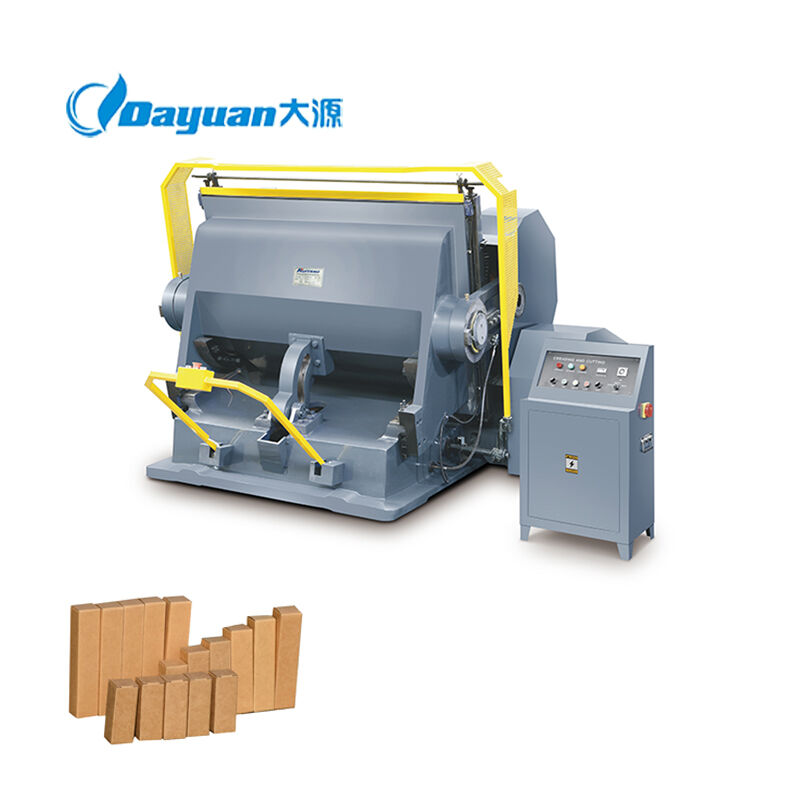
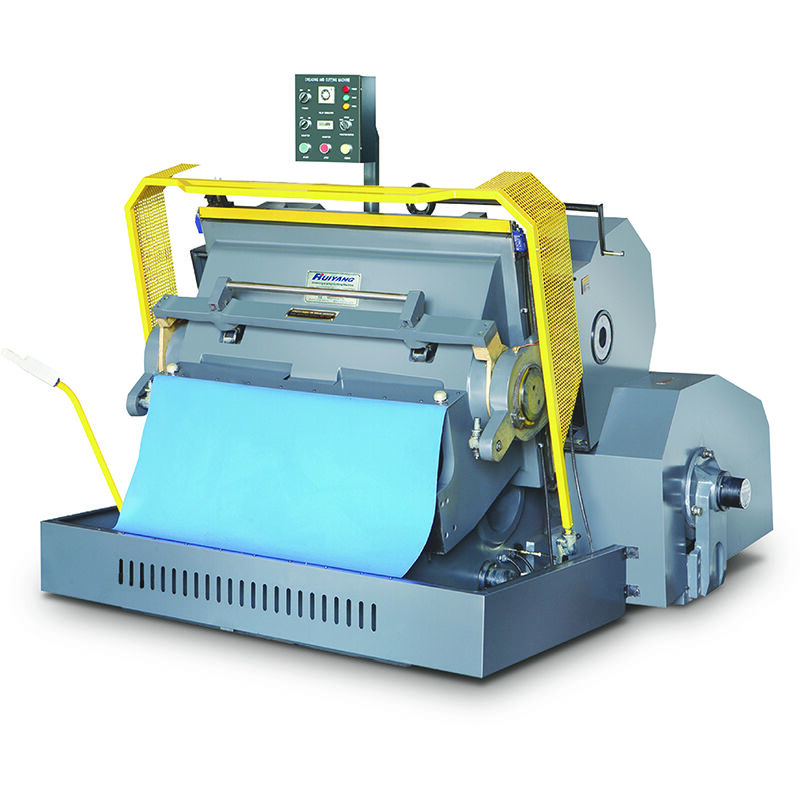
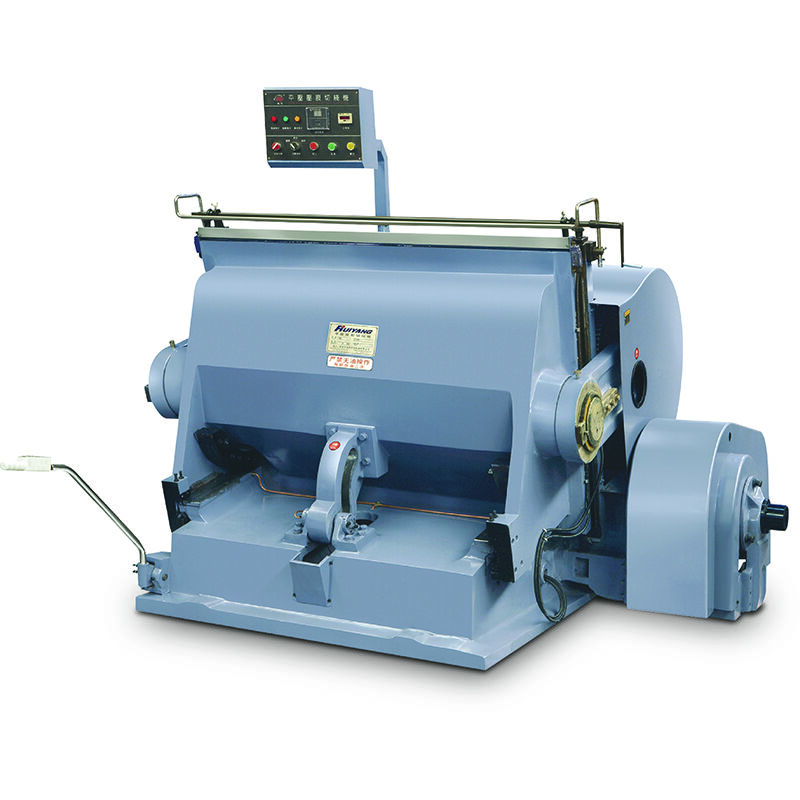
The manual foil stamping machine represents an essential tool for businesses and craftspeople seeking to add elegant metallic finishes to their products. This versatile equipment enables users to transfer metallic or pigmented foil onto various surfaces through the application of heat and pressure. The primary function of a manual foil stamping machine involves creating stunning decorative effects on paper, leather, cardboard, fabric, and numerous other materials. Unlike automated systems, this device operates through manual control, giving operators precise command over every aspect of the stamping process. The machine consists of several key components including a heated plate or die, a pressure mechanism, and a positioning system that ensures accurate placement of foil designs. Users can create professional-quality results ranging from simple text and logos to intricate patterns and detailed artwork. The technological features of a manual foil stamping machine include adjustable temperature controls that accommodate different foil types and substrate materials, typically ranging from room temperature to approximately 200 degrees Celsius. The pressure adjustment mechanism allows operators to fine-tune the force applied during stamping, ensuring optimal adhesion without damaging delicate materials. Many models incorporate interchangeable dies or plates, enabling quick transitions between different designs and providing remarkable versatility for varied projects. The applications for a manual foil stamping machine span numerous industries and creative fields. In the printing and packaging sector, these machines add premium finishes to business cards, invitations, certificates, book covers, and luxury packaging. Craft enthusiasts utilize them for personalizing stationery, creating custom greeting cards, and embellishing scrapbooks. The leather goods industry employs manual foil stamping machines for branding wallets, belts, journals, and accessories. Small businesses benefit from the ability to offer customized products without significant capital investment in fully automated equipment. Educational institutions use these machines in graphic design and printing courses, providing students with hands-on experience in traditional finishing techniques that remain relevant in modern production environments.

Popular Products

The manual foil stamping machine delivers numerous practical benefits that make it an attractive investment for various users. First and foremost, the affordability of this equipment stands out as a significant advantage, particularly for small businesses, startups, and individual craftspeople who need professional results without the substantial financial commitment required by automated systems. The initial purchase price remains accessible, and ongoing operational costs stay minimal since the machine requires no complex electronics or computerized components that might need expensive repairs or updates. The simplicity of operation represents another compelling benefit, as users can quickly learn to produce quality results without extensive technical training or specialized knowledge. The straightforward mechanical design means operators gain proficiency within hours rather than days or weeks, reducing the learning curve and allowing businesses to start generating revenue from their investment almost immediately. This ease of use also translates to reduced training expenses and faster employee onboarding when expanding operations. Portability and space efficiency make the manual foil stamping machine ideal for businesses with limited workspace or those requiring equipment mobility. The compact footprint allows placement on standard workbenches or tables, and many models feature lightweight construction that permits easy relocation between work areas or transportation to different locations for on-site customization services. This flexibility proves invaluable for businesses attending trade shows, craft fairs, or providing mobile personalization services. The precision control offered by manual operation enables users to achieve results that sometimes surpass automated alternatives, especially when working with delicate materials or executing intricate designs requiring nuanced pressure application. Operators develop an intuitive feel for the optimal heat, pressure, and timing combinations through hands-on experience, allowing them to adapt quickly to different materials and foil types. This tactile feedback helps prevent errors and material waste that can occur with pre-programmed automated systems encountering unexpected variations in substrate thickness or composition. Energy efficiency represents a practical economic advantage, as manual foil stamping machines consume significantly less electricity than their automated counterparts. The heating element only draws power during actual use, and the absence of motors, computers, and auxiliary systems keeps energy costs minimal. This reduced consumption benefits both operating expenses and environmental sustainability goals. The minimal maintenance requirements further enhance the value proposition, as the simple mechanical design features fewer components that can malfunction or require replacement. Regular cleaning and occasional lubrication typically suffice to keep the machine operating smoothly for years, eliminating concerns about obsolescence or costly service contracts. The versatility to work with diverse materials and foil colors without complicated programming or setup procedures allows businesses to quickly respond to customer requests and market trends, expanding their service offerings and revenue opportunities without additional equipment investments.

Latest News

How to Choose a Flatbed Die Cutter for Thick Materials

13

Mar

How to Choose a Flatbed Die Cutter for Thick Materials

Understanding Industrial Die Cutting Excellence The world of industrial die cutting has evolved significantly, with flatbed die cutters emerging as essential tools for businesses handling thick materials. These robust machines combine precision, powe...
View More
How to Maintain the Blade and Calibration of Your Paper Cutter Machine for Safe Operation?

22

Jan

How to Maintain the Blade and Calibration of Your Paper Cutter Machine for Safe Operation?

Maintaining your paper cutter machine is essential for ensuring consistent performance, operator safety, and product longevity. Regular maintenance of both the cutting blade and calibration system prevents costly repairs while maximizing productivity...
View More
What Regular Maintenance Keeps Your Paper Die Cutting Machine’s Creasing and Cutting Tools in Top Shape?

02

Apr

What Regular Maintenance Keeps Your Paper Die Cutting Machine’s Creasing and Cutting Tools in Top Shape?

Maintaining optimal performance in your paper die cutting machine requires systematic attention to the creasing and cutting tools that form the heart of your production operation. These precision components endure tremendous stress during high-volume...
View More
Why Should Your Paper Die Cutting Machine Be Part of an Intelligent Production Line for Smart Manufacturing?

02

Apr

Why Should Your Paper Die Cutting Machine Be Part of an Intelligent Production Line for Smart Manufacturing?

Modern manufacturing demands more than isolated equipment operating independently. The question of why your paper die cutting machine should integrate into an intelligent production line reflects a fundamental shift toward smart manufacturing paradig...
View More

Get a Free Quote

Our representative will contact you soon.
Email
Name
Company Name
Required Product
Message
0/1000

manual foil stamping machine

Cost-Effective Solution for Professional Quality Results

Cost-Effective Solution for Professional Quality Results

The manual foil stamping machine delivers exceptional value by providing professional-grade finishing capabilities at a fraction of the cost associated with automated foiling systems. This affordability opens opportunities for entrepreneurs, small business owners, and creative professionals who want to differentiate their products with premium metallic finishes but face budget constraints that make industrial equipment prohibitive. The accessible price point typically ranges from several hundred to a few thousand dollars depending on size and features, compared to tens of thousands required for automated alternatives. This dramatic cost difference allows businesses to allocate resources to other critical areas such as marketing, inventory, or facility improvements while still offering high-end customization services. Beyond the initial investment, the ongoing operational economics remain favorable, as the machine requires only foil rolls and minimal electricity to function. The absence of complex electronic components, software licenses, or proprietary consumables means businesses avoid recurring fees and vendor lock-in situations that can erode profitability over time. The durability and longevity of quality manual foil stamping machines ensure that the initial investment continues delivering returns for many years, often decades, with proper care and maintenance. This extended service life further enhances the return on investment compared to technology-dependent equipment that may require updates or replacement as systems become obsolete. Small businesses particularly benefit from the ability to offer premium customization services that command higher prices without corresponding increases in production costs. A wedding invitation designer can add elegant gold foil accents that elevate perceived value and justify premium pricing, while the actual material cost per piece remains minimal. Similarly, leather goods artisans can brand their products with metallic logos that convey quality and craftsmanship, differentiating their offerings in competitive markets. The manual foil stamping machine thus serves as a profit-generating tool that pays for itself relatively quickly through increased sales, higher margins, and expanded service capabilities. The financial accessibility also reduces risk for those testing new business concepts or adding services to existing operations, as the modest investment allows experimentation without jeopardizing overall business stability. Entrepreneurs can validate market demand for foiled products before committing to larger equipment purchases, making the manual machine an ideal entry point into the finishing services market. Educational institutions and training programs similarly benefit from the affordable acquisition costs, enabling them to provide students with practical experience using industry-relevant equipment without exhausting limited educational budgets.
Complete Operator Control for Customized Precision

Complete Operator Control for Customized Precision

The manual operation of a foil stamping machine provides operators with direct, tactile control over every aspect of the stamping process, resulting in unmatched precision and adaptability that automated systems struggle to replicate in certain applications. This hands-on approach allows experienced users to make real-time adjustments based on immediate feedback, responding to subtle variations in materials, environmental conditions, or design requirements that might confuse or challenge pre-programmed equipment. The operator directly controls pressure application, timing, and positioning, enabling nuanced techniques that achieve optimal results across diverse substrates and foil types. When working with delicate handmade papers, for example, an operator can apply gentler pressure than with sturdy cardstock, preventing damage while still achieving proper foil adhesion. This sensitivity to material characteristics proves particularly valuable when handling unique or premium substrates where each piece may exhibit slight variations in texture, thickness, or composition. The direct control extends to temperature management, allowing operators to fine-tune heat levels for different foil formulations and material combinations. Metallic foils, pigment foils, and holographic varieties each respond optimally to specific temperature ranges, and environmental factors such as humidity and ambient temperature can affect performance. An experienced operator using a manual foil stamping machine can adjust settings on the fly, ensuring consistent quality regardless of conditions. This adaptability proves especially important when working with specialty foils or experimental materials where established guidelines may not exist. The positioning precision achievable through manual operation often exceeds that of automated systems in certain applications, particularly when aligning foil with pre-printed elements or executing multi-layer foiling techniques. Operators can visually confirm exact placement before applying pressure, making minute adjustments to ensure perfect registration. This capability proves invaluable for high-end applications such as luxury packaging, fine art prints, or bespoke stationery where alignment precision directly impacts perceived quality. The learning experience gained through manual operation develops deep understanding of the foiling process that benefits users even if they eventually transition to automated equipment. Operators learn to recognize how different materials respond to heat and pressure, understand the characteristics of various foil types, and develop troubleshooting skills that translate across equipment types. This foundational knowledge proves invaluable when training others, consulting with clients about design feasibility, or optimizing production workflows for efficiency and quality.
Versatile Application Across Multiple Materials and Industries

Versatile Application Across Multiple Materials and Industries

The manual foil stamping machine demonstrates remarkable versatility in accommodating diverse materials and serving multiple industries, making it an invaluable tool for businesses seeking flexibility and broad application capabilities. Unlike specialized equipment designed for specific substrates or limited operations, the manual foil stamping machine adapts readily to paper, cardboard, leather, fabric, wood veneer, certain plastics, and various other materials commonly used in manufacturing and crafting. This multi-material compatibility eliminates the need for separate equipment investments and allows businesses to expand their service offerings without corresponding increases in capital expenditure or workspace requirements. The adjustable pressure and temperature controls enable operators to optimize settings for each material type, ensuring proper foil adhesion without damaging delicate substrates or under-pressing dense materials. In the paper and print industry, the manual foil stamping machine serves businesses producing wedding invitations, business cards, greeting cards, certificates, book covers, and premium packaging. The ability to add metallic accents transforms ordinary printed pieces into memorable products that command premium prices and generate customer loyalty. Designers appreciate the creative freedom to experiment with foil placement, colors, and combinations without the setup costs and minimum quantities often required by commercial foiling services. The leather goods sector relies heavily on manual foil stamping machines for branding and decorative applications on wallets, belts, journals, bags, and accessories. The precise control offered by manual operation proves particularly valuable when working with natural leather that exhibits variation in texture and thickness, as operators can adjust technique for each piece to ensure consistent, professional results. Craft businesses and makers utilize these machines to personalize products ranging from handmade journals and photo albums to wooden signs and fabric banners. The creative possibilities extend to hobbyists who enjoy adding professional touches to scrapbooks, handmade cards, and gift items. Educational applications include graphic design programs, printing technology courses, and vocational training where students learn traditional finishing techniques alongside digital processes. The hands-on experience with manual foil stamping machines provides valuable skills and understanding that enhance students' marketability and creative capabilities. Corporate settings employ these machines for in-house customization of presentations, awards, promotional materials, and packaging, allowing quick turnaround on personalized items without outsourcing delays or costs. Event planners and hospitality businesses use manual foil stamping machines for creating customized menus, place cards, favor tags, and signage that elevate event aesthetics and provide memorable touches. The ability to produce small quantities economically makes the manual foil stamping machine ideal for personalized and limited-edition work where automated equipment would be inefficient or cost-prohibitive. This versatility across materials, industries, and application types ensures that investment in a manual foil stamping machine continues delivering value as businesses evolve, market demands shift, and new creative opportunities emerge.

Get a Free Quote

Our representative will contact you soon.
Email
Name
Company Name
Required Product
Message
0/1000