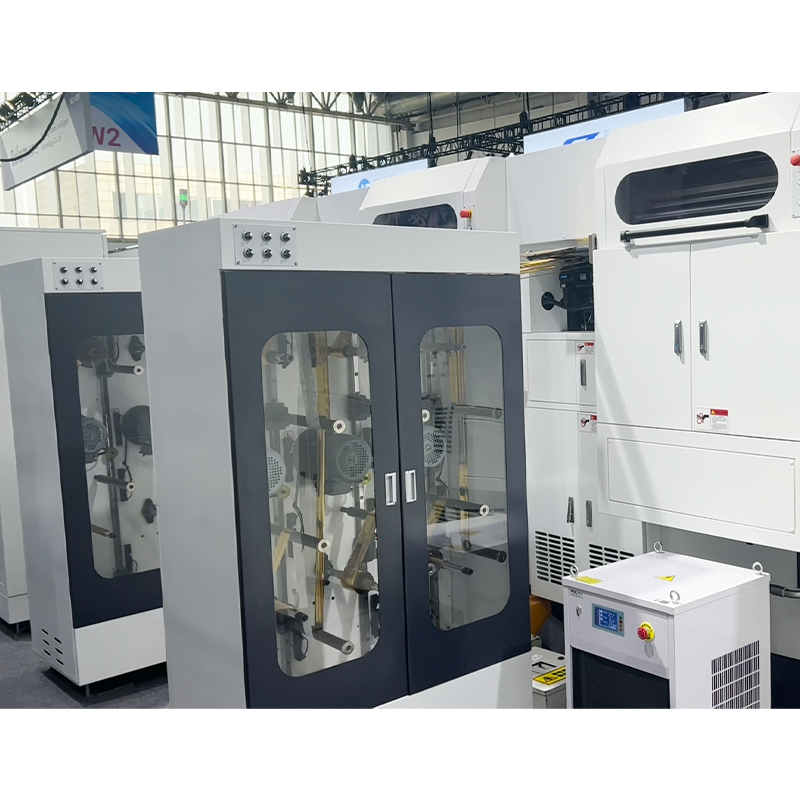
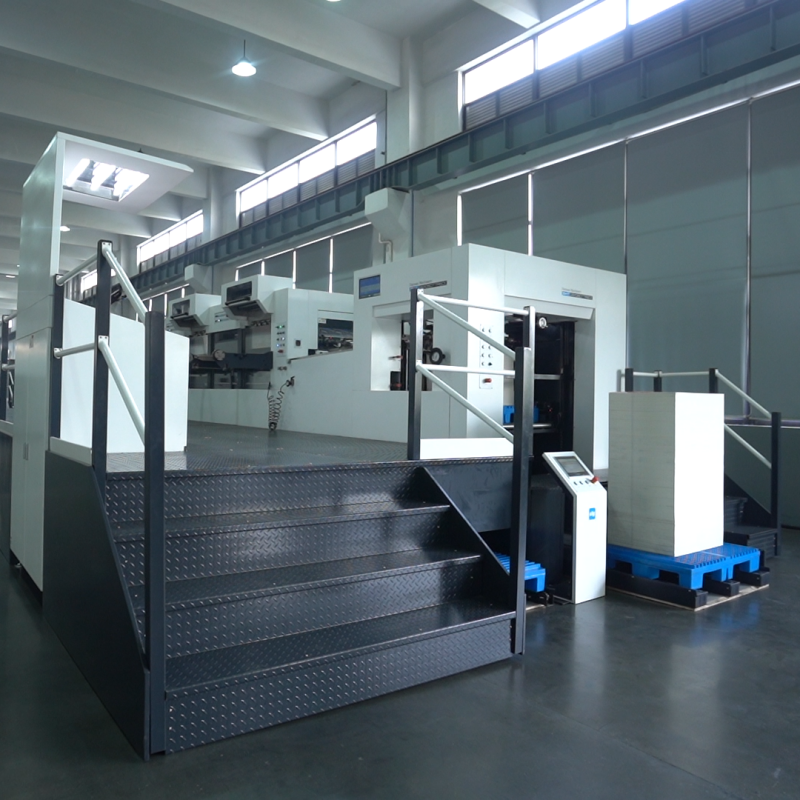
Automatic Foil Feeding and Waste Reduction Technology
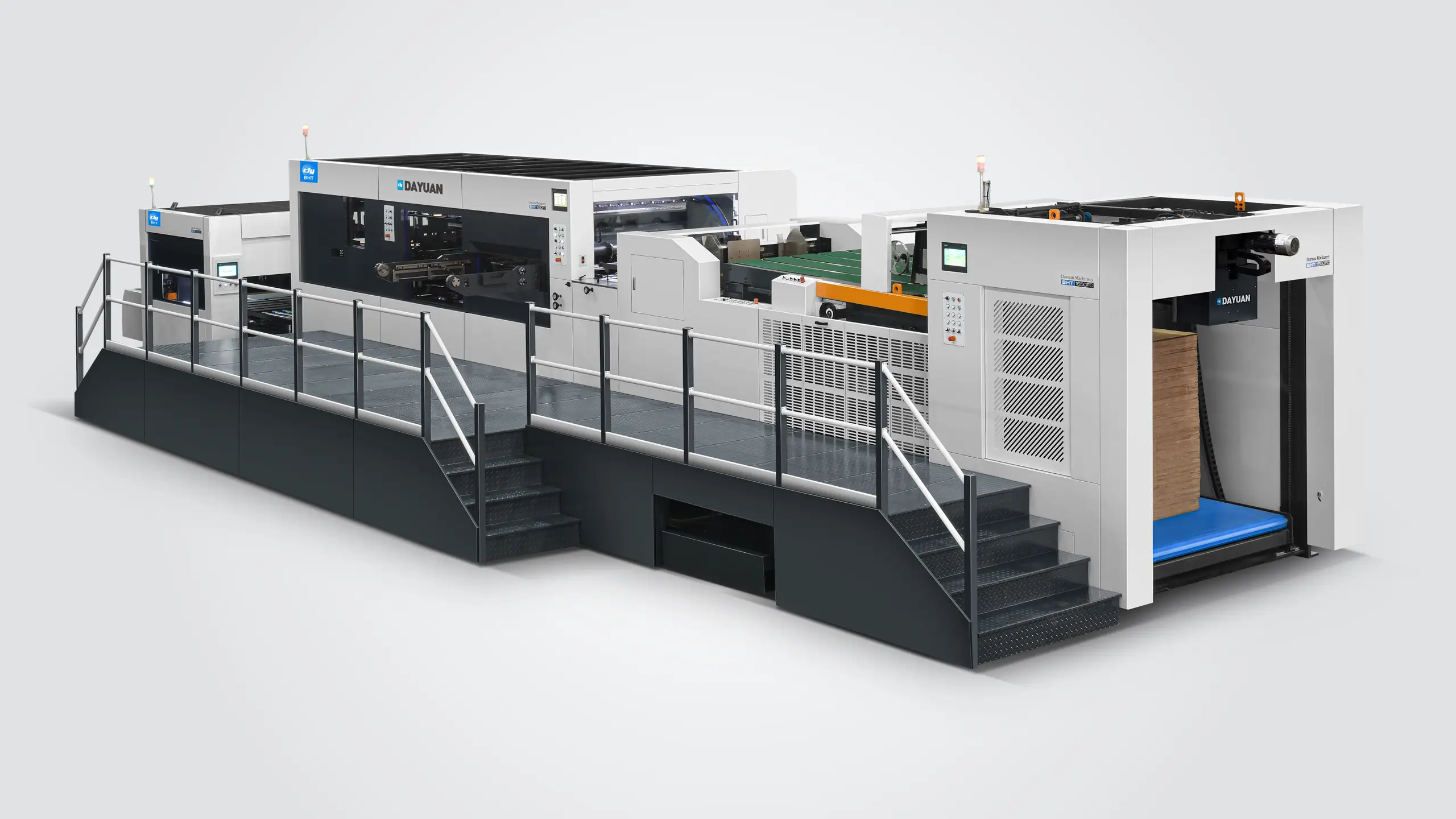
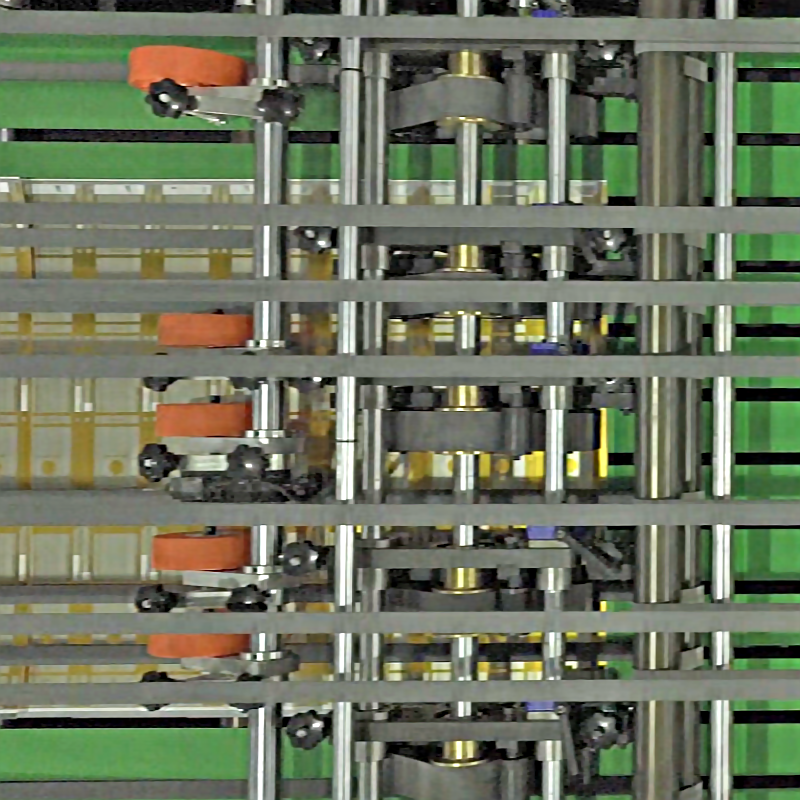
The automatic foil feeding system incorporated into modern oem hot foil stamping machines delivers transformative operational advantages that directly reduce consumable costs and enhance productivity. Traditional manual feeding methods require continuous operator attention to advance the foil ribbon between stamping cycles, creating opportunities for human error, inconsistent indexing distances, and significant material waste. The automated system eliminates these inefficiencies through precision servo motor controls synchronized with the stamping cycle. The mechanism advances the foil ribbon by exact predetermined distances immediately after each impression, positioning fresh foil material in the stamping area for the subsequent cycle. This precise indexing ensures every stamping operation utilizes virgin foil material, guaranteeing consistent transfer quality across the entire production run. The system incorporates tension control mechanisms that maintain optimal ribbon tautness throughout the roll, preventing wrinkles, folds, or slack conditions that could compromise transfer integrity. Adjustable tension settings accommodate different foil types, from thin economical films to thick textured varieties, ensuring compatibility across your entire foil inventory. The breakthrough waste reduction technology represents the most significant economic advantage of advanced feeding systems. Intelligent controllers calculate the minimum foil advancement distance required based on actual stamped area dimensions rather than defaulting to fixed intervals. For designs covering small portions of the available stamping area, the system indexes only slightly beyond the actual stamped zone, maximizing the number of impressions obtained from each foil roll. Some sophisticated oem hot foil stamping machines feature foil-saving modes that skip advancement entirely when stamping intermittent patterns, reusing the same foil section for multiple impressions until the coating depletes. Industry testing demonstrates that these waste reduction technologies decrease foil consumption by twenty to forty percent compared to conventional feeding methods, directly improving your profit margins. The automatic feeding system also incorporates end-of-roll detection sensors that alert operators when foil supplies run low, preventing mid-cycle depletion that would require production stops and potential waste of partially completed pieces. Quick-change roll holders allow staff to replace depleted rolls within seconds, minimizing downtime. The feeding mechanism accommodates various roll widths and core diameters, providing procurement flexibility and enabling you to source foil from multiple suppliers based on price and availability. From a productivity perspective, automatic feeding liberates operators from constant machine monitoring, allowing them to perform secondary tasks such as quality inspection, material preparation, or operating additional equipment. This labor efficiency multiplies the effective output per employee, reducing per-unit labor costs and improving overall facility utilization. The reliable feeding operation also prevents costly die crashes that occur when manual feeding errors cause foil misalignment, protecting your investment in custom dies and maintaining production schedules.
 EN
EN