Automated Feeding Systems for Production Efficiency
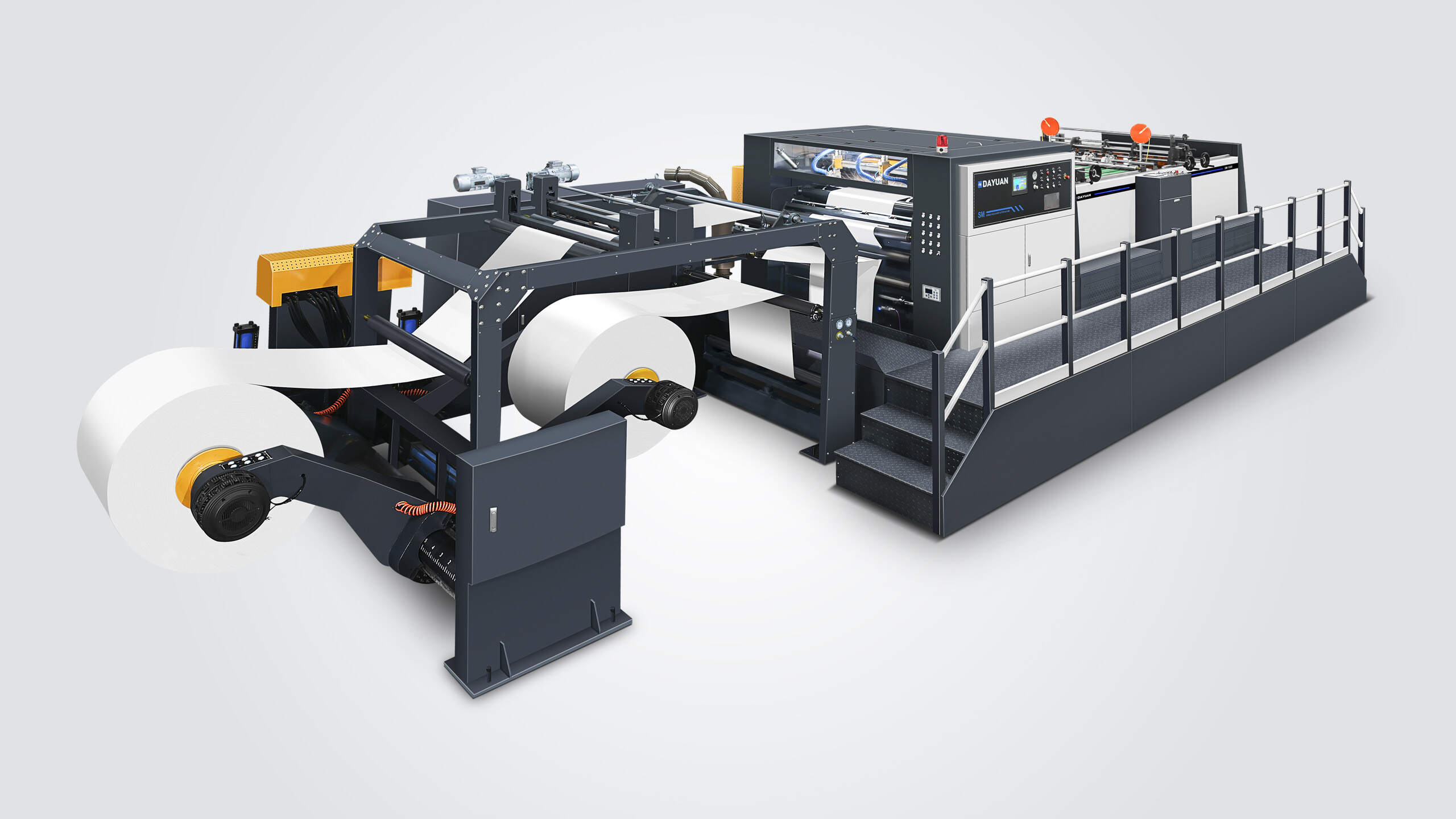
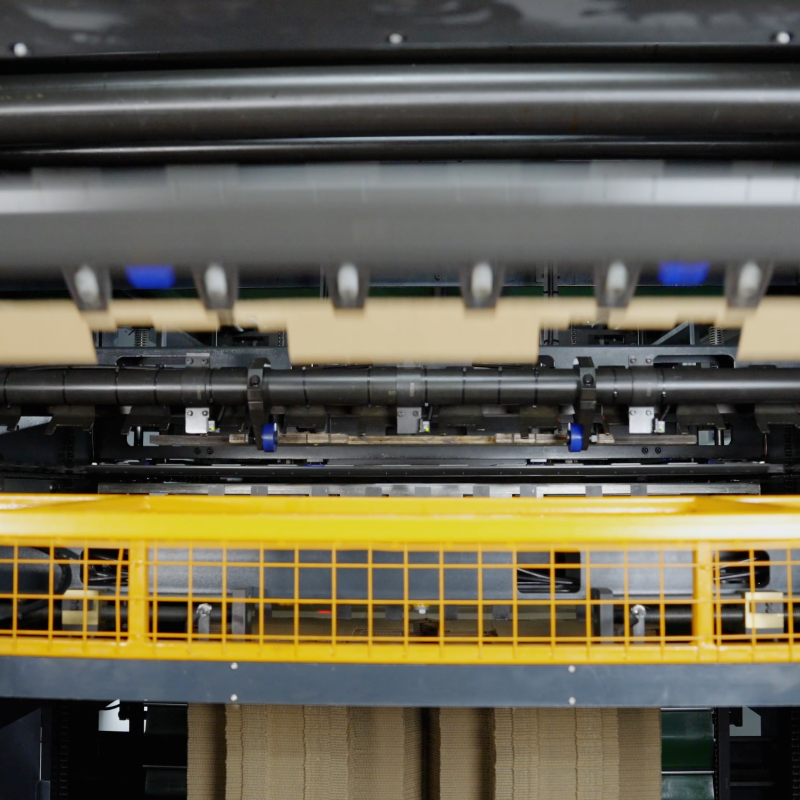
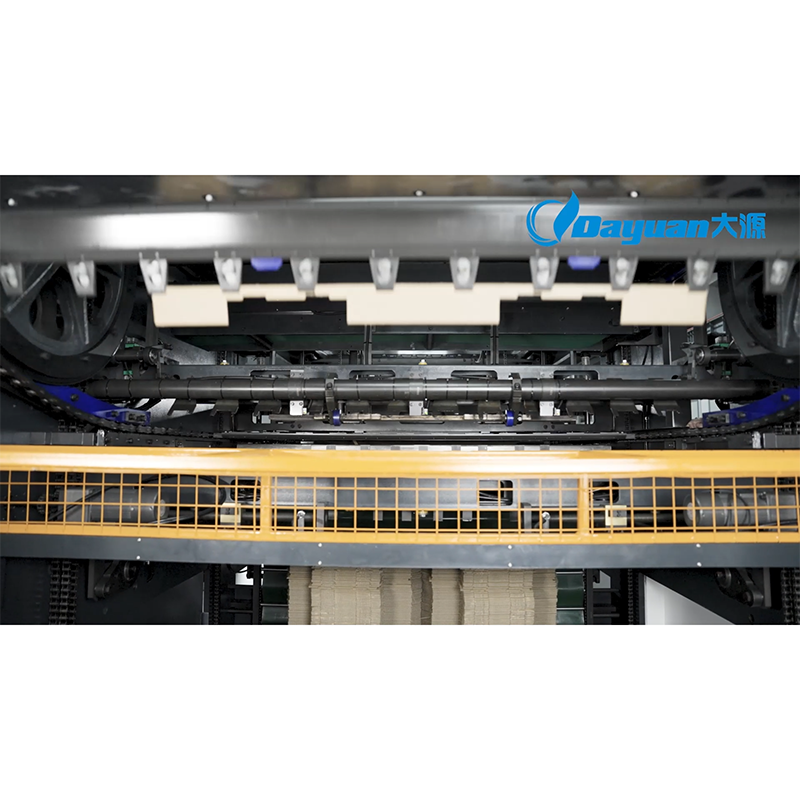
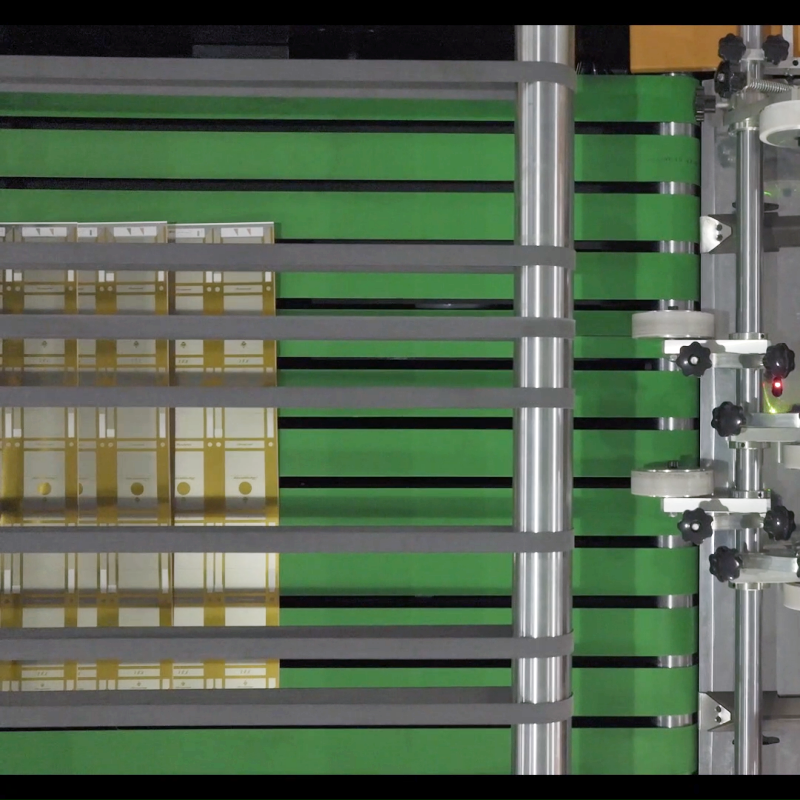
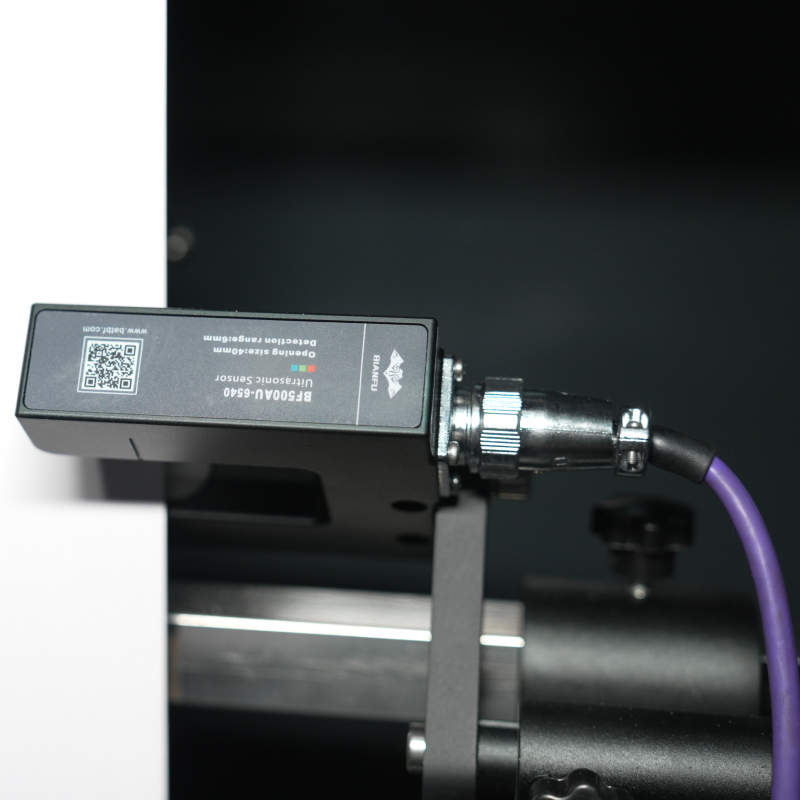
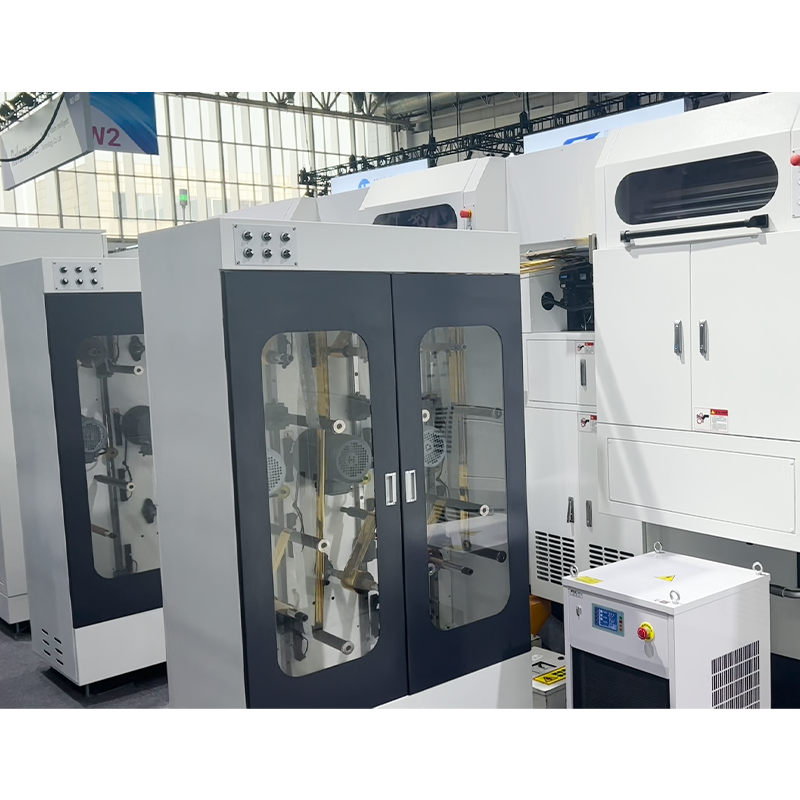
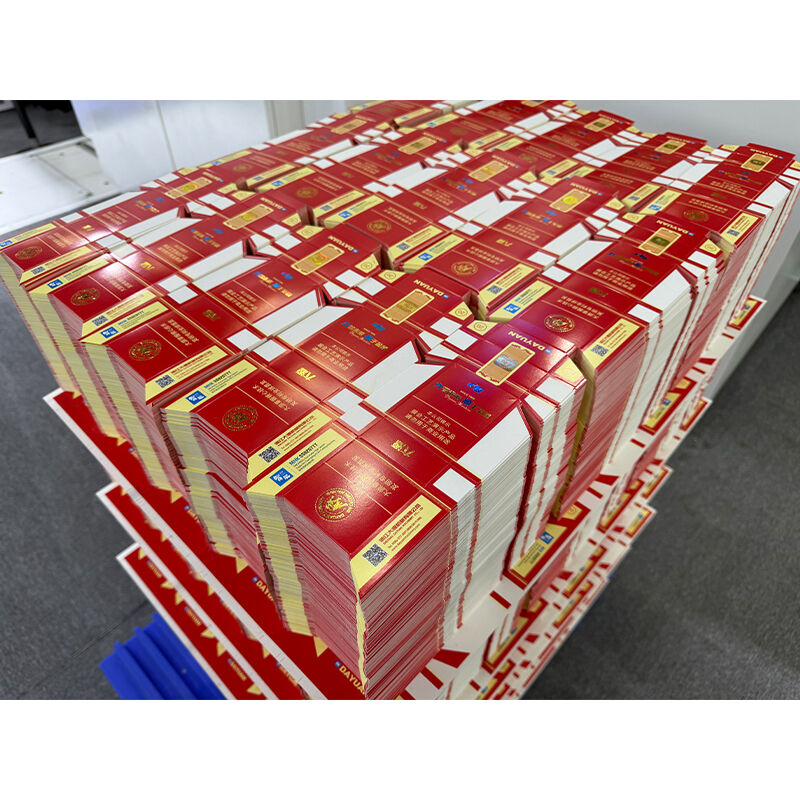
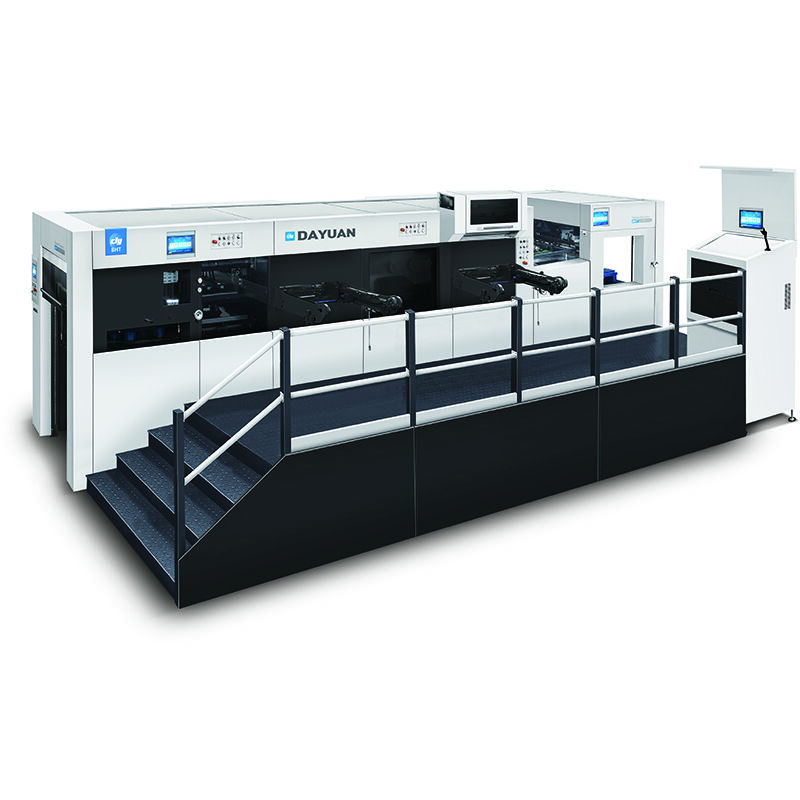
The integrated automated feeding system distinguishes professional-grade hot gold foil stamping machines from manual alternatives, delivering substantial productivity improvements that directly impact profitability and competitive positioning. This sophisticated mechanism handles material loading, positioning, stamping, and removal without continuous operator intervention, transforming what would otherwise be a labor-intensive process into an efficient automated workflow. The feeding system employs precision guides and registration mechanisms that ensure each item positions exactly beneath the die, maintaining consistent placement accuracy within fractions of a millimeter across thousands of repetitions. This positioning precision proves critical for projects requiring multiple stamping operations or where foil placement must align with pre-printed elements. Modern systems incorporate optical sensors that detect material presence and orientation, automatically adjusting feed rates and triggering stamping cycles at optimal moments. These sensors also identify material jams, misfeeds, or supply depletion, halting operations before defective items enter the production stream and alerting operators to conditions requiring attention. The automated system processes materials at speeds dramatically exceeding manual operations, with industrial models handling sixty to one hundred twenty pieces per minute depending on complexity and material characteristics. This throughput capacity enables businesses to accept large orders confidently, knowing they possess the production capability to meet delivery commitments without overtime labor costs or deadline stress. The feeding mechanism accommodates various material formats including sheets, rolls, and pre-cut pieces, providing flexibility to match different project requirements and supplier formats without time-consuming system reconfiguration. Adjustable guides and customizable tooling allow quick changeovers between different material sizes, typically completed within minutes rather than the hours required for complete equipment changes. The automation reduces physical strain on operators who would otherwise perform repetitive manual loading and unloading motions thousands of times daily, decreasing workplace injury risks and associated compensation costs. Operators transition from machine tenders to quality monitors, focusing their attention on inspecting output and maintaining process parameters rather than performing monotonous physical tasks. The consistent mechanical handling provided by automated systems reduces material damage from handling errors, preserving expensive specialty papers and pre-printed materials that represent significant investment. Waste reduction through precise handling and positioning contributes measurably to project profitability, particularly on jobs using costly materials where even small percentage improvements in yield generate substantial savings. The system's reliability means production continues steadily throughout shifts, eliminating the productivity variations inherent in manual operations where human factors like fatigue and distraction affect output rates. Businesses leveraging automated feeding capabilities can operate competitively on both high-volume standardized projects and shorter custom runs, switching between production modes efficiently without sacrificing quality or delivery performance. The hot gold foil stamping machine with advanced feeding automation represents a strategic investment that compounds returns over time through labor savings, increased capacity utilization, quality improvements, and the ability to capture market opportunities that manual processes cannot address economically.
 EN
EN