Versatile Multi-Material Compatibility and Application Range
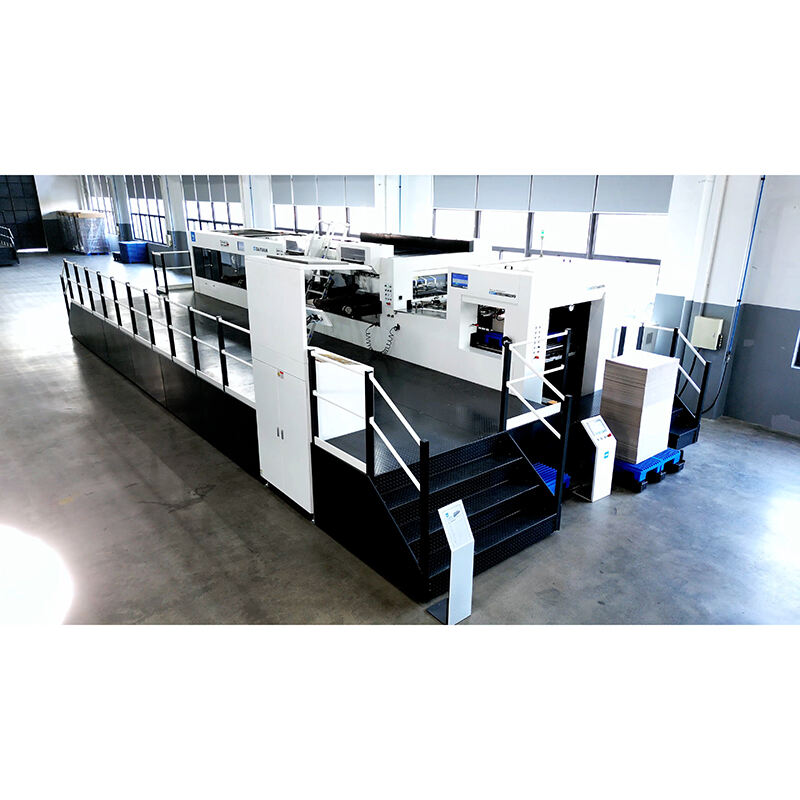
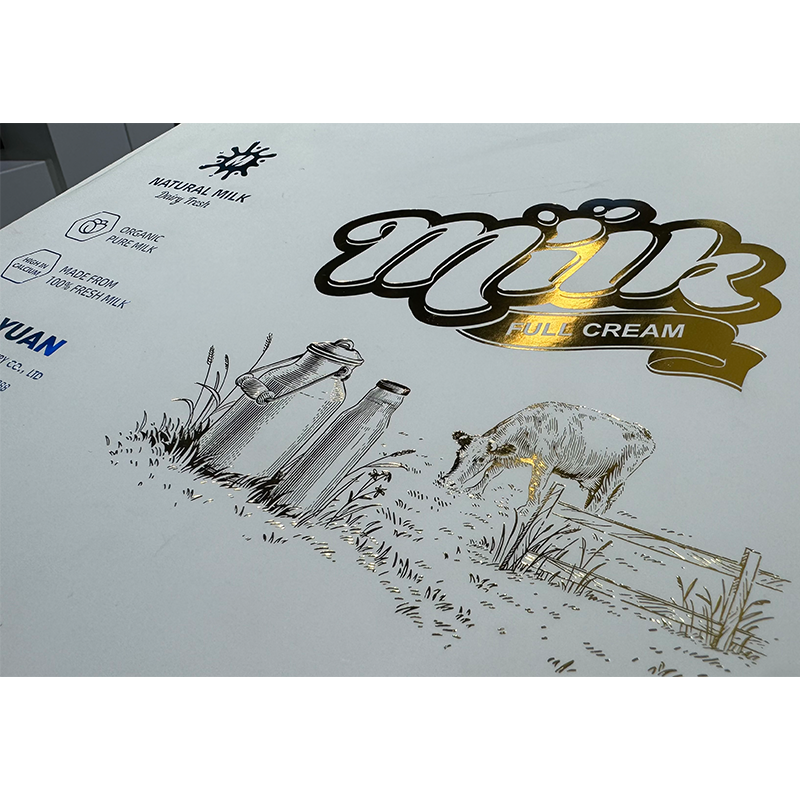
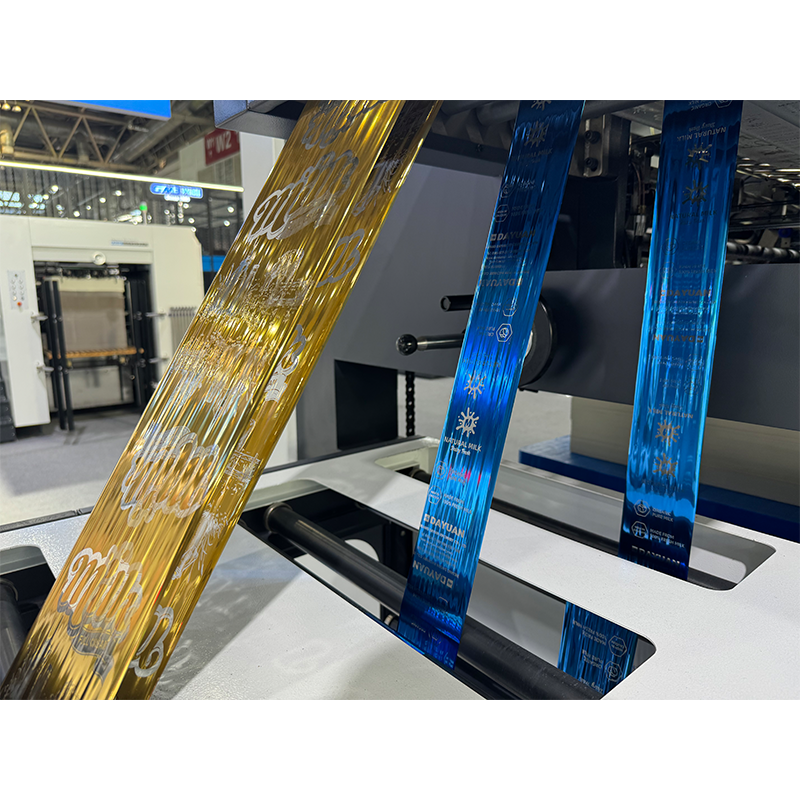
The best foil press machine excels through remarkable versatility that accommodates an extensive range of materials and applications, transforming a single equipment investment into a multi-functional production asset that serves diverse market needs. This adaptability begins with engineered platens and heating elements designed to work effectively with substrates varying dramatically in thickness, texture, density, and thermal properties, from delicate tissue paper to rigid chipboard, from smooth cardstock to rough fabric weaves. The adjustable pressure systems compensate for material thickness variations, ensuring consistent foil transfer whether processing thin invitation cards or thick book covers within the same production day. Temperature range capabilities span from low settings suitable for heat-sensitive synthetics to high temperatures required for dense natural fibers, providing the flexibility to accept projects across multiple industries without equipment limitations constraining your business development. The best foil press machine handles various foil types including metallic gold and silver, holographic patterns, matte finishes, colored pigments, and specialty effects like cracked ice or brushed metal appearances, enabling creative combinations that produce signature looks for brand-conscious clients. This multi-foil capability means you can offer customers extensive customization options that strengthen your competitive position and justify premium pricing through unique aesthetic possibilities unavailable from limited-capability competitors. Application versatility extends beyond flat sheet processing, with advanced machines accommodating dimensional items, curved surfaces, and pre-assembled products through adjustable platens and specialized fixtures that standard equipment cannot handle. The working area dimensions in the best foil press machine balance productivity with practicality, providing sufficient size for efficient batch processing while maintaining manageable equipment footprint that fits realistic workspace constraints. Quick-change tooling systems enable rapid switching between different die patterns and foil colors, minimizing downtime between jobs and maximizing the revenue-generating hours available during each production shift. This efficiency proves particularly valuable for businesses serving custom markets where order variety exceeds volume, requiring frequent changeovers that would create bottlenecks with slow-setup equipment. The material compatibility extends to both commercial production and creative applications, supporting businesses ranging from commercial print shops to boutique craft studios, from packaging manufacturers to textile customizers, demonstrating how single equipment investments can serve multiple revenue streams. The ability to foil onto fabric opens apparel decoration markets, while rigid material capability serves packaging and point-of-purchase display sectors, illustrating how versatility multiplies return on investment through diverse application potential. Environmental adaptability ensures reliable operation across varying workshop conditions without requiring expensive climate control systems, while the durable construction withstands the demands of daily production use across years of service life.
 EN
EN