Hot Stamping Press Solutions - Premium Foil Stamping Equipment for Manufacturing Excellence

+86-577-58918888
All Categories

hot stamping press

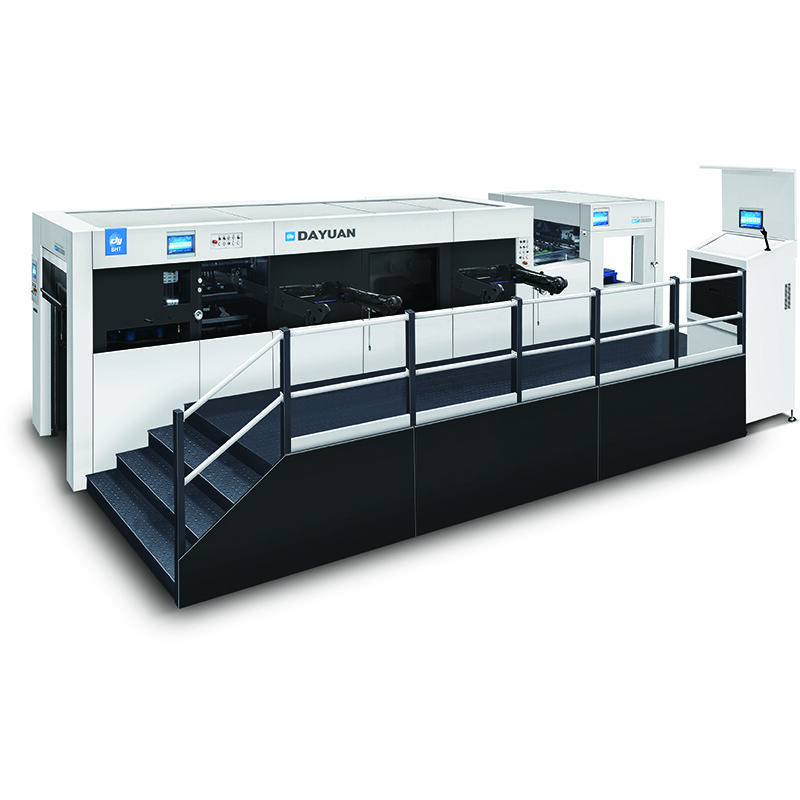
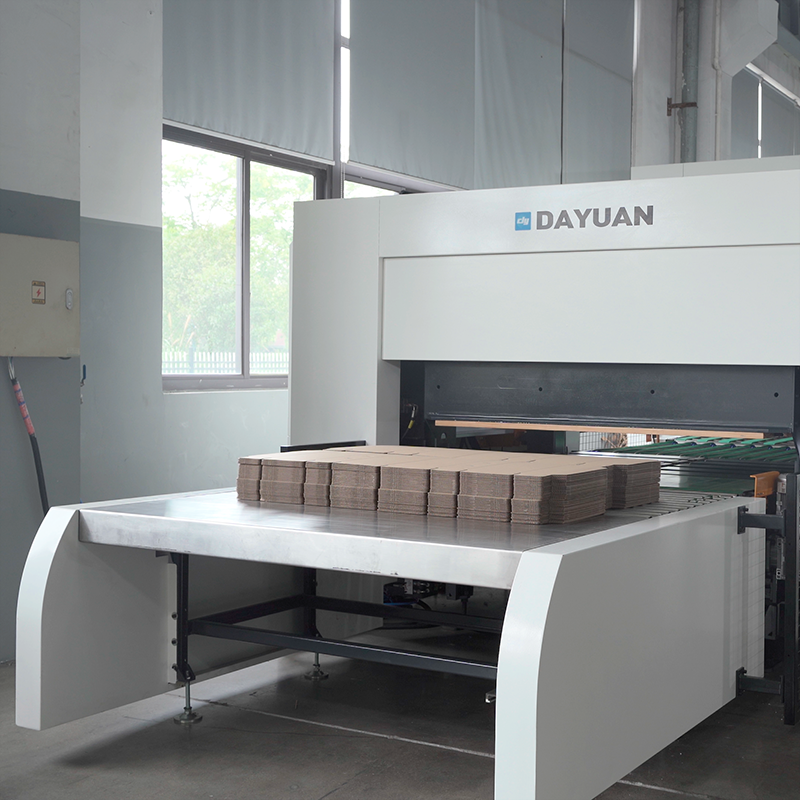
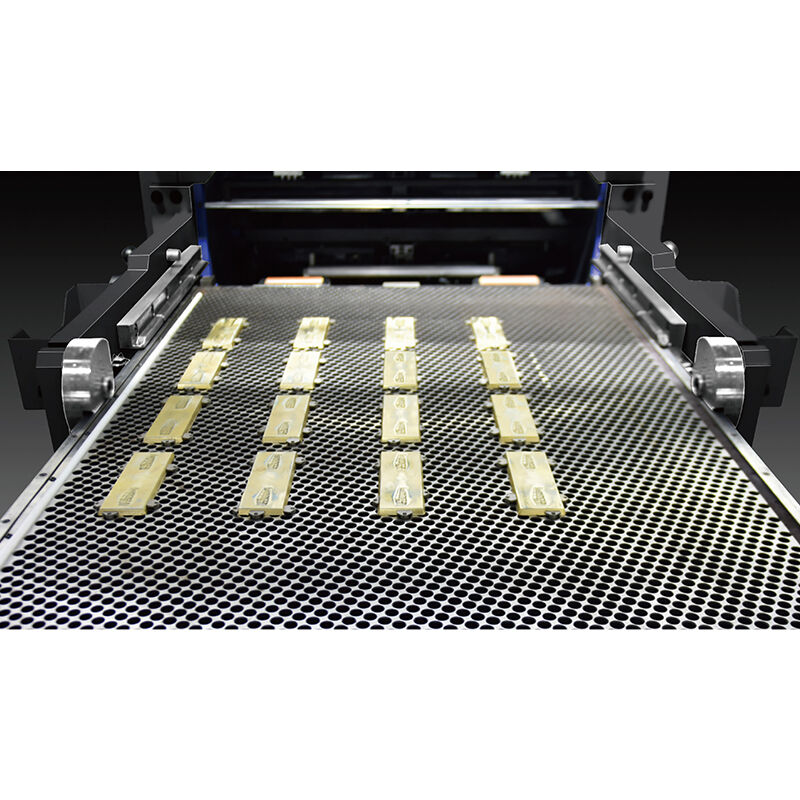
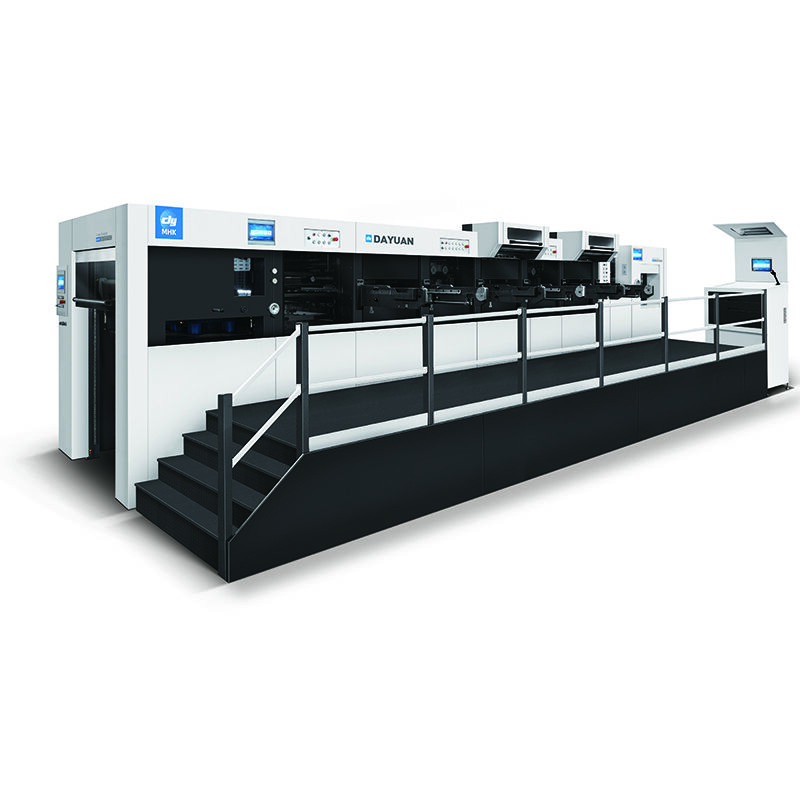
A hot stamping press represents an essential piece of manufacturing equipment designed to transfer metallic or pigmented foils onto various substrate surfaces through the application of heat and pressure. This sophisticated machine operates by heating a metal die or plate to specific temperatures, typically ranging from 90 to 180 degrees Celsius, which then presses against the foil material positioned over the target substrate. The hot stamping press creates permanent, decorative, or functional markings on materials including paper, cardboard, leather, plastics, and textiles. Modern hot stamping press systems incorporate precise temperature controls, adjustable pressure settings, and programmable automation features that ensure consistent results across production runs. The fundamental components include a heated stamping die, a foil feeding mechanism, a substrate positioning system, and a pressure application assembly. These machines vary in size from compact manual units suitable for small-scale operations to large automated systems capable of processing thousands of items per hour. The technology behind the hot stamping press enables manufacturers to achieve brilliant metallic finishes, holographic effects, and vibrant color transfers that resist fading and wear over time. Industries ranging from packaging and publishing to automotive and electronics rely on hot stamping press equipment to enhance product aesthetics, improve brand recognition, and add security features. The versatility of this equipment allows operators to work with different foil types, including standard metallic, holographic, pearl, matte, and specialty formulations designed for specific applications. Temperature precision is critical for optimal adhesion, as insufficient heat results in poor transfer while excessive temperatures can damage substrates or foils. Similarly, pressure calibration ensures complete foil release from the carrier film and proper bonding to the substrate surface. The hot stamping press continues to evolve with digital controls, servo-driven mechanisms, and integration capabilities that connect with broader production line systems for enhanced efficiency and quality control.

New Product Recommendations

The hot stamping press delivers numerous practical benefits that directly impact production efficiency and product quality for manufacturers across various industries. First and foremost, this equipment produces exceptionally durable finishes that withstand handling, environmental exposure, and time without significant degradation. Unlike printed designs that may fade or scratch easily, hot stamped images maintain their brilliance and integrity throughout the product lifecycle. This durability translates to enhanced customer satisfaction and reduced warranty claims for businesses. The speed advantage offered by modern hot stamping press machines significantly reduces production time compared to alternative decoration methods. Automated systems can complete stamping cycles in mere seconds, enabling high-volume output that meets demanding deadlines and supports just-in-time manufacturing strategies. This efficiency directly reduces labor costs per unit while maximizing equipment utilization rates. The versatility of the hot stamping press allows manufacturers to work with an extensive range of materials and foil types without requiring multiple specialized machines. A single press can handle different substrates throughout the day, from rigid plastics to flexible films, simply by adjusting temperature and pressure parameters. This adaptability reduces capital equipment investment and conserves valuable floor space in production facilities. Cost-effectiveness emerges as another compelling advantage, particularly when considering the minimal waste generated during the hot stamping process. The foil transfers only where the heated die makes contact, eliminating excess material consumption. Additionally, the absence of solvents, inks, or chemical processes means lower ongoing supply costs and reduced environmental compliance requirements. The hot stamping press requires minimal operator training compared to complex printing systems, enabling faster workforce onboarding and reducing the skills gap challenge many manufacturers face. Basic operation can be mastered quickly, while advanced techniques develop with experience. Quality consistency represents a significant benefit, as the mechanical nature of hot stamping produces identical results across thousands or millions of impressions. Variables that affect print quality in other processes, such as ink viscosity, drying conditions, or ambient humidity, have minimal impact on hot stamping outcomes. This consistency reduces rejection rates, decreases quality control overhead, and strengthens brand image through uniform product appearance. The equipment also offers design flexibility, supporting intricate details, fine lines, and small text that would challenge other decoration methods. From luxury packaging embellishments to functional serial number marking, the hot stamping press accommodates diverse creative and practical requirements. Furthermore, the technology supports rapid changeovers between jobs, with die replacement and parameter adjustments typically completed in minutes rather than hours. This agility enables economical short-run production and quick response to market demands without sacrificing profitability on smaller orders.

Tips And Tricks

Why Is a Die Cutting Machine Essential for Consistent and Repeatable Paper Cutting Tasks?

15

Jan

Why Is a Die Cutting Machine Essential for Consistent and Repeatable Paper Cutting Tasks?

In the world of manufacturing and production, precision and repeatability are paramount for maintaining quality standards and operational efficiency. When it comes to paper processing applications, achieving consistent cuts across thousands or millio...
View More
How to Maintain the Blade and Calibration of Your Paper Cutter Machine for Safe Operation?

22

Jan

How to Maintain the Blade and Calibration of Your Paper Cutter Machine for Safe Operation?

Maintaining your paper cutter machine is essential for ensuring consistent performance, operator safety, and product longevity. Regular maintenance of both the cutting blade and calibration system prevents costly repairs while maximizing productivity...
View More
Why Is a Paper Cutter Machine a Vital Tool for Achieving Clean Edges in Print and Publishing Work?

20

Jan

Why Is a Paper Cutter Machine a Vital Tool for Achieving Clean Edges in Print and Publishing Work?

In the high-stakes world of professional print and publishing, the difference between good and exceptional often lies in the details unseen by the untrained eye. Among these, the precision of a clean, sharp edge is paramount. It is the final signatur...
View More
How Does a 98,000㎡ Manufacturing Facility Ensure the Reliability of Paper Cutter Machines?

18

Mar

How Does a 98,000㎡ Manufacturing Facility Ensure the Reliability of Paper Cutter Machines?

Manufacturing excellence in the paper processing industry requires precise equipment and rigorous quality control measures. Large-scale production facilities spanning 98,000 square meters face unique challenges when ensuring the reliability of paper ...
View More

Get a Free Quote

Our representative will contact you soon.
Email
Name
Company Name
Required Product
Message
0/1000

hot stamping press

Exceptional Visual Impact That Elevates Brand Perception

Exceptional Visual Impact That Elevates Brand Perception

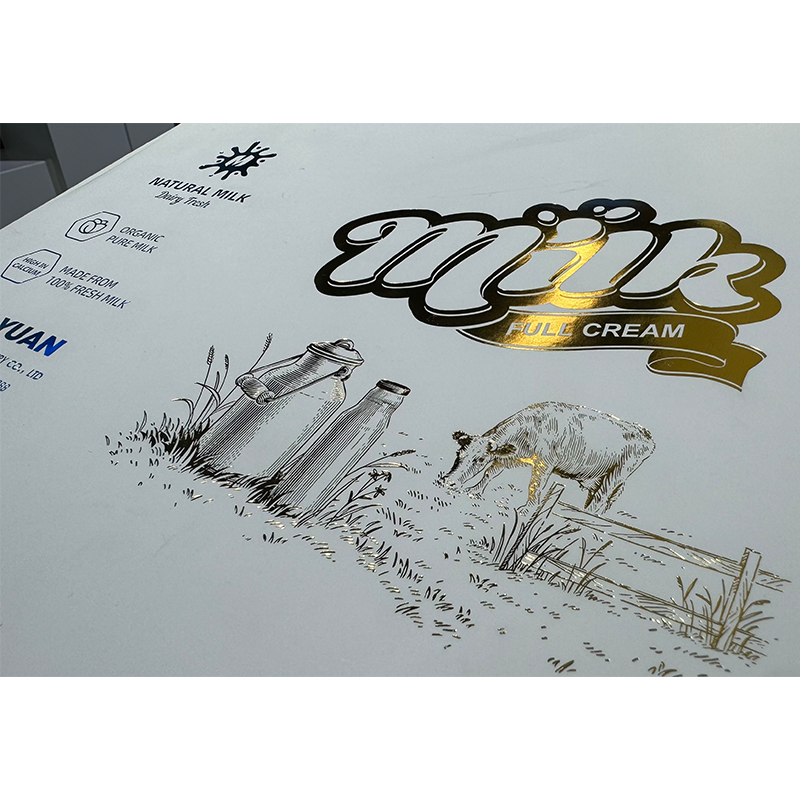
The hot stamping press delivers unmatched visual appeal that immediately captures consumer attention and communicates premium quality at the point of purchase. This equipment creates brilliant metallic finishes in gold, silver, copper, and numerous specialty colors that reflect light in ways impossible to achieve through conventional printing methods. The reflective properties of hot stamped foils make products stand out on crowded retail shelves, drawing the eye even from considerable distances. Luxury brands particularly value this capability, as the lustrous appearance aligns perfectly with premium positioning strategies and justifies higher price points in competitive markets. Beyond basic metallic effects, advanced hot stamping press systems work with holographic foils that produce dynamic rainbow patterns and three-dimensional optical effects that change with viewing angles. These security-enhanced finishes serve dual purposes by simultaneously elevating aesthetic appeal and deterring counterfeit reproduction, protecting brand equity and consumer safety. The hot stamping press enables precise registration of metallic accents with printed graphics, creating sophisticated multi-layer designs that combine the richness of foil with the versatility of inks. Designers appreciate the creative freedom this technology provides, allowing them to highlight specific elements such as logos, brand names, or decorative borders while maintaining cost efficiency by limiting foil coverage to strategic areas. The permanence of hot stamped finishes ensures that products maintain their premium appearance throughout distribution, storage, and consumer use, unlike alternatives that may tarnish, fade, or wear away with handling. This longevity reinforces brand quality perceptions and generates positive word-of-mouth as customers share their experiences with products that retain beauty over time. The tactile dimension adds another sensory element, as hot stamped areas often feature slight relief that invites touch and creates memorable physical interactions with packaging or products. Psychological studies consistently demonstrate that consumers associate metallic finishes with higher quality and greater value, making the hot stamping press an invaluable tool for brands seeking to optimize perceived value without proportionally increasing production costs. The technology supports variable data applications as well, enabling serialization and personalization that enhance exclusivity and support anti-counterfeiting initiatives while maintaining the visual impact that distinguishes premium offerings from economy alternatives in consumer perception.
Operational Efficiency That Maximizes Production Capacity

Operational Efficiency That Maximizes Production Capacity

Modern hot stamping press equipment revolutionizes manufacturing workflows through intelligent automation and precision engineering that minimizes downtime while maximizing throughput. These systems incorporate servo-driven mechanisms that deliver consistent pressure application across the entire stamping surface, eliminating the variations that plague older hydraulic or pneumatic designs and ensuring uniform quality regardless of die size or substrate characteristics. The programmable temperature control systems maintain precise heat levels throughout extended production runs, automatically compensating for ambient temperature fluctuations and thermal drift that could otherwise compromise adhesion quality. This consistency reduces the need for constant operator monitoring and adjustment, freeing skilled personnel to manage multiple machines or focus on quality assurance activities rather than basic parameter maintenance. Quick-change die systems represent a breakthrough in production flexibility, enabling operators to swap stamping plates in minutes using standardized mounting interfaces and registration systems that eliminate time-consuming alignment procedures. This capability transforms the economics of short-run production, making custom or limited-edition work profitable by drastically reducing setup time overhead that traditionally made small batches uneconomical. The hot stamping press integrates seamlessly with upstream and downstream equipment through standardized communication protocols, creating cohesive production lines where material handling, stamping, inspection, and packaging operations flow continuously without manual intervention. Sensors throughout the system monitor critical parameters including temperature accuracy, pressure consistency, foil tension, and registration precision, triggering automatic adjustments or operator alerts before quality deviations reach rejection thresholds. This predictive approach prevents waste and maintains delivery schedules by addressing potential issues proactively rather than reactively. Energy efficiency features including rapid heating elements and intelligent standby modes reduce operating costs while supporting corporate sustainability initiatives that increasingly influence purchasing decisions and regulatory compliance requirements. Maintenance accessibility represents another operational advantage, with modular component designs that allow technicians to replace wear items or service subsystems without extensive disassembly or production interruptions. Comprehensive diagnostic systems pinpoint issues quickly through error codes and status displays, minimizing troubleshooting time and reducing the specialized knowledge required for routine maintenance tasks. The hot stamping press often includes production monitoring capabilities that collect cycle counts, reject rates, and efficiency metrics, providing management with data-driven insights for continuous improvement initiatives and accurate capacity planning.
Material Compatibility That Expands Application Possibilities

Material Compatibility That Expands Application Possibilities

The extraordinary material versatility of the hot stamping press opens opportunities across industries that demand decoration solutions for diverse substrates with varying physical and chemical properties. This equipment successfully bonds foils to smooth surfaces like coated paperboard and glossy plastics as well as textured materials including leather grain, fabric weaves, and embossed patterns that challenge other decoration technologies. Temperature and pressure adjustments allow operators to optimize stamping parameters for each material category, ensuring proper adhesion without causing substrate damage such as melting, warping, or compression marks that would render products unusable. Rigid materials including hard plastics, wood composites, and metal receive hot stamping treatments that withstand mechanical stress and environmental exposure far better than surface coatings or adhesive-backed films that may delaminate under challenging conditions. The hot stamping press accommodates three-dimensional surfaces through contoured dies that conform to curved profiles, enabling decoration of cylindrical containers, spherical objects, and complex geometric shapes that flat stamping methods cannot address effectively. This capability proves essential in industries like cosmetics packaging and automotive interior trim where aesthetic continuity across compound curves creates premium impressions and competitive differentiation. Flexible substrates including thin films, labels, and textile materials benefit from adjustable pressure settings and specialized foil formulations that prevent stretching, wrinkling, or puckering during the stamping process. The hot stamping press works effectively with heat-sensitive materials by utilizing lower temperature foils and brief contact cycles that transfer imagery without exceeding the substrate's thermal tolerance, expanding application possibilities to include previously incompatible materials. Porous surfaces such as uncoated papers and natural textiles accept specially formulated foils designed to penetrate slightly into the material structure, creating mechanical interlocking that supplements the adhesive bond for enhanced durability on challenging substrates. The equipment handles transparent and translucent materials including clear plastics and frosted films, creating striking visual effects where metallic patterns appear to float within or beneath the surface rather than sitting atop it. Chemical resistance considerations are addressed through foil selection, with options available for substrates that will encounter solvents, cleaning agents, or environmental contaminants that might compromise standard formulations. The hot stamping press supports food-contact applications using certified foils that meet regulatory requirements for direct and indirect food contact, enabling decoration of packaging and utensils without contamination risks or compliance concerns.

Get a Free Quote

Our representative will contact you soon.
Email
Name
Company Name
Required Product
Message
0/1000