Multi-Substrate Compatibility and Versatility
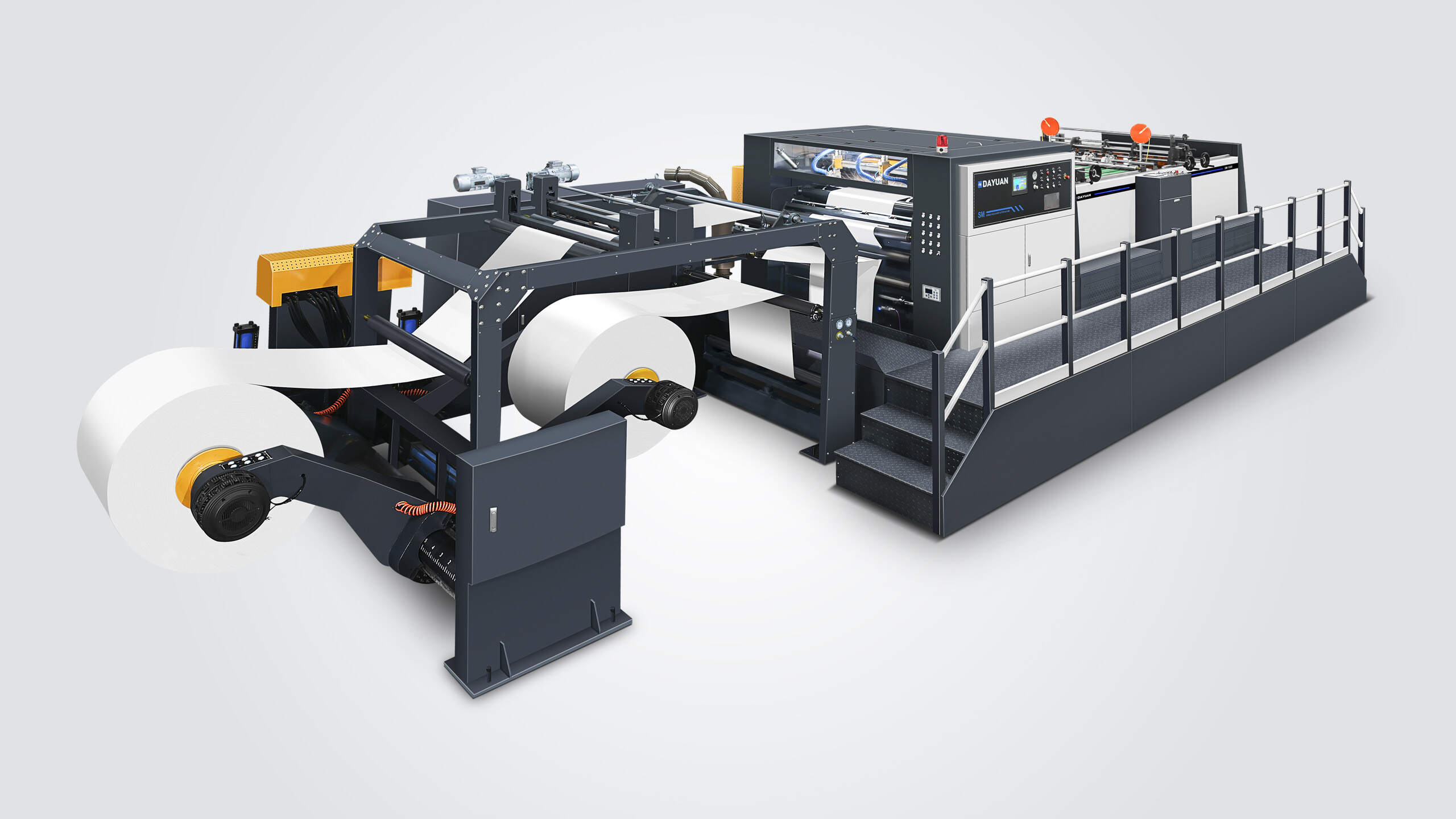
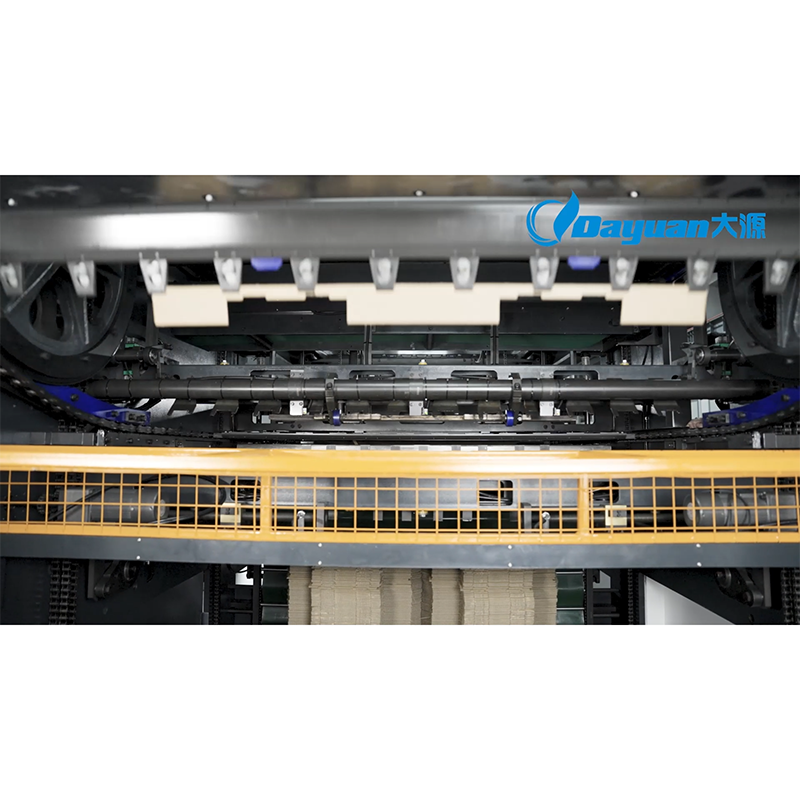
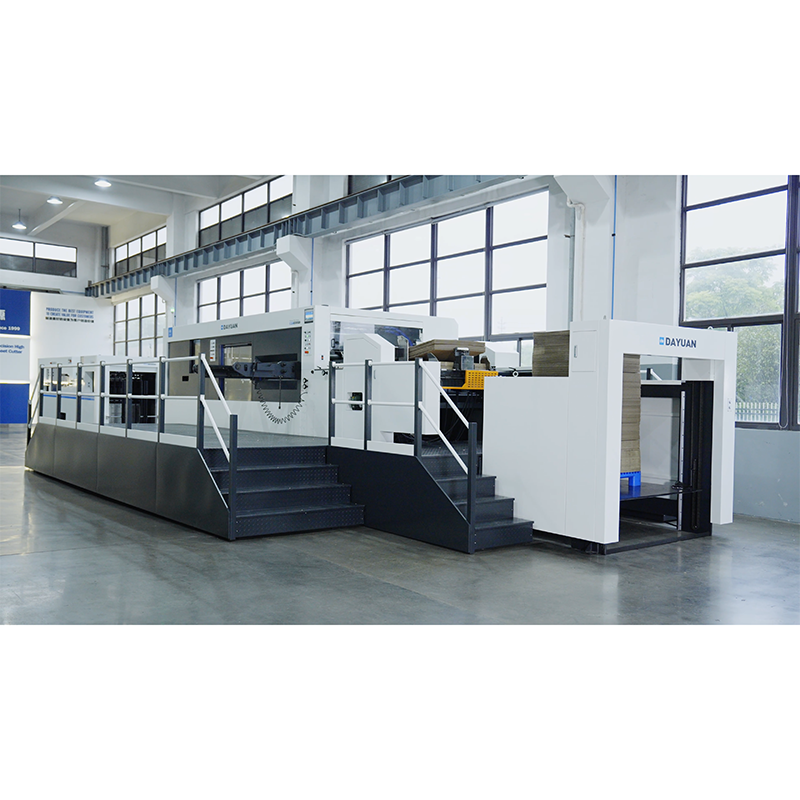
The exceptional versatility of the foil stamping press in handling diverse substrate types represents a defining characteristic that maximizes equipment utilization and return on investment. This multi-material capability stems from carefully engineered design features that accommodate the varying requirements of different substrates without requiring extensive modifications or additional equipment. The practical implications of this versatility extend far beyond simple convenience, fundamentally impacting business operations and market opportunities. A single foil stamping press can effectively process paper products ranging from lightweight text sheets to heavy cardstock, cardboard packaging materials, synthetic substrates like plastic films and vinyl, natural materials including leather and wood veneer, and even textile applications. This broad compatibility eliminates the capital expense of purchasing multiple specialized machines while conserving valuable production floor space. For businesses operating in competitive markets, the ability to accept diverse projects without outsourcing specialized work provides significant advantages in customer service, profit retention, and market positioning. The substrate versatility of the foil stamping press also enables businesses to explore new markets and product categories without additional equipment investment. A company initially focused on paper products can expand into packaging, leather goods, or promotional items using existing equipment, facilitating business growth and revenue diversification. The technical features that enable this versatility include adjustable bed heights that accommodate various material thicknesses, interchangeable dies and carriers suitable for different substrate characteristics, and the previously discussed temperature and pressure controls that allow optimization for each material type. The feeding mechanisms incorporated into modern foil stamping press equipment also contribute to substrate versatility. Adjustable guides and hold-down systems secure materials of different sizes and rigidities, ensuring proper positioning throughout the stamping process. This secure material handling prevents shifting that could result in misaligned impressions or wasted materials. The ability to process both flat sheets and some three-dimensional objects expands creative possibilities and application scope. Some foil stamping press configurations can apply foil to curved surfaces, cylindrical objects, or items with moderate dimensional variations, opening opportunities in specialized markets like promotional products, custom gifts, and branded merchandise. The minimal changeover time required when switching between substrate types enhances operational efficiency. Unlike complex printing systems that may require extensive cleaning, part replacement, or recalibration when changing materials, the foil stamping press typically needs only die changes and parameter adjustments, allowing rapid transitions between jobs. This flexibility proves invaluable for businesses handling multiple projects simultaneously or serving clients with urgent deadlines. The quality consistency maintained across different substrate types ensures that businesses can confidently accept diverse projects knowing their foil stamping press will deliver professional results regardless of material selection.
 EN
EN