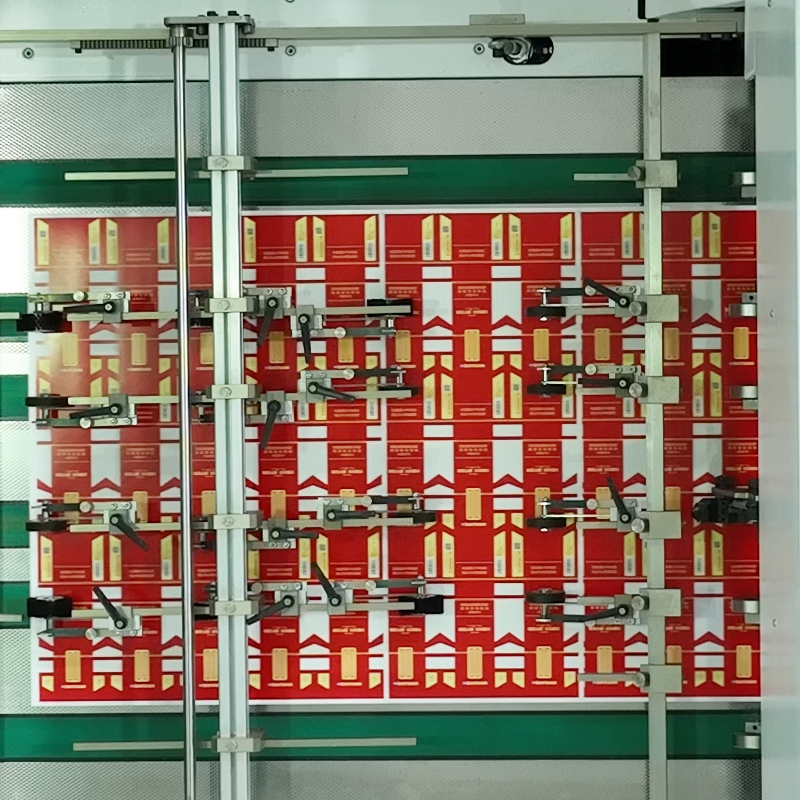
Foil stamping is a finishing process that transfers decorative foil onto a suitable material through heat and pressure. In printing and packaging, it can be used to add visual details to printed products and packaging materials. The finished effect depends on the substrate, foil, die design, and the capabilities of the selected equipment.
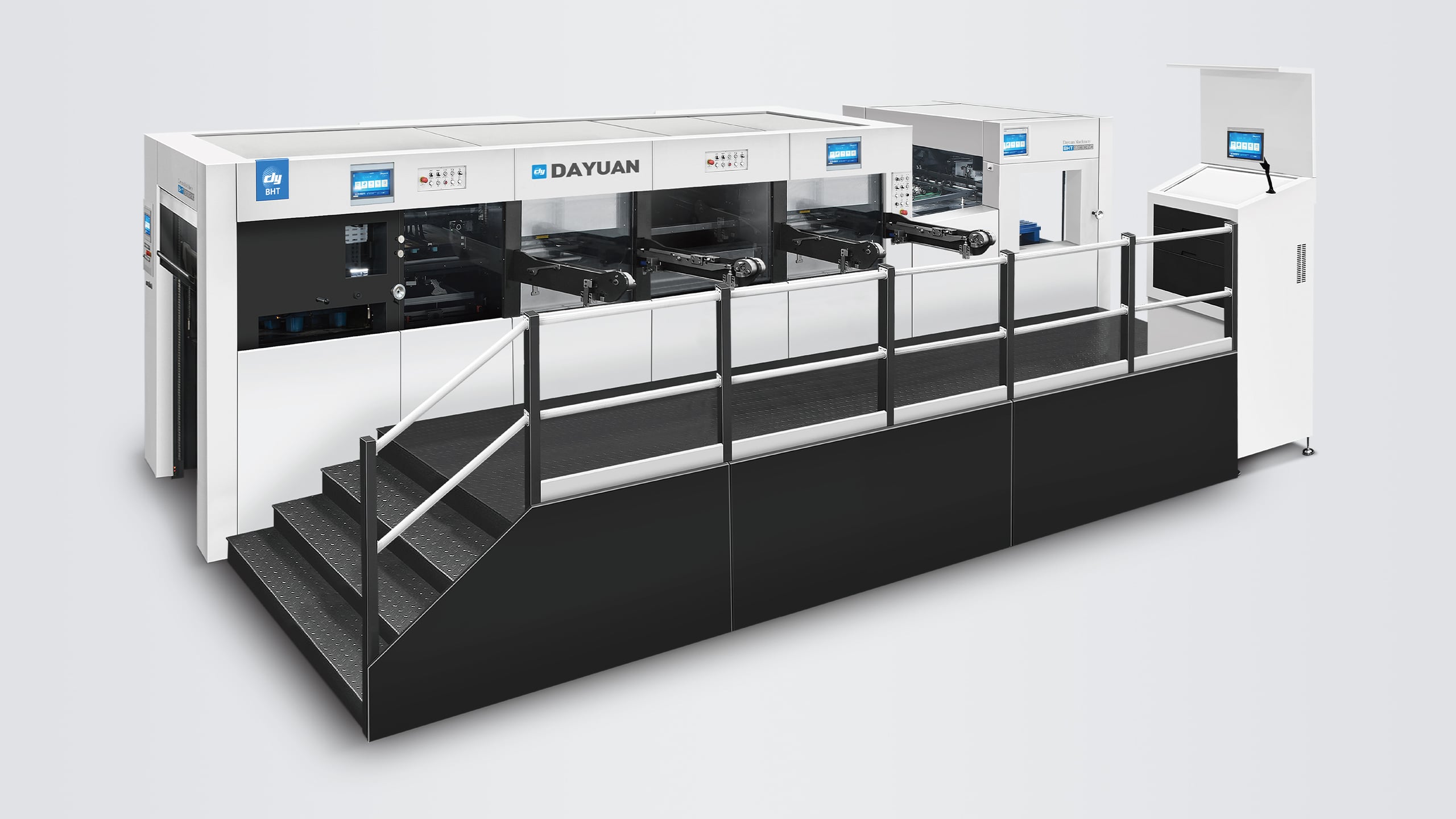
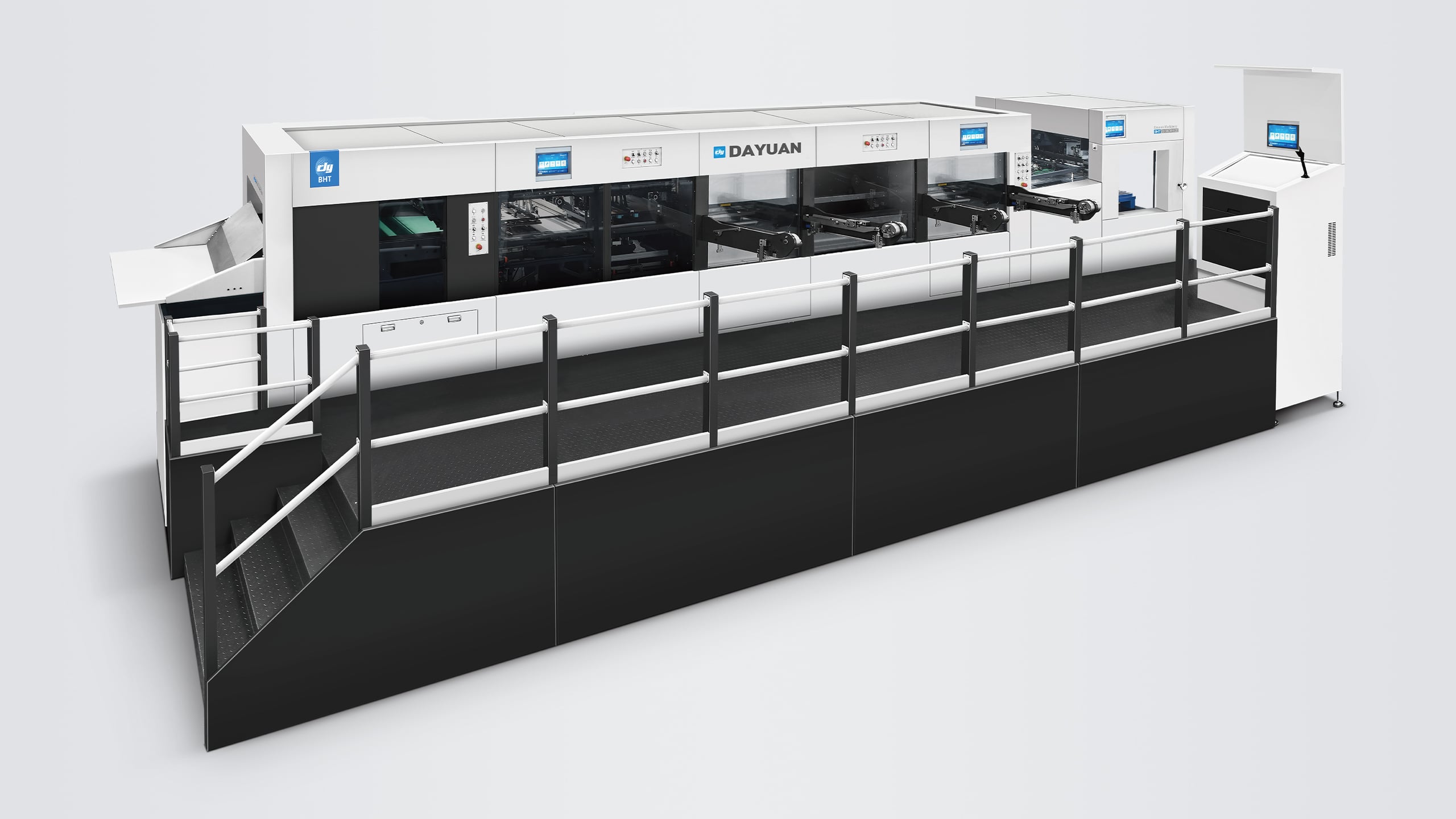
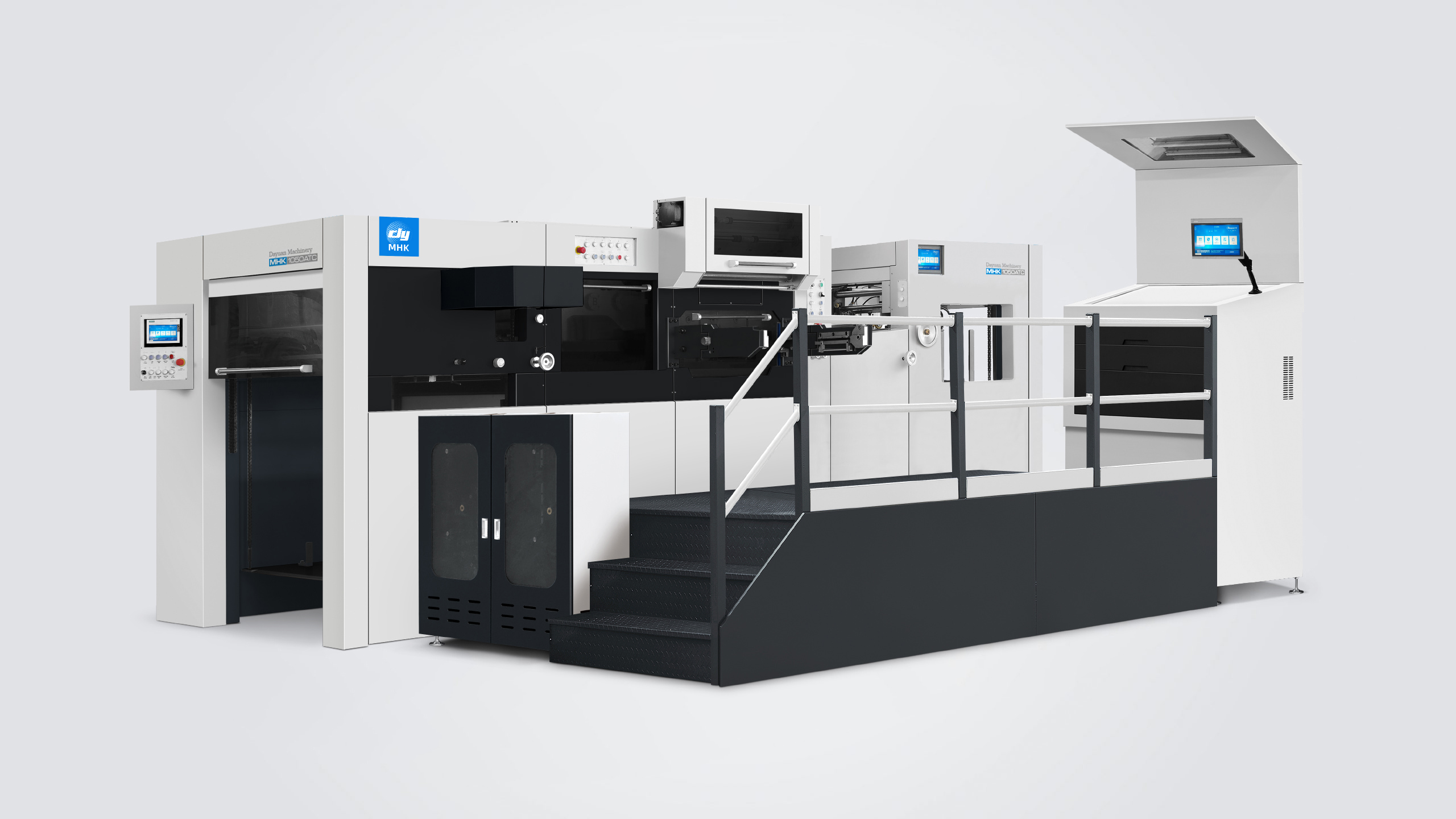
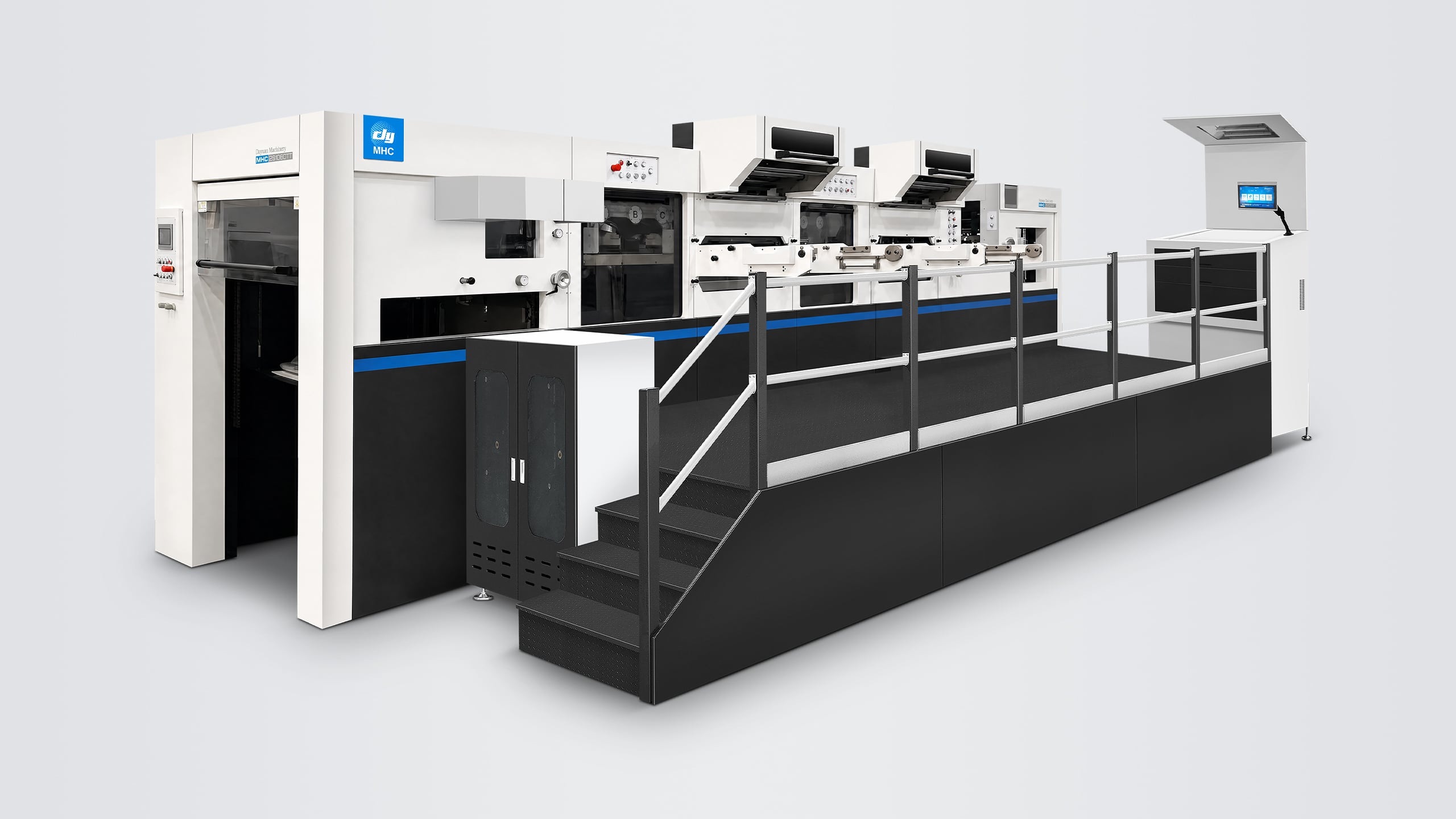
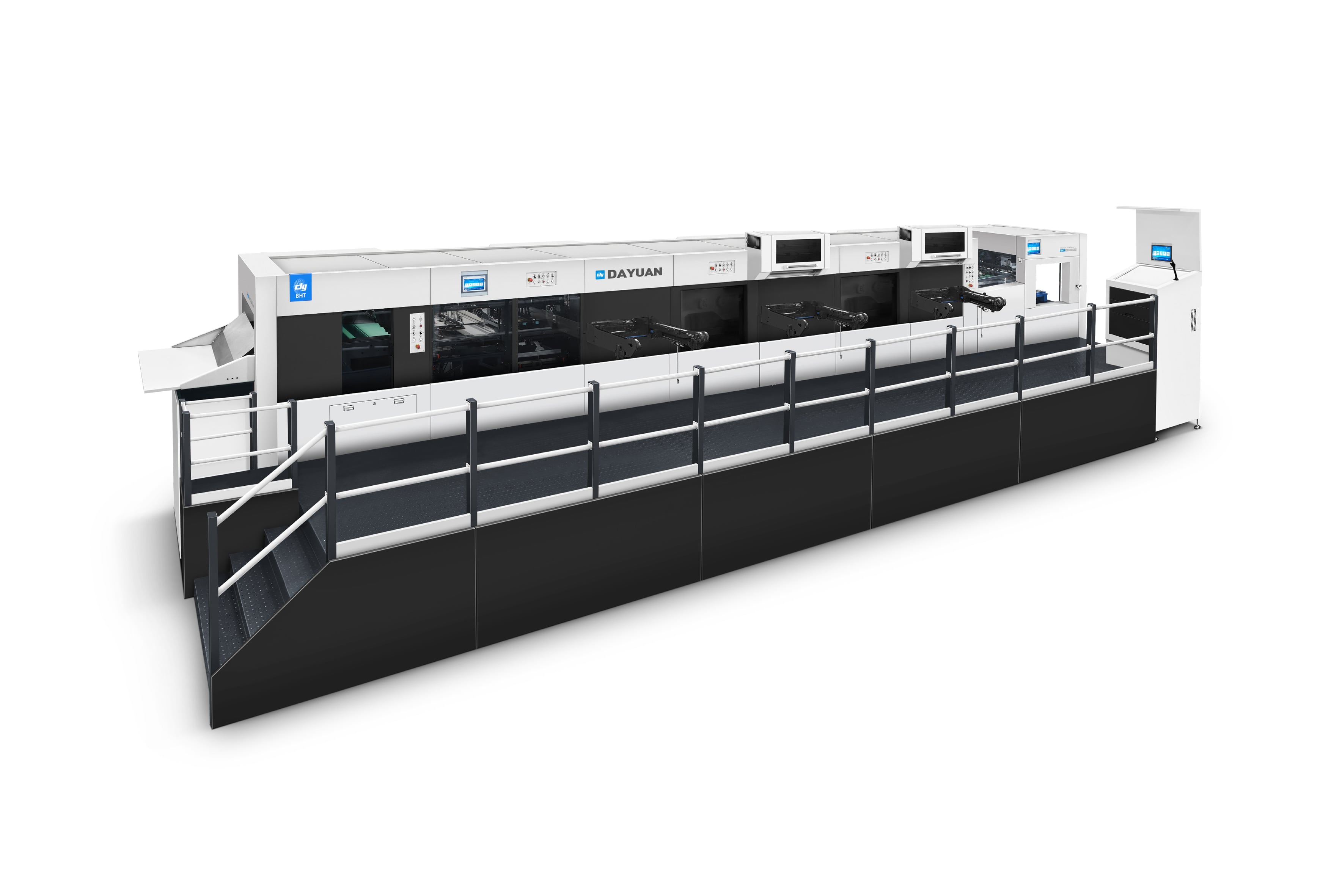
Dayuan Machinery focuses on paper cutting, printing, and post-press production equipment. Its product range includes hot foil stamping and die-cutting machines, as well as flatbed die-cutting machines, servo precision sheet cutter machines, and stripping and blanking machines. These categories address different stages of production, so purchasers should determine the required operation before choosing a machine.
When comparing foil stamping equipment manufacturers, buyers should first establish whether the application requires foil stamping alone or a combination of foil stamping and die cutting. Although some equipment may combine these operations, the available functions depend on the specific model. Product documentation should be checked to confirm whether a machine meets the requirements of the intended production workflow.
Material compatibility is another important factor. Equipment intended for paper printing and packaging should not automatically be assumed to process leather, plastics, textiles, or other substrates. Buyers should confirm the supported materials and applications for the relevant model before placing an order.
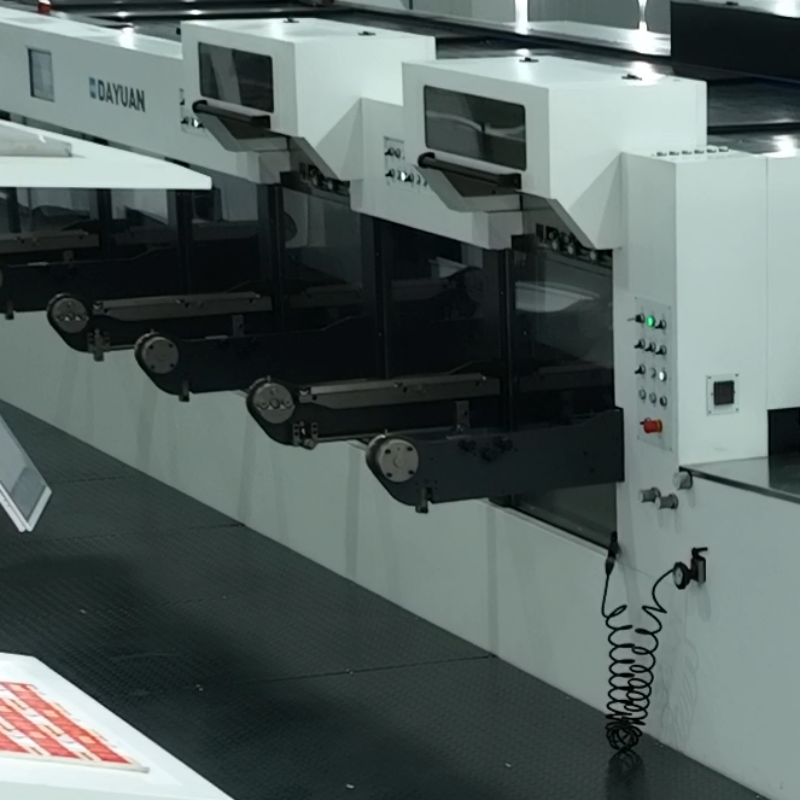
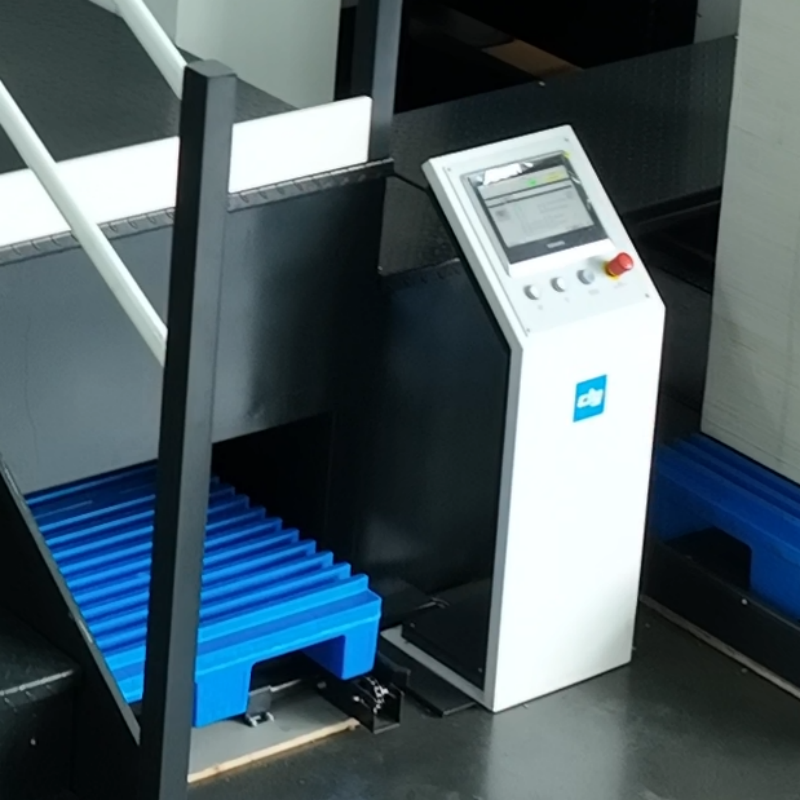
Machine configurations can vary, so features such as automatic feeding, digital controls, adjustable temperature and pressure, quick-change systems, and integrated monitoring should be verified individually. The same applies to claims about production speed, energy consumption, maintenance requirements, and safety features. These details should be based on the actual product specifications rather than general assumptions about foil stamping equipment.
For printing and packaging businesses, a structured equipment assessment can help narrow the available options. Define the required finish, substrate, production steps, and expected output, then compare those needs against the documented capabilities of the available machines. This approach helps buyers identify suitable equipment without relying on unsupported claims about performance or service offerings.
 EN