Automated Efficiency That Transforms Production Economics
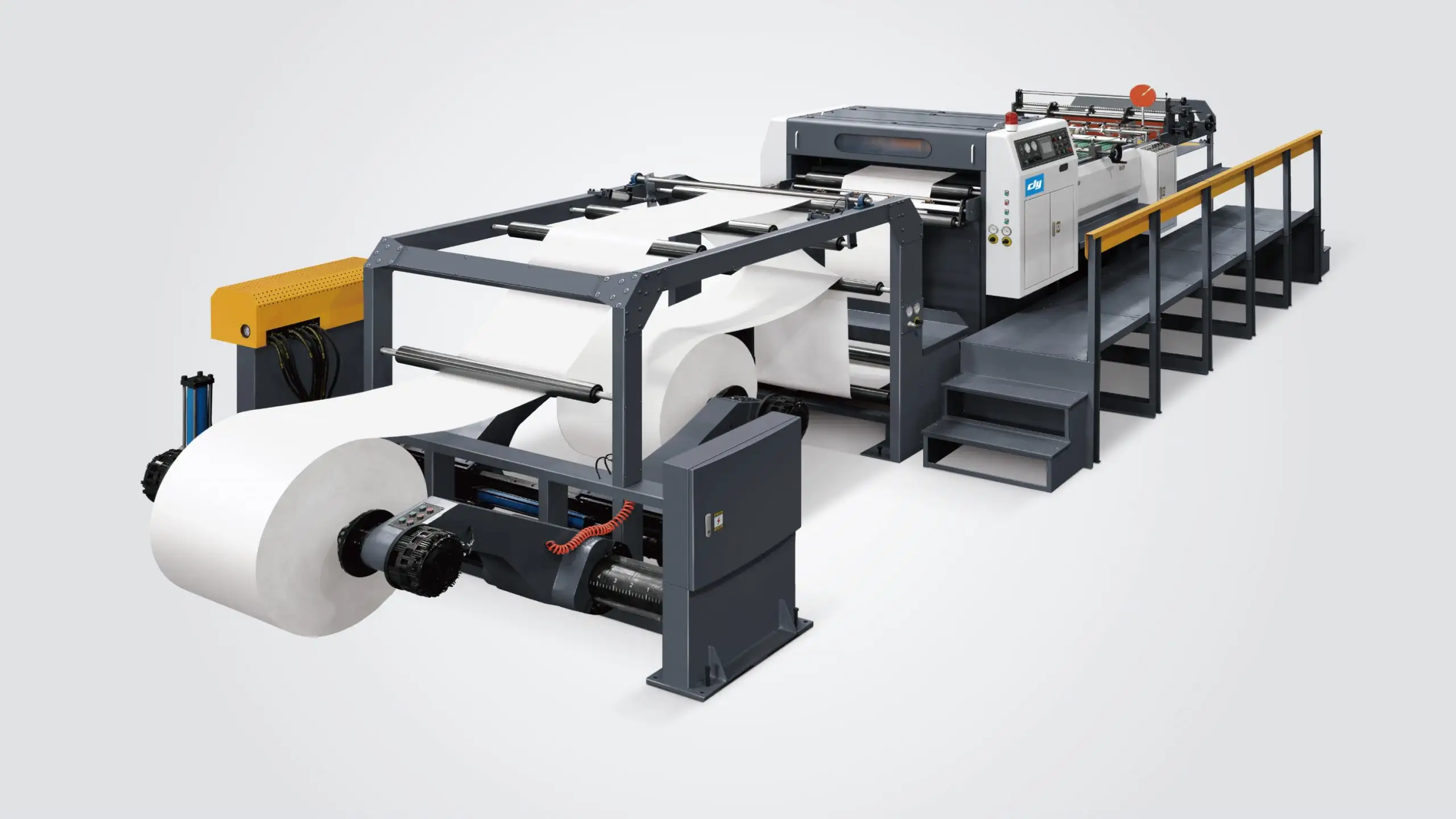
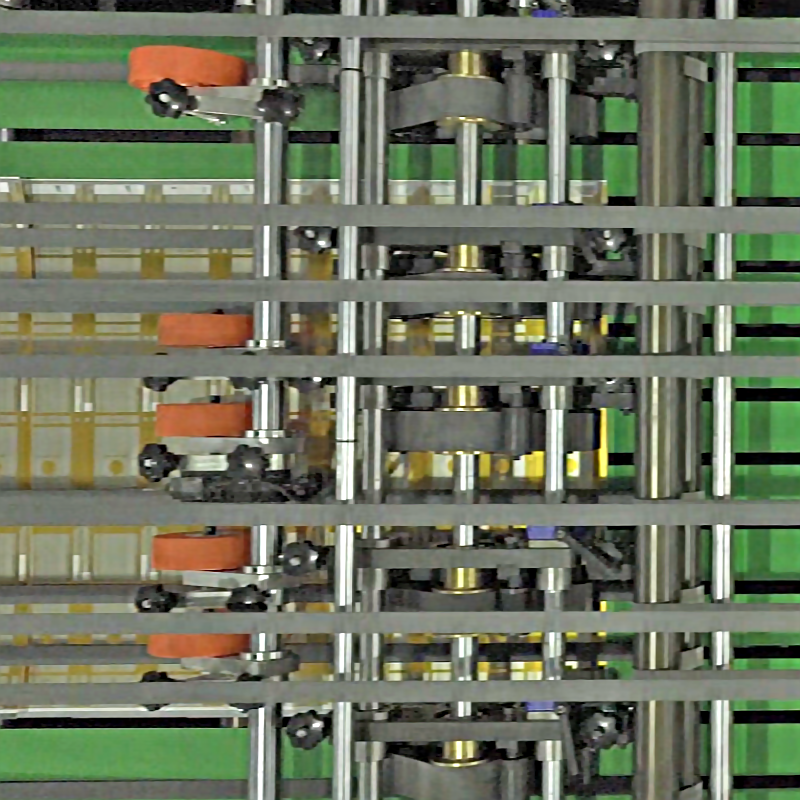
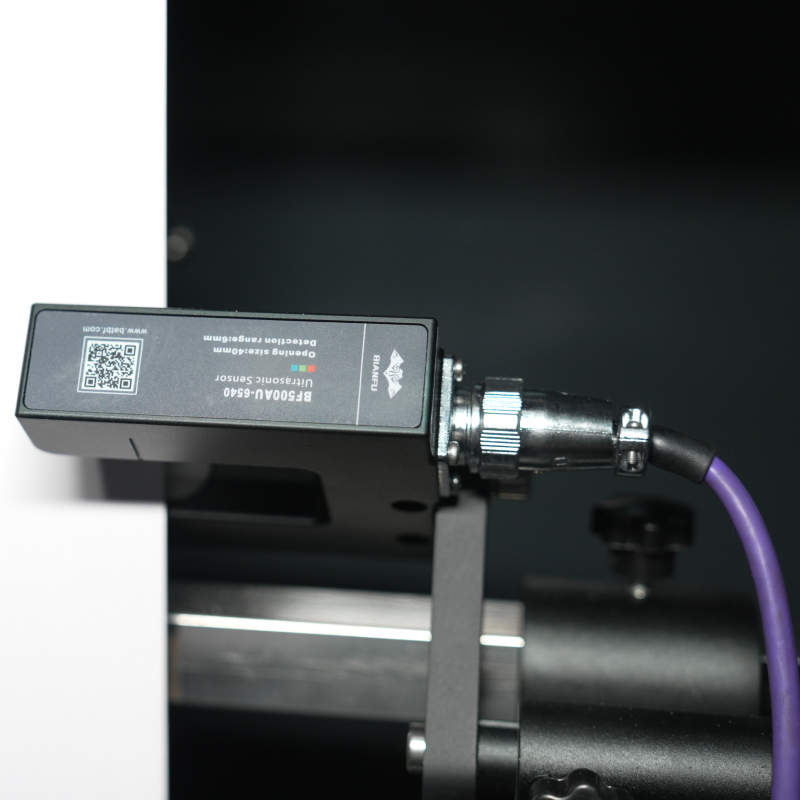
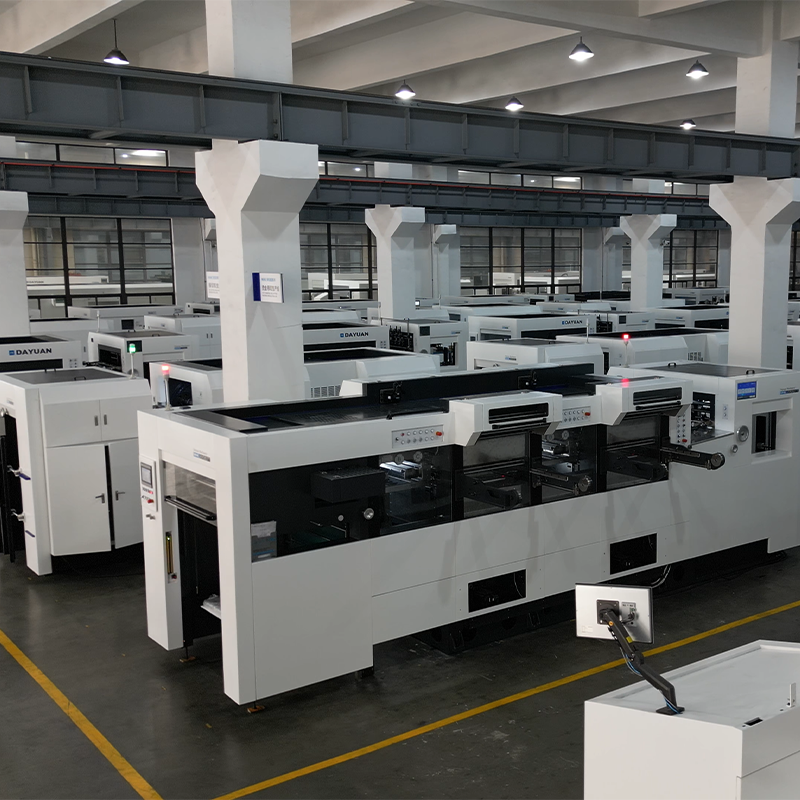
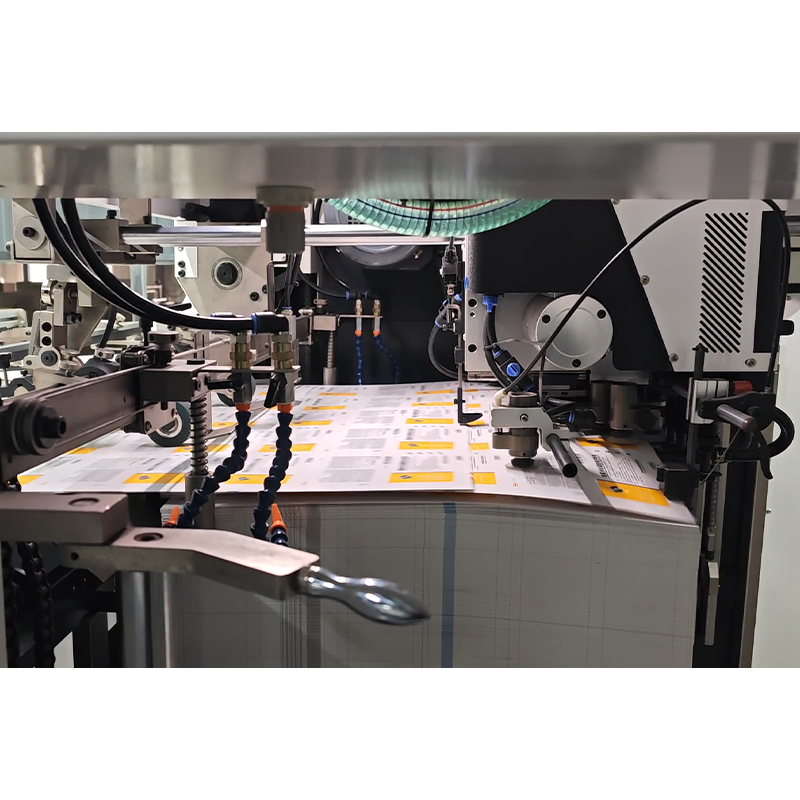
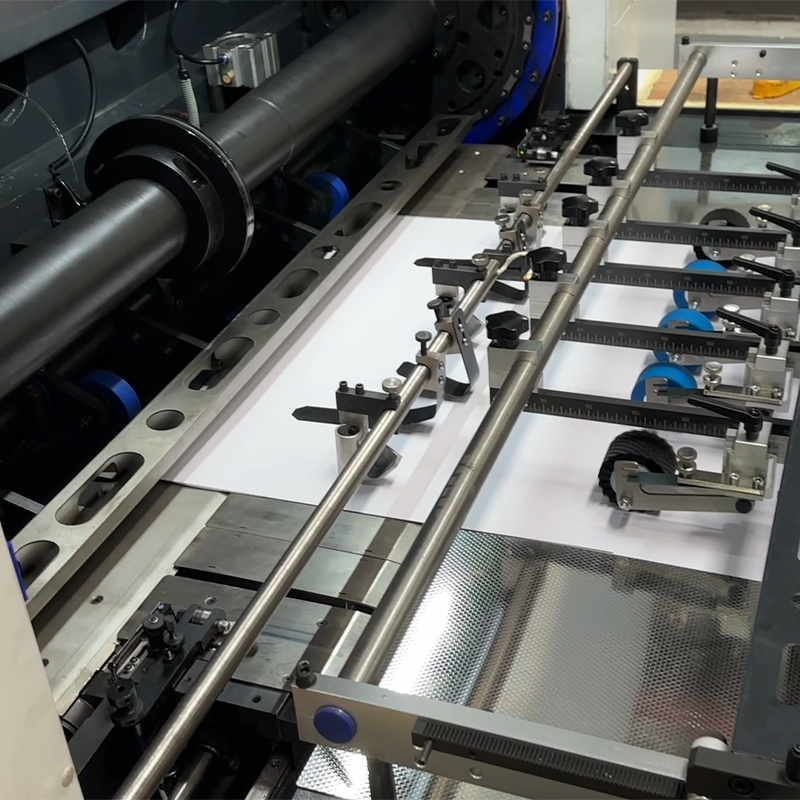
The automation capabilities integrated into contemporary diecutter technology fundamentally transform production economics by maximizing output while minimizing labor requirements and operational costs. Modern diecutters operate as sophisticated production systems rather than simple cutting tools, incorporating intelligent features that handle materials efficiently from loading through finished piece delivery. Automatic feeding systems draw sheets from supply stacks and position them precisely in the cutting area without manual placement for each piece, maintaining consistent production flow that approaches the theoretical maximum speed of the cutting mechanism itself. These feeding systems employ vacuum suction, mechanical grippers, or friction rollers to handle materials reliably regardless of surface characteristics, adjusting automatically for different material weights and textures. Optical sensors monitor the feeding process continuously, detecting misfeeds or double-sheet conditions that could damage the die or produce defective cuts, stopping the machine instantly to prevent waste and equipment damage. After cutting, automated waste stripping systems remove the excess material surrounding the desired shapes, a task that would otherwise require tedious manual labor and significantly slow production. These stripping mechanisms use precisely positioned pins, fingers, or vacuum systems to lift the waste skeleton away from finished pieces, depositing it into collection bins for recycling while leaving cut pieces ready for immediate use or further processing. The most advanced diecutters incorporate full material handling integration, connecting directly to upstream printing or coating equipment and downstream folding, gluing, or packaging systems to create comprehensive production lines where materials flow continuously from raw sheets to finished products without manual transfer between stations. Digital control systems provide the intelligence behind this automation, storing job parameters for hundreds of different products and recalling them instantly when repeat orders arrive. Operators simply select the appropriate job file, and the diecutter automatically configures cutting pressure, registration settings, feed speed, and other parameters to match the saved specifications. Production monitoring features track piece counts, cycle times, waste percentages, and equipment status in real-time, providing data that supports continuous improvement initiatives and accurate job costing. Predictive maintenance algorithms analyze performance patterns to identify developing issues before they cause breakdowns, scheduling service interventions during planned downtime rather than suffering unexpected production interruptions. This comprehensive automation reduces the skill level required for routine operation, allowing businesses to staff production efficiently while reserving highly skilled technicians for setup, maintenance, and troubleshooting activities that truly require expertise.
 EN
EN