Professional Die Cutting Systems - Precision Manufacturing Solutions for Enhanced Production Efficiency

+86-577-58918888
All Categories

die cutting system

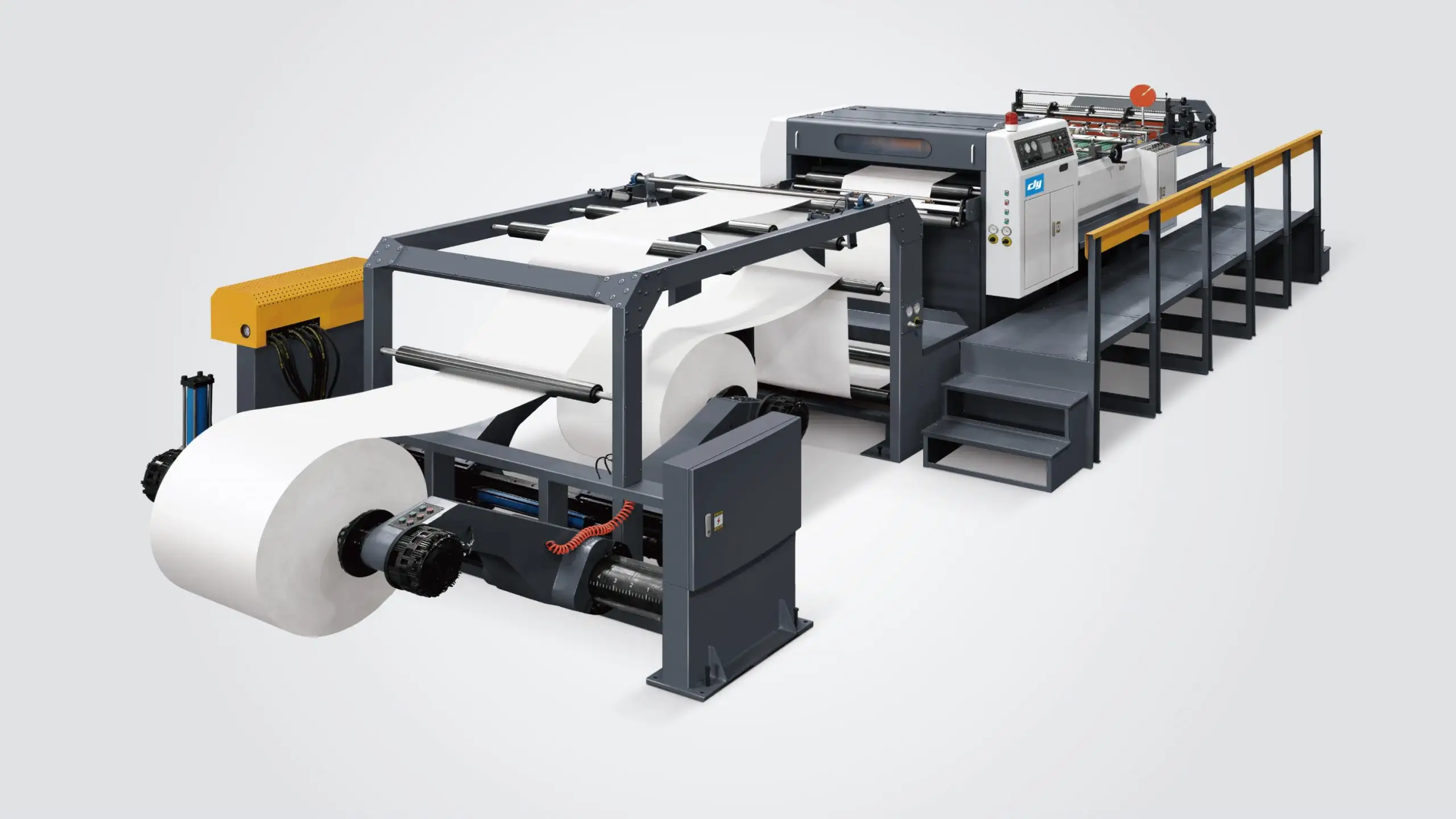
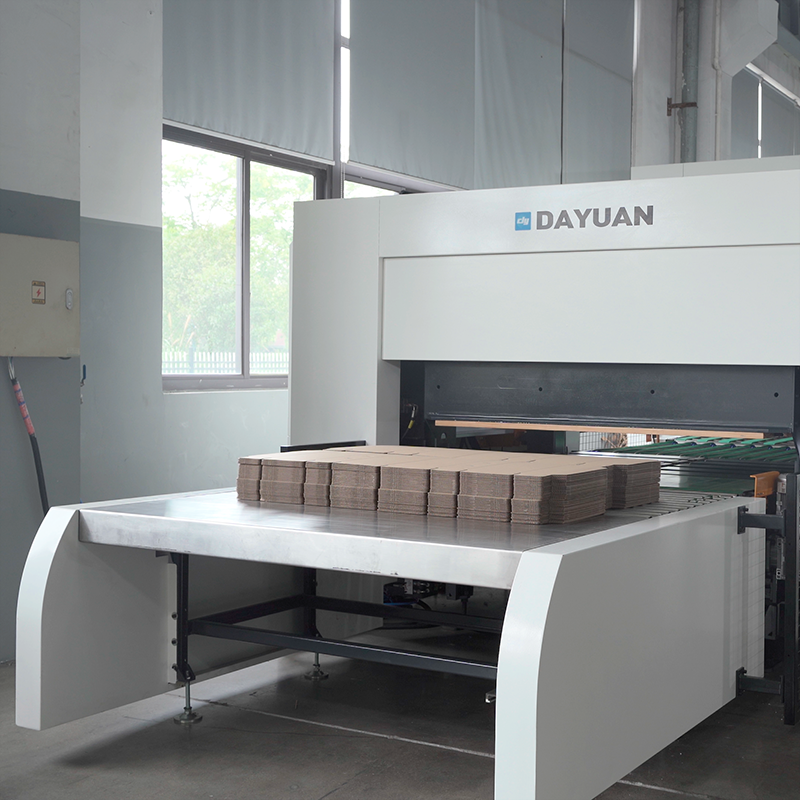
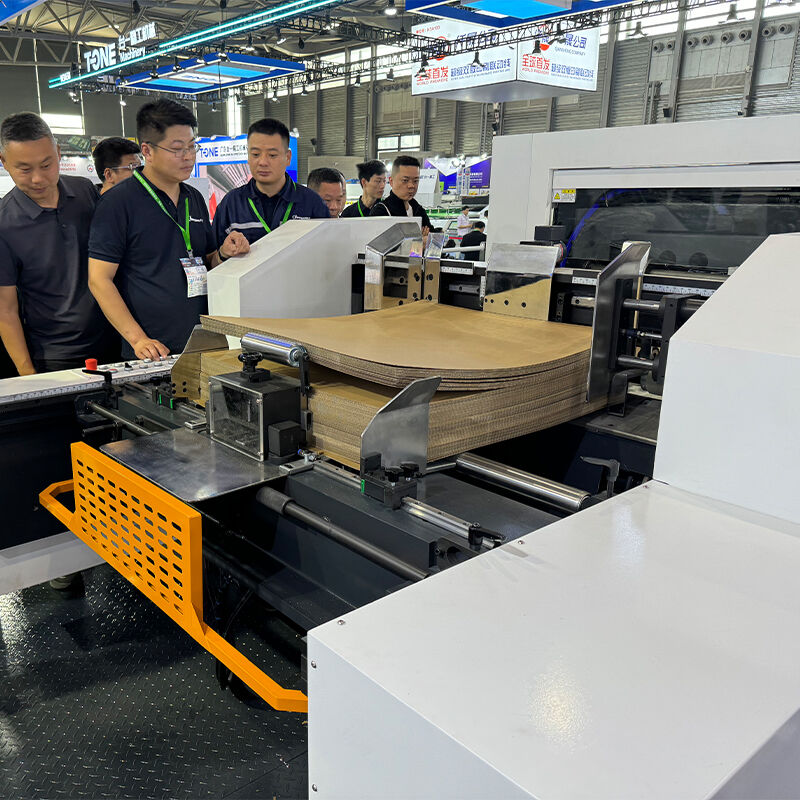
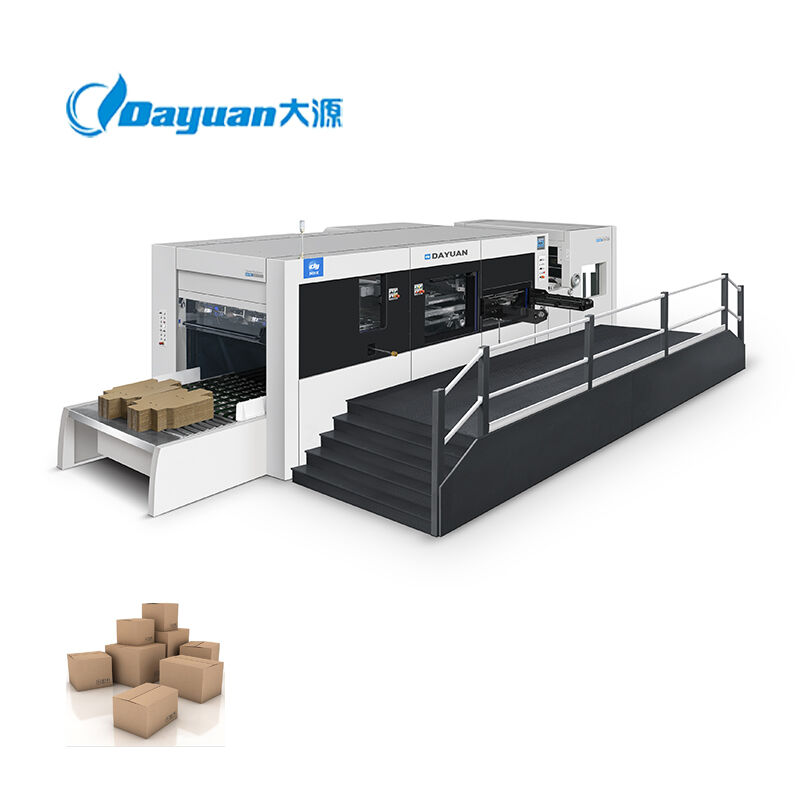
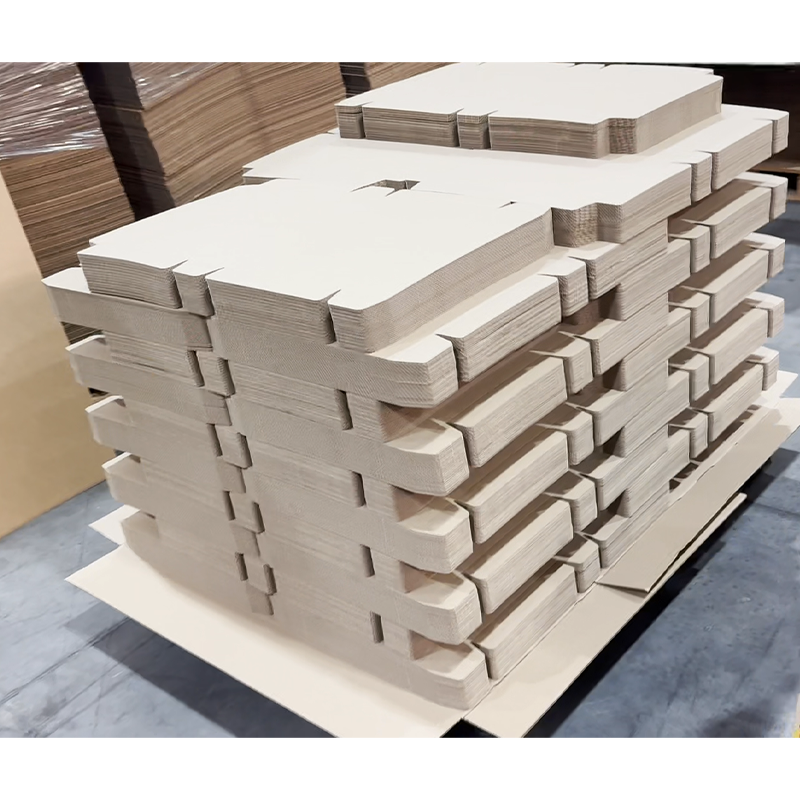
A die cutting system represents an essential manufacturing solution designed to cut, shape, and form various materials with exceptional precision and consistency. This sophisticated equipment utilizes sharp steel dies or cutting tools to process materials ranging from paper and cardboard to fabrics, plastics, rubber, and thin metals. The die cutting system operates through controlled pressure application, forcing the cutting die through the material to create specific shapes, patterns, or designs. Modern systems incorporate advanced automation, digital controls, and computer-aided design integration to streamline production workflows. The core functionality revolves around three primary operations: cutting, creasing, and embossing. Cutting completely separates material along designated lines, creasing creates fold lines without penetrating the material, and embossing produces raised or recessed designs. These systems come in various configurations including flatbed, rotary, and digital models, each suited to different production volumes and material specifications. Flatbed systems work well for short to medium runs and thicker materials, while rotary systems excel in high-speed, continuous production environments. The die cutting system employs precision-engineered components such as steel rule dies, rotary dies, and laser-cut dies, depending on the application requirements. Technological features include programmable logic controllers, servo motors for accurate positioning, pneumatic or hydraulic pressure systems, and real-time monitoring capabilities. Material handling systems integrate seamlessly with feeding mechanisms, registration systems for accurate alignment, and waste removal functions. Safety features encompass emergency stop functions, protective guards, and sensor-based detection systems. Applications span numerous industries including packaging, automotive, electronics, medical devices, textiles, and printing. The versatility of die cutting systems makes them indispensable for creating custom packaging boxes, labels, gaskets, filters, insulation components, and decorative elements. Manufacturing facilities utilize these systems to maintain consistent quality standards, reduce material waste, and accelerate production cycles while meeting exact specifications for complex geometries and tight tolerances.

New Product Releases

Investing in a die cutting system delivers substantial operational improvements that directly impact your bottom line and competitive position. First, these systems dramatically increase production speed compared to manual cutting methods, allowing you to complete orders faster and take on more projects simultaneously. Your team can process hundreds or thousands of identical pieces per hour with unwavering accuracy, eliminating the bottlenecks that slow down traditional manufacturing. Second, precision becomes a guaranteed outcome rather than a variable factor. Every piece emerges identical to the last, meeting exact dimensional requirements without the inconsistencies inherent in hand cutting or less sophisticated equipment. This reliability means fewer rejected products, happier customers, and a stronger reputation for quality. Third, material utilization improves significantly as the system optimizes cutting patterns to minimize waste. You spend less on raw materials while producing the same output, and the reduction in scrap material also lowers disposal costs. Fourth, labor costs decrease substantially because one operator can manage the entire process that previously required multiple workers. Your skilled employees can focus on higher-value tasks like quality control, design work, or customer service instead of repetitive cutting operations. Fifth, flexibility expands your service offerings without requiring multiple specialized tools. Changing dies takes minutes, allowing you to switch between different products quickly and accommodate custom orders without lengthy setup times. This adaptability helps you respond to market demands and customer requests with unprecedented agility. Sixth, workplace safety improves considerably as operators work at safe distances from cutting mechanisms, and automated systems include multiple safety interlocks and emergency stops. Fewer workplace injuries mean lower insurance costs and better employee morale. Seventh, consistency in production leads to predictable scheduling and reliable delivery commitments. You can confidently promise completion dates knowing your equipment will perform as expected. Eighth, the initial investment pays for itself through accumulated savings in labor, materials, and time while simultaneously increasing your production capacity. Ninth, quality control becomes simpler because the mechanical precision reduces variables and makes inspection faster. Tenth, your business gains scalability as adding shifts or increasing production volume requires minimal additional investment beyond materials. Finally, the professional results achieved with a die cutting system open doors to premium markets and clients who demand exacting standards, allowing you to command higher prices and build lasting business relationships based on consistent excellence.

Practical Tips

Why Is a Paper Cutter Machine a Vital Tool for Achieving Clean Edges in Print and Publishing Work?

20

Jan

Why Is a Paper Cutter Machine a Vital Tool for Achieving Clean Edges in Print and Publishing Work?

In the high-stakes world of professional print and publishing, the difference between good and exceptional often lies in the details unseen by the untrained eye. Among these, the precision of a clean, sharp edge is paramount. It is the final signatur...
View More
What Key Maintenance Steps Ensure Consistent Performance in a High-Cycle Paper Die Cutting Machine?

10

Feb

What Key Maintenance Steps Ensure Consistent Performance in a High-Cycle Paper Die Cutting Machine?

Industrial packaging and printing operations rely heavily on the consistent performance of their paper die cutting machine systems to meet demanding production schedules. These sophisticated pieces of equipment process thousands of sheets per hour, c...
View More
How Does a 98,000㎡ Manufacturing Facility Ensure the Reliability of Paper Cutter Machines?

18

Mar

How Does a 98,000㎡ Manufacturing Facility Ensure the Reliability of Paper Cutter Machines?

Manufacturing excellence in the paper processing industry requires precise equipment and rigorous quality control measures. Large-scale production facilities spanning 98,000 square meters face unique challenges when ensuring the reliability of paper ...
View More
How Do You Select the Right Paper Cutter Machine for Heavy-Duty vs. Light-Duty Applications?

02

Apr

How Do You Select the Right Paper Cutter Machine for Heavy-Duty vs. Light-Duty Applications?

Selecting the appropriate paper cutter machine for your specific operational requirements involves understanding the fundamental differences between heavy-duty and light-duty applications. The choice you make directly impacts productivity, operationa...
View More

Get a Free Quote

Our representative will contact you soon.
Email
Name
Company Name
Required Product
Message
0/1000

die cutting system

Unmatched Precision Engineering for Perfect Results Every Time

Unmatched Precision Engineering for Perfect Results Every Time

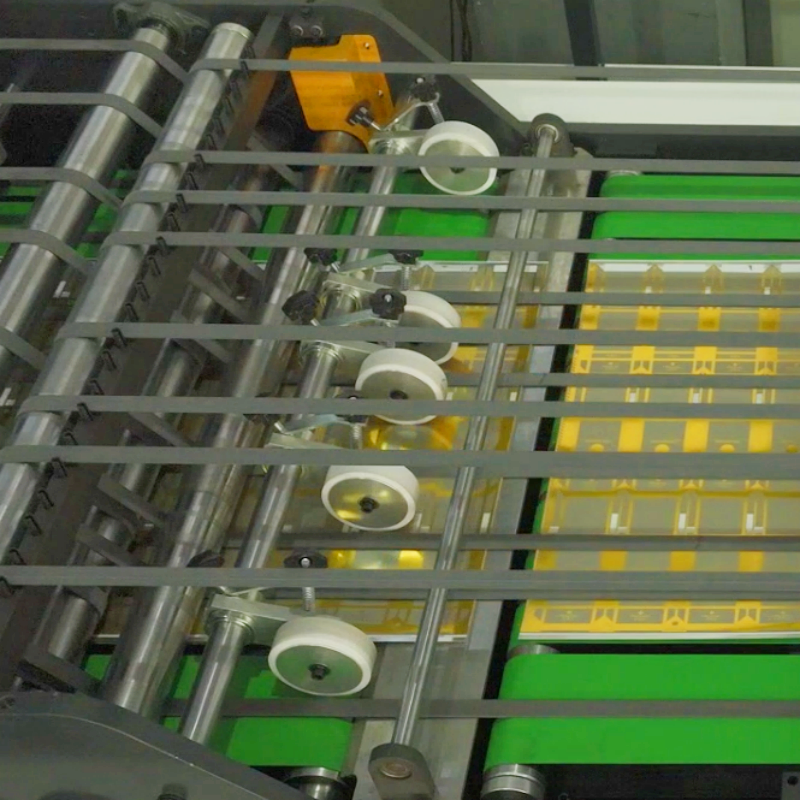
The die cutting system achieves dimensional accuracy that transforms manufacturing quality standards through advanced engineering principles and precision-built components. At the heart of this capability lies the relationship between the cutting die, pressure application mechanisms, and material registration systems working in perfect synchronization. The steel rule dies undergo precision grinding and heat treatment processes that ensure edge sharpness remains consistent throughout extended production runs, delivering clean cuts without ragged edges or material deformation. Registration systems employ optical sensors or mechanical pins that position materials within tolerances measured in fractions of a millimeter, guaranteeing that every cut aligns exactly with design specifications. This precision matters tremendously when producing components that must fit together, such as packaging that needs to fold correctly or gaskets that must seal properly. The pressure application system distributes force evenly across the entire cutting surface, preventing partial cuts or excessive pressure that could damage materials. Advanced die cutting systems incorporate pressure monitoring that adjusts force based on material thickness and density variations, maintaining consistency even when working with materials that have slight irregularities. The precision extends beyond simple cutting to include creasing operations where exact depth control determines whether folded materials crease cleanly or crack and fail. Temperature control systems in some advanced models maintain optimal conditions for materials sensitive to environmental factors, preventing expansion or contraction that could affect dimensional accuracy. The result is production output where measurements remain within specified tolerances across thousands of pieces, eliminating the variation that causes assembly problems, functional failures, or aesthetic inconsistencies. For businesses, this precision translates directly into reduced rejection rates, fewer customer complaints, and the ability to bid on projects with stringent quality requirements. Industries like medical device manufacturing or electronics production depend on this level of accuracy because even minor dimensional variations can cause product failures or safety issues. The die cutting system delivers this precision repeatedly, shift after shift, without the degradation in accuracy that occurs with manual methods or less sophisticated equipment, making it an essential investment for manufacturers committed to excellence.
Exceptional Versatility Across Materials and Applications

Exceptional Versatility Across Materials and Applications

The remarkable versatility of a die cutting system empowers manufacturers to work with an extensive range of materials and tackle diverse applications using a single piece of equipment. This adaptability stems from adjustable pressure settings, interchangeable dies, and configurable processing parameters that accommodate materials with vastly different characteristics. Soft materials like paper, cardboard, foam, and fabrics process easily with lower pressure settings and appropriate die designs that prevent compression or distortion. Rigid materials including plastics, rubber, cork, and thin metals require higher pressures and dies engineered with specific angles and edge geometries to achieve clean cuts without cracking or deforming. The ability to switch between materials and applications by changing dies and adjusting settings means your investment continues delivering value as your product line evolves or market demands shift. A packaging company can produce folding cartons in the morning and die-cut labels in the afternoon without requiring separate equipment. Automotive suppliers use the same system for cutting gaskets, insulation materials, and interior trim components by maintaining a library of dies for different applications. Textile manufacturers cut fabric patterns, while electronics producers create precise insulation layers and component separators. The die cutting system handles intricate designs with fine details as effectively as simple geometric shapes, accommodating patterns with internal cutouts, perforations, and combination operations that include cutting, scoring, and embossing in a single pass. Material thickness capacity ranges from thin films measuring fractions of a millimeter to rigid boards several centimeters thick, depending on system specifications. This versatility eliminates the need for multiple specialized cutting tools, reducing capital equipment costs and simplifying operator training since staff learn one system rather than several different machines. The flexibility also supports rapid prototyping and custom work, allowing you to test new product concepts or accommodate special customer requests without significant delays or setup costs. Manufacturers serving multiple industries or offering diverse product catalogs find this versatility particularly valuable as it provides operational efficiency while maintaining the specialized capabilities each application demands, ultimately creating competitive advantages through responsive service and comprehensive manufacturing capabilities.

Intelligent Automation That Maximizes Productivity and Efficiency

Intelligent Automation That Maximizes Productivity and Efficiency

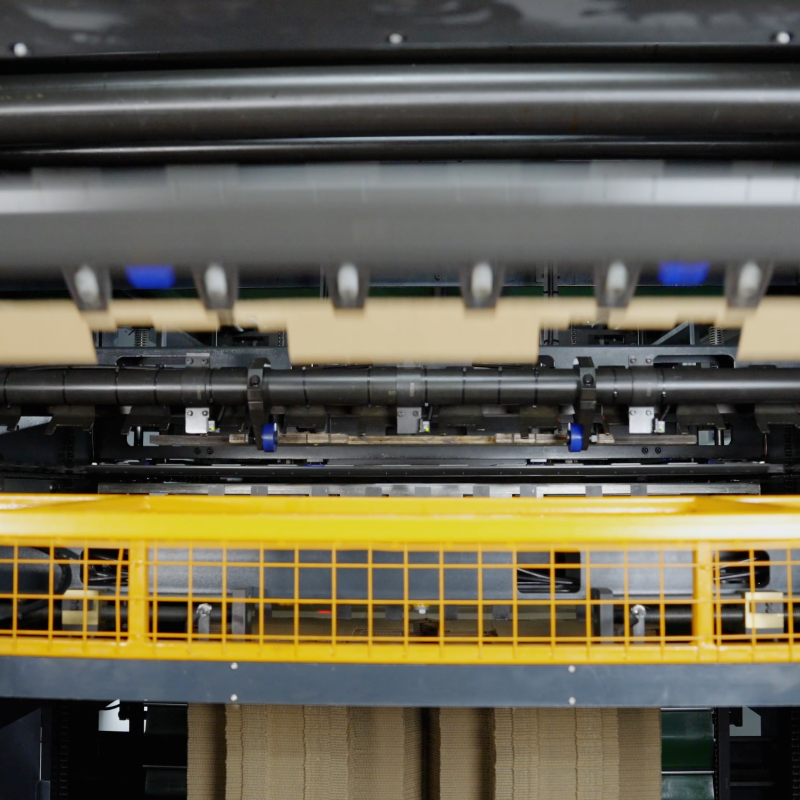
Modern die cutting systems incorporate sophisticated automation technologies that revolutionize production efficiency and operator effectiveness through intelligent process control and seamless workflow integration. Computer numerical control interfaces allow operators to program cutting parameters, sequence multiple operations, and store recipes for different products that can be recalled instantly when switching production runs. This eliminates manual adjustments and the trial-and-error approach that wastes time and materials during setup. Automated feeding systems draw materials from supply rolls or stacks, presenting them to the cutting area with precise timing and positioning that maintains continuous operation without manual material handling between each cycle. Sensors monitor material presence, alignment, and tension, automatically pausing operations if conditions fall outside acceptable parameters and preventing defective pieces from being produced. The die cutting system processes this sensor data in real-time, making micro-adjustments to pressure, speed, and positioning that compensate for minor variations and maintain consistent output quality. Waste removal systems automatically strip away scrap material surrounding finished pieces, organizing it for recycling while separating completed products for collection or downstream processing. Integration capabilities allow the die cutting system to communicate with enterprise resource planning software, receiving production schedules and reporting completion status without manual data entry. Quality monitoring functions track production metrics including cycle times, piece counts, and material consumption, generating reports that support process optimization and identify maintenance needs before problems cause downtime. Predictive maintenance algorithms analyze operational data to forecast component wear and schedule service during planned downtime rather than experiencing unexpected failures during production runs. Touch-screen interfaces simplify operation with intuitive graphics and step-by-step guidance that reduces training time for new operators while providing experienced staff with advanced controls for fine-tuning performance. The automation extends to die change procedures where quick-release mechanisms and guided positioning systems reduce changeover time from hours to minutes, maximizing productive runtime. Safety interlocks ensure operators cannot access dangerous areas during operation, while emergency stop systems immediately halt all motion when activated. This intelligent automation transforms the die cutting system from a simple cutting tool into a comprehensive production solution that multiplies operator effectiveness, minimizes errors, optimizes resource utilization, and provides the data visibility needed for continuous improvement initiatives that drive long-term competitiveness and profitability.

Get a Free Quote

Our representative will contact you soon.
Email
Name
Company Name
Required Product
Message
0/1000